Why Your Parrot Screams and 7 Practical Solutions That Actually Work
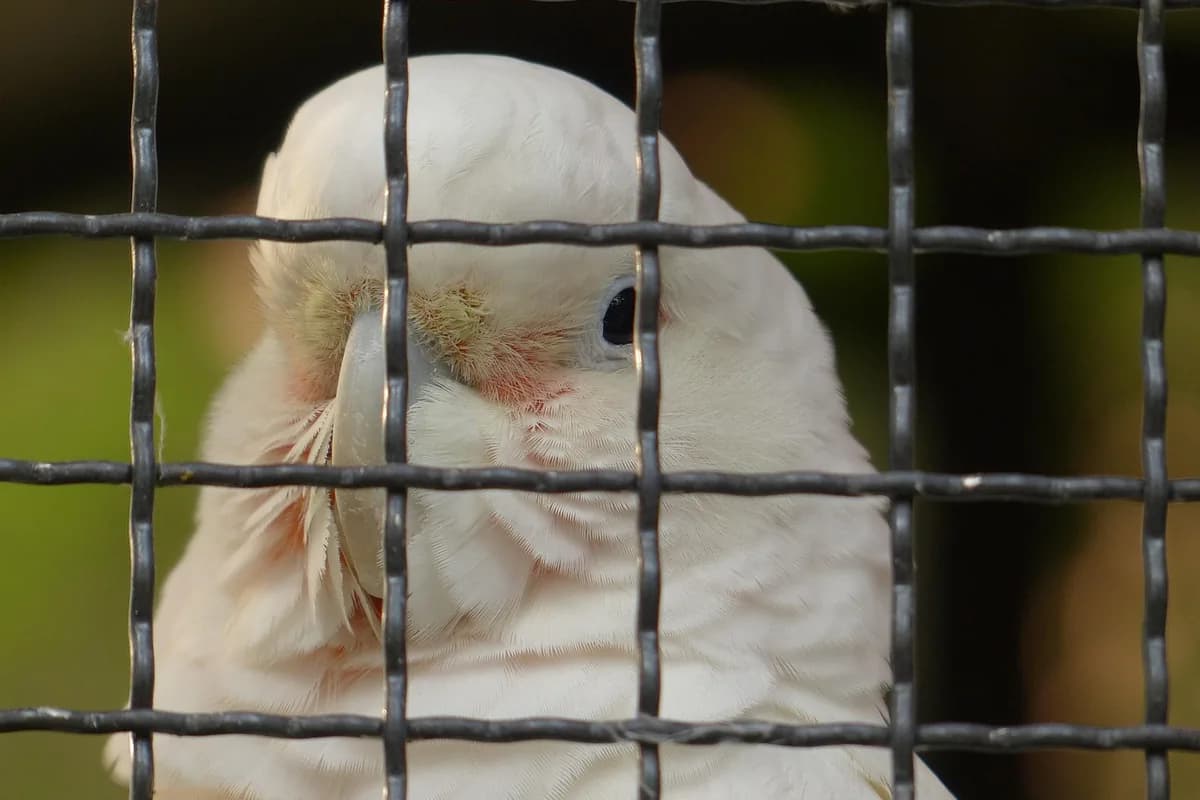
The Sound of Frustration: Understanding Your Parrot's Screaming
If you're reading this at 6 AM because your parrot just woke the entire neighborhood, or you're hiding in another room wondering if your feathered friend has lost their mind, you're not alone. In our experience boarding over 1,000 birds at Bird Sitting Toronto, excessive screaming is one of the most common behavioral challenges parrot parents face — and one of the most misunderstood.
Here's the thing: all parrots vocalize. It's literally how they communicate, establish territory, and express their needs. But when those vocalizations cross the line from normal bird chatter to ear-splitting, relentless screaming that has you questioning your life choices, it's time to take action.
The good news is that excessive screaming is almost always solvable. But before you try any quick fixes, you need to understand what's driving the behavior. Let's walk through seven practical solutions that actually work — and more importantly, why they work.
Solution 1: Understand the Cause First (Don't Try to Fix Without Diagnosing)
Before you implement any training technique, you need to become a detective. Screaming is your parrot's way of communicating something important, and until you understand what they're trying to tell you, you're just treating symptoms instead of the root cause.
Common reasons parrots scream include:
- Contact calling: "Where are you? Are you safe?"
- Attention seeking: "Look at me! Interact with me!"
- Fear or anxiety: "Something scary is happening!"
- Boredom or frustration: "I need something to do!"
- Territorial behavior: "This is my space!"
- Medical issues: Pain, illness, or hormonal changes
Start keeping a screaming log for a few days. Note the time, duration, what was happening before the screaming started, and what stopped it. You'll often see patterns emerge that point to the underlying cause.
Pro Tip: We see this often at BST — many birds scream more during seasonal changes due to hormonal fluctuations. If the screaming coincided with spring or fall, hormones might be a factor.
Solution 2: Respond Appropriately to Contact Calls
Contact calling is completely natural — in the wild, flock members call to each other throughout the day to maintain connection and ensure everyone's safety. When your parrot calls to you from another room, they're not being demanding; they're being a bird.
The key is teaching your parrot what volume and frequency is acceptable in your home:
How to Handle Contact Calls:
- Respond immediately to quiet or moderate calls with a cheerful "I'm here!" or whistle back
- Wait for a pause in loud screaming before responding — never reward the screaming itself
- Use the same response consistently so your bird learns to recognize it
- Gradually increase the time between their call and your response to build patience
Teaching the "Quiet" Cue:
Start by saying "quiet" in a calm voice when your bird is naturally quiet, then immediately reward with praise or a treat. Over time, they'll associate the word with the behavior and the reward.
Important: Don't expect your parrot to be silent when you leave the room. A few contact calls are normal and healthy — you're just teaching them the appropriate volume and frequency.
Solution 3: Provide Adequate Mental and Physical Enrichment
Boredom is a major cause of excessive screaming, especially in intelligent species like African Greys, Cockatoos, and Amazons. A bored parrot is like a toddler with nothing to do — they're going to find ways to entertain themselves, and you probably won't like their choices.
Essential Enrichment Elements:
- Foraging opportunities: Hide treats in paper cups, wrap them in paper, or use puzzle feeders
- Destructible toys: Cardboard, untreated wood blocks, paper to shred
- Rotating toy selection: Change toys every few days to maintain novelty
- Out-of-cage time: Supervised exploration and interaction
- Training sessions: Teaching new tricks or behaviors provides mental stimulation
Daily Enrichment Schedule:
- Morning: Fresh foraging opportunity with breakfast
- Midday: New toy or rearranged perches
- Evening: Training session or interactive play
Pro Tip: We've found that birds who receive consistent enrichment throughout the day are significantly quieter than those who only get attention when their humans come home from work.
Solution 4: Ensure Your Parrot Gets Proper Sleep
Sleep deprivation makes every behavior problem worse, and screaming is no exception. Parrots need 10-12 hours of uninterrupted darkness each night to maintain their physical and mental health.
Creating the Perfect Sleep Environment:
- Consistent bedtime routine: Same time every night, same preparation ritual
- Complete darkness: Use a sleep cage or blackout curtains
- Quiet location: Away from household noise and activity
- Comfortable temperature: 65-75°F (18-24°C)
- No disturbances: No checking on them, no late-night TV
Many behavioral issues, including excessive screaming, improve dramatically within a week of establishing proper sleep hygiene.
Warning: If your bird suddenly starts screaming at night when they previously slept quietly, this could indicate a medical issue or something frightening in their environment. Investigate immediately.
Solution 5: Never Reward Screaming with Attention (Including Negative Attention)
This is where many well-intentioned parrot parents go wrong. Any response to screaming — even yelling "QUIET!" — is attention, and attention reinforces the behavior you just gave attention to.
What Counts as Rewarding Attention:
- Looking at your bird when they scream
- Talking to them (even to tell them to be quiet)
- Coming into the room
- Covering their cage
- Giving them food or toys to "distract" them
The Extinction Process:
When you stop rewarding screaming with attention, the behavior will initially get worse before it gets better. This is called an extinction burst, and it's actually a good sign — it means your parrot is trying harder to get the response that used to work.
Stay consistent. The moment you give in and respond to screaming, you've taught your bird that they just need to scream longer and louder to get what they want.
Solution 6: Actively Reward Quiet Moments
Instead of only noticing your parrot when they're being loud, make a point of acknowledging and rewarding them when they're quiet or using appropriate vocalizations.
How to Reward Quiet Behavior:
- Verbal praise: "Good quiet!" or "Thank you for using your inside voice"
- Treats: Small, immediate rewards for calm behavior
- Attention: Approach and interact when they're being appropriately vocal
- Activities: Offer training sessions or play time during quiet periods
Timing is Everything:
Rewards must be immediate to be effective. Keep small treats handy so you can reward quiet behavior the moment you notice it.
Pro Tip: We teach our boarding clients to set random timers throughout the day. When the timer goes off, if their bird is being quiet, they get a reward. This helps establish quiet time as valuable and rewarding.
Solution 7: Accept Species-Appropriate Vocalization Levels
Here's the honest truth: some parrot species are naturally louder than others, and some individual birds within those species are naturally more vocal. You cannot train a Cockatoo to be as quiet as a Cockatiel, and you shouldn't try.
Natural Vocalization Patterns:
- Dawn and dusk calling: Most parrots are naturally louder at sunrise and sunset
- Excitement vocalizations: Happy screams during play or when you come home
- Seasonal increases: Hormonal periods may bring temporary increases in vocalization
- Species differences: Sun Conures and Cockatoos will always be louder than Cockatiels and Budgies
The goal isn't to eliminate all loud vocalizations — it's to reduce excessive, inappropriate screaming while accepting normal bird communication.
What NOT to Do: Common Mistakes That Make Screaming Worse
Never Yell Back
Yelling at a screaming parrot teaches them that loud vocalizations are how your "flock" communicates. You're essentially having a screaming contest, and your parrot will win.
Don't Use Cage Covering as Punishment
Covering the cage when your bird screams can increase anxiety and make the behavior worse. The cage should be a safe space, not a timeout location.
Avoid Water Spraying
Spraying a screaming bird with water is stressful and can damage your relationship with your parrot. It doesn't address the underlying cause and often escalates the situation.
Don't Give Up Too Quickly
Behavior modification takes time — often weeks or months. Consistency is more important than perfection.
Final Thoughts
Remember, screaming is communication, not defiance. Your parrot isn't trying to drive you crazy (even though it might feel that way at 5:30 AM). They're trying to tell you something important, and your job is to listen, understand, and respond appropriately.
In our experience at Bird Sitting Toronto, the families who see the most success are those who approach screaming with patience, consistency, and a genuine desire to understand their bird's needs. Yes, it takes time and effort, but the reward — a happy, well-adjusted parrot who uses their voice appropriately — is absolutely worth it.
Start with understanding the cause, implement these solutions consistently, and remember that some level of vocalization is not only normal but healthy. Your parrot's voice is part of who they are, and with the right approach, you can help them use it in ways that work for your entire household.
Explore related topics
Related Articles
Do Parrots Understand What They Say? The Science Is Surprising
Is your parrot just mimicking or do they actually understand? The research says it's more complex than simple mimicry.
How to Stop My Parrot from Screaming: A Step-by-Step Plan
Your parrot's screaming is driving you crazy. This structured plan addresses the root cause, not just the symptom.
Teaching Your Parrot to Whistle Tunes: A Fun Training Guide
Cockatiels are famous for it, but many species can learn tunes. Here's how to teach your bird to whistle your favorite song.