How to Stop My Parrot from Screaming: A Step-by-Step Plan
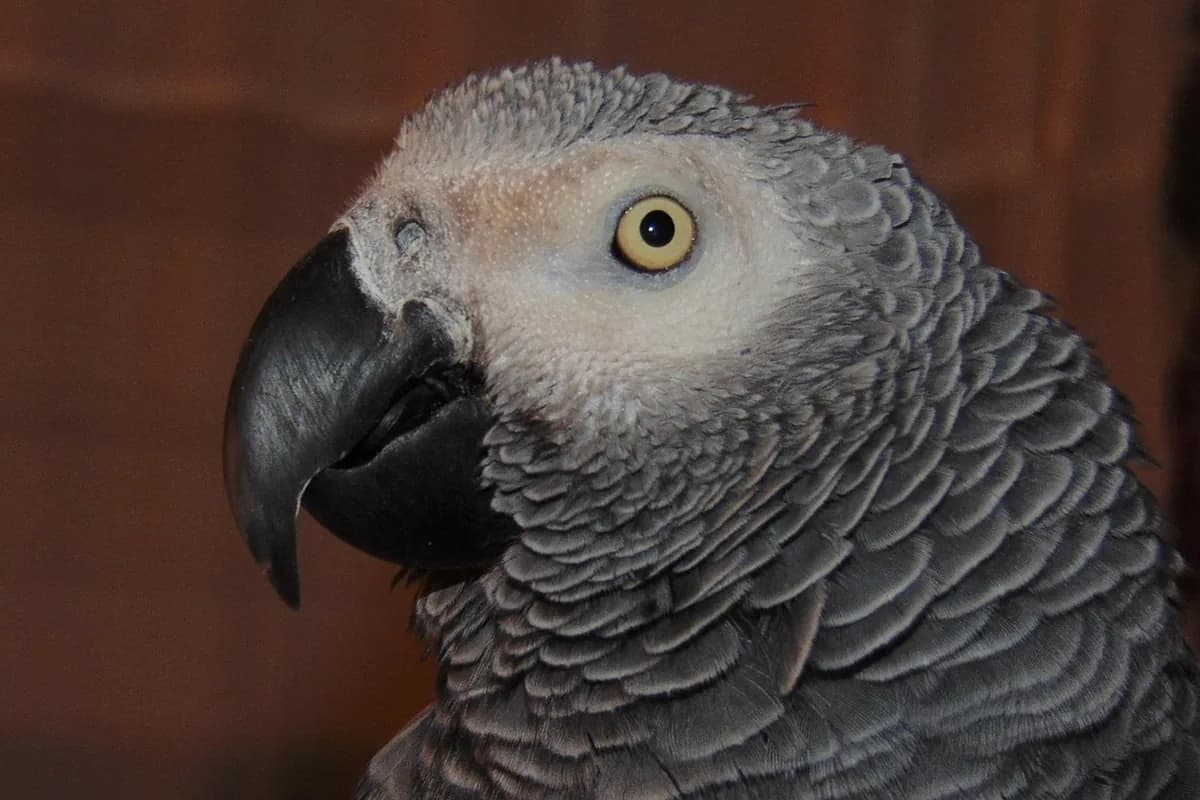
Understanding Your Parrot's Screaming: It's Not Always a Problem
Let's start with something important: all parrots vocalize, and some of that vocalization is naturally loud. Your sun conure's morning contact calls or your macaw's excitement screams when you come home aren't behavioral problems — they're normal bird communication. The issue arises when screaming becomes excessive, persistent, or clearly attention-seeking.
In our experience boarding over 1,000 birds at BST, we've learned that most screaming issues stem from unmet needs rather than "bad behavior." Your bird isn't trying to annoy you — they're trying to tell you something. The good news is that with a systematic approach, you can significantly reduce excessive screaming while maintaining your bird's natural, healthy vocalizations.
This two-week program will help you identify why your parrot is screaming and implement effective solutions. Week 1 focuses on detective work, and Week 2 puts your findings into action.
Week 1: The Detective Phase (Days 1-7)
Day 1-2: Start Your Screaming Log
Before you can solve the problem, you need to understand it. Create a simple log to track every screaming episode:
What to Record:
- Time of day
- Duration (estimate)
- What happened right before the screaming
- What you did in response
- Environmental factors (TV on, cooking smells, visitors, etc.)
Sample Log Entry: Tuesday 7:15 AM - 5 minutes - I walked past cage to kitchen - I said "quiet" and gave attention - Morning routine, coffee brewing
Pro Tip: Use your phone's voice memo feature to quickly log incidents throughout the day, then transfer to written form in the evening.
Day 3-4: Identify Patterns and Triggers
Review your first few days of logs and look for patterns:
Common Triggers We See at BST:
- Attention-seeking (screaming stops when you respond)
- Environmental stimuli (doorbell, phone, other pets)
- Routine disruptions (late feeding, changed schedule)
- Boredom or understimulation
- Fear or anxiety responses
- Contact calling (wanting to know where their flock is)
Questions to Ask Yourself:
- Does screaming happen at specific times?
- Does it occur when you're visible but not interacting?
- Is your bird quiet when you're completely out of sight?
- Do certain activities trigger longer episodes?
Day 5: Medical Check Assessment
Rule out health issues before assuming it's behavioral. Schedule a vet visit if your bird shows:
- Sudden increase in screaming frequency
- Screaming while fluffed up or showing other illness signs
- Changes in appetite, droppings, or activity level
- Screaming that seems pain-related (specific positions or movements)
Important: Even if you don't see obvious illness signs, mention the screaming increase to your avian vet during your next routine visit.
Day 6-7: Evaluate Sleep and Diet
Poor sleep and nutrition can dramatically increase screaming:
Sleep Assessment:
- Is your bird getting 10-12 hours of uninterrupted darkness?
- Is the sleep area truly dark and quiet?
- Are there light sources or sounds disrupting sleep?
Diet Evaluation:
- What percentage of diet is pellets vs. seeds vs. fresh foods?
- Are you feeding at consistent times?
- Could your bird be experiencing blood sugar fluctuations?
Sleep and Diet Tracking Table:
| Day | Bedtime | Wake Time | Total Sleep | Diet Quality (1-10) | Screaming Episodes |
|---|---|---|---|---|---|
| Mon | |||||
| Tue | |||||
| Wed |
Week 2: The Action Phase (Days 8-14)
Day 8-9: Environmental Changes
Based on your Week 1 findings, make immediate environmental adjustments:
If Triggered by Visual Stimuli:
- Reposition cage away from high-traffic areas
- Use room dividers to block overstimulating views
- Cover one side of cage during peak trigger times
If Triggered by Sounds:
- Move away from noise sources when possible
- Use white noise or calming bird sounds to mask triggers
- Establish "quiet zones" during your bird's most sensitive times
If Sleep-Related:
- Implement strict sleep schedule with room-darkening measures
- Move cage to quieter sleeping location if needed
- Use sleep cages or covers consistently
Day 10-11: Enrichment Overhaul
Boredom is a major screaming trigger. Transform your bird's environment:
Daily Enrichment Rotation:
- Monday: New foraging toy with hidden treats
- Tuesday: Rearrange perches and toys
- Wednesday: Introduce new textures (paper strips, cardboard)
- Thursday: Food puzzles or treat-dispensing toys
- Friday: Social enrichment (training session, new music)
- Weekend: Supervised out-of-cage exploration time
Foraging Ideas:
- Hide pellets in paper cups or toilet paper rolls
- Wrap treats in coffee filters or paper towels
- Use foraging balls or puzzle feeders
- Create "destruction toys" with safe cardboard and paper
Day 12-13: Response Training
This is crucial: change how you respond to screaming and quiet behavior.
The Golden Rule: Attention (even negative) reinforces screaming. Ignoring it reduces it.
When Your Bird Screams:
- Do not look at, talk to, or approach your bird
- Continue your activity as if nothing happened
- Leave the room if screaming persists (only if safe to do so)
- Return only when bird is quiet
When Your Bird is Quiet:
- Immediately acknowledge good behavior
- Offer praise, treats, or attention
- Engage in preferred activities (training, talking, head scratches)
- Make quiet time the "good time"
Warning: Screaming may initially increase when you start ignoring it. This is called an "extinction burst" and is normal. Stay consistent.
Day 14: Teaching Alternative Vocalizations
Replace screaming with acceptable sounds:
Morning Routine Training:
- Before your bird starts morning screaming, approach with a cheerful "Good morning!"
- Reward any quiet vocalizations (chirps, words, whistles)
- Establish a morning interaction routine that happens before screaming starts
Contact Call Training:
- Teach a specific whistle or word for "Where are you?"
- When you leave the room, immediately respond to appropriate calls
- Ignore screaming but respond quickly to the trained sound
Training Session Structure (10-15 minutes daily):
- Start when bird is calm and alert
- Reward any quiet vocalization immediately
- Practice simple commands with vocal responses
- End on a positive note with favorite treat
Daily Tracking Sheet for Week 2
Create a simple chart to monitor progress:
| Day | Environmental Changes Made | Enrichment Provided | Response Training Practice | Screaming Episodes | Notes |
|---|---|---|---|---|---|
| 8 | |||||
| 9 | |||||
| 10 |
What to Expect: Realistic Timeline
Week 1: You'll likely see no reduction in screaming — you're just gathering information.
Week 2: Some birds show improvement by day 10-12, others take longer. Don't get discouraged.
Weeks 3-4: Most birds show noticeable improvement if you stay consistent.
Long-term: Expect gradual progress over months, not days.
Pro Tip: Take videos of screaming episodes during Week 1, then again at Week 4. You'll be amazed at the difference when you can compare side-by-side.
When to Seek Professional Help
Contact an avian behaviorist if:
- Screaming increases after two weeks of consistent training
- Your bird shows signs of self-harm or extreme anxiety
- You're unable to identify clear triggers after thorough logging
- Family members can't maintain consistency in responses
Final Thoughts
Here's the thing: reducing excessive screaming takes patience, consistency, and realistic expectations. Some birds are naturally more vocal than others, and that's okay. Your goal isn't to create a silent bird — it's to reduce attention-seeking screaming while preserving healthy, natural vocalizations.
We see this transformation regularly at BST: birds who arrive as "chronic screamers" often become much quieter within their first week simply because their needs are being met consistently. Your bird wants to communicate with you, not drive you crazy. With this structured approach, you'll build a better relationship while creating a more peaceful home for everyone.
Remember, every bird is different. What works for your neighbor's cockatiel might not work for your conure. Stay flexible, keep tracking your progress, and celebrate the small victories along the way.
Explore related topics
Related Articles
Do Parrots Understand What They Say? The Science Is Surprising
Is your parrot just mimicking or do they actually understand? The research says it's more complex than simple mimicry.
Teaching Your Parrot to Whistle Tunes: A Fun Training Guide
Cockatiels are famous for it, but many species can learn tunes. Here's how to teach your bird to whistle your favorite song.

Understanding Parrot Vocalizations: A Complete Guide to Every Sound
Screams, chirps, whistles, growls, purrs — every sound has meaning. Here's your complete vocalization dictionary.