Do Parrots Understand What They Say? The Science Is Surprising
The Question Every Parrot Owner Wonders About
You've probably experienced this moment: you're getting ready to leave, reaching for your keys, and your parrot suddenly calls out "Goodbye!" Or maybe your bird asks for a "cracker" when they see you heading to the kitchen, or says "Good morning!" right as the sun comes up. It's enough to make you pause and wonder — does my parrot actually understand what they're saying, or are they just mimicking sounds?
The answer might surprise you. While parrots aren't having philosophical conversations about the meaning of life, the science shows they understand far more than we once thought. In our experience boarding over 1,000 birds at BST, we've witnessed countless examples of parrots using words contextually, making connections, and even displaying what can only be described as a sense of humor.
The Groundbreaking Alex Studies
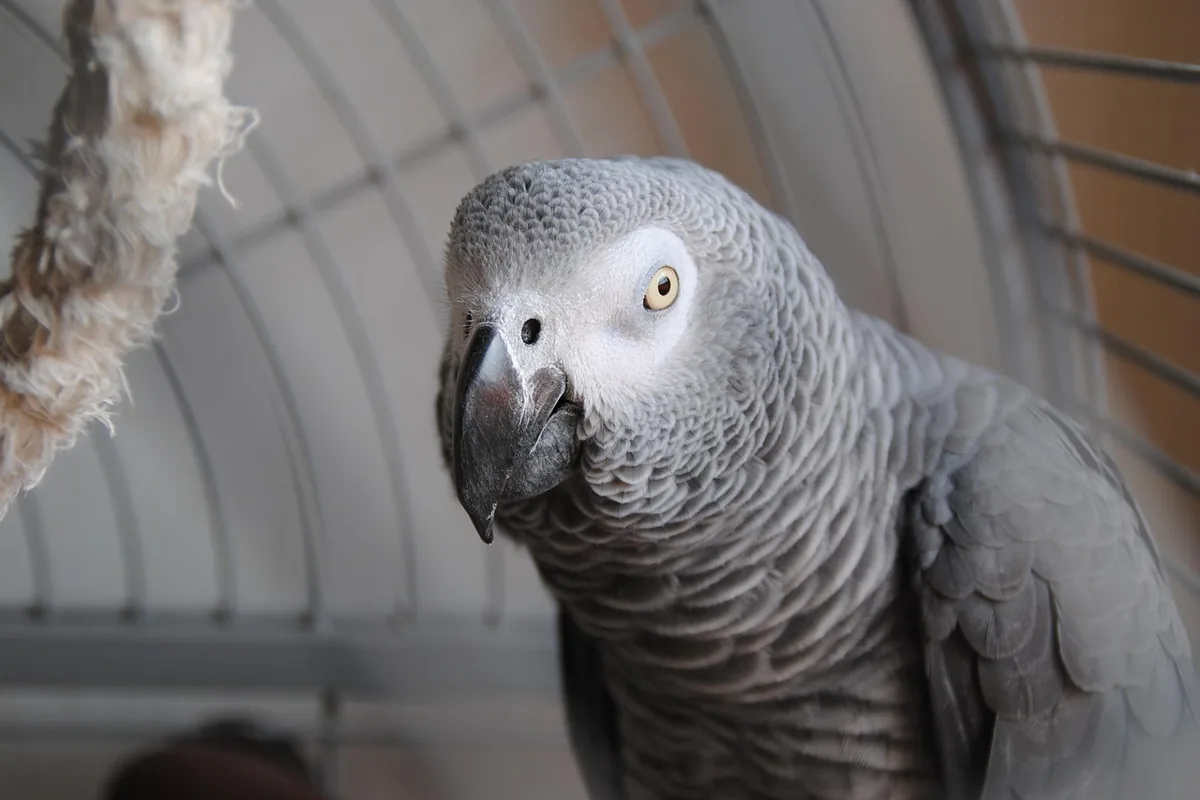
The most famous research into parrot comprehension comes from Dr. Irene Pepperberg's work with Alex, an African Grey parrot who revolutionized our understanding of avian intelligence. Alex wasn't just repeating words — he was demonstrating genuine conceptual understanding.
Here's what Alex could do:
- Count objects up to six with 80% accuracy
- Identify colors, shapes, and materials of objects
- Understand categories like "bigger," "smaller," "same," and "different"
- Combine concepts to describe new objects he'd never seen before
- Express preferences and even refuse to participate in tests when he was bored
The breakthrough moment came when Alex correctly answered questions about objects he'd never been specifically trained to identify. When shown a blue key for the first time, he could tell researchers it was blue, it was a key, and it was made of metal — combining learned concepts in new ways.
Important: Alex's abilities weren't the result of rote memorization. He demonstrated what scientists call "referential use of language" — understanding that words refer to specific objects, qualities, and concepts.
How Parrots Learn: The Model/Rival Method
Dr. Pepperberg developed the Model/Rival training method, which mimics how young birds learn in the wild. Instead of traditional repetition training, this method involves:
- Two trainers working together while the parrot observes
- One trainer acts as the "model" demonstrating correct responses
- The other trainer acts as the "rival" for the parrot's attention
- Roles are switched to keep the parrot engaged
- Mistakes are corrected immediately with clear feedback
This method works because it taps into parrots' natural social learning instincts. In the wild, young parrots learn by watching and competing with siblings and flock members.
Species Differences in Language Comprehension
Not all parrot species show the same level of language comprehension. Here's what research has revealed:
Highest Comprehension
- African Greys: Excel at abstract concepts and complex associations
- Amazon Parrots: Strong contextual learning and social communication
- Macaws: Good at associative learning and emotional expression
Moderate Comprehension
- Cockatoos: Excellent at emotional communication, moderate concept learning
- Eclectus: Good contextual understanding, especially food-related
- Caiques: Strong social learning but less abstract thinking
Basic Comprehension
- Cockatiels: Simple associations and emotional responses
- Lovebirds: Basic contextual learning
- Budgerigars: Simple mimicry with some contextual use
Pro Tip: Even species with "basic" comprehension can surprise you. We've seen cockatiels at BST use specific words consistently in appropriate contexts, showing they understand more than we might expect.
The Difference Between Association and Understanding
Here's where it gets fascinating. There are different levels of parrot language use:
Simple Association
- Saying "hello" when someone enters the room
- Asking for "water" when near the water dish
- Repeating phrases at specific times of day
Complex Association
- Using different greetings for different family members
- Combining words in new ways ("Want green grape" instead of just "want grape")
- Adjusting volume and tone based on the situation
True Conceptual Understanding
- Using words to describe new objects or situations
- Making jokes or playing with language
- Understanding abstract concepts like "more," "different," or "later"
Recent Research Findings
Modern studies continue to expand our understanding of parrot cognition:
Goffin's Cockatoos have shown remarkable problem-solving abilities, using tools and understanding cause-and-effect relationships that suggest deeper cognitive processing than simple mimicry.
Kea parrots demonstrate understanding of probability and can make predictions about outcomes, suggesting they process information rather than just respond to stimuli.
Research on wild parrots shows they have distinct "dialects" within flocks and can learn new calls from neighboring groups, indicating flexible language learning throughout their lives.
What We See in Real Life
The anecdotal evidence from parrot owners — and our observations at BST — often goes beyond what laboratory studies can capture:
Contextual Humor
Many parrots seem to understand timing and context in ways that suggest a sense of humor. We've seen birds:
- Mimicking a smoke alarm beep right as someone's cooking
- Saying "uh oh" before deliberately dropping food
- Using their owner's voice to call the dog, then laughing
Emotional Intelligence
Parrots often adjust their language based on emotional context:
- Speaking softly to comfort an upset owner
- Using excited tones when favorite people arrive
- Saying "sorry" after being scolded (even without specific training)
Creative Language Use
Some parrots combine words in novel ways:
- Calling strawberries "red corn" (combining known color and food concepts)
- Creating new phrases by mixing familiar ones
- Using words in grammatically correct but untrained combinations
What This Means for Your Relationship
Understanding that your parrot likely comprehends more than they can express changes everything about how we should interact with them:
Communication Tips
- Speak clearly and consistently — your bird is listening and learning
- Use words in context — say "water" while offering water, "up" while picking them up
- Be patient with responses — comprehension often exceeds vocal ability
- Acknowledge their attempts — even imperfect communication deserves recognition
Training Implications
- Focus on meaning, not just repetition — teach words in context
- Use positive reinforcement — understanding requires trust and engagement
- Be consistent with cues — mixed signals confuse learning
- Allow processing time — complex requests need time to be understood
Warning: Never underestimate what your parrot understands. They're likely picking up on conversations, emotions, and situations even when you think they're not paying attention.
The Social Nature of Parrot Language
Here's the thing — parrots are social learners. In the wild, communication serves specific social functions: maintaining flock cohesion, warning of danger, expressing needs, and building relationships. Your parrot's language use with you serves these same functions.
When your bird says "I love you" at bedtime or calls "Come here!" when you're in another room, they're not just making sounds — they're trying to communicate with you as a flock member. This social motivation is what drives their remarkable ability to learn and use human language contextually.
Final Thoughts
The science is clear: parrots understand far more than they can express. While they may not grasp abstract philosophy or complex grammar, they demonstrate genuine comprehension of concepts, relationships, and social communication that goes well beyond simple mimicry.
This understanding should humble us and inspire us to communicate with our feathered companions with more intention, patience, and respect. Your parrot isn't just a beautiful bird who makes sounds — they're an intelligent being trying to connect with you using the tools they have available.
The next time your parrot uses a word or phrase contextually, take a moment to appreciate the remarkable cognitive process happening in that small but mighty brain. They're not just talking — they're thinking, understanding, and trying to be part of your world.
Explore related topics
Related Articles
How to Stop My Parrot from Screaming: A Step-by-Step Plan
Your parrot's screaming is driving you crazy. This structured plan addresses the root cause, not just the symptom.
Teaching Your Parrot to Whistle Tunes: A Fun Training Guide
Cockatiels are famous for it, but many species can learn tunes. Here's how to teach your bird to whistle your favorite song.
Understanding Parrot Vocalizations: A Complete Guide to Every Sound
Screams, chirps, whistles, growls, purrs — every sound has meaning. Here's your complete vocalization dictionary.