Teaching Your Parrot to Whistle Tunes: A Fun Training Guide
The Joy of a Musical Companion
There's nothing quite like the moment when your parrot starts whistling back to you. Maybe it's the Andy Griffith Show theme drifting from their cage in the morning, or your cockatiel perfectly mimicking that tune you've been humming for weeks. Teaching your parrot to whistle melodies isn't just entertaining — it's a wonderful way to bond with your feathered friend and provide mental stimulation that keeps them happy and engaged.
In our experience boarding over 1,000 birds at BST, we've heard some absolutely delightful performances. From budgies who nail pop song hooks to cockatiels who could give professional whistlers a run for their money, the musical abilities of parrots never cease to amaze us. The good news is that with patience, consistency, and the right approach, most parrots can learn to whistle at least simple tunes.
Which Birds Are Natural Born Whistlers?
Not all parrots are created equal when it comes to whistling prowess. While every bird is an individual, certain species have earned reputations as the virtuosos of the parrot world.
Cockatiels: The Undisputed Champions
Cockatiels are absolutely the kings of whistling. Their natural vocalizations already include whistles, and they seem to pick up melodies with remarkable ease. We've boarded cockatiels who knew entire songs — some even learned them just from hearing their owners hum while doing housework. Male cockatiels, in particular, are incredibly motivated to learn new tunes, especially during breeding season when they're showing off their vocal skills.
Budgerigars: Small but Mighty
Don't underestimate these little guys! Budgies are fantastic whistlers and often surprise their owners with how quickly they pick up melodies. They're particularly good at learning short, catchy phrases and can develop quite extensive repertoires. Male budgies tend to be more vocal, but we've known plenty of chatty female budgies who love to whistle too.
Cockatoos: The Enthusiastic Performers
Cockatoos approach whistling with the same enthusiasm they bring to everything else. While they might not have the precision of cockatiels, they make up for it with sheer joy and volume. Umbrella cockatoos and sulfur-crested cockatoos are particularly good at learning tunes, though they often add their own creative flourishes.
Indian Ringnecks: The Sophisticated Learners
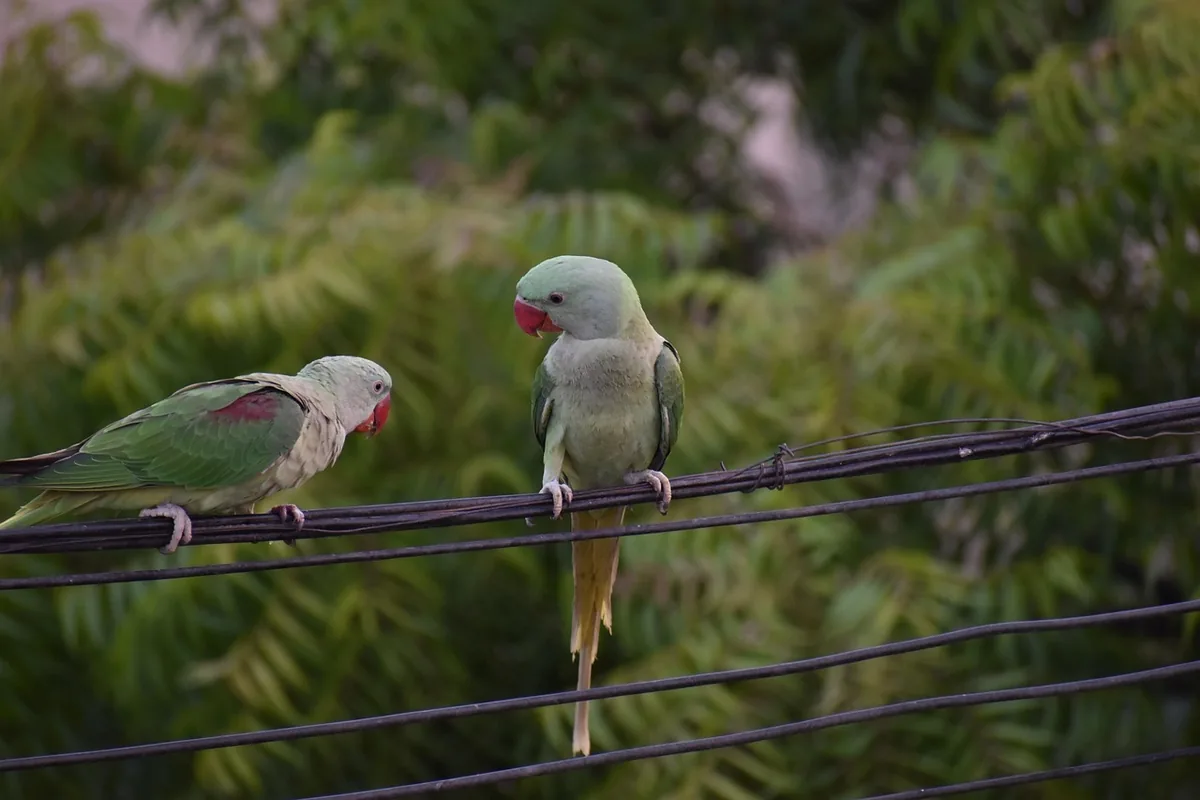
Indian Ringnecks are incredibly intelligent and can learn complex melodies with proper training. They often prefer longer, more intricate tunes and can be quite particular about getting every note right. Males are typically more vocal, but females can be excellent whistlers too.
The Art of Teaching: Setting Your Bird Up for Success
Teaching your parrot to whistle isn't rocket science, but it does require patience and consistency. Here's the thing — birds learn through repetition and positive association, so making the experience enjoyable is key.
Start with the Right Timing
Morning is absolutely the best time for whistle training. Birds are naturally most vocal in the early hours, and their energy levels are perfect for learning. We see this pattern constantly at BST — our morning chorus is always the loudest and most enthusiastic.
Choose Your Tune Wisely
Begin with simple, repetitive melodies. Complex songs with lots of variation will frustrate both you and your bird. Here are some proven winners:
Classic Favorites:
- Andy Griffith Show theme (seriously, birds love this one)
- Bridge Over the River Kwai whistle
- "Mary Had a Little Lamb"
- "Twinkle, Twinkle, Little Star"
Simple Pop Melodies:
- The opening of "The Addams Family" theme
- "Happy Birthday" (always a crowd pleaser)
- Basic nursery rhyme melodies
Pro Tip: Start with just the first few notes of a tune. Once your bird masters those, gradually add more. Trying to teach an entire song at once usually leads to frustration for everyone involved.
The Training Process
Step 1: Get Their Attention Whistle your chosen tune when your bird is alert and looking at you. Eye contact is important — they need to associate the sound with you.
Step 2: Keep It Short and Sweet Whistle just 3-4 notes repeatedly. Don't worry about the full melody yet. Consistency is more important than completeness.
Step 3: Reward Any Attempt The moment your bird makes any sound that resembles what you're teaching, offer praise and maybe a small treat. Even if it's not perfect, encouragement keeps them motivated.
Step 4: Practice Daily Short, frequent sessions work better than long, infrequent ones. Five minutes twice a day is perfect for most birds.
The Magic of the Practice Phase
Here's something wonderful that happens during whistle training — the practice phase. Your bird will start making soft, mumbled versions of the tune, often when they think you're not listening. It sounds like musical babbling, with fragments of the melody mixed with their own creative additions.
This is incredibly encouraging! It means your bird is actively processing and practicing what you've taught them. We hear this all the time at BST — birds quietly working through melodies in their cages, getting a few notes right, then starting over. It's like listening to a musician rehearse.
Don't interrupt these practice sessions. Let your bird work through the melody at their own pace. Often, they'll suddenly burst out with a much clearer version after days of quiet practice.
Why Males Often Take the Lead
You might notice that male birds tend to be more enthusiastic whistlers, and there's a biological reason for this. In the wild, male parrots use vocalizations to attract mates and establish territory. This natural drive makes them more motivated to learn and perform new sounds.
That said, female birds can be excellent whistlers too — they're often just more selective about when and what they choose to perform. Don't give up if you have a female bird who seems less interested initially. Sometimes they're just taking their time to perfect their technique.
Creating a Musical Environment
Your bird will learn faster in an environment that encourages vocalization. Here are some ways to set the stage:
- Play music regularly (but not too loudly)
- Whistle casually throughout the day
- Respond enthusiastically when your bird makes any musical sounds
- Keep training sessions positive and pressure-free
Important: Never force training sessions. If your bird seems stressed or uninterested, take a break. Some days they'll be more receptive than others, and that's perfectly normal.
Troubleshooting Common Challenges
My bird isn't responding at all: Some birds take weeks or even months to show interest. Keep sessions short and positive, and try different times of day.
They're learning the wrong notes: Birds often put their own spin on melodies. Embrace their creativity — their version might be even better than the original!
They only whistle when I'm not around: This is actually common and shows they're comfortable practicing. Eventually, they'll gain confidence to perform for you too.
The Reward: A Lifetime of Musical Moments
There's something truly special about having a bird who whistles back to you. It creates a unique form of communication and bonding that goes beyond basic care. We've seen owners and their birds develop elaborate musical conversations, with the bird learning to whistle specific tunes to request certain activities or simply to say hello.
The joy isn't just in the performance — it's in the process. Watching your bird's confidence grow as they master new melodies, seeing their personality shine through their musical choices, and sharing those spontaneous whistle-along moments that happen throughout the day.
Final Thoughts
Teaching your parrot to whistle tunes is one of the most rewarding training activities you can undertake together. It's not about creating a perfect performance — it's about enriching your bird's life, strengthening your bond, and adding a soundtrack of joy to your daily routine.
Remember, every bird learns at their own pace. Some will surprise you by picking up melodies in days, while others might take months to feel confident enough to perform. The key is keeping it fun, staying consistent, and celebrating every small victory along the way.
Before you know it, you'll have a feathered family member who greets you with your favorite tune each morning — and trust us, there's no better way to start the day.
Explore related topics
Related Articles
Do Parrots Understand What They Say? The Science Is Surprising
Is your parrot just mimicking or do they actually understand? The research says it's more complex than simple mimicry.
How to Stop My Parrot from Screaming: A Step-by-Step Plan
Your parrot's screaming is driving you crazy. This structured plan addresses the root cause, not just the symptom.
Understanding Parrot Vocalizations: A Complete Guide to Every Sound
Screams, chirps, whistles, growls, purrs — every sound has meaning. Here's your complete vocalization dictionary.