How to Create a Foraging Wall for Your Parrot
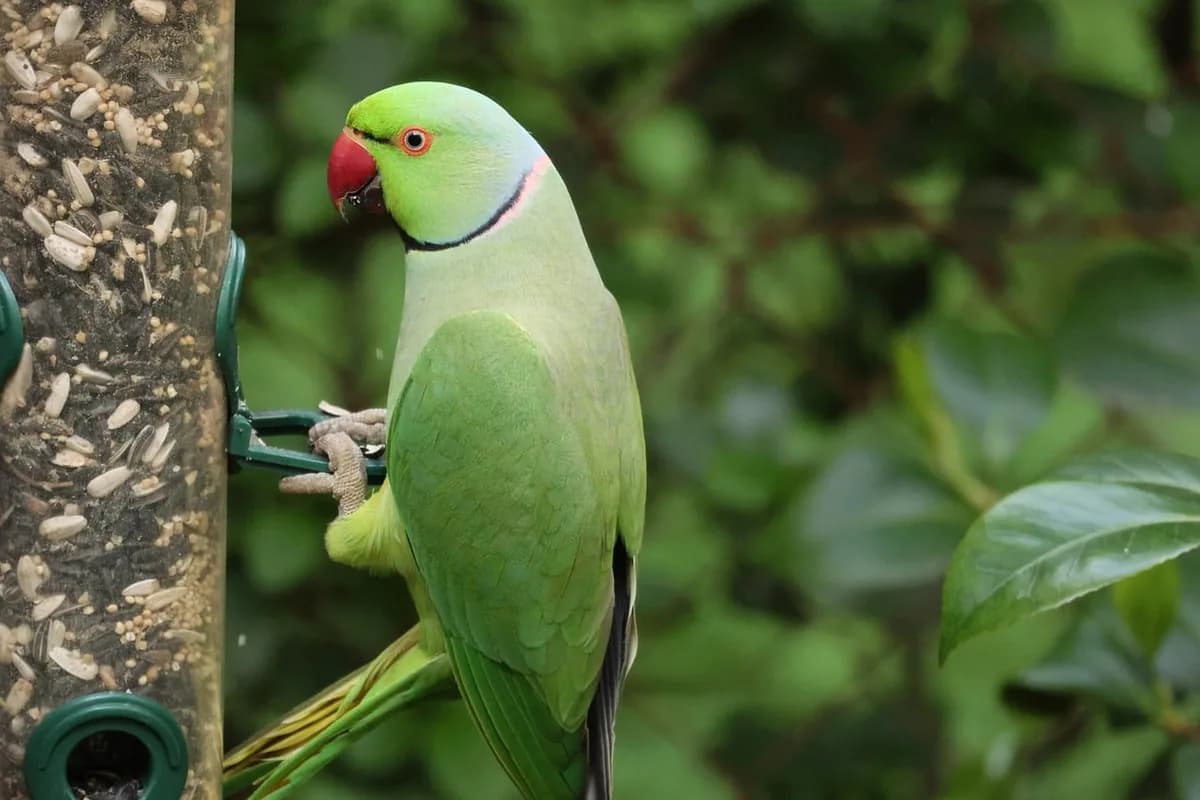
Transform Your Bird's World with a DIY Foraging Wall
If you've ever watched your parrot demolish an expensive toy in minutes or seem bored despite having a cage full of entertainment, it's time to tap into their most natural behavior: foraging. In the wild, parrots spend 6-8 hours daily searching for food, using their intelligence and problem-solving skills. A foraging wall brings this essential enrichment right into your home.
In our experience boarding over 1,000 birds at BST, we've seen firsthand how foraging transforms birds from listless to engaged, from screaming to content. The good news is that creating an effective foraging wall doesn't require expensive equipment or advanced DIY skills — just some creativity and understanding of what makes your bird tick.
Essential Materials for Your Foraging Wall
Before we dive into construction, let's gather your supplies. The beauty of a foraging wall is that you can start simple and expand over time.
Basic Materials You'll Need
Hardware:
- Stainless steel hooks (various sizes)
- Small stainless steel or ceramic cups
- Stainless steel wire or chain for hanging
- Small carabiners (bird-safe)
- Drill with appropriate bits
Foraging Containers:
- Paper cups (plain, no wax coating)
- Cardboard tubes (toilet paper, paper towel)
- Small cardboard boxes
- Paper lunch bags
- Cupcake liners
- Ice cube trays
Shreddable Materials:
- Unbleached coffee filters
- Plain paper towels
- Cardboard
- Natural palm leaves
- Untreated wood blocks
- Vine balls
Important: Always use stainless steel hardware near your bird. Zinc and galvanized metals can cause heavy metal poisoning, which we unfortunately see too often in emergency boarding situations.
Step-by-Step Construction Guide
Setting Up Your Wall Space
Choose a wall area that's easily accessible for daily rotation but away from your bird's food and water dishes. You want foraging to feel like an adventure, not a chore.
-
Mark your hook placement: Space hooks 6-8 inches apart in a grid pattern. For smaller birds like budgies, you can place them closer together.
-
Drill pilot holes: Use a drill bit slightly smaller than your hook diameter to prevent wall damage.
-
Install hooks: Screw in your stainless steel hooks, ensuring they're firmly seated. Test each one with a gentle tug.
Creating Difficulty Levels
Here's where understanding your bird's species and personality becomes crucial. We always tell BST clients that a frustrated bird is worse than a bored bird, so start easier than you think necessary.
Beginner Level Foraging Stations
Perfect for birds new to foraging or smaller species:
Simple Cup Stations:
- Place a few pellets or seeds in a small cup
- Cover with a single coffee filter
- Hang at your bird's chest level
Paper Bag Surprise:
- Put treats in a small paper bag
- Fold the top over once (don't seal tightly)
- Your bird will quickly learn to unfold and explore
Toilet Paper Tube Treats:
- Drop a few treats into a cardboard tube
- Fold both ends closed
- Hang horizontally for easy access
Intermediate Level Challenges
Once your bird masters the basics (usually within a week), step up the complexity:
Nested Containers:
- Place treats in a small cup
- Put that cup inside a larger paper cup
- Cover the whole thing with crumpled paper
Foraging Kabobs:
- Thread cardboard pieces onto a stainless steel skewer
- Hide treats between the cardboard layers
- Secure both ends safely
Multiple Compartment Stations:
- Use ice cube trays with treats in random compartments
- Cover some compartments with paper
- Leave others open for easy wins
Advanced Level Puzzles
For experienced foragers and larger, more intelligent species:
Layered Box Puzzles:
- Create a series of nested boxes
- Each box requires different manipulation to open
- Hide the best treats in the center box
Foraging Trees:
- Attach multiple containers at different heights
- Vary the difficulty so some are easy wins
- Make your bird work for the premium treats
Species-Appropriate Difficulty Scaling
Different species have vastly different foraging needs and abilities. Here's what we've learned works best:
Small Birds (Budgies, Cockatiels, Lovebirds)
- Use smaller containers and simpler mechanisms
- Focus on shredding activities
- Provide multiple easy-access stations
- Rotate daily to maintain interest
Medium Birds (Conures, Caiques, Small Amazons)
- Increase complexity gradually
- Combine manipulation with shredding
- Use varied textures and materials
- Can handle 2-3 step puzzles
Large Birds (Macaws, Large Amazons, African Greys)
- Require complex, multi-step challenges
- Can handle heavy-duty materials
- Need variety to prevent boredom
- Benefit from time-consuming puzzles
Pro Tip: We've noticed that African Greys and other highly intelligent species can become frustrated with puzzles that are too simple, while Macaws often prefer to destroy everything in sight. Know your bird's personality!
Weekly Rotation Strategy
The key to a successful foraging wall is keeping it fresh. Here's our proven rotation system:
Daily Tasks (5 minutes)
- Refill empty containers
- Replace destroyed shreddable materials
- Move 2-3 stations to different positions
Weekly Overhaul (15 minutes)
- Completely rearrange all stations
- Introduce 1-2 new puzzle types
- Remove and wash reusable containers
- Assess which puzzles your bird loves vs. ignores
Monthly Deep Clean
- Replace all cardboard and paper materials
- Inspect hardware for wear
- Introduce seasonal variations
- Document what works best for future reference
Transitioning Bowl-Fed Birds to Foraging
This is where patience becomes your best friend. Many birds have never had to work for their food, and the transition requires a gentle approach.
Week 1: Introduction Phase
- Keep regular food bowls full
- Add simple foraging stations with highly preferred treats
- Place stations at eye level for easy discovery
- Celebrate any interaction, even accidental
Week 2-3: Building Interest
- Start hiding small amounts of regular food in easy puzzles
- Reduce bowl food by 10-15%
- Add more variety to foraging options
- Watch for signs of stress or weight loss
Week 4+: Gradual Transition
- Slowly increase foraging difficulty
- Continue reducing bowl portions
- Always ensure your bird is eating enough
- Some birds may always need a base amount of bowl food
Warning: Never completely remove food bowls without confirming your bird is successfully foraging. We've seen birds lose dangerous amounts of weight during poorly managed transitions. When in doubt, slow down the process.
Safety Considerations That Can't Be Ignored
Safety always comes first in any enrichment activity. Here are the non-negotiables:
Daily Safety Checks:
- Inspect all hardware for loosening or wear
- Remove any small pieces that could be swallowed
- Check for sharp edges on damaged materials
- Ensure nothing can trap a foot or beak
Material Safety:
- Only use bird-safe materials (no treated wood, toxic metals, or chemicals)
- Avoid anything small enough to be swallowed whole
- Replace cardboard that becomes soggy or moldy
- Never use materials with ink, dyes, or coatings
Placement Safety:
- Keep stations away from flight paths
- Ensure adequate space for wing movement
- Position at appropriate heights for your bird's size
- Avoid overcrowding the foraging area
Final Thoughts
Creating a foraging wall transforms your bird's daily experience from passive waiting to active engagement. The investment in time and materials pays dividends in reduced behavioral problems, increased mental stimulation, and a happier, healthier bird.
Remember, every bird is an individual. What works perfectly for one cockatiel might bore another, and what challenges a macaw might overwhelm a budgie. Start simple, observe your bird's responses, and adjust accordingly. The goal isn't to create the most complex puzzle possible — it's to provide appropriate mental stimulation that enriches your bird's life.
At BST, we've watched countless birds discover their foraging instincts for the first time, and it never gets old. That moment when a previously disinterested bird suddenly lights up with curiosity and starts problem-solving is pure magic. Your bird has those same instincts waiting to be awakened — sometimes they just need the right opportunity to shine.
Explore related topics
Related Articles
How to Create an Engaging Foraging Experience for Your Pet Bird
A step-by-step guide to turning your parrot's mealtime into a foraging adventure — why it matters, how to introduce it gradually, safe homemade tools and puzzle toys, and a table of creative ideas that keep a curious, food-motivated bird busy.
Why Foraging Matters for Your Pet Parrot’s Health and Happiness
Wild parrots spend much of their waking day working for their food. Here is why foraging is one of the most powerful things you can give a captive bird, how it protects against boredom and feather-plucking, and a simple four-step plan to teach your parrot to forage at home.
10 DIY Foraging Toys You Can Make at Home Today
Save money and enrich your parrot's life with these easy DIY foraging toys made from household items.