Why Choose BST for Bird Boarding: What Sets Us Apart
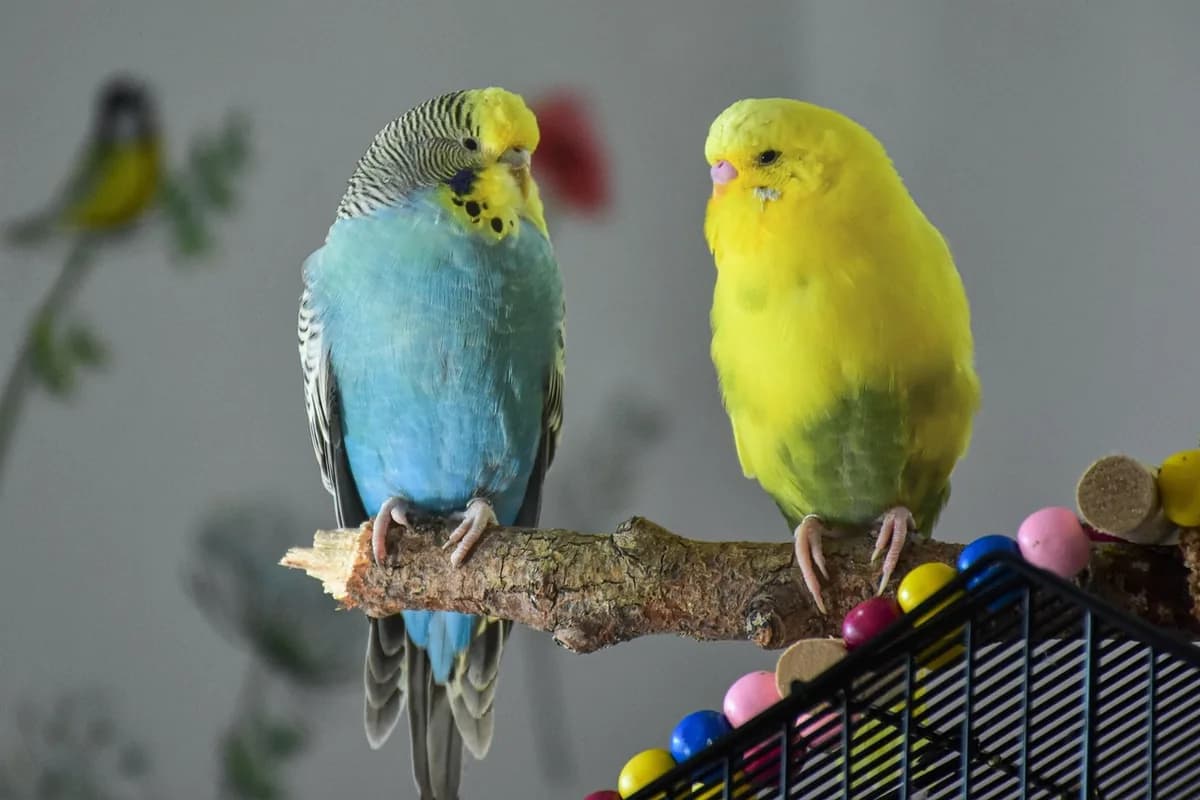
Why the Right Boarding Choice Matters More for Birds
When you plan a trip, leaving your parrot behind can feel harder than leaving any other pet. That instinct is well-founded. Birds are not small dogs with feathers; they are prey animals with a specialized physiology, and the environment you leave them in affects their health in ways that a kennel run never affects a Labrador.
At Bird Sitting Toronto, where we care for hundreds of birds every year, everything we do is built around two facts of avian biology that most boarders overlook. Understanding them will help you choose well, whether you board with us or somewhere else.
They hide how they feel. As prey animals, birds instinctively mask signs of illness — a survival reflex that keeps a wild flock from singling out the weak. Avian veterinary consensus (echoed by VCA Animal Hospitals and Lafeber) is that by the time a bird "looks sick," it has often been unwell for some time. That is why constant, attentive observation, not a twice-daily feeding check, is the single most protective thing a boarder can offer.
They breathe differently. Birds have an extraordinarily efficient respiratory system — flow-through lungs connected to a network of air sacs that pushes fresh air across the gas-exchange surface on both inhale and exhale. The Merck Veterinary Manual and the Association of Avian Veterinarians describe this as far more sensitive to airborne toxins than a mammal's lungs. It is the reason canaries once warned coal miners of bad air, and the reason clean, filtered, stable air is not a luxury for a boarding bird — it is a safety requirement.
Every feature below traces back to one of those two facts.
An In-Home Environment, Not a Facility
Unlike a commercial kennel, BST boards birds inside a warm, quiet, residential home — the same setting most parrots live in. Your bird stays among our own resident flock of 12 birds, so the ambient sounds of contact calls, rustling, and gentle activity feel familiar rather than clinical. For a social flock animal, that background of normal bird life measurably lowers stress compared with a solitary cage in a back room.
A home also means stable temperature. Most companion parrots are comfortable in the range humans keep their homes — roughly 18-24°C (65-75°F) — and are stressed by drafts and sudden swings. A residential thermostat holds that far more reliably than a facility that powers down its heating overnight.
Tip: Birds need 10-12 hours of quiet, dark, uninterrupted sleep for immune function and hormonal balance (Lafeber). A boarding environment that respects a real day-night cycle matters as much as one that respects mealtimes — ask about it.
Daily Updates You Can Actually Count On
Because birds mask illness, seeing your bird every day is genuinely diagnostic, not just reassuring. Every single day of the stay, you receive:
- A custom montage video of your bird's day
- Raw photos and videos of out-of-cage time, eating, playing, and socializing
- Everything delivered by email and posted to your BST client portal
Watching your bird eat, preen, and move each day lets you — and us — catch a fluffed posture, a change in droppings, or reduced appetite early, when it matters most.
Out-of-Cage Time That Reflects Real Welfare Needs
Many boarding operations keep birds caged around the clock. BST provides 4-6 hours of supervised out-of-cage time daily, because movement, foraging, and social contact are core physical and psychological needs for intelligent parrots — not extras. During that time your bird can:
- Explore a dedicated play area with toys and perches
- Interact with people throughout the day
- Work for food through foraging and enrichment
- Settle to calm, gentle background music
Advanced Safety and Air-Quality Technology
This is where the respiratory biology above becomes concrete. BST layers protective technology most homes and kennels do not have:
- AI bird detection monitors overnight and flags a bird out of its cage
- Live temperature and humidity are visible 24/7 on your portal
- Airthings air-quality monitoring tracks CO, VOCs, radon, and PM2.5
- HEPA air filtration runs throughout the boarding space
- Zero escape risk — the boarding room has no exterior doors or windows
Monitoring VOCs and particulates is not overkill for a bird. Overheated non-stick (PTFE/Teflon) cookware, self-cleaning ovens, aerosols, scented candles, and cigarette smoke can release fumes that are rapidly fatal to birds and harmless-seeming to us. Filtered air and active monitoring are the practical answer to that sensitivity.
Warning: Fumes from overheated non-stick cookware (PTFE), along with aerosol sprays, scented products, and smoke, can kill a bird quickly with no warning to people in the room. When you board — or cook at home — keep birds well away from these, and favour spaces with genuine air filtration.
Diet Done to an Avian-Vet Standard
Boarding is easiest on a bird when its diet stays consistent and correct. For most parrots, avian veterinary consensus supports a diet of roughly 75-80% quality pellets, 20-25% fresh vegetable-forward foods, and about 5% seeds or nuts as treats — not a seed bowl. We keep your bird on the diet it arrives on and can maintain species-specific needs:
- Lorikeets require a specialized nectar diet, not pellets, and should avoid high-iron foods
- Eclectus are sensitive to additives and colours and do best on a whole-food, veg-forward diet
- Budgies and cockatiels should still be mostly pellets, but convert slowly, so we lean on vegetables and sprouts
- Finches and canaries keep a quality seed mix as a staple, supplemented with greens and egg food, and stay hands-off
We also avoid the common toxins outright — avocado (persin), chocolate (theobromine), caffeine, alcohol, onion and garlic, fruit pits and apple seeds (cyanogenic compounds), and excess salt. Note that hookbill parrots do not need grit; offering it can cause crop impaction.
Tip: Cockatiels are prone to "night frights" — sudden thrashing in the dark. A small night light and a calm sleep space reduce the risk, which is one more reason a settled home beats a busy facility.
How BST Compares
| What matters | Vet clinic boarding | Commercial kennel | Bird Sitting Toronto |
|---|---|---|---|
| Setting | Cage in a medical ward | Facility run | Warm residential home |
| Out-of-cage time | Minimal | Rare | 4-6 hrs supervised daily |
| Daily updates | On request | Uncommon | Video + photos, every day |
| Air quality | Clinical | Variable | HEPA + Airthings monitoring |
| Escape safety | Varies | Varies | No exterior doors/windows |
| Who is watching | Staff on rounds | Staff on rounds | Experienced bird people, all day |
Questions to Ask Any Bird Boarder
Even if you never book with us, use this checklist before you hand over your bird:
- How many hours of out-of-cage time will my bird actually get?
- Will you keep my bird on its current diet, and can you handle its species' needs?
- How is the air kept clean, and are toxin sources (non-stick cookware, aerosols, smoke) kept away?
- What happens if my bird stops eating or looks unwell — and who is your avian vet?
- Will I see my bird daily, and how?
- How do you prevent escapes and monitor overnight?
A Proven, Personal Track Record
With over 1,000 birds boarded from across the Greater Toronto Area, BST pairs professional-grade monitoring and safety with the personal touch of experienced bird owners who genuinely love every bird that comes through the door. Our Google and Trustpilot reviews reflect that combination.
Choosing a boarder is really choosing who understands your bird's biology and respects it. That is the standard we hold ourselves to every single day.
Explore related topics
Related Articles
How to Find a Good Bird Sitter: What to Look for and Red Flags
Leaving your bird with someone is nerve-wracking. Here's how to find a sitter you can actually trust.
Preparing Your Parrot for Boarding: A Complete Checklist
Planning to travel? Proper preparation makes boarding stress-free for your bird. Here's your complete checklist.
Bird Boarding Drop-Off Checklist: What to Bring to BST
Use this complete checklist to prepare for your bird's boarding stay at BST, including food, medication, toys, and vet records.