Bird Boarding Drop-Off Checklist: What to Bring to BST
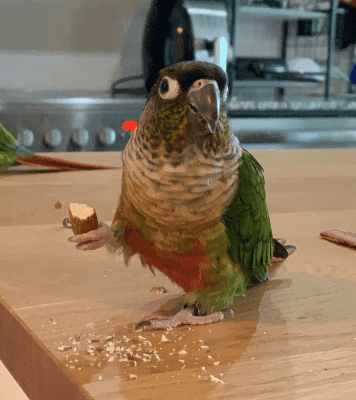
Your Bird's Boarding Drop-Off Checklist
Handing your bird off for a boarding stay is a small act of trust, and a little preparation makes the whole thing smoother for everyone — your bird most of all. At Bird Sitting Toronto, where we board hundreds of birds every year, the smoothest drop-offs are almost always the ones where the owner packed thoughtfully and told us exactly how their bird likes to live. Use the checklist below to gather everything the night before, and read on for the details that keep your bird eating well, medicated correctly, and comfortable from the moment they arrive.
The Quick Checklist
Pack these and you are ready for drop-off day:
- Your bird's cage (unless you are renting one from BST — then just bring a carrier)
- Enough of your bird's regular food for the full stay, plus a few buffer days
- Any medication, clearly labelled, with written dosing instructions
- A few favourite toys or comfort items (optional, but they help)
- A carrier for safe transport (strongly recommended, especially with a large cage)
- A cover or blanket for the carrier in winter, to guard against cold
- Up-to-date vet records (required if your bird will share out-of-cage time with others)
Tip: Assemble everything the evening before and set it by the door. A calm, unhurried drop-off keeps your bird calmer too — birds read your stress the way they read the weather.
Packing Your Bird's Food
The single most important food rule is this: pack what your bird already eats. Boarding is not the time to switch diets or introduce a new brand of pellet. A sudden change can put a bird off its food entirely, and a bird that stops eating is a bird that can lose condition fast. Bring their normal staple, their usual fresh offerings, and clearly labelled portions so we can keep the routine exactly as it is at home.
Use this quick reference to gauge whether your bird's everyday diet is on track before you pack it. It reflects current avian veterinary consensus on how most companion birds should eat.
| Bird type | Everyday staple | Fresh foods | Treats | Notes |
|---|---|---|---|---|
| Most parrots (greys, amazons, conures, macaws, cockatoos) | Pellets, ~75-80% | Veg-forward chop & greens, ~20-25% | Seeds & nuts, ~5% | Nuts are training treats, not a meal |
| Budgies & cockatiels | Mostly pellets | Veg & sprouts | Small seed portion | Convert slowly; push veg and sprouted seed |
| Eclectus | Pellets + heavy fresh | Veg-forward, whole foods | Fruit in moderation | Additive-sensitive; avoid artificial colours & preservatives |
| Lorikeets & lories | Specialized nectar diet | Soft fruit & pollen | — | No pellet-based staple; avoid high-iron foods |
| Finches & canaries | Quality seed mix | Greens & egg food | Millet spray | Hands-off passerines; add pellets and greens |
If your bird eats a fresh chop, fruits, or vegetables, tell us the specifics and we can supplement with fresh offerings during the stay. Label every bag with your bird's name and the feeding instructions — amounts and times — so there is no guesswork.
Warning: Never pack — and never let a bird near — these foods: avocado (persin), chocolate (theobromine), caffeine, alcohol, onion and garlic, fruit pits and apple seeds (cyanogenic compounds), heavily salted foods, uncooked beans, and mushrooms. Hookbill parrots also do not need grit; unlike some seed-eating passerines, they shell their seeds, and offered grit can cause crop impaction. When in doubt, leave it out.
Medication and Health Notes
If your bird is on any medication, we want to give it exactly as your avian vet prescribed — no more, no less. To make that possible, please provide:
- The medication itself, in its original container with clear labelling
- Written dosing instructions: the amount, how often, and how to administer it (in water, on food, by beak syringe)
- Your avian vet's name and phone number, in case a question comes up mid-stay
- Any known allergies, sensitivities, or ongoing health conditions we should watch for
Put it all in writing rather than relying on a verbal handoff at the door — drop-offs are busy, and a labelled note travels with your bird's file.
Note: Medication administration may incur an additional charge. BST also reserves the right to decline boarding for birds with serious or contagious illnesses, to protect every bird in our care.
Vet Records and Health Requirements
Because boarding birds may share supervised out-of-cage time, we ask for proof of health so one bird's illness never becomes another's.
- Domesticated birds: Up-to-date vet records from within the last year are required if your bird will interact with others during out-of-cage time.
- Wild-caught or rescue birds: Viral testing is required before boarding, to safeguard the health of the whole flock in our care.
- Not sure of your bird's status? Contact Samantha before you book so we can sort it out early rather than at the door.
If you do not yet have an avian vet, the Association of Avian Veterinarians maintains a public "Find a Vet" directory, and a bird-savvy clinic is worth the drive — general small-animal practices often are not equipped for avian medicine.
Toronto Winters and the Cold-Chill Rule
A Toronto January can turn a five-minute walk from the door to the car into a genuine chill for a tropical species. Most companion birds are comfortable in roughly the same range people are — about 18 to 26 degrees Celsius (65 to 80 Fahrenheit) — and a fast drop below that stresses them.
For a winter drop-off, warm your car before your bird ever leaves the house, and drape a cover or blanket over the carrier for the trip. A hard-sided carrier holds warmth and shields against wind far better than an open cage or a flimsy travel box. Avoid parking your bird next to a blasting heater vent, too — swinging between cold and hot air is its own kind of stress. The goal is a steady, draft-free ride from your door to ours.
Comfort Items and Toys
A couple of familiar toys or a well-loved perch cover can make a strange room feel a little more like home. They are optional, but for a bird that bonds hard to its objects, that scrap of the familiar smooths the transition. Send items that are clean, undamaged, and safe — nothing with frayed rope a beak could tangle in, and nothing so precious you would be heartbroken if it came home well-chewed.
Before You Arrive: Message Samantha
The best boarding stays start before drop-off day. Message or email Samantha your bird's care details ahead of time — diet, medication, quirks, favourite words, and anything that spooks or soothes them. That way nothing gets lost in a busy handoff and we can have everything ready for your bird's arrival.
Tip: A short "about my bird" note goes a long way: what they eat and when, how they take medication, their normal droppings and mood, and the one thing that always calms them down.
Facility Tours
BST does not offer in-person facility tours. All interactions at drop-off and pick-up take place on the main floor or in the driveway area, which keeps the boarding space calm and low-stress for the birds already settled in. To see where your bird will stay, watch our introductory video on YouTube or browse the other facility walkthrough videos on our channel — you will get a real feel for the space without the disruption a tour would bring.
Explore related topics
Related Articles
How to Find a Good Bird Sitter: What to Look for and Red Flags
Leaving your bird with someone is nerve-wracking. Here's how to find a sitter you can actually trust.
Preparing Your Parrot for Boarding: A Complete Checklist
Planning to travel? Proper preparation makes boarding stress-free for your bird. Here's your complete checklist.
The Complete Bird Boarding Packing List
A room-by-room packing guide for bird boarding, covering species-appropriate food, medications, comfort items, safe winter transport, and the documentation your sitter actually needs.