How to Find a Good Bird Sitter: What to Look for and Red Flags
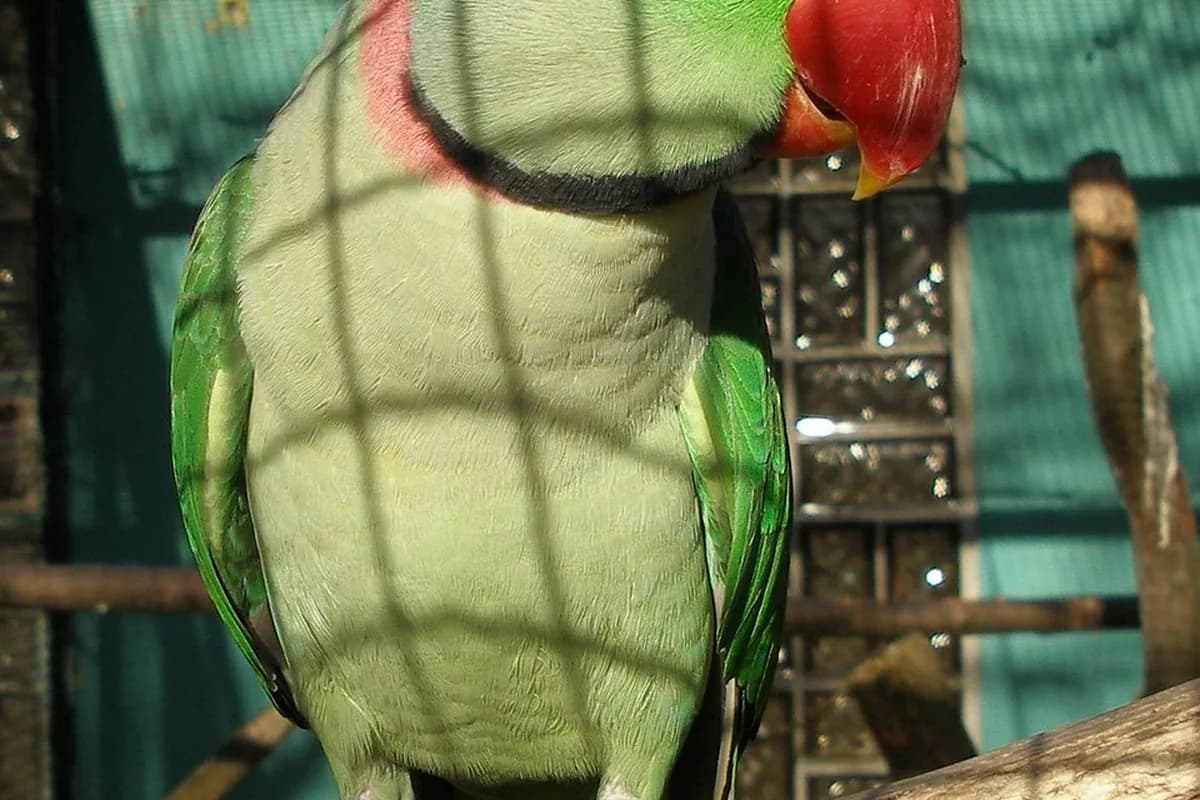
Finding the Right Care for Your Feathered Friend
Leaving your bird with someone else can feel overwhelming — and honestly, it should feel that way. Your bird isn't just a pet; they're a family member with specific needs, quirks, and a bond with you that took time to build. The good news is that with the right preparation and knowledge, you can find excellent care that gives you peace of mind and keeps your bird happy and healthy.
In our experience boarding over 1,000 birds at BST, we've learned that the best bird care comes down to three things: genuine avian experience, attention to detail, and a real understanding that birds aren't just "small dogs with wings." Whether you choose professional boarding, an in-home pet sitter, or family care, knowing what to look for will help you make the right choice for your bird.
Your Bird Care Options: Understanding the Landscape
Professional Bird Boarding Facilities
Professional boarding facilities like Bird Sitting Toronto specialize exclusively in avian care. These facilities typically offer dedicated bird environments, staff trained specifically in bird behavior and health, and protocols designed around birds' unique needs.
The main advantage here is specialization. When a facility focuses solely on birds, they understand things like the importance of maintaining routine, recognizing subtle health changes, and creating an environment that reduces stress for sensitive species.
In-Home Pet Sitters
In-home pet sitters come to your house to care for your bird in their familiar environment. This can be ideal for birds who are extremely bonded to their territory or have complex medical needs that require specific setups.
The key with pet sitters is finding someone with genuine bird experience — not just general pet experience. We see this distinction matter enormously in the quality of care.
Friends and Family
Sometimes a trusted friend or family member is your best option, especially if they know your bird well. While they might not have professional training, their familiarity with your specific bird can be invaluable.
What to Look for in a Professional Boarding Facility
Genuine Avian Experience and Expertise
Here's the thing — caring for birds requires specific knowledge that doesn't translate from other pets. Look for facilities where the staff can discuss bird behavior, recognize species-specific needs, and understand avian body language.
At BST, our team undergoes extensive training in bird behavior, health monitoring, and species-specific care requirements. We should be able to answer detailed questions about your bird's species and demonstrate understanding of their unique needs.
Pro Tip: Ask specific questions about your bird's species during your consultation. A quality facility should know the difference between caring for a cockatiel versus a macaw, or understand why certain species need different social interaction levels.
Comprehensive Facility Tour
Any reputable boarding facility should offer — and encourage — a thorough tour. You should see where your bird will stay, meet the staff, and observe the daily operations.
During your tour, look for:
- Clean, well-maintained bird areas with proper ventilation
- Appropriate cage sizes and setups
- Quiet areas for rest and louder areas for social time
- Emergency equipment and first aid supplies
- How they separate birds safely (no shared airspace between unknown birds)
Warning: If a facility won't let you tour their bird areas or seems hesitant to show you around, that's a major red flag. Transparency should be standard.
Health Protocols and Veterinary Relationships
Strong health protocols aren't just nice to have — they're essential. Look for facilities with:
- Established relationships with avian veterinarians
- Clear protocols for health emergencies
- Requirements for health checks before boarding
- Detailed health monitoring during stays
- Proper quarantine procedures for new birds
At BST, we maintain relationships with several avian vets and have clear emergency protocols that we review with every client. Your bird's health information should be easily accessible to staff at all times.
Customized Feeding and Care Plans
Every bird has different dietary needs, preferences, and routines. A quality facility should accommodate your bird's specific requirements, not force them into a one-size-fits-all approach.
Look for willingness to:
- Follow your exact feeding schedule and diet
- Accommodate special dietary needs or medications
- Maintain your bird's specific routines
- Provide the social interaction level your bird is used to
Proper Cage Standards and Environment
The physical environment matters enormously for bird comfort and safety. Cages should be appropriately sized for each species, properly cleaned between guests, and set up to minimize stress.
Quality facilities maintain different cage sizes for different birds, understand perch placement and toy safety, and create environments that feel secure rather than chaotic.
What to Look for in an In-Home Pet Sitter
Specific Bird Experience
This cannot be overstated — bird experience is different from general pet experience. Look for sitters who can demonstrate they understand bird behavior, recognize signs of illness, and handle birds safely.
Ask potential sitters about:
- Their experience with your specific species
- How they would handle common bird behaviors (screaming, biting, territorial behavior)
- What they would do if your bird seemed unwell
- Their comfort level with basic bird handling
Strong References and Reviews
Always check references, particularly from other bird owners. Bird people tend to be very honest about care quality, so their recommendations carry weight.
Look for references that specifically mention bird care, not just general pet sitting. The skills don't always transfer.
Emergency Preparedness
Your pet sitter should have a clear plan for emergencies, including:
- Contact information for your avian vet
- Understanding of when to seek emergency care
- Your emergency contact information
- Basic first aid knowledge for birds
Important: Make sure your sitter knows that birds hide illness well and understands the subtle signs that indicate a vet visit is needed.
Major Red Flags to Avoid
No Avian-Specific Experience
If someone claims they can care for your bird because they're "good with animals" but has never actually cared for birds, proceed with extreme caution. Birds have unique needs that don't translate from dogs, cats, or other pets.
Overcrowding or Too Many Birds Per Caretaker
Be wary of facilities or sitters taking on more birds than they can properly monitor. In our experience, quality care requires adequate staff-to-bird ratios to ensure each bird gets appropriate attention and monitoring.
Lack of Veterinary Protocols
Any professional bird care provider should have established relationships with avian vets and clear emergency protocols. If they seem vague about what happens if your bird gets sick, that's a serious concern.
Unwillingness to Accommodate Your Bird's Needs
Flexibility in feeding, scheduling, and care routines isn't a luxury — it's necessary for good bird care. Providers who insist on rigid, one-size-fits-all approaches often don't understand bird care well enough.
Poor Communication or Transparency
If a provider is difficult to reach, vague about their experience, or reluctant to answer detailed questions, trust your instincts. Good bird care requires clear communication and transparency.
Comparing Your Options
| Factor | Professional Boarding | In-Home Pet Sitter | Friends/Family |
|---|---|---|---|
| Avian Expertise | High (specialized staff) | Varies widely | Usually limited |
| Familiar Environment | No (new environment) | Yes (your home) | Depends on location |
| Emergency Preparedness | Excellent (established protocols) | Depends on individual | Usually limited |
| Cost | Moderate to high | Moderate | Usually low/free |
| Flexibility | High (customized care plans) | High (one-on-one attention) | Varies |
| Social Interaction | Controlled (staff trained in bird behavior) | Depends on sitter's comfort level | Depends on person's bird knowledge |
| Peace of Mind | High (professional standards) | Depends on sitter's experience | Varies widely |
Making Your Decision
The right choice depends on your bird's specific needs, your budget, and what's available in your area. Some birds thrive with the routine and specialized care of professional boarding, while others do better staying in familiar surroundings with a trusted sitter.
Here's what we recommend: start your search early, ask lots of questions, and trust your instincts. If something feels off during your consultation or tour, keep looking. Your bird's safety and your peace of mind are worth the extra effort to find the right fit.
Final Thoughts
Finding good bird care isn't just about finding someone to keep your bird alive while you're away — it's about finding someone who understands that your bird is a complex, intelligent creature with specific needs and preferences. Whether you choose professional boarding, an in-home sitter, or family care, the key is finding someone who respects your bird's uniqueness and has the knowledge to provide appropriate care.
Take your time, ask questions, and don't settle for "good enough." Your bird deserves excellent care, and you deserve the peace of mind that comes with knowing they're in capable, caring hands.
Explore related topics
Related Articles
Preparing Your Parrot for Boarding: A Complete Checklist
Planning to travel? Proper preparation makes boarding stress-free for your bird. Here's your complete checklist.
Bird Boarding Drop-Off Checklist: What to Bring to BST
Use this complete checklist to prepare for your bird's boarding stay at BST, including food, medication, toys, and vet records.
The Complete Bird Boarding Packing List
A room-by-room packing guide for bird boarding, covering species-appropriate food, medications, comfort items, safe winter transport, and the documentation your sitter actually needs.