Preparing Your Parrot for Boarding: A Complete Checklist
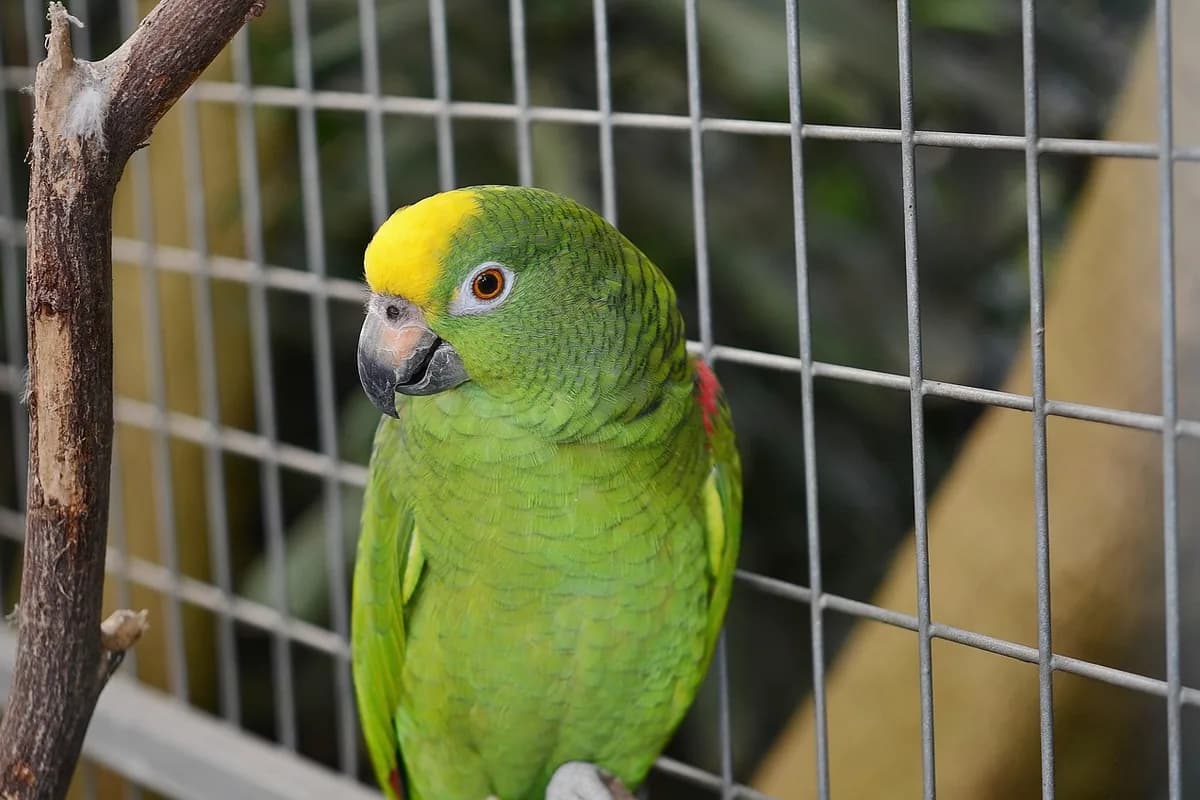
Making Your Parrot's First Boarding Experience a Success
Leaving your beloved parrot with someone else can feel overwhelming. Whether it's a vacation, work trip, or family emergency, the thought of your feathered friend being away from home naturally brings up concerns. The good news is that with proper preparation, boarding can actually be a positive experience for your bird — and give you peace of mind knowing they're in capable hands.
In our experience boarding over 1,000 birds at Bird Sitting Toronto, we've seen how the right preparation makes all the difference. A well-prepared bird settles in faster, eats better, and often enjoys the social stimulation of a professional boarding environment. Here's everything you need to know to set your parrot up for success.
Choosing the Right Boarding Facility
Not all boarding facilities are created equal, especially when it comes to parrots. Birds have unique needs that require specialized knowledge and experience.
What to Look For
Avian Experience: The facility should have extensive experience with parrots specifically. Birds aren't just "small dogs" — they require understanding of their behavior, dietary needs, and stress signals.
Clean, Safe Environment: Look for spotless facilities with proper ventilation, appropriate lighting, and secure enclosures. The space should feel calm and organized, not chaotic or overwhelming.
Qualified Staff: Ask about staff training and experience. At BST, our team includes certified avian care specialists who understand everything from proper handling techniques to recognizing early signs of illness.
Emergency Protocols: Ensure they have relationships with avian veterinarians and clear procedures for medical emergencies.
Essential Questions to Ask
Before booking, have a conversation with the facility. Here are the key questions we recommend:
- How many birds do you board simultaneously?
- What's your staff-to-bird ratio?
- How do you handle birds with special dietary needs?
- What's your policy if a bird becomes ill?
- Can you accommodate my bird's specific routine?
- How often will my bird receive out-of-cage time?
- What safety measures do you have in place?
The Importance of a Tour
Never book sight unseen. A reputable facility will welcome tours and be proud to show off their space. During your visit, observe:
- How staff interact with the birds
- Cleanliness and organization
- The overall atmosphere (calm vs. stressful)
- Security measures and cage setups
- Whether birds seem comfortable and well-cared for
Pro Tip: Visit during a busy time to see how the facility operates under normal conditions, not just during a quiet moment.
Pre-Boarding Health Requirements
Most professional boarding facilities require recent health documentation — and for good reason. This protects all the birds in their care.
Veterinary Checkup
Schedule a wellness exam within 30 days of boarding. Your vet will check for:
- Overall health status
- Weight and body condition
- Signs of illness that might not be obvious
- Current vaccination status
- Any behavioral or dietary concerns
Testing Requirements
Many facilities require recent testing for common avian diseases. At BST, we require:
- Psittacosis (Chlamydia) testing within the past year
- Polyomavirus testing for younger birds
- PBFD (Psittacine Beak and Feather Disease) testing
These tests protect the entire bird community and ensure your parrot isn't exposed to preventable illnesses.
What to Bring: The Essential Packing List
Proper preparation means bringing the right items to help your bird feel at home.
Food and Feeding Supplies
Bring Their Regular Food: Never switch diets right before boarding. Bring enough of their regular pellets, seeds, and any special treats for the entire stay, plus a few extra days' worth.
Feeding Instructions: Write down exactly how much and when your bird eats. Include details like "prefers pellets in the morning, vegetables at lunch."
Special Dietary Needs: If your bird takes supplements or has specific dietary restrictions, provide clear instructions and pre-measured portions when possible.
Comfort Items and Toys
Familiar Toys: Bring 2-3 of their favorite toys, but avoid anything too precious in case of damage. Familiar items provide comfort in a new environment.
Comfort Objects: A favorite perch, small blanket, or even a piece of your clothing can help ease the transition.
Entertainment: If your bird has a favorite type of music or specific enrichment activities, let the facility know.
Cage Considerations
This depends on your facility's setup. At BST, we provide spacious, clean cages for all our guests, but some birds do better with their own familiar space. Discuss this with your chosen facility.
If bringing your own cage:
- Ensure it's thoroughly cleaned
- Remove any damaged or unsafe components
- Include setup instructions if it's complex
Creating a Detailed Care Sheet
The more information you provide, the better care your bird will receive. Create a comprehensive care sheet including:
Daily Routine
- Wake-up and bedtime schedule
- Feeding times and amounts
- Out-of-cage time preferences
- Exercise and play routines
Behavioral Notes
- Personality quirks and preferences
- Things that stress or frighten your bird
- Favorite activities and interactions
- Any behavioral challenges
Emergency Contacts
- Your contact information
- Your avian veterinarian's details
- Emergency contact if you're unreachable
Important: Include both routine preferences and absolute requirements. For example, "Prefers vegetables in the morning but must have pellets available all day."
Transition Tips for First-Time Boarders
If this is your bird's first boarding experience, consider these strategies:
Trial Runs
Schedule a short stay (even just a few hours) before your longer trip. This helps your bird acclimate and gives you confidence in your choice.
Gradual Introduction
Some facilities offer "meet and greet" sessions where your bird can visit the space and meet the staff before their stay.
Timing Considerations
If possible, avoid boarding during particularly stressful times (molting season, recent household changes, etc.).
Communication During Your Trip
Staying connected helps both you and your bird.
Updates and Photos
At BST, we provide daily updates and photos so you can see how your bird is doing. Ask your facility about their communication policy.
Emergency Protocols
Ensure you're reachable and that the facility has clear instructions about what level of medical care you authorize.
When to Call
Don't hesitate to check in if you have concerns, but also trust the professionals. Frequent calls can sometimes increase your anxiety rather than reduce it.
Pickup Day and Readjustment
The boarding experience doesn't end when you arrive for pickup.
What to Expect
Your bird might seem tired, excited, or even a bit standoffish initially. This is normal — they're processing the experience and readjusting to seeing you.
Homecoming Tips
- Keep the first day low-key
- Maintain normal routines as much as possible
- Don't be surprised if they're extra clingy or seem a bit different for a day or two
- Watch for any changes in appetite or behavior that persist beyond 48 hours
Follow-Up Care
Monitor your bird closely for the first week home. While serious issues are rare with reputable facilities, it's always wise to watch for any changes in health or behavior.
Final Thoughts
Preparing your parrot for boarding takes effort, but it's worth it for the peace of mind it provides. A well-prepared bird in a quality facility often thrives during their stay, sometimes even learning new behaviors or becoming more social.
Remember, the goal isn't just safe care — it's ensuring your bird feels secure and comfortable while you're away. With proper preparation, clear communication, and the right facility, boarding can be a positive experience for everyone involved.
The key is starting your preparation early, asking the right questions, and choosing a facility that truly understands parrots. Your feathered friend deserves nothing less than the best care, whether at home or away.
Explore related topics
Related Articles
How to Find a Good Bird Sitter: What to Look for and Red Flags
Leaving your bird with someone is nerve-wracking. Here's how to find a sitter you can actually trust.
Bird Boarding Drop-Off Checklist: What to Bring to BST
Use this complete checklist to prepare for your bird's boarding stay at BST, including food, medication, toys, and vet records.
The Complete Bird Boarding Packing List
A room-by-room packing guide for bird boarding, covering species-appropriate food, medications, comfort items, safe winter transport, and the documentation your sitter actually needs.