Understanding Parrot Vocalizations: A Complete Guide to Every Sound
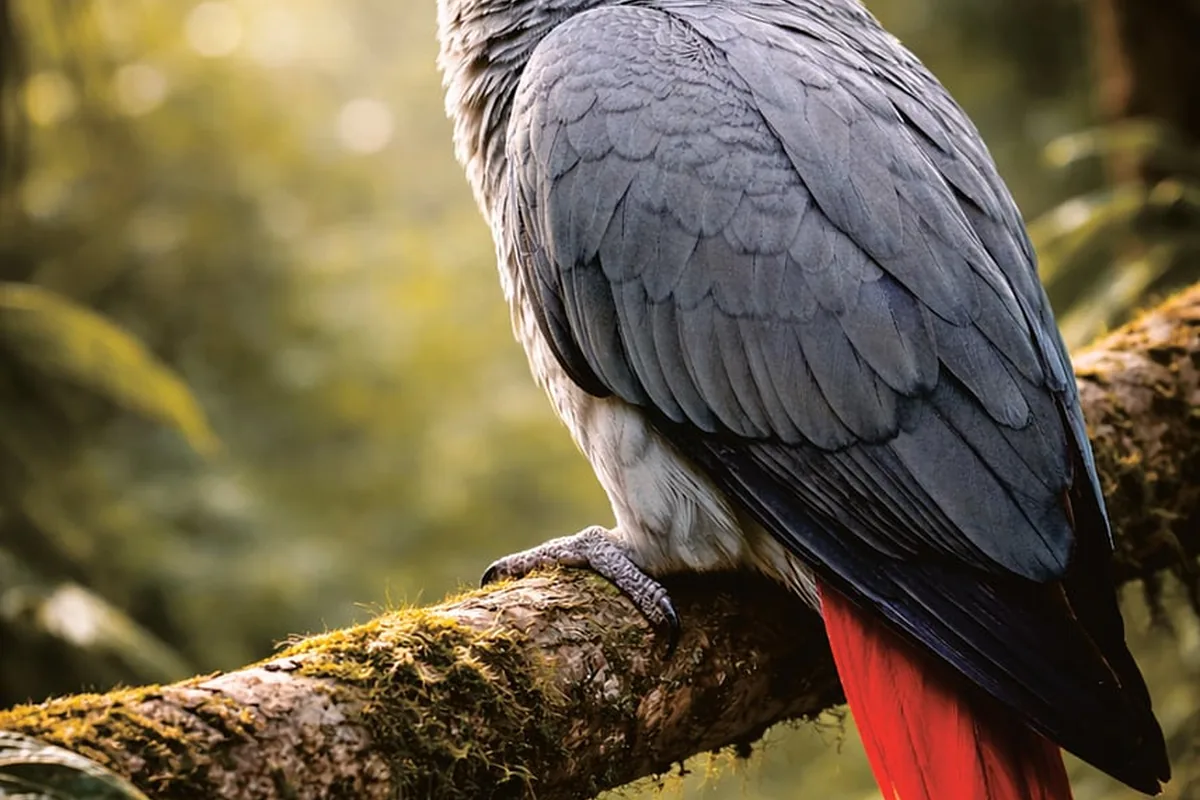
Decoding Your Parrot's Language: What Every Sound Really Means
Your parrot has been trying to tell you something all day, but do you know what they're actually saying? After boarding over 1,000 birds at Bird Sitting Toronto, we've learned that understanding parrot vocalizations is like having a translator for your feathered friend's emotions, needs, and thoughts.
The thing is, parrots are incredibly sophisticated communicators. In the wild, their survival depends on a complex system of calls that convey everything from "I'm here!" to "Danger approaching!" Your pet parrot has retained these same vocal instincts, and learning to interpret them will transform your relationship with your bird.
Let's break down every sound your parrot makes and what they're really trying to tell you.
The Morning and Evening Chorus
What It Sounds Like
Loud, repetitive calling that happens at dawn and dusk — often the most ear-piercing sounds your bird makes all day.
What It Means
This is pure instinct. In the wild, parrots gather at communal roosts and call to each other at sunrise and sunset to confirm everyone's safe and accounted for. Your bird is essentially taking attendance of their flock (that's you and your family).
How to Respond
Don't try to stop this behavior — it's completely natural and healthy. Instead, acknowledge your bird with a gentle "Good morning" or "Good evening" call back. Many of our boarding clients find that responding briefly actually shortens the calling session because their bird feels heard.
Pro Tip: If the morning chorus is too early for your household, gradually adjust your bird's light exposure to shift their internal clock by 15-30 minutes later.
Contact Calls: "Where Are You?"
What It Sounds Like
Repeated calls when you leave the room, often getting louder and more insistent if you don't respond.
What It Means
Your parrot is checking in with their flock. In the wild, parrots stay in vocal contact even when they can't see each other. When you disappear from sight, your bird genuinely doesn't know if you're safe or if you're coming back.
How to Respond
Call back! A simple "I'm here" or "I'm in the kitchen" reassures your bird that you're safe and haven't abandoned them. We see this work beautifully with our boarding birds — they settle much faster when we maintain vocal contact.
Happy Chirps and Chatter
What It Sounds Like
Soft, musical chirping, often accompanied by head bobbing or gentle movement. May include quiet babbling or practicing words.
What It Means
This is contentment in action. Your bird feels secure, comfortable, and engaged. Happy birds often chirp while eating, playing, or just enjoying their environment.
How to Respond
Enjoy it! You can chirp back softly or just let your bird know you appreciate their good mood with gentle praise. This is the sound of a well-adjusted parrot.
Alarm Calls: "Danger!"
What It Sounds Like
Sharp, piercing calls that are distinctly different from regular vocalizations — often accompanied by alert body language.
What It Means
Your bird has spotted something they perceive as threatening. This could be anything from a hawk outside to an unfamiliar person at the door, or even something as simple as a new object in their environment.
How to Respond
Take it seriously but stay calm. Check what's causing the alarm, reassure your bird with a calm voice, and remove or address the perceived threat if possible. Never punish alarm calling — it's an important safety behavior.
Important: Learn your bird's alarm call. It's different from attention-seeking screaming and could alert you to real dangers like gas leaks, intruders, or other pets in distress.
Screaming: The Complicated One
What It Sounds Like
Loud, often harsh vocalizations that can seem to go on forever.
What It Means
This is where it gets tricky. Screaming can mean several different things:
- Attention-seeking: "Look at me! Interact with me!"
- Excitement: "Something amazing is happening!"
- Boredom: "I need something to do!"
- Frustration: "I want something I can't have!"
- Overstimulation: "This is too much!"
How to Respond
The key is figuring out the cause:
- For attention-seeking: Ignore the screaming completely, then give attention when your bird is quiet
- For excitement: Let them express it briefly, then redirect to a toy or activity
- For boredom: Provide enrichment activities and rotate toys regularly
- For frustration: Identify and address the source of frustration
- For overstimulation: Reduce environmental stimuli and provide a calm space
Warning: Never yell back at a screaming parrot. To them, you're just joining in the fun, which reinforces the behavior.
Growling and Hissing: "Back Off!"
What It Sounds Like
Low, throaty growls or sharp hissing sounds, often with fluffed feathers and an aggressive posture.
What It Means
This is your bird's clear warning that they feel threatened, territorial, or want to be left alone. It's actually polite communication — they're giving you fair warning before escalating to biting.
How to Respond
Respect the warning immediately. Back away, give your bird space, and try to identify what's causing their distress. Don't force interaction when your bird is clearly saying no.
Beak Clicking: Pure Contentment
What It Sounds Like
Soft clicking sounds made by gently tapping the upper and lower beak together.
What It Means
This is one of the most positive sounds your parrot can make. It indicates complete relaxation and contentment — often seen before sleep or during quiet bonding time.
How to Respond
Consider it a compliment! Your bird feels safe and happy. You can click back softly or just enjoy the peaceful moment together.
Purring: The Cockatiel Special
What It Sounds Like
A soft, vibrating sound similar to a cat's purr, most commonly heard in cockatiels.
What It Means
Deep relaxation and happiness. Cockatiels often purr when being petted, when settling down for sleep, or when feeling particularly content.
How to Respond
Keep doing whatever you're doing! This is your cockatiel's way of saying "This is perfect." Gentle head scratches often encourage more purring.
Tongue Clicking and Kissing Sounds
What It Sounds Like
Sharp clicking sounds made with the tongue, or kissing/smooching noises.
What It Means
Often playful communication or mimicry of sounds they've learned. Some birds use these sounds to get attention or as part of their learned vocabulary.
How to Respond
You can click or kiss back — many birds enjoy this interactive game. It's a fun way to bond with your parrot.
Muttering and Practice Sessions
What It Sounds Like
Quiet babbling, often barely audible, where birds seem to be practicing words or sounds to themselves.
What It Means
Your bird is literally practicing speech! This quiet rehearsal is how they perfect new words and sounds before "performing" them clearly.
How to Respond
Don't interrupt these practice sessions. You can listen quietly and occasionally offer gentle encouragement, but let your bird work through their vocal exercises.
Reading the Context
Here's the thing that many bird owners miss: context is everything. The same vocalization can mean different things depending on:
- Time of day: Morning calls vs. evening calls
- Body language: Relaxed posture vs. alert stance
- Recent events: Changes in routine or environment
- Your bird's personality: Some are naturally more vocal than others
Final Thoughts
Understanding your parrot's vocalizations is an ongoing conversation, not a one-time lesson. Every bird has their own vocal personality, and you'll learn the subtle differences in your particular parrot's communication style over time.
The most important thing to remember is that vocalizations are your bird's primary way of communicating with you. When you take the time to listen and respond appropriately, you're building trust and strengthening your bond. Your parrot will feel heard, understood, and more secure in their relationship with you.
At Bird Sitting Toronto, we see the difference this understanding makes every day. Birds whose owners "speak their language" are consistently happier, more confident, and better adjusted. So start listening — your parrot has been waiting to have a real conversation with you all along.
Explore related topics
Related Articles
Do Parrots Understand What They Say? The Science Is Surprising
Is your parrot just mimicking or do they actually understand? The research says it's more complex than simple mimicry.
How to Stop My Parrot from Screaming: A Step-by-Step Plan
Your parrot's screaming is driving you crazy. This structured plan addresses the root cause, not just the symptom.
Teaching Your Parrot to Whistle Tunes: A Fun Training Guide
Cockatiels are famous for it, but many species can learn tunes. Here's how to teach your bird to whistle your favorite song.