Understanding Parrot Dust and Dander: Managing Feather Debris
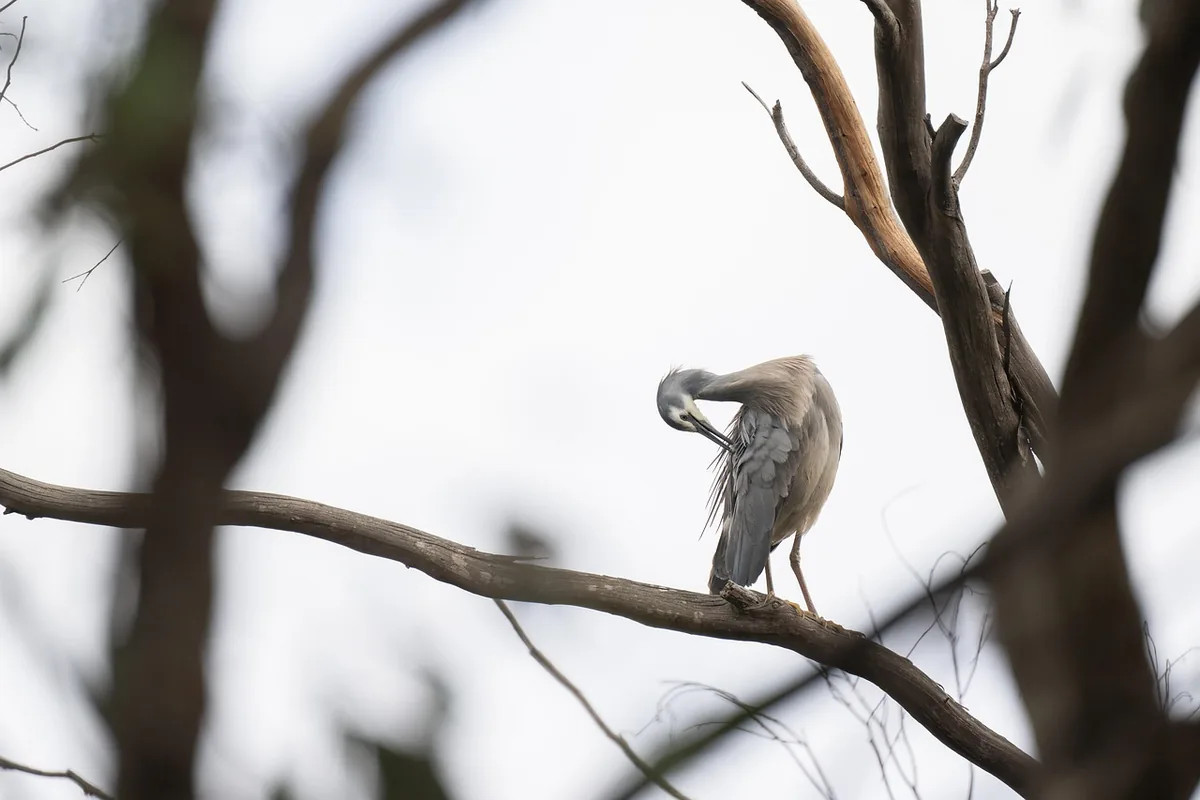
The Reality of Living with Feathered Dust Makers
If you've ever wondered why your furniture seems perpetually coated in a fine white powder after getting a parrot, you're not imagining things. That mysterious dust covering your black TV stand isn't just regular household dust — it's a unique byproduct of sharing your home with these magnificent birds. Understanding what this dust is, where it comes from, and how to manage it effectively is crucial for both your health and your bird's wellbeing.
Let's dive into the fascinating (and sometimes frustrating) world of parrot dust and dander, and more importantly, how to live harmoniously with it.
Understanding the Difference: Feather Dust vs. Dander
Many bird owners use these terms interchangeably, but they're actually two different things that combine to create that fine coating you're constantly cleaning.
Feather dust comes from specialized feathers called powder down feathers. These unique feathers continuously grow and break down into an ultra-fine powder that helps waterproof and condition your bird's other feathers. Think of it as nature's built-in feather conditioner — your bird is essentially giving itself a spa treatment 24/7.
Dander, on the other hand, consists of microscopic skin flakes that naturally shed as your bird's skin renews itself, just like humans shed dead skin cells. This is completely normal and happens with all birds, regardless of species.
The combination of these two creates what we commonly call "bird dust," and some species are significantly more prolific producers than others.
The Dust Champions: Which Birds Produce the Most
In our experience boarding over 1,000 birds at BST, we've learned that not all parrots are created equal when it comes to dust production. Here's the breakdown:
Extreme Dust Producers
Cockatoos are the undisputed champions of dust production. These beautiful birds have an abundance of powder down feathers, which means they're constantly producing clouds of fine white powder. If you own a cockatoo, you know that dusting becomes a daily ritual, not a weekly chore.
Significant Dust Producers
African Greys come in at a strong second place. While they don't quite reach cockatoo levels, they still produce substantial amounts of feather dust that can coat surfaces within days of cleaning.
Notable Dust Producers
Cockatiels produce moderate amounts of dust — enough that you'll notice it, but not so much that it becomes overwhelming. Their smaller size means less overall dust volume compared to their larger cousins.
Light Dust Producers
Most other parrot species, including macaws, conures, and Amazon parrots, produce minimal amounts of feather dust. You'll still get normal dander, but the powder down component is much less noticeable.
Important: Even "low-dust" birds still produce dander and some feather debris, so management strategies are beneficial for all bird owners.
Health Impacts on Humans: When Bird Dust Becomes a Problem
While most people can live comfortably with bird dust, some individuals may develop sensitivity over time. The most serious condition to be aware of is bird keeper's lung, also known as hypersensitivity pneumonitis.
Recognizing Bird Keeper's Lung
This condition develops when your immune system becomes hypersensitive to bird proteins found in dust and dander. Symptoms can include:
- Persistent dry cough
- Shortness of breath, especially during physical activity
- Chest tightness
- Fatigue
- Flu-like symptoms that improve when away from birds
Warning: If you experience persistent respiratory symptoms that seem related to time spent around your bird, consult a healthcare provider immediately. Early intervention is crucial.
Who's at Higher Risk
Certain factors increase your likelihood of developing sensitivity:
- Pre-existing respiratory conditions like asthma
- Prolonged exposure to high dust levels
- Poor ventilation in living spaces
- Compromised immune system
The good news is that proper management can significantly reduce your risk while still allowing you to enjoy life with your feathered friend.
Impact on Other Birds: Multi-Species Households
Here's something many people don't consider: if you have multiple bird species, the high dust production from cockatoos or African Greys can actually cause respiratory irritation in other birds. We see this occasionally at BST when boarding birds from multi-species households.
Birds with sensitive respiratory systems, particularly finches, canaries, and other small species, may show signs of irritation when housed near heavy dust producers. Signs to watch for include:
- Increased sneezing or head shaking
- Tail bobbing while breathing
- Changes in vocalization patterns
- Reduced activity levels
Pro Tip: If you have both high-dust and low-dust bird species, consider housing them in separate rooms with independent air filtration systems.
Effective Management Strategies
The key to successfully managing bird dust isn't elimination — it's control. Here are the strategies that work best:
HEPA Air Purification
Invest in a quality HEPA air purifier rated for your room size. Run it continuously, not just when you notice dust buildup. We recommend placing it near your bird's cage but not so close that it creates a strong draft.
What to look for in an air purifier:
- True HEPA filtration (captures particles as small as 0.3 microns)
- Appropriate room coverage
- Quiet operation (birds are sensitive to noise)
- Pre-filter to capture larger debris
Regular Bird Bathing
Encouraging your bird to bathe regularly helps remove loose feathers and dander before they become airborne. Different birds prefer different bathing methods:
- Spray bottles: Most parrots enjoy a gentle misting
- Shallow dishes: Some birds prefer to bathe themselves
- Shower perches: Many larger parrots love shower time with their owners
Aim for bathing 2-3 times per week, or daily for extremely dusty species like cockatoos.
Consistent Cleaning Routine
Develop a cleaning schedule that stays ahead of dust accumulation:
Daily:
- Quick vacuum or sweep around the cage area
- Wipe down nearby surfaces with a damp cloth
Weekly:
- Thorough vacuuming of the bird room
- Wash cage accessories and perches
- Clean air purifier pre-filters
Monthly:
- Deep clean the entire bird area
- Replace HEPA filters as recommended
- Wash curtains and fabric items in the bird room
Optimize Ventilation
Good airflow helps prevent dust from settling and accumulating. However, avoid creating drafts directly on your bird's cage, as this can cause health problems.
Effective ventilation strategies:
- Open windows when weather permits (ensure screens are secure)
- Use ceiling fans on low settings
- Position air purifiers to create gentle air circulation
- Avoid placing cages in closed, stuffy rooms
When Parrot Dust Becomes a Medical Concern
Most bird owners can successfully manage dust levels without health issues, but it's important to recognize when professional help might be needed.
For Bird Owners
Consult a healthcare provider if you experience:
- Persistent cough lasting more than two weeks
- Breathing difficulties that worsen around your bird
- Chest pain or tightness
- Recurring "cold" symptoms that clear up when away from home
For Your Bird
Contact an avian veterinarian if your bird shows:
- Changes in breathing patterns
- Excessive sneezing or nasal discharge
- Reduced activity or appetite
- Changes in voice or vocalizations
Pro Tip: Keep a log of any symptoms (yours or your bird's) along with dust management activities. This can help healthcare providers identify patterns and provide better treatment recommendations.
Final Thoughts
Living with a dusty bird species doesn't mean resigning yourself to a perpetually powdered home or compromising your health. With the right management strategies, you can significantly reduce dust levels while maintaining a healthy, happy environment for both you and your feathered companion.
Remember, consistency is key. It's much easier to stay ahead of dust accumulation than to constantly play catch-up. Start with the basics — a good air purifier, regular bathing schedule, and consistent cleaning routine — then adjust based on your specific bird's dust production and your household's needs.
The joy and companionship that birds bring to our lives far outweighs the extra cleaning required. With proper management, you can focus on what really matters: building that special bond with your feathered friend while keeping everyone healthy and comfortable.
Explore related topics
Related Articles
The Preen Gland: Your Parrot's Secret to Waterproof Feathers
That little bump at the base of your bird's tail is a marvel of nature. Learn about the uropygial gland and feather care.
Understanding Molting: What's Happening When Your Parrot Loses Feathers
Molting is stressful for your bird. Learn what's normal, how to help, and when to worry.

Preening and Feather Care: Your Parrot's Daily Self-Care Routine
Preening is essential bird behavior that keeps feathers waterproof, insulated, and flight-ready. Learn what's normal and when to worry.