Preening and Feather Care: Your Parrot's Daily Self-Care Routine
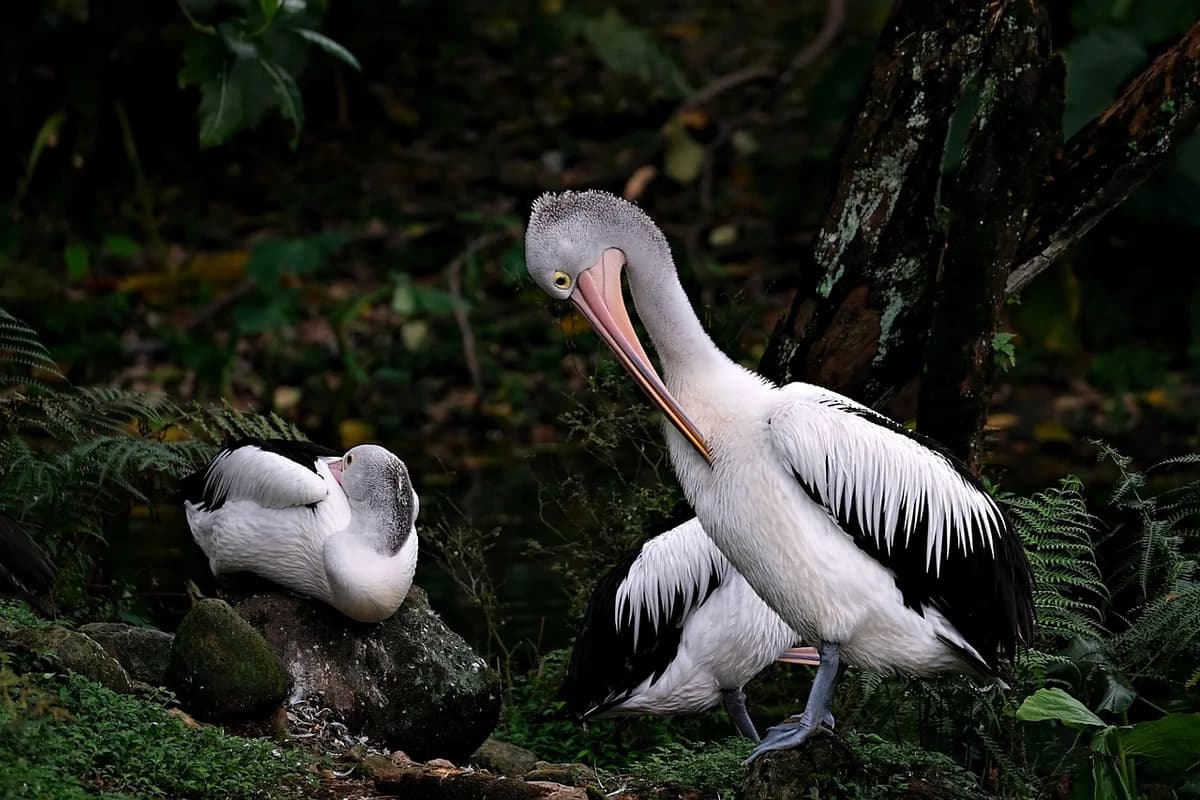
Understanding Your Parrot's Most Important Daily Activity
If you've ever watched your parrot spend what seems like hours meticulously working through their feathers, you're witnessing one of nature's most sophisticated self-care routines. Preening isn't just bird vanity — it's essential maintenance that keeps your feathered friend healthy, comfortable, and flight-ready.
In our experience boarding over 1,000 birds at BST, we've observed countless preening sessions, from the quick touch-ups of busy cockatiels to the elaborate grooming rituals of large macaws. Understanding what's normal (and what isn't) can help you support your bird's natural behaviors and catch potential problems early.
What Preening Actually Involves
Preening is far more complex than it might appear. Your parrot is essentially running a full-service spa treatment on themselves, and they're remarkably thorough about it.
The Preen Gland: Nature's Conditioning Treatment
Most parrots have a small gland called the uropygial gland (or preen gland) located at the base of their tail. Your bird will regularly squeeze this gland with their beak to collect a waxy, oily secretion that they then distribute throughout their feathers. This natural oil serves multiple purposes:
- Waterproofing: Keeps feathers from becoming waterlogged
- Flexibility: Prevents feathers from becoming brittle and breaking
- Antimicrobial protection: Contains compounds that inhibit bacterial and fungal growth
- UV protection: Helps shield feathers from sun damage
Interestingly, some parrot species like Amazon parrots and some cockatoos have powder down feathers instead of (or in addition to) preen glands. These specialized feathers continuously break down into a fine powder that serves similar protective functions.
Feather Alignment and Maintenance
Watch your parrot preen, and you'll see them carefully running each feather through their beak, starting from the base and working toward the tip. They're:
- Zipping barbules back together: Feathers can become "unzipped" during daily activities, and preening hooks the tiny barbules back into place
- Removing dirt and debris: Cleaning away dust, food particles, and other foreign matter
- Positioning flight feathers: Ensuring wing and tail feathers are properly aligned for optimal flight performance
- Fluffing contour feathers: Adjusting body feathers for proper insulation
Pin Feather Care
When your parrot grows new feathers, they emerge encased in a protective keratin sheath — these are called pin feathers or blood feathers. As the feather matures, your bird will carefully remove these sheaths by preening, revealing the fresh feather underneath.
How Much Preening is Normal?
Here's what might surprise you: healthy parrots typically spend 1-2 hours daily on preening activities. This isn't continuous — they'll preen in sessions throughout the day, often after meals, before sleep, or when settling down after excitement.
The amount varies by:
- Species size: Larger parrots generally preen longer due to having more feathers
- Season: Molting birds preen more frequently
- Activity level: Active birds may need more frequent touch-ups
- Individual personality: Some birds are simply more meticulous than others
Important: If your bird suddenly increases or decreases their preening significantly, this could indicate stress, illness, or environmental changes that need attention.
The Social Side: Mutual Preening and Bonding
One of the most touching behaviors you might witness is allopreening — when birds preen each other. In the wild, this serves practical and social functions:
Why Birds Preen Each Other
- Reaching difficult spots: The head and neck areas that a bird can't reach themselves
- Strengthening social bonds: Mutual preening releases endorphins and reinforces pair bonds
- Flock cohesion: Helps maintain group relationships in social species
- Stress reduction: The gentle contact is naturally calming
What This Means for Pet Parrots
If your parrot attempts to preen you — gently nibbling your hair, eyebrows, or jewelry — they're showing you tremendous trust and affection. They're essentially treating you as a flock mate. While this is sweet, set gentle boundaries about what's acceptable (hair is usually fine, but redirect them away from faces and delicate skin).
Some bonded parrot pairs will spend significant time mutual preening, which is completely normal and healthy social behavior.
Recognizing the Difference: Healthy Preening vs. Problem Behaviors
This is where things get serious. While preening is natural and necessary, it can cross the line into destructive territory.
Signs of Healthy Preening
- Methodical approach: Working systematically through different body areas
- Gentle beak pressure: Not yanking or pulling aggressively at feathers
- Intact feathers: Feathers remain whole and properly structured
- Normal duration: Sessions last 10-30 minutes with breaks between
- Relaxed body language: Bird appears calm and content during preening
Warning Signs of Over-Preening or Plucking
- Bald patches: Areas where feathers have been removed entirely
- Broken or chewed feathers: Feathers with damaged tips or shafts
- Excessive time spent: Preening for hours without breaks
- Aggressive pulling: Yanking at feathers rather than gentle manipulation
- Skin irritation: Red, inflamed, or wounded skin
- Stress behaviors: Preening accompanied by pacing, screaming, or other anxious behaviors
Warning: Feather plucking can become a compulsive behavior that's difficult to stop once it starts. Early intervention is crucial.
Supporting Your Bird's Pin Feather Development
New feathers can be uncomfortable as they emerge, and there are ways you can help your bird through this process:
Environmental Support
- Increase humidity: Mist your bird lightly with warm water or provide a shallow bathing dish
- Maintain consistent temperature: Avoid drafts and temperature fluctuations
- Reduce stress: Keep routines consistent during heavy molting periods
Direct Assistance
Many parrots appreciate gentle help with pin feathers on their heads and necks — areas they can't reach themselves:
- Start slowly: Let your bird get comfortable with head touches first
- Use gentle pressure: Lightly roll the mature pin feather sheath between your fingers
- Stop if they resist: Never force assistance if your bird pulls away
- Watch for blood: Young pin feathers contain blood supply — if you see red, stop immediately
When to Seek Professional Help
Some situations require veterinary attention:
- Blood feathers: Broken pin feathers that are actively bleeding
- Infected follicles: Red, swollen, or pussy areas around feather shafts
- Persistent plucking: Any feather destruction that continues despite addressing obvious stressors
- Stress bars: Horizontal lines across feathers indicating nutritional or stress issues during feather development
Creating an Environment That Supports Healthy Preening
Your bird's environment plays a huge role in their preening success:
Bathing Opportunities
- Daily misting: Light spray with warm water helps soften pin feather sheaths
- Shallow dishes: Some birds prefer to bathe themselves
- Shower perches: Many parrots enjoy supervised shower time
Proper Nutrition
Feather development requires significant nutritional resources:
- High-quality pellets: Provide complete nutrition for feather production
- Fresh foods: Especially those rich in protein and vitamins A and D
- Adequate water: Essential for all metabolic processes
Stress Reduction
Since stress is a major factor in feather problems:
- Consistent routines: Regular feeding, play, and sleep schedules
- Adequate sleep: 10-12 hours of uninterrupted darkness
- Environmental enrichment: Toys, foraging opportunities, and mental stimulation
Final Thoughts
Preening is one of your parrot's most important daily activities, and understanding it helps you better support your bird's physical and emotional well-being. The good news is that most preening happens naturally without intervention — your job is mainly to provide the right environment and watch for any concerning changes.
Remember that every bird is an individual. What's normal for one parrot might be different for another, even within the same species. The key is learning your bird's personal patterns and being alert to significant changes. When in doubt, don't hesitate to consult with an avian veterinarian — they can help distinguish between normal variations and potential problems before they become serious issues.
Your parrot's beautiful, well-maintained feathers are a sign of good health and contentment. By understanding and supporting their natural preening behaviors, you're helping ensure they stay that way.
Explore related topics
Related Articles
The Preen Gland: Your Parrot's Secret to Waterproof Feathers
That little bump at the base of your bird's tail is a marvel of nature. Learn about the uropygial gland and feather care.
Understanding Molting: What's Happening When Your Parrot Loses Feathers
Molting is stressful for your bird. Learn what's normal, how to help, and when to worry.
Understanding Parrot Dust and Dander: Managing Feather Debris
Powder down species can coat a room in fine dust. Here's how to manage it for your health and theirs.