The Preen Gland: Your Parrot's Secret to Waterproof Feathers
The Hidden Gland That Keeps Your Parrot's Feathers Perfect
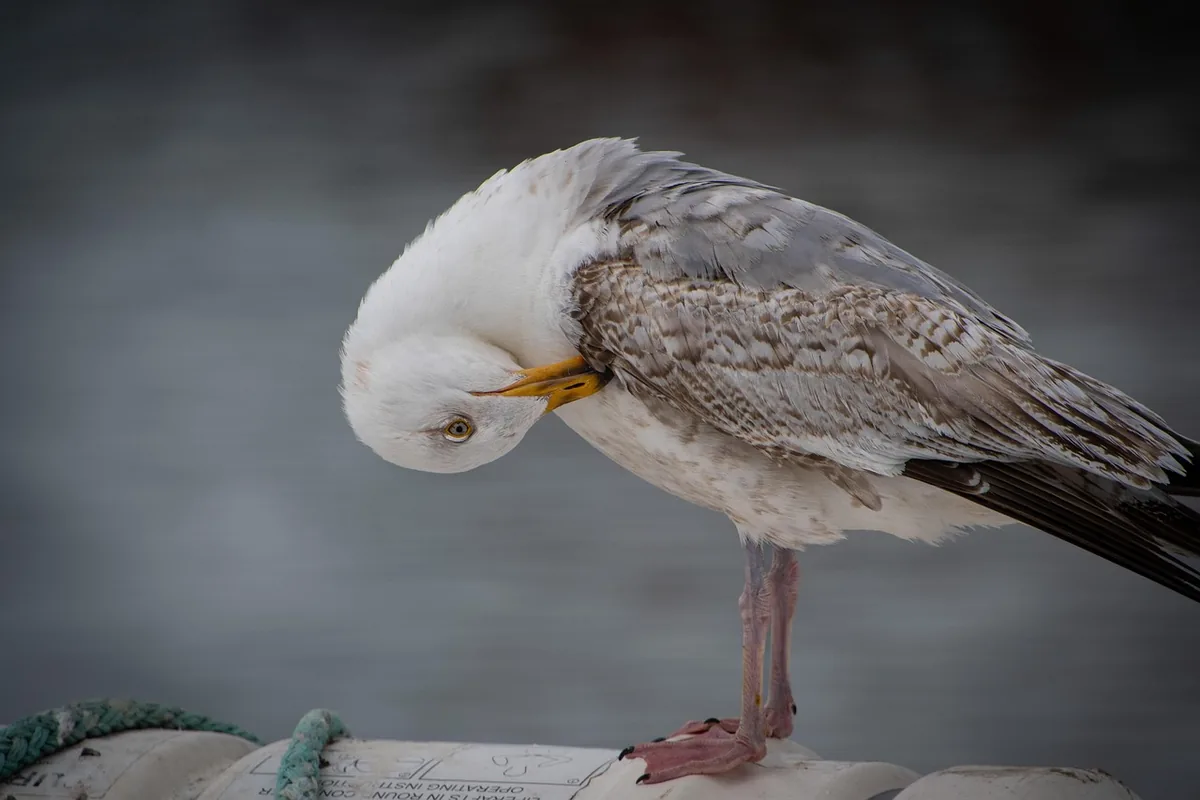
Have you ever watched your parrot twist around to touch their beak to the base of their tail, then carefully work through their feathers? What looks like simple preening is actually your bird accessing their own personal waterproofing station — the preen gland. This small but mighty gland is one of nature's most elegant solutions for keeping feathers in perfect condition.
In our experience boarding over 1,000 birds at BST, we've learned that understanding your parrot's preen gland can help you better support their natural grooming behaviors and spot potential health issues before they become serious problems. Let's dive into this fascinating aspect of avian anatomy that most bird parents never think about.
What Exactly Is the Preen Gland?
The preen gland, scientifically known as the uropygial gland, is a small, oil-producing gland located at the base of your bird's tail, just above where the tail feathers attach to the body. Think of it as your parrot's built-in conditioner and waterproofing system all rolled into one tiny package.
This gland produces a waxy, oily substance that's perfectly designed for feather maintenance. The oil contains a complex mixture of fatty acids, alcohols, and other compounds that serve multiple purposes for your bird's health and comfort.
Here's the thing — not every bird species has this gland, and some rely on alternative systems for feather care. But for most parrots, this little gland is working behind the scenes every day to keep their plumage in top condition.
How Your Parrot Uses Their Preen Gland
The process is both simple and sophisticated. Your bird will reach back with their beak to touch the gland, which releases a small amount of oil. They then distribute this oil throughout their feathers during their regular preening routine.
You'll notice your parrot following this pattern:
- Touch beak to the base of their tail
- Work the oil through their head and neck feathers using their feet
- Systematically preen their body, wings, and tail feathers
- Pay special attention to flight feathers and areas exposed to moisture
The entire process can take anywhere from 15 minutes to over an hour, depending on your bird's species and individual habits. Some birds are meticulous groomers, while others take a more casual approach.
The Amazing Functions of Preen Gland Oil
Waterproofing and Protection
The primary job of preen gland oil is waterproofing. This oil creates a barrier that helps water bead up and roll off your bird's feathers rather than soaking through to their skin. Even though your pet parrot isn't dealing with rain and rivers like their wild cousins, this waterproofing still serves important functions:
- Helps regulate body temperature during baths
- Protects against humidity changes
- Maintains feather structure and flexibility
- Prevents feathers from becoming waterlogged and heavy
Antibacterial and Antifungal Properties
Recent research suggests that preen gland oil may have antimicrobial properties, helping to keep harmful bacteria and fungi from taking hold on your bird's feathers and skin. While we're still learning about this aspect, it makes perfect sense from an evolutionary standpoint — birds need protection from the microorganisms they encounter in their environment.
Feather Conditioning
The oil keeps feathers supple and prevents them from becoming brittle. Well-conditioned feathers are less likely to break, which is crucial for flight, insulation, and overall health. Think of it like a leave-in conditioner that keeps your bird's plumage looking glossy and feeling soft.
Species Without Preen Glands: The Powder Down Alternative
Not all parrots have preen glands, and this is where things get interesting. Some Amazon parrots and certain cockatoo species lack this gland entirely. Instead, they rely on something called powder down for feather maintenance.
Understanding Powder Down
Powder down comes from specialized feathers that continuously grow and break down into a fine, waxy powder. This powder serves many of the same functions as preen gland oil:
- Waterproofs feathers
- Conditions and protects plumage
- May have antimicrobial properties
Birds that produce powder down include:
- Cockatoos (all species)
- African Grey parrots
- Cockatiels
- Some Amazon species
If you have one of these birds, you've probably noticed the fine white dust they produce — that's powder down in action. This is completely normal and healthy, though it does mean more frequent cage cleaning for you.
Pro Tip: Birds that produce powder down often create more dust in your home. Consider air purifiers if you or family members have respiratory sensitivities.
Recognizing Preen Gland Problems
Like any part of your bird's anatomy, the preen gland can sometimes develop issues. Being able to recognize the signs early can prevent more serious health problems down the road.
Normal vs. Abnormal Appearance
A healthy preen gland should be:
- Small and barely noticeable
- Smooth in texture
- The same color as surrounding skin
- Free from swelling or discharge
Warning Signs to Watch For
Contact your avian veterinarian if you notice:
- Swelling or enlargement of the gland area
- Discharge of any kind from the gland
- Changes in color — redness, darkening, or unusual pigmentation
- Your bird avoiding the area or showing discomfort when preening
- Crusty buildup around the gland opening
- Feather quality changes — increased breakage, dullness, or poor waterproofing
Common Preen Gland Issues
Impaction occurs when the gland's opening becomes blocked, preventing normal oil flow. This can lead to swelling and discomfort.
Infection can develop if bacteria or other pathogens enter the gland. You might notice swelling, discharge, or changes in your bird's preening behavior.
Tumors are rare but possible. Any persistent enlargement should be evaluated by a veterinarian.
Important: Never attempt to express or manipulate your bird's preen gland yourself. This can cause injury or introduce infection.
When to Seek Veterinary Care
We always recommend erring on the side of caution when it comes to your bird's health. Schedule a vet visit if you notice:
- Any visible changes to the gland area
- Changes in your bird's preening behavior
- Deterioration in feather quality
- Signs of discomfort when your bird tries to preen
Your avian veterinarian can perform a physical examination and determine if treatment is needed. Early intervention often leads to better outcomes and prevents more serious complications.
Supporting Your Bird's Natural Preening
While you can't directly maintain your bird's preen gland, you can support their natural preening behaviors:
- Provide regular bath opportunities to encourage natural preening
- Maintain proper humidity levels in your home (around 50-60%)
- Ensure a balanced diet rich in essential fatty acids
- Avoid over-handling during preening sessions — let your bird do their work
- Keep the cage clean to prevent bacterial buildup
Pro Tip: If your bird seems to struggle with preening hard-to-reach areas, a gentle misting with clean water can encourage more thorough grooming sessions.
The Difference Between Oil and Powder Systems
Understanding whether your bird uses preen gland oil or powder down can help you better support their grooming needs:
| Oil-Based System | Powder Down System |
|---|---|
| Most parrot species | Cockatoos, African Greys, Cockatiels |
| Less household dust | More dust production |
| Visible oil application | Continuous powder distribution |
| Gland can develop problems | Powder down rarely causes issues |
Final Thoughts
The preen gland might be small, but it plays a huge role in keeping your parrot healthy and comfortable. By understanding how this remarkable system works, you can better appreciate the complexity of your bird's natural behaviors and stay alert for any signs that veterinary attention might be needed.
Remember, every bird is an individual with their own preening style and schedule. Some are fastidious groomers who spend hours on their feathers, while others take a more relaxed approach. Both are normal — what matters is staying consistent with their usual patterns and seeking help when something seems off.
The good news is that preen gland problems are relatively uncommon, and most birds go their entire lives without issues. By providing proper care, nutrition, and regular veterinary checkups, you're already doing everything you can to support this amazing natural system that keeps your feathered friend looking and feeling their best.
Explore related topics
Related Articles
Understanding Molting: What's Happening When Your Parrot Loses Feathers
Molting is stressful for your bird. Learn what's normal, how to help, and when to worry.
Understanding Parrot Dust and Dander: Managing Feather Debris
Powder down species can coat a room in fine dust. Here's how to manage it for your health and theirs.
Preening and Feather Care: Your Parrot's Daily Self-Care Routine
Preening is essential bird behavior that keeps feathers waterproof, insulated, and flight-ready. Learn what's normal and when to worry.