Understanding Molting: What's Happening When Your Parrot Loses Feathers
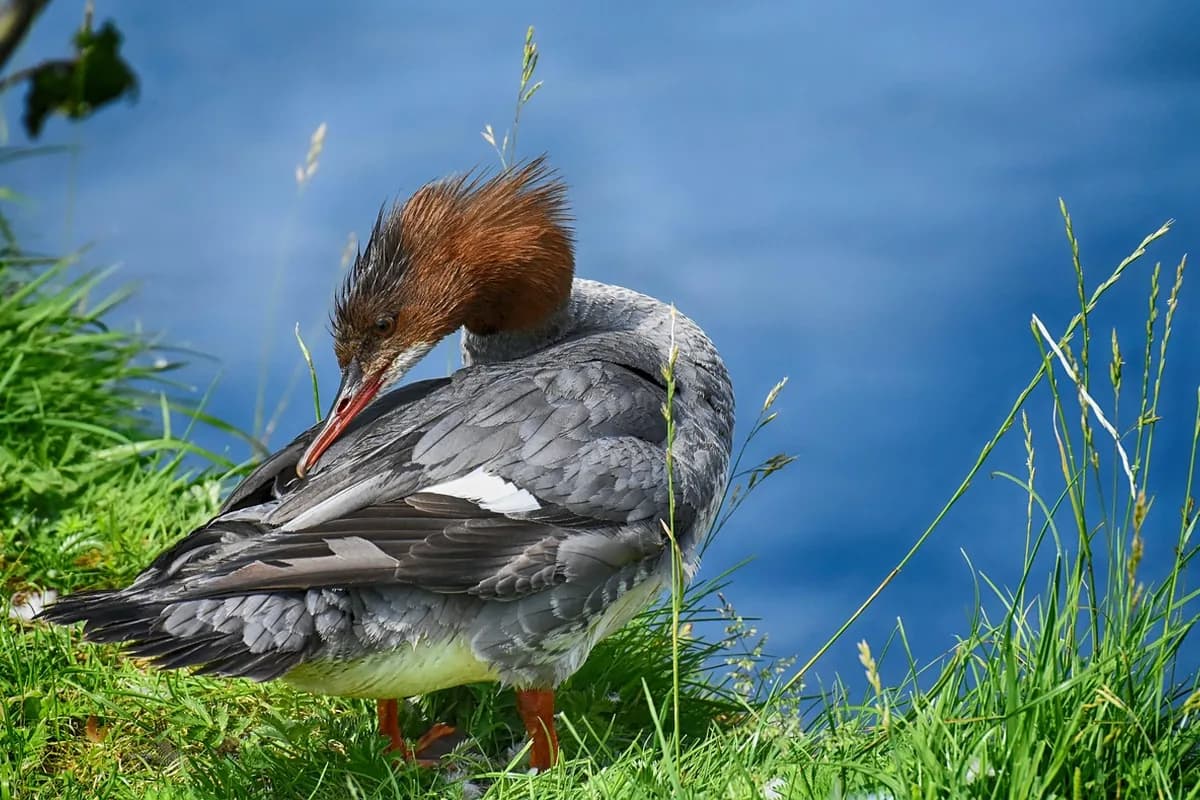
Understanding Your Bird's Natural Feather Renewal Process
If you've noticed your parrot looking a bit raggedy lately, with feathers scattered around their cage and what looks like tiny spikes poking out of their skin, don't panic — your bird is likely going through a molt. At Bird Sitting Toronto, we see many birds arrive during molt season, and their parents are often worried something is wrong. The good news is that molting is completely natural and healthy, though it can be a bit stressful for both you and your feathered friend.
Think of molting as your bird's way of getting a fresh new wardrobe. Just like we replace worn-out clothes, birds need to shed old, damaged feathers and grow new ones to maintain their ability to fly, regulate temperature, and stay waterproof. Understanding what's happening during this process can help you support your bird through what can be an uncomfortable time.
What Triggers a Molt?
Several factors work together to signal your bird's body that it's time for new feathers. Understanding these triggers helps explain why your bird might molt at seemingly random times.
Photoperiod Changes
The changing length of daylight is the primary trigger for molting in wild birds, and our companion birds still respond to these ancient rhythms. As days get longer in spring or shorter in fall, your bird's body receives hormonal signals to begin the molting process.
In our experience boarding over 1,000 birds, we notice distinct molt seasons — typically spring and fall — when many of our guests arrive looking like they've been through a pillow fight. If you live somewhere with consistent artificial lighting, your bird might molt less predictably than their wild cousins.
Hormonal Fluctuations
Thyroid hormones play a crucial role in initiating molts. These hormones don't just control feather replacement; they also affect your bird's metabolism, energy levels, and even mood during the molting period. This is why many birds seem more lethargic or irritable during a molt.
Nutritional Status
A bird's diet significantly impacts their molting cycle. Poor nutrition can delay molts, cause incomplete feather replacement, or result in poor-quality new feathers. Conversely, improving a bird's diet can sometimes trigger a molt as their body finally has the resources needed for feather production.
How Long Does a Molt Last?
The duration of a molt varies considerably depending on your bird's species, age, health, and individual characteristics. Here's what you can generally expect:
- Small birds (cockatiels, budgies): 2-4 months
- Medium birds (conures, small Amazons): 3-6 months
- Large birds (macaws, large cockatoos): 6-12 months
Important: Young birds experiencing their first molt may take longer as they're replacing all their baby feathers with adult plumage. Senior birds might also have extended molts due to slower metabolism.
The process isn't uniform — you'll notice periods of heavy feather loss followed by quieter times. Some birds molt gradually over many months, while others seem to lose half their feathers in a few weeks. Both patterns are normal.
Recognizing Normal vs. Abnormal Feather Loss
Learning to distinguish between healthy molting and concerning feather loss is crucial for every bird parent.
Normal Molting Signs:
- Gradual, symmetrical feather loss (both wings lose flight feathers at roughly the same rate)
- Pin feathers emerging where old feathers were lost
- Increased preening behavior
- Some mood changes (grumpiness or increased sleeping)
- Feathers that fall out intact with the entire shaft
- Increased appetite and protein cravings
Red Flags That Warrant Veterinary Attention:
- Sudden, rapid feather loss creating bald patches
- Feathers that appear chewed, frayed, or broken off
- Bleeding from follicles
- Excessive scratching or self-mutilation
- Feathers that don't regrow after several months
- Signs of illness (lethargy, loss of appetite, breathing changes)
Warning: If you see your bird actively pulling out their own feathers, this isn't molting — it's feather plucking and requires immediate veterinary consultation.
Understanding Pin Feathers and How to Help
Pin feathers are the spiky, waxy tubes that contain developing new feathers. They can be uncomfortable or even painful for your bird, which explains the mood changes we often see during molts.
What Pin Feathers Look Like:
- Small, dark tubes protruding from the skin
- Waxy or plastic-like appearance
- Most noticeable on the head and neck
- Gradually split open to reveal the new feather inside
How to Help Your Molting Bird:
Gentle Head Scratches Your bird will likely appreciate gentle scratches around pin feathers on their head and neck — areas they can't reach themselves. Use light pressure and let your bird guide you to the spots that feel good. Many birds become more cuddly during molts because they crave this help.
Regular Misting Humidity helps soften the waxy coating on pin feathers, making them easier to remove through preening. Offer daily mist baths with lukewarm water, or provide a shallow dish for bathing. We've found that birds often become more enthusiastic about bathing during molts.
Provide Enrichment Offer safe materials for preening and manipulation, like paper strips, cardboard, or bird-safe wood pieces. This gives your bird appropriate outlets for their increased preening urges.
Nutritional Support During Molting
Growing new feathers is metabolically expensive — it's like your bird is running a marathon while building a house. Their nutritional needs increase significantly during this time.
Key Nutrients for Healthy Feather Growth:
Protein Feathers are made primarily of keratin, a protein. Increase high-quality protein sources like:
- Cooked quinoa
- Well-cooked beans and legumes
- Small amounts of cooked chicken or fish (for species that eat animal protein)
- Sprouted seeds and grains
Calcium Essential for proper feather development. Offer calcium-rich foods like:
- Dark leafy greens (kale, collard greens)
- Broccoli
- Almonds (in moderation)
- Cuttlebone or mineral blocks
B Vitamins Particularly important for feather quality. Found in:
- Whole grains
- Leafy vegetables
- Nutritional yeast (bird-safe varieties)
Vitamin A Crucial for skin and feather health:
- Orange vegetables (sweet potato, carrots)
- Dark leafy greens
- Red palm oil (in very small amounts)
Pro Tip: Many avian veterinarians recommend temporarily increasing pellet portions or offering a higher-protein pellet formulation during heavy molts.
Why Birds Get Grumpy During Molts
Here's the thing — molting is genuinely uncomfortable. Imagine having dozens of tiny needles poking through your skin while feeling constantly itchy and unable to scratch most of the affected areas. It's no wonder our feathered friends get cranky!
Common Behavioral Changes:
- Increased irritability or aggression
- More sleeping than usual
- Decreased activity levels
- Changes in appetite (usually increased)
- More frequent preening
- Seeking more or less physical contact than usual
Be patient with your bird during this time. They're not trying to be difficult — they're just uncomfortable and dealing with significant physical changes.
Molting vs. Feather Plucking: Key Differences
This distinction is crucial because the causes and treatments are completely different.
Molting Characteristics:
- Feathers fall out naturally during preening
- New pin feathers emerge in the same areas
- Symmetrical pattern of feather loss
- Intact feathers with complete shafts
- Temporary behavioral changes
Feather Plucking Signs:
- Bird actively removes feathers with their beak
- Feathers appear chewed, frayed, or broken
- May create completely bare patches
- Often starts with easily reached areas (chest, legs)
- Usually indicates stress, boredom, or medical issues
Important: If you're unsure whether your bird is molting or plucking, document the pattern with photos and consult your avian veterinarian.
Supporting Your Bird Through the Molt
At BST, we've learned that molting birds need extra patience and care. Here are our tried-and-true strategies:
- Maintain consistent routines to reduce stress
- Offer extra sleep opportunities (molting is exhausting)
- Be gentle during handling — pin feathers are sensitive
- Increase nutritious food options
- Provide plenty of fresh water for drinking and bathing
- Consider temporarily reducing training sessions or demanding activities
Final Thoughts
Molting is a remarkable process that showcases your bird's incredible biology. While it can be concerning to see your beautiful parrot looking disheveled and acting grumpy, remember that they're simply renewing their most important feature — their feathers.
With proper nutrition, patience, and understanding, you can help your bird through this natural process. Most birds emerge from their molt looking absolutely stunning with bright, fresh plumage that's a testament to your good care.
If you ever have concerns about your bird's molt or notice signs that seem abnormal, don't hesitate to consult with an avian veterinarian. It's always better to ask questions and ensure your feathered friend is healthy and comfortable.
Explore related topics
Related Articles
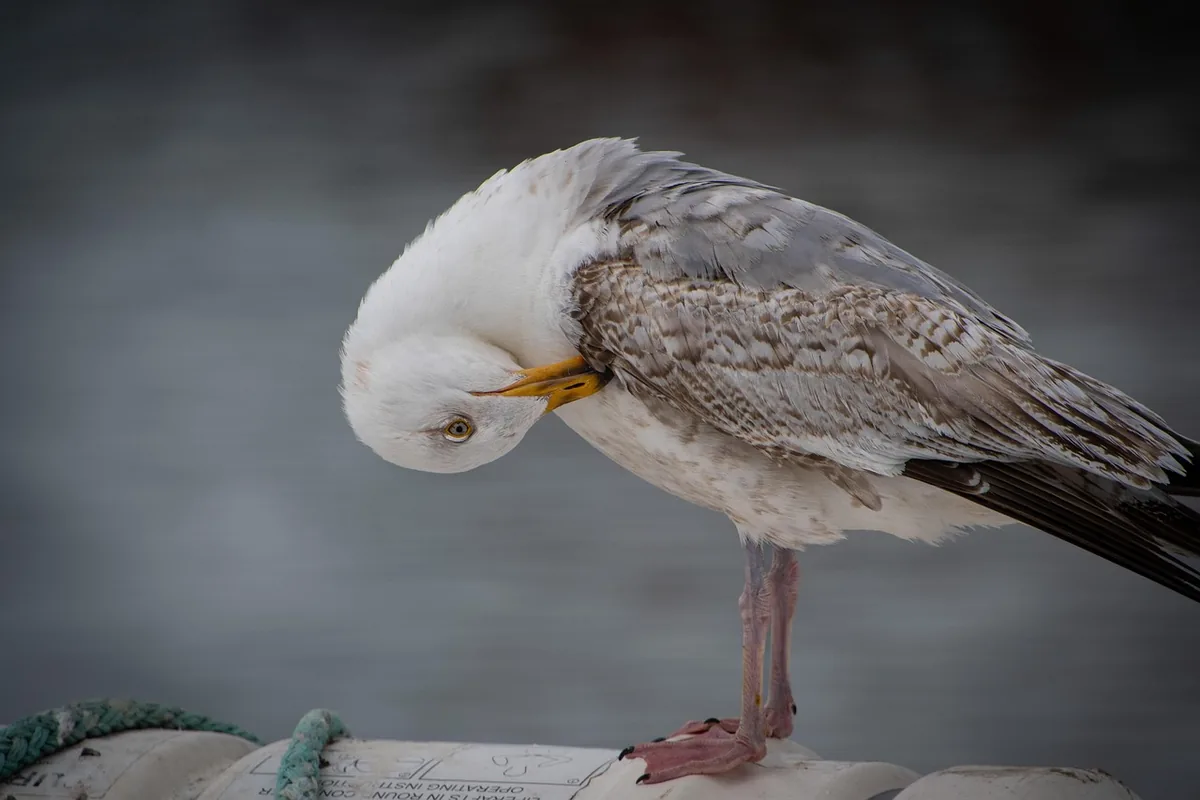
The Preen Gland: Your Parrot's Secret to Waterproof Feathers
That little bump at the base of your bird's tail is a marvel of nature. Learn about the uropygial gland and feather care.
Understanding Parrot Dust and Dander: Managing Feather Debris
Powder down species can coat a room in fine dust. Here's how to manage it for your health and theirs.
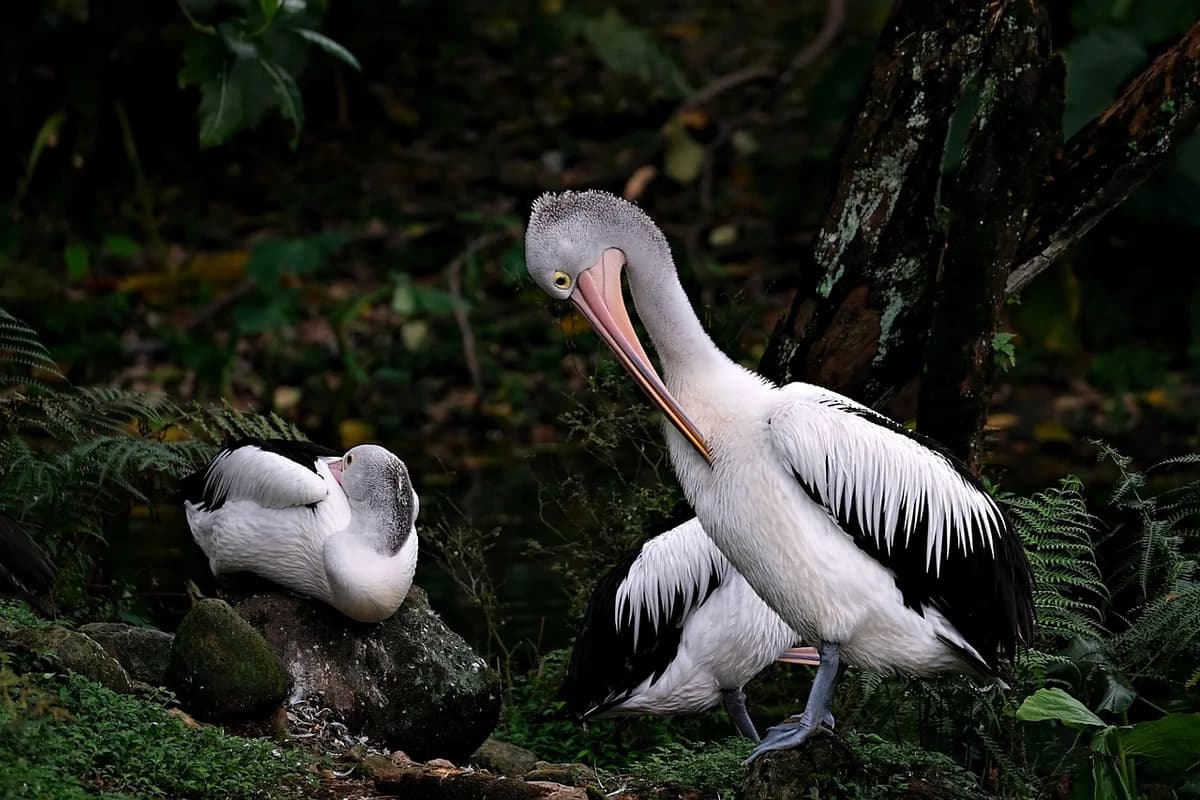
Preening and Feather Care: Your Parrot's Daily Self-Care Routine
Preening is essential bird behavior that keeps feathers waterproof, insulated, and flight-ready. Learn what's normal and when to worry.