Training Your Bird for Grooming Cooperation
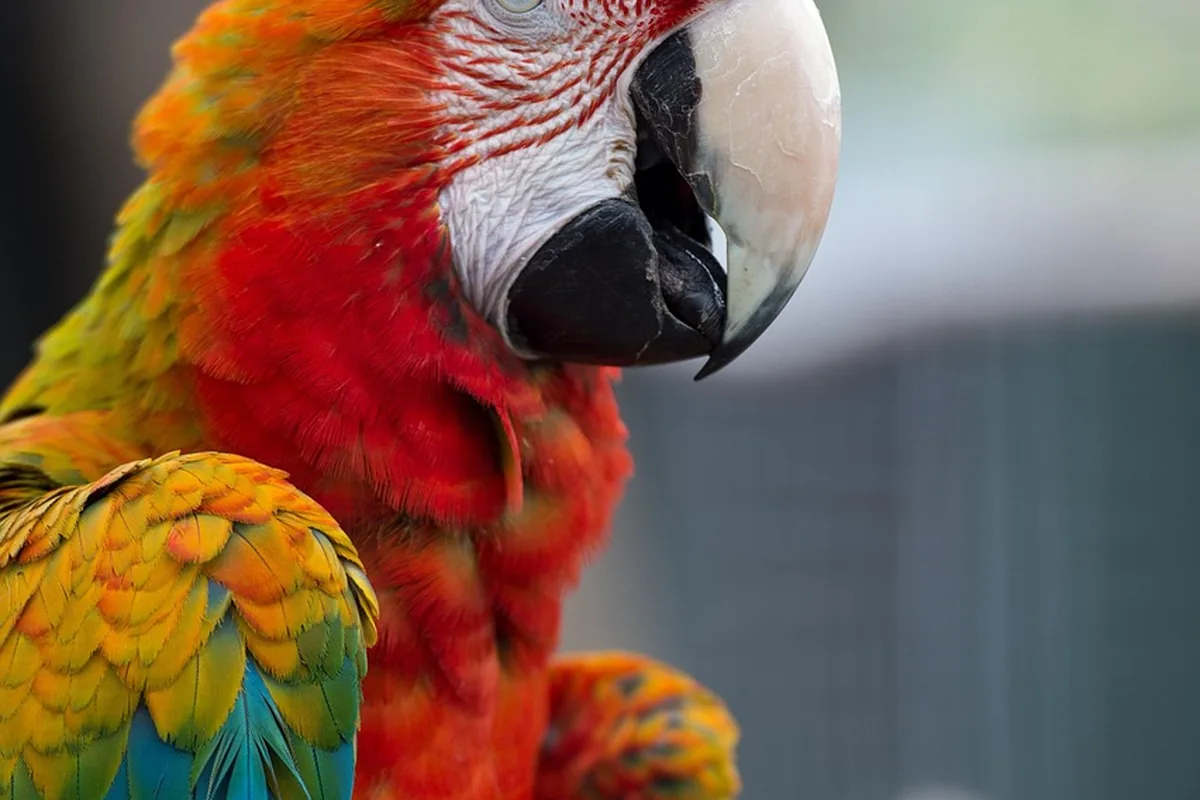
Nail trims, wing care, and toweling are among the most stressful moments in a companion bird's life. Grabbed suddenly and restrained, a parrot has no way of knowing the handling will end — so it fights, screams, and learns that your hands mean danger. The good news is that grooming does not have to be a wrestling match. With a little patience, you can teach your bird to be a willing, calm participant. This approach is called cooperative or force-free care, and it is exactly how zoos train great apes to offer an arm for a blood draw and how progressive avian veterinarians now prefer to handle their patients.
Why Cooperative Grooming Matters
A frightened bird is a fragile bird. Restraint stress raises heart rate and can compromise breathing, and a panicked flap can snap a blood feather or bruise delicate keel muscle. Beyond the physical risk, every bad grooming session erodes the trust you have built. The Association of Avian Veterinarians and cooperative-care educators promote low-stress handling precisely because a bird that chooses to participate stays calmer, recovers faster, and does not come to fear you.
The core idea is simple: instead of doing things to your bird, you teach behaviours that let your bird do things with you. You break each grooming task into tiny steps, pair every step with a reward your bird loves, and always let the bird succeed before you ask for more. Sessions are short — two or three minutes is plenty — and you end while your bird is still enjoying the game, never after a struggle.
Tip: Keep training sessions brief and frequent. Five one-minute sessions across a week teach far more than a single frustrating twenty-minute battle. Always finish on a small win so your bird's last memory of the session is a good one.
Start With a Treat Your Bird Will Actually Work For
Cooperative training runs on motivation, so your first job is to find your bird's "paycheque" — a small, high-value food it rarely gets otherwise. Because a well-fed parrot should already be eating a base diet of roughly 75 to 80 percent quality pellets, about 20 to 25 percent fresh vegetables and greens, and only a small share of seeds and nuts, those seeds and nuts become perfect training currency. Their rarity is what makes them special.
| Bird | High-value training treat | Notes |
|---|---|---|
| Budgie / cockatiel | A few seeds of millet spray, or one sunflower or safflower seed | Keep converting the everyday diet toward pellets, veg, and sprouts; use seed only as a sparing reward |
| Larger parrots (greys, amazons, macaws, conures, cockatoos) | A sliver of almond, walnut, or pine nut; one sunflower seed | Nuts are calorie-dense, so break them into tiny pieces |
| Lorikeets | A lick of their usual nectar, or a small piece of fruit | Lorikeets eat a specialized nectar diet, not pellets; avoid high-iron treats |
| Eclectus | A small piece of plain fruit or vegetable | Additive-sensitive; skip dyed or heavily fortified treats |
| Finches & canaries | Rarely trained for handling | These hands-off passerines keep a quality seed mix as a staple; grooming is usually a vet or breeder task |
Break each treat into the smallest reward-sized piece you can. You want many chances to reward, not one big mouthful that ends the session.
Nail Trim Desensitization
Overgrown nails catch on toys and fabric and can throw off a bird's grip, so most parrots need an occasional trim. Build up to it in stages, and never rush to the next step until the current one is boring to your bird.
- Touch feet daily. Gently handle your bird's feet during calm perching moments, and reward tolerance.
- Introduce the tool visually. Show the clippers or file from a short distance and reward calm behaviour.
- Touch the foot with the closed tool. Tap the closed clippers against a toe, then reward.
- Clip one nail. Just one. Reward generously and end the session.
- Gradually increase. Over many sessions, work up to a full set in one calm sitting.
Trim only the sharp tip. Inside each nail is the quick — a small vein — and cutting into it hurts and bleeds. On pale nails you can often see the quick as a pink line; on dark nails, take off less than you think you should.
Warning: Keep styptic powder (or, in a pinch, cornstarch) within arm's reach before you make a single cut. If a nail bleeds, press the powder onto the tip until bleeding stops. Bleeding that will not stop, or a bird that seems weak, is a same-day avian-vet call.
Wing Trim Cooperation
Whether to clip wings at all is a genuine welfare decision, not a default. Many owners and avian vets now favour keeping birds fully flighted for exercise and confidence; if you do choose a trim, treat it as a conversation with your avian veterinarian about your specific bird and home. Whatever you decide, the handling skill is the same: desensitize your bird to having a wing gently extended. Practise the wing stretch daily, pairing the gentle extension with a treat, long before any scissors appear.
Warning: Never cut a blood feather. New, growing feathers ("pin feathers") have a live blood supply and a darker, waxy shaft. Cutting one causes bleeding that can be serious in a small bird, and a broken blood feather often has to be pulled by a vet to stop the flow. When you spread the wing, identify and avoid every dark, growing feather.
About Beaks: Most Healthy Birds Never Need a Trim
One of the most persistent grooming myths is that beaks routinely need trimming like nails. They do not. A healthy hookbill keeps its own beak in shape through normal chewing, foraging, and rubbing on perches and toys. Give your bird hard, safe things to gnaw — wood, mineral blocks, and foraging toys — and its beak usually takes care of itself.
An overgrown, flaky, or misshapen beak is a red flag, not a grooming chore. Per avian veterinary consensus, abnormal beak growth can signal liver disease, nutritional imbalance, or parasites such as the scaly-face mites seen in budgies. If your bird's beak looks wrong, book an avian vet rather than filing it yourself — you could be masking a treatable illness.
Towel Training
Many grooming and medical procedures need a towel for safe, brief restraint, so a bird that panics at the sight of one makes everything harder. You can rewrite that association well before you ever need it:
- Play peek-a-boo with the towel from a distance so it becomes a game.
- Drape the towel over your arm and offer treats near it.
- Let your bird walk across the towel laid flat with treats scattered on it.
- Gently fold the towel around your bird for two to three seconds, reward, then release.
- Slowly increase the duration until your bird tolerates being wrapped calmly.
Aim for a hold that is secure but never tight around the chest — birds breathe by moving their keel, and pressure on the body can suffocate them. Snug at the shoulders, free at the belly.
Read Your Bird's Body Language
Cooperative care only works if you listen when your bird says "too much." Slow down or stop for the day if you see pinned (rapidly dilating) eyes, feathers slicked tight against the body, leaning or backing away, an open beak used defensively, or heavy open-mouthed breathing. Ending a session before your bird tips into panic is not a failure — it is the whole point. You are building a reputation with your bird as someone who always stops when asked.
When to Seek Professional Grooming
Not everyone is comfortable trimming at home, and that is perfectly fine. A skilled avian groomer or vet tech can handle nails and wings safely and fast. Look for someone who:
- Has hands-on experience with your bird's species,
- Uses towel restraint gently and efficiently,
- Lets you stay present during the procedure, and
- Works quickly to keep the stressful part short.
At Bird Sitting Toronto, where we care for hundreds of birds every year, the calmest patients are always the ones whose owners have practised this kind of handling at home. A few minutes of foot-touching and towel games each week pays off every time your bird needs a trim, a vet visit, or a stay away from home — and it deepens the trust that makes living with a parrot such a joy.
Explore related topics
Related Articles
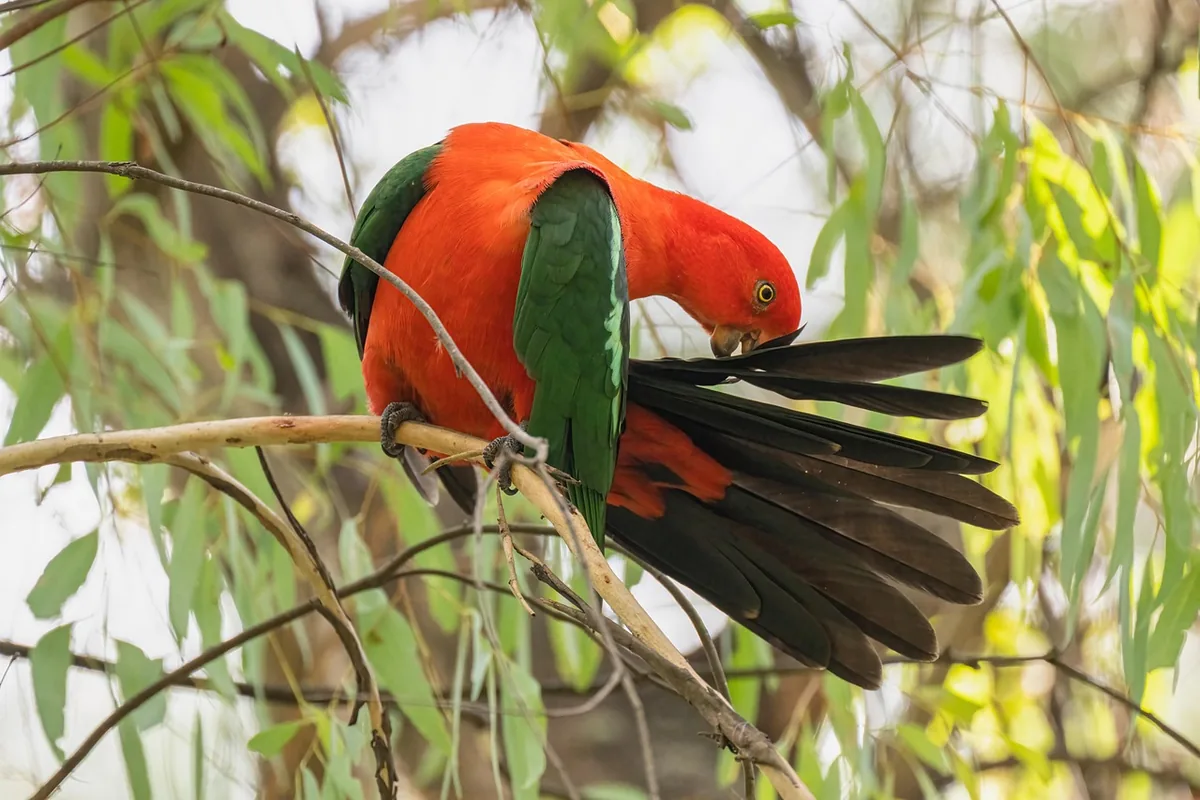
Bathing Methods for Parrots: Finding What Your Bird Loves
Every parrot has a bathing preference. Misting, dish, shower, wet leaves — here's how to find your bird's favorite.
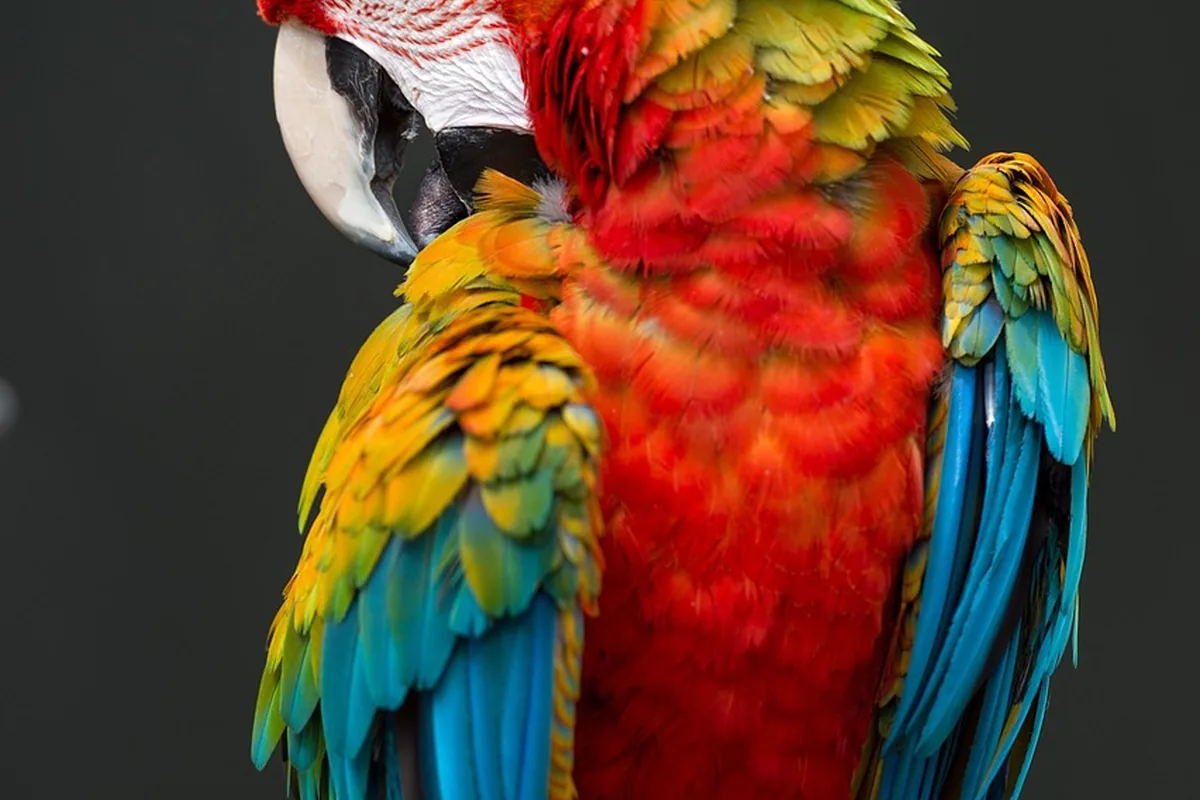
Beak Care for Parrots: When Is a Beak Problem Serious?
A healthy beak should maintain itself through natural chewing. Here's when beak issues need attention.
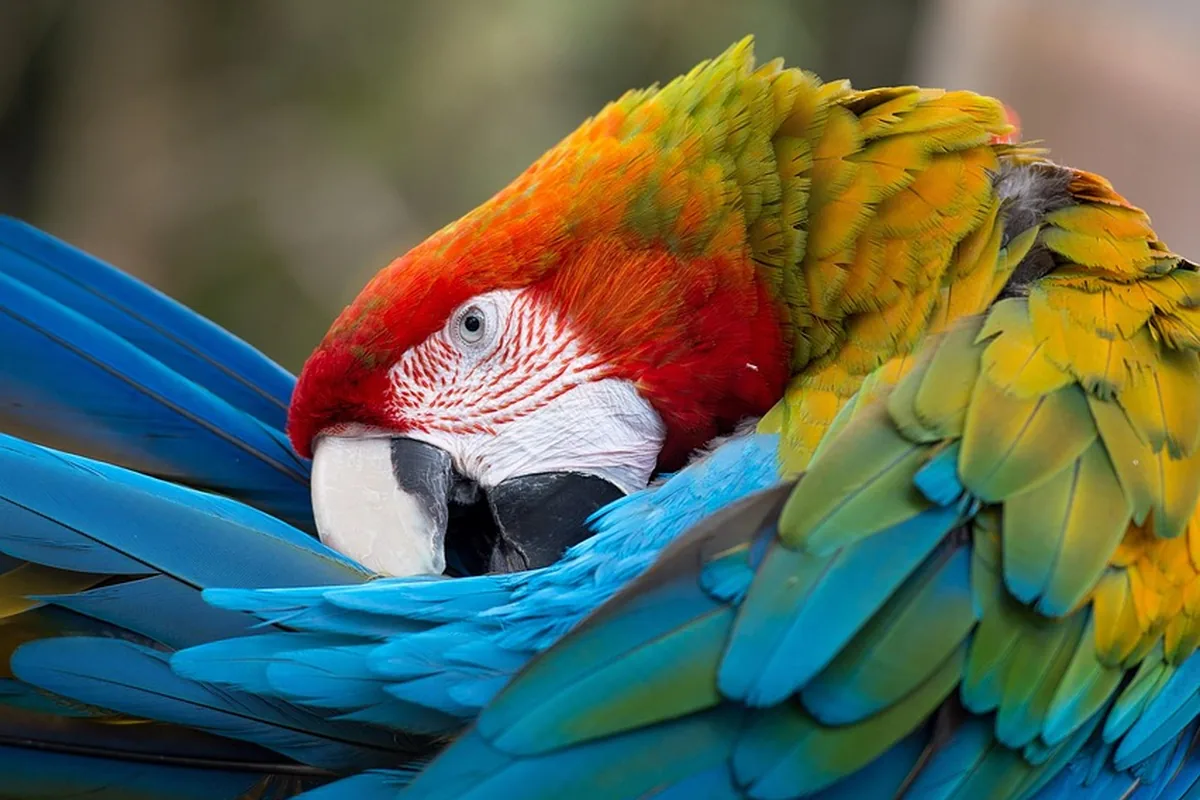
Nail Trimming for Parrots: How to Do It Safely at Home
Long nails can injure your bird and damage your skin. Here's how to trim safely — or know when to let a pro handle it.