Beak Care for Parrots: When Is a Beak Problem Serious?
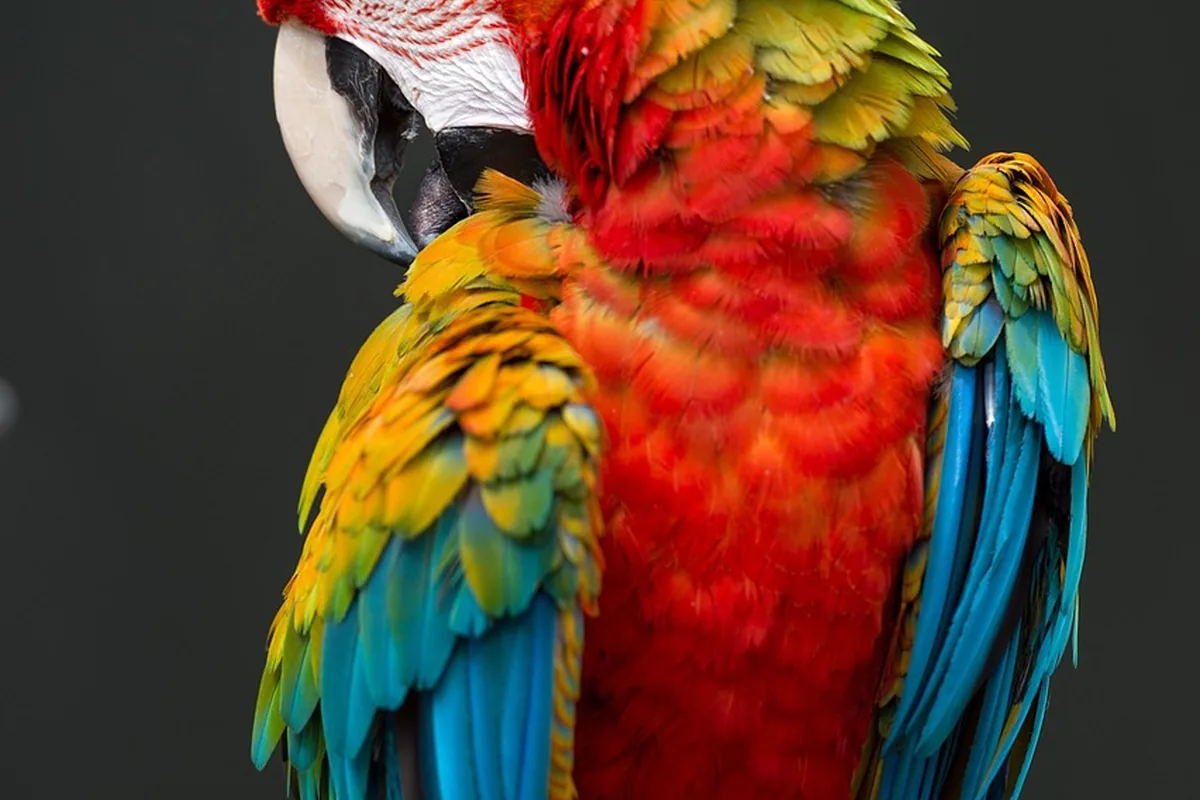
Understanding Your Parrot's Most Important Tool
Your parrot's beak is far more than just a pretty face feature — it's their primary tool for eating, climbing, playing, and even expressing themselves. At Bird Sitting Toronto, we've cared for over 1,000 birds, and we've learned that a healthy beak is often the first indicator of overall bird health. But here's the thing: many bird owners don't know what to look for when it comes to beak problems, or worse, they try to "fix" issues themselves.
Let's walk through everything you need to know about keeping your feathered friend's beak in top condition, and more importantly, when to worry.
The Amazing Anatomy of a Healthy Beak
Think of your parrot's beak like a fingernail that never stops growing. It's made of keratin (the same protein in our nails and hair) and consists of several parts working together:
- Upper mandible (maxilla): The top portion that does most of the heavy lifting
- Lower mandible: The bottom portion that works with the upper to crack, hold, and manipulate food
- Cere: The fleshy area at the base where the nostrils are located
- Tomium: The cutting edge of both mandibles
A healthy beak should be smooth, symmetrical, and properly aligned. The upper mandible typically extends slightly over the lower one, creating that classic parrot profile we all love.
How Beaks Stay Healthy Naturally
Here's some good news: healthy beaks are largely self-maintaining. Your parrot's daily activities naturally keep their beak in shape through:
Natural Wear and Maintenance
- Chewing and foraging: Every bite of food helps wear down the beak naturally
- Grinding: Many parrots grind their beaks before sleep, which helps maintain proper length and sharpness
- Climbing and playing: Using their beak as a "third foot" provides excellent conditioning
- Preening: Regular grooming helps remove old keratin layers
In our experience boarding birds, we notice that active, engaged parrots rarely develop beak problems. The birds who spend their days foraging, playing with toys, and exploring their environment naturally maintain beautiful beaks.
Red Flags: When to Worry About Your Parrot's Beak
While beaks are remarkably resilient, certain signs should send you straight to an avian veterinarian. Here's what we watch for:
Overgrowth Issues
- Beak growing faster than it's wearing down
- Upper or lower mandible becoming noticeably longer
- Difficulty eating or drinking
- Beak curving abnormally
Surface and Texture Problems
- Excessive flaking or peeling: Some flaking is normal, but large pieces or constant shedding isn't
- Rough, pitted, or grooved surfaces: Healthy beaks should be relatively smooth
- Soft or spongy areas: The beak should feel firm and solid
Color Changes
- Black spots or streaks: Can indicate bruising or internal bleeding
- Unusual discoloration: Significant changes from your bird's normal beak color
- White or pale areas: May signal circulation problems or tissue death
Structural Problems
- Scissor beak: Upper and lower mandibles don't align properly
- Cracks or splits: Any visible breaks in the beak structure
- Asymmetry: One side growing differently than the other
Warning: Never ignore sudden changes in your parrot's beak appearance. What seems minor can indicate serious underlying health issues.
Common Causes of Beak Problems
Understanding why beak problems develop can help you prevent them:
Nutritional Deficiencies
Poor diet is the number one cause of beak issues we see. Specifically:
- Vitamin A deficiency: Leads to soft, overgrown, or malformed beaks
- Protein deficiency: Results in weak, brittle beak structure
- Calcium imbalance: Affects beak strength and growth patterns
Disease-Related Causes
Several serious conditions can affect beak health:
- Psittacine Beak and Feather Disease (PBFD): A viral infection causing beak deformities and feather loss
- Liver disease: Often shows up as beak discoloration or overgrowth before other symptoms appear
- Bacterial or fungal infections: Can cause localized beak problems
Physical Trauma
- Cage accidents or improper toys
- Fights with other birds
- Flying into windows or walls
Genetic Factors
Some birds are simply predisposed to beak problems due to their genetics.
The Critical Beak-Liver Connection
Here's something many bird owners don't realize: beak problems often signal liver disease. The liver processes nutrients essential for healthy beak growth, and when it's compromised, the beak is often the first place you'll notice.
We've seen this pattern repeatedly at BST — a bird comes in with what looks like a simple beak overgrowth, but blood work reveals underlying liver issues. This is why professional veterinary evaluation is so crucial.
What You Should NEVER Do
Let's be crystal clear about this: never attempt to trim, file, or "fix" your parrot's beak yourself. Here's why:
- Beaks have a blood supply that you can't see from the outside
- Improper trimming can cause severe bleeding, pain, or permanent damage
- DIY beak work can worsen underlying problems
- You might miss signs of serious disease that require immediate treatment
Important: Even experienced bird owners should leave beak care to avian veterinarians. The risks of DIY beak trimming far outweigh any perceived benefits.
Providing Proper Beak Maintenance Opportunities
The best beak care is preventive care. Here's how to set your parrot up for success:
Essential Beak Care Items
- Cuttlebone: Provides calcium and gentle abrasive action
- Mineral blocks: Offer essential nutrients while encouraging natural wear
- Natural wood perches: Varying diameters help maintain beak condition
- Safe chew toys: Hardwood toys, palm fronds, and bird-safe branches
Environmental Enrichment
- Foraging opportunities that require beak work
- Puzzle feeders that encourage natural food manipulation
- Rotating toys to maintain interest and engagement
Dietary Support
- High-quality pellets as the base diet
- Fresh fruits and vegetables for vitamins and minerals
- Nuts and seeds that require cracking (in moderation)
Pro Tip: We've found that birds who work for their food — through foraging and puzzle feeders — maintain better beak health than those fed from simple bowls.
When to Seek Professional Help
Don't wait if you notice:
- Any sudden changes in beak appearance
- Difficulty eating or drinking
- Visible cracks, chips, or breaks
- Bleeding from the beak area
- Significant overgrowth
- Changes in your bird's behavior related to eating or playing
An avian veterinarian can properly assess the situation, perform necessary blood work to check for underlying conditions, and safely address any beak issues.
Final Thoughts
Your parrot's beak is a remarkable tool that, when healthy, requires minimal intervention from you. Focus on providing a nutritious diet, plenty of enrichment opportunities, and regular veterinary checkups. Remember, the best beak care happens naturally through your bird's daily activities.
At Bird Sitting Toronto, we see firsthand how proper care and attention to detail can prevent most beak problems. Trust your instincts — if something seems off with your bird's beak, it's always better to consult with an avian vet sooner rather than later. Your feathered friend's health and happiness depend on that amazing beak staying in perfect working order.
Explore related topics
Related Articles
Bathing Methods for Parrots: Finding What Your Bird Loves
Every parrot has a bathing preference. Misting, dish, shower, wet leaves — here's how to find your bird's favorite.
Nail Trimming for Parrots: How to Do It Safely at Home
Long nails can injure your bird and damage your skin. Here's how to trim safely — or know when to let a pro handle it.
Training Your Bird for Grooming Cooperation
Teach your bird to willingly accept nail trims, wing care, and towel handling using force-free cooperative training — plus how to read stress signals and when to call an avian vet.