Bathing Methods for Parrots: Finding What Your Bird Loves
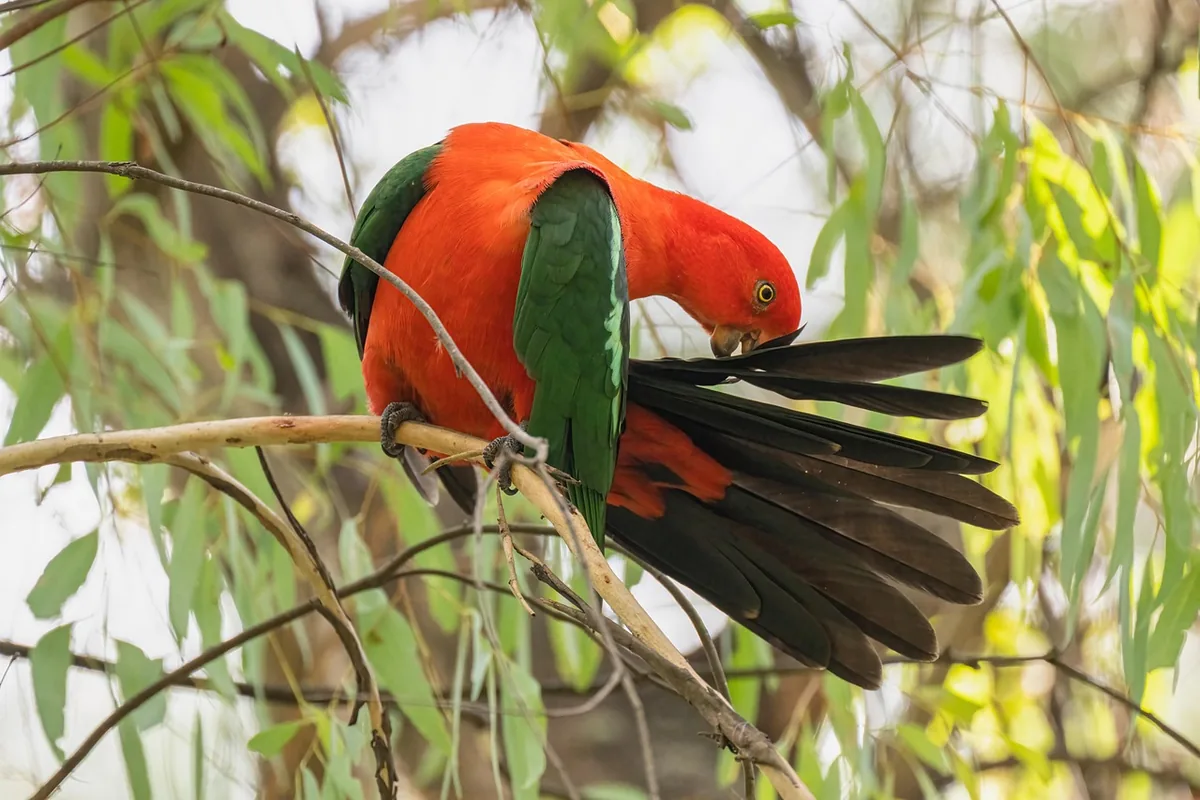
Why Bathing Matters More Than You Think
If you've ever watched a wild parrot during a tropical rainstorm, you'll understand why bathing is so much more than hygiene for our feathered friends. It's pure joy, natural behavior, and essential health care all rolled into one delightful activity. But here's the thing — not every bird loves the same bathing method, and that's perfectly normal.
In our experience boarding over 1,000 birds at BST, we've seen everything from cockatoos who dive headfirst into shallow dishes to finicky cockatiels who prefer the gentlest mist. The key is finding what makes your bird feel comfortable and happy, not forcing a one-size-fits-all approach.
Let's explore the wonderful world of bird bathing methods so you can discover what makes your feathered companion's eyes light up with excitement.
Method 1: Misting with a Spray Bottle
This is often the gentlest introduction to bathing, especially for nervous or new birds. Think of it as creating your own gentle rain shower.
The Technique
Use a clean spray bottle filled with lukewarm water (never cold or hot). Hold it about 12-18 inches away from your bird and create a fine mist above them, letting the water droplets fall naturally rather than spraying directly at their face or body.
Pro Tip: Start with just a few gentle sprays during your first attempts. Some birds need time to realize that this mysterious water falling from the sky is actually wonderful.
Pros and Cons
Pros:
- Least intimidating for shy birds
- You control the intensity and duration
- Works well for birds who are cage-bound or nervous about leaving their space
- Mimics natural rainfall
Cons:
- Some birds find spray bottles scary (especially if they've had negative associations)
- Less satisfying for birds who love a good soak
- Can be time-consuming for larger birds
Which Birds Love It
We see this method work particularly well with cockatiels, budgies, and smaller conures. Many rescue birds or those with trust issues also respond well to misting once they understand it's not a threat.
Introducing Reluctant Bathers
Start by misting near (not on) your bird while they're relaxed. Let them see and hear the spray bottle during calm moments. Some birds are initially afraid of the bottle itself, so leave it visible in their environment for a few days before using it.
Method 2: Shallow Dish Bath
This is the classic bird bath approach — simple, natural, and beloved by many species.
Size and Setup
Choose a dish that's wide enough for your bird to spread their wings but shallow enough that the water only reaches their belly when they're standing. For most medium birds, this means about 1-2 inches of lukewarm water. The dish should have a textured bottom to prevent slipping.
Pros and Cons
Pros:
- Allows birds full control over their bathing experience
- Satisfies birds who love to splash and soak
- Easy to set up and clean
- Natural bathing behavior
Cons:
- Can create quite a mess (water everywhere!)
- Not suitable for birds afraid of standing water
- Requires bird to be comfortable outside their cage
Which Birds Love It
Larger parrots like African Greys, Amazons, and many cockatoos absolutely adore dish baths. We've seen birds who ignore every other bathing method suddenly transform into splashing enthusiasts with a simple shallow dish.
Introducing Reluctant Bathers
Start with just a tiny amount of water — maybe half an inch. Place some favorite treats or fresh herbs in the water to create positive associations. Let your bird investigate on their own timeline.
Method 3: Shower Perch
For birds who want to be part of your daily routine, shower perches can be absolutely magical.
Setup and Safety
Install a sturdy suction-cup perch or shower stand well away from the direct spray. The water should be lukewarm (test with your elbow — it should feel neutral, not hot or cold). Never leave your bird unattended, and ensure good ventilation to prevent respiratory issues from steam.
Warning: Always test water temperature before bringing your bird into the shower. Birds are much more sensitive to temperature changes than we are.
Pros and Cons
Pros:
- Creates bonding time with you
- Provides gentle, consistent water flow
- Many birds love the steam and humidity
- Convenient daily routine
Cons:
- Requires trust and training
- Not all bathrooms are bird-safe (ventilation, products, etc.)
- Some birds find the enclosed space stressful
- Requires careful temperature monitoring
Which Birds Love It
Social species like conures, many cockatoos, and some macaws often enjoy the companionship aspect of shower time. Birds who are already comfortable with handling tend to adapt more quickly.
Introducing Reluctant Bathers
Start by simply bringing your bird into the bathroom while you shower (perched safely away from water). Let them get used to the sounds and steam. Gradually move the perch closer to gentle spray over several sessions.
Method 4: Running Water (Sink Bath)
The kitchen or bathroom sink can become a perfect bird spa with the right approach.
The Setup
Use a clean sink with lukewarm water running at a gentle flow. The bird can choose to step under the stream or simply enjoy the humidity and sounds. Place a towel in the bottom of the sink for grip and comfort.
Pros and Cons
Pros:
- Running water is naturally appealing to many birds
- Easy temperature control
- Bird controls their level of interaction
- Contained mess
Cons:
- Requires significant trust from your bird
- Kitchen/bathroom chemicals can be dangerous
- Not suitable for larger birds
- Some birds find sinks intimidating
Which Birds Love It
Smaller to medium birds often enjoy sink baths, particularly cockatiels, conures, and some smaller parrots. Birds who are naturally curious and comfortable with new environments tend to adapt well.
Method 5: Wet Greens and Leaves
This method beautifully mimics how birds would bathe in nature — rolling around on wet vegetation after rainfall.
The Natural Approach
Offer freshly washed, damp lettuce leaves, kale, or other bird-safe greens. Many birds will instinctively rub against the wet leaves, getting a gentle bath while also enjoying enrichment.
Pros and Cons
Pros:
- Completely natural behavior
- Combines bathing with foraging/play
- Perfect for nervous birds
- No equipment needed
Cons:
- Less thorough cleaning
- Can be messy
- Not all birds understand the concept initially
- Requires fresh greens regularly
Which Birds Love It
This method works wonderfully for smaller birds like budgies, cockatiels, and lovebirds. Many finches and canaries also enjoy rolling in damp greens.
Method 6: Automatic Misters
For the tech-savvy bird parent, automatic misting systems can provide regular, consistent bathing opportunities.
The Technology
These systems can be set on timers to provide gentle misting at regular intervals. They're particularly useful for aviaries or situations where you can't provide daily hands-on bathing assistance.
Pros and Cons
Pros:
- Consistent bathing schedule
- Great for multiple birds
- Hands-off approach
- Can increase humidity in dry climates
Cons:
- Initial investment and setup
- Requires maintenance and cleaning
- Less personal interaction
- May startle some birds initially
Bathing Frequency and Best Practices
How Often Should Birds Bathe?
Most parrots benefit from bathing 2-3 times per week, though some birds prefer daily baths while others are content with weekly soaks. Follow your bird's lead — if they're actively seeking out water or looking scruffy, it's probably bath time.
Water Temperature Matters
Always use lukewarm water. Test it with your elbow or a thermometer — it should be around room temperature or slightly warm (never hot). Cold water can shock their system, while hot water can burn their sensitive skin.
Important: Never use soap, shampoo, or any cleaning products on your bird. Plain water is all they need and want.
Timing Is Everything
Morning baths are ideal because they give your bird all day to dry completely before nighttime. Wet birds can get chilled easily, and going to sleep damp can lead to health issues.
Bath Time as Enrichment
Remember that bathing isn't just about cleanliness — it's mental and physical enrichment. A good bath helps birds maintain their feathers, provides exercise, and offers sensory stimulation that keeps them happy and healthy.
Final Thoughts
The beautiful thing about birds is their individuality. Your cockatiel might be a shower enthusiast while your friend's identical bird prefers gentle misting. Don't get discouraged if your first few attempts don't go as planned — we've seen birds take weeks or even months to warm up to bathing, only to become absolute water lovers once they figure it out.
Pay attention to your bird's body language and preferences. Some birds will fluff up and spread their wings in delight, while others might need a slow, patient introduction. The goal is creating a positive, enjoyable experience that becomes a highlight of their routine.
At BST, we've learned that the best bathing method is simply the one your bird enjoys. Keep experimenting, stay patient, and soon you'll discover the magical moment when your feathered friend realizes that bath time is the best time.
Explore related topics
Related Articles
Beak Care for Parrots: When Is a Beak Problem Serious?
A healthy beak should maintain itself through natural chewing. Here's when beak issues need attention.
Nail Trimming for Parrots: How to Do It Safely at Home
Long nails can injure your bird and damage your skin. Here's how to trim safely — or know when to let a pro handle it.
Training Your Bird for Grooming Cooperation
Teach your bird to willingly accept nail trims, wing care, and towel handling using force-free cooperative training — plus how to read stress signals and when to call an avian vet.