Nail Trimming for Parrots: How to Do It Safely at Home
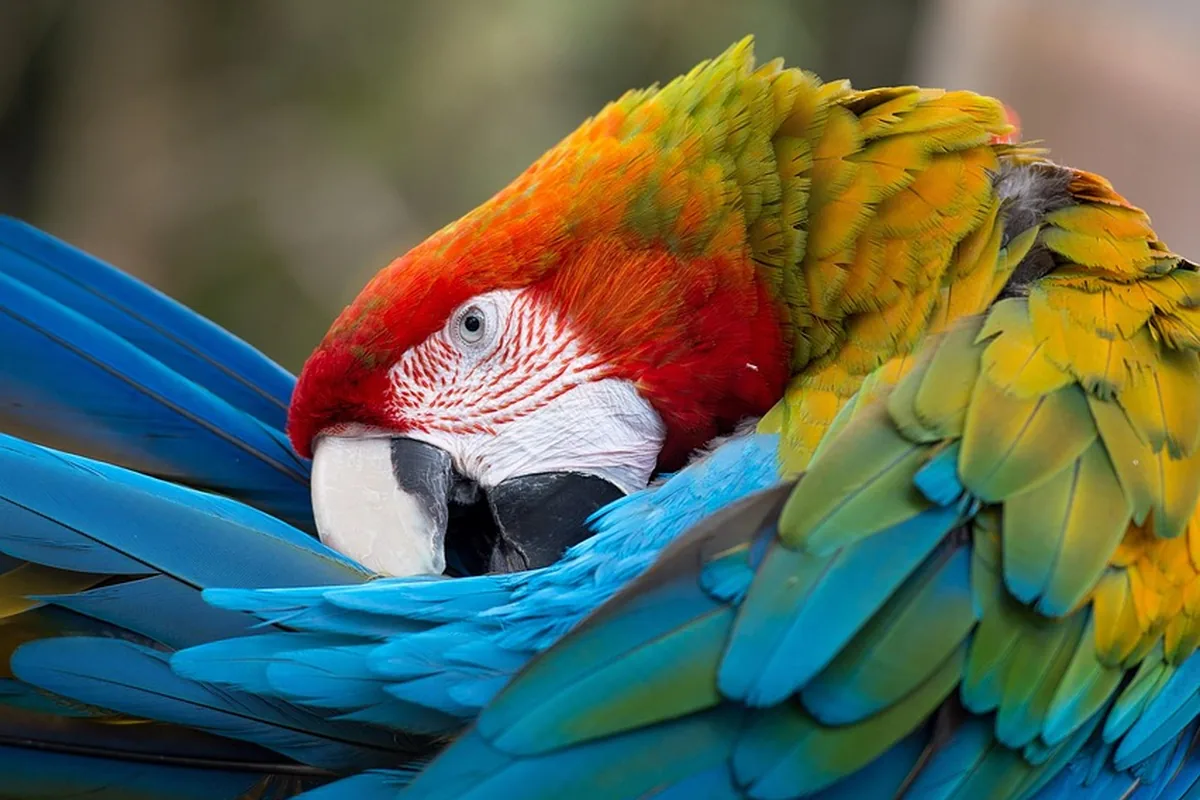
Keeping Your Feathered Friend's Feet Healthy
Your parrot's nails are constantly growing, just like yours, and regular trimming is an essential part of their health routine. While it might seem intimidating at first, learning to trim your bird's nails at home can save you frequent vet visits and help you bond with your feathered companion. In our experience boarding over 1,000 birds at BST, we've seen how proper nail care prevents injuries and keeps birds comfortable.
Here's the thing — overgrown nails aren't just unsightly. They can get caught in cage bars, toys, or fabric, potentially causing serious injuries. We've seen birds panic when their nails get stuck, sometimes resulting in broken toes or torn nails. Plus, overgrown nails can cause foot problems by changing how your bird grips perches, leading to pressure sores or arthritis over time.
Why Regular Nail Trimming Matters
In the wild, parrots naturally wear down their nails through climbing, foraging, and perching on rough surfaces. Our companion birds don't have the same opportunities, even with varied perch textures. That's where we come in.
Signs your bird needs a nail trim include:
- Nails that curve into hooks
- Getting caught on clothing, toys, or cage bars
- Difficulty gripping perches properly
- Scratches on your arms (though some birds are just enthusiastic!)
- Nails that click loudly on hard surfaces
The good news is that nail trimming, when done correctly, is painless for your bird — just like cutting your own nails.
Gathering Your Tools
Before you start, having the right equipment makes all the difference. Here's what you'll need:
Essential Tools:
- Bird nail clippers (preferred) or human nail clippers for smaller birds
- Styptic powder (QuikStop or similar) — this is crucial for accidents
- Clean towel for gentle restraint
- Good lighting — natural light or a bright lamp
- Cornstarch as a backup if you don't have styptic powder
Optional but Helpful:
- Magnifying glass for tiny birds
- Assistant to help with restraint
- Small flashlight for better visibility
Pro Tip: We always keep styptic powder on hand at BST. It stops bleeding instantly if you accidentally cut the quick. Don't attempt nail trimming without it!
Understanding Your Bird's Nail Anatomy
Before you make that first cut, you need to understand what you're looking at. Each nail has two parts:
The Quick: This is the pink or red area inside the nail that contains blood vessels and nerves. You never want to cut this — it's painful and will bleed.
The Dead Nail: This is the white or clear tip that extends beyond the quick. This is what you'll be trimming.
Light-colored nails make this easy to see, but dark nails require more caution and experience. If your bird has dark nails and you're a beginner, consider having a professional show you the technique first.
The Safe Restraint Method
Proper restraint keeps both you and your bird safe. The towel method works well for most parrots:
Step-by-Step Restraint:
- Choose the right time — when your bird is calm, not during their active periods
- Dim the lights slightly — this often helps birds relax
- Approach slowly with the towel behind your back
- Gently drape the towel over your bird, covering their head and body
- Secure gently but firmly — you want to prevent flapping without restricting breathing
- Support their body with one hand while working with the other
Warning: Never restrain your bird too tightly around the chest area. Birds don't have diaphragms and need to move their chest to breathe. If you're unsure about restraint, ask an experienced bird owner or vet to demonstrate.
The Trimming Technique
Now for the actual trimming. Take your time — there's no rush.
For Light-Colored Nails:
- Hold the foot gently but securely
- Identify the quick — the pink area inside the nail
- Position your clippers about 2mm away from the quick
- Make a quick, confident cut — hesitation can cause the nail to crack
- Trim at a slight angle following the natural curve
For Dark Nails:
Dark nails require extra caution since you can't see the quick easily.
- Use bright lighting and look for any hint of pink
- Trim very small amounts — better to trim less than too much
- Watch for a small dark circle in the center of the nail as you trim — this indicates you're getting close to the quick
- Stop immediately if you see any pink or if the bird shows discomfort
How Much to Trim
Less is more when it comes to nail trimming. You only want to remove the sharp, pointed tip — usually just 1-2mm. The goal isn't to make the nails as short as possible, but to remove the hook-like curve that causes problems.
Think of it like this: after trimming, the nail should still extend slightly beyond the toe pad but shouldn't curve dramatically.
When Things Go Wrong: Handling Accidents
Even experienced bird owners occasionally cut too close. Here's what to do if you hit the quick:
Immediate Action:
- Stay calm — your bird will pick up on your energy
- Apply styptic powder immediately to the bleeding nail
- Hold gentle pressure for 10-15 seconds
- If no styptic powder, use cornstarch or flour as emergency alternatives
- Monitor your bird for signs of excessive stress
Important: A small amount of bleeding from the quick will stop quickly with styptic powder. However, if bleeding continues for more than a few minutes or your bird seems distressed, contact your avian vet.
After an Accident:
- Give your bird time to calm down before continuing
- Consider stopping for the day if they're very stressed
- Watch the nail for signs of infection over the next few days
- Don't let one accident discourage you from future trimmings
When to Leave It to the Professionals
Sometimes, the safest choice is letting a vet or professional groomer handle the job. Consider professional trimming if:
- Your bird has all dark nails and you're inexperienced
- Your bird is extremely aggressive or stressed by handling
- You're not confident in your restraint technique
- Your bird has had previous nail injuries
- You've had multiple accidents in the past
There's no shame in seeking help. We often recommend that new bird owners watch a professional trim their bird's nails a few times before attempting it themselves.
Creating a Positive Experience
Making nail trimming less stressful benefits everyone involved:
Before Trimming:
- Practice gentle foot handling when your bird is relaxed
- Reward calm behavior with treats
- Start with just one or two nails if your bird is anxious
During Trimming:
- Work quickly but carefully
- Talk to your bird in soothing tones
- Take breaks if needed
After Trimming:
- Offer favorite treats immediately
- Give praise and affection
- Let your bird rest and recover
Safety Tips for Success
Here are our top safety recommendations from years of experience:
- Never trim nails in poor lighting — you need to see what you're doing clearly
- Don't rush — stressed birds are more likely to get injured
- Keep sessions short — better to trim a few nails over several sessions
- Have styptic powder ready before you start, not after an accident
- Know your limits — if something feels wrong, stop
- Watch for signs of illness — sick birds shouldn't be stressed with grooming
Final Thoughts
Nail trimming is a skill that improves with practice. Your first few attempts might feel awkward, but most bird owners become comfortable with the process over time. The key is starting slowly, prioritizing safety, and not being afraid to ask for help when needed.
Remember, regular nail maintenance is much easier than dealing with severely overgrown nails. Most birds need trimming every 6-8 weeks, though this varies by species and individual growth rates. By keeping up with regular trims, you're not just maintaining your bird's appearance — you're preventing injuries and ensuring their long-term foot health.
If you're ever unsure about your technique or your bird's reaction, don't hesitate to consult with an avian veterinarian. They can provide hands-on guidance and help you develop the confidence to keep your feathered friend's feet in perfect condition.
Explore related topics
Related Articles
Bathing Methods for Parrots: Finding What Your Bird Loves
Every parrot has a bathing preference. Misting, dish, shower, wet leaves — here's how to find your bird's favorite.
Beak Care for Parrots: When Is a Beak Problem Serious?
A healthy beak should maintain itself through natural chewing. Here's when beak issues need attention.
Training Your Bird for Grooming Cooperation
Teach your bird to willingly accept nail trims, wing care, and towel handling using force-free cooperative training — plus how to read stress signals and when to call an avian vet.