Speech and Vocalization Training for Parrots
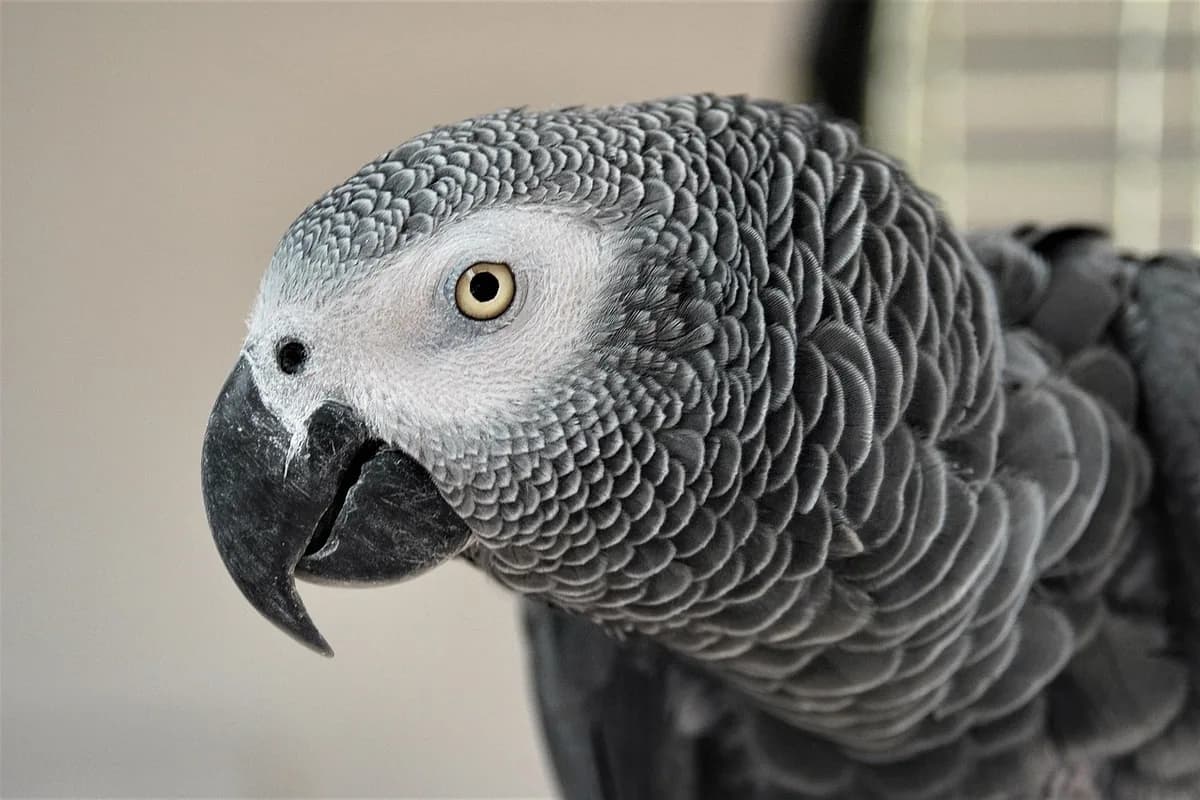
Talking is not a party trick to a parrot. It is flock behavior. In the wild, parrots are intensely social animals that stay in constant vocal contact with the birds around them, learning and echoing the flock's calls so the group stays coordinated and safe. When your bird lives in your home, you and your family become the flock. The sounds it chooses to learn — words, whistles, your laugh, even the microwave beep — are its way of belonging.
Understanding that one fact changes everything about how you teach speech and how you handle the noises you would rather not hear. At Bird Sitting Toronto, where we board hundreds of birds every year, the birds with the biggest vocabularies are almost always the ones whose people talk to them warmly, often, and in context.
Which Species Actually Talk
Talking ability varies enormously by species, and just as much from bird to bird within a species. Some famous "talkers" never say a word; some "quiet" species surprise everyone. Use the chart below to set realistic expectations, not guarantees.
| Talking Ability | Species | What to Expect |
|---|---|---|
| Excellent | African Greys, Amazons, Indian Ring Necks, Quakers | Large vocabularies, clear speech, words often used in context |
| Good | Eclectus, Cockatoos, Budgies, Macaws | Real words are common; budgie voices are small and muffled, macaws loud and blunt |
| Moderate | Conures, Cockatiels, Caiques, Senegals | A handful of words; cockatiels usually prefer whistling tunes to speech |
| Minimal | Lovebirds, Parrotlets, Pionus, Lorikeets | Rarely more than a word or two; wonderful communicators in other ways |
Finches and canaries are not on this chart on purpose. They are passerines (songbirds), not hookbill parrots, and they sing rather than mimic human speech. A canary's song is its language, and it is a lovely one — just do not expect words.
Tip: Choose your bird for the bird, not the vocabulary. A silent parrotlet can be every bit as affectionate, clever, and rewarding as a chatty Grey. If a quiet home matters to you, pick a species accordingly rather than hoping to train the noise away.
Why Your Bird Wants to Copy You
Because mimicry is a bonding and belonging behavior, the currency of speech training is not food — it is your attention. A bird learns the sounds that reliably bring the flock closer, that get a reaction, that earn a warm response. This is why enthusiasm works so well and why, as you will see below, yelling at a screaming bird backfires so badly.
It is also why the best talkers seem to mean what they say. The pioneering work of Dr. Irene Pepperberg with an African Grey named Alex, carried out over roughly thirty years, showed that a parrot can go well beyond rote mimicry — Alex learned to label objects, colors, shapes, and materials and to use those words to make requests and answer questions. Not every bird is an Alex, and comprehension varies hugely, but the takeaway is practical: teach words in context and your bird is far more likely to use them meaningfully.
Tip: Make attention the reward. When your bird attempts a word or makes a pleasant sound, lean in, brighten your voice, and give it a moment of connection. That social payoff teaches faster than any treat.
Teaching a First Word
The first word is the hardest and can take weeks or even months. Keep sessions short — five to ten minutes — and upbeat, and repeat daily.
- Choose a simple first word. Start with a clear one- or two-syllable word said with obvious enthusiasm. Your bird's own name, "hello," or "hi" are excellent starters.
- Repeat with emotion. Say the word clearly and brightly ten to fifteen times in a row during a calm, unhurried moment. Birds latch onto sounds delivered with energy and feeling.
- Anchor words to actions. Say "Hello!" every time you walk into the room and "Bye bye!" every time you leave. Context is what turns a mimicked sound into meaningful communication.
- Reward every attempt. If your bird mumbles or only approximates the word, celebrate it as a win. Clarity comes later; the willingness to try comes first.
- Be patient and consistent. Daily repetition in a relaxed bird almost always wins in the end. Some birds go quiet for months and then suddenly blurt out a perfect word.
Building a Vocabulary Over Time
Once the first word arrives, new words usually come faster because your bird now understands the game.
- Label daily routines. "Good morning!" when you uncover the cage, "Dinner time!" at meals, "Night night!" at bedtime. Predictable phrases attached to predictable events stick.
- Narrate what you do. "I'm getting water," "Time to go outside." Birds absorb whole phrases they hear repeatedly in context.
- Use music and singing. Many birds pick up short, repetitive melodies faster than speech. A simple tune is a great gateway to vocal learning.
- Play recordings during quiet times. Short audio loops of a target word can help, but they never replace live, interactive practice — your presence is the real motivator.
- Reinforce every effort. Even unclear babble is your bird rehearsing. Respond warmly and it will keep going.
Managing Screaming and Unwanted Sounds
Some volume is non-negotiable. Parrots naturally call loudly at dawn and dusk to reconnect with the flock, and you cannot — and should not — train that instinct away entirely. What you can shape is problem screaming, the relentless, escalating noise that has been accidentally rewarded. Four steps work together:
- Ignore the noise completely. Do not look, do not talk, do not walk over. Any reaction, even a frustrated one, tells your bird the screaming worked.
- Reward the quiet. The instant your bird pauses or makes a pleasant sound, turn and give it warm attention. You are teaching it that soft sounds bring the flock, and screaming does not.
- Teach a replacement contact call. Give your bird a specific quiet sound — a soft whistle or a gentle "I'm here" — and answer it every time. When it has a reliable way to reach you, the desperate screaming usually fades.
- Rule out unmet needs. Screaming often signals boredom, loneliness, or too little sleep. Most parrots need ten to twelve hours of dark, quiet rest, plenty of foraging and out-of-cage time, and daily interaction. Fix the underlying need and the noise often drops on its own.
Warning: Never yell at a screaming bird. To a parrot, your raised voice is you joining the flock call — you have just rewarded and amplified the exact behavior you want to stop.
The most important distinction is between behavior and illness. Learned screaming is a behavior problem you manage with the steps above. But a genuine change in your bird's voice is different. A parrot that suddenly loses its voice, goes hoarse, develops a wheeze, click, or tail-bob with each breath, or otherwise sounds different should be seen by an avian veterinarian. Birds instinctively hide sickness, and per avian veterinary consensus a change in vocal quality can be an early sign of respiratory disease.
Warning: A change in your bird's voice — hoarseness, loss of voice, wheezing, clicking, or open-mouth breathing — is a medical sign, not a training issue. Contact an avian vet promptly.
Speech and vocalization training is really relationship training. Talk to your bird like the social flockmate it is, reward the sounds you want with the attention it craves, ignore the ones you do not, and give it patience. Whether your companion ends up holding whole conversations or simply whistling a tune that is all its own, you will have built something better than a vocabulary — a bird that trusts its flock.
Explore related topics
Related Articles
Do Parrots Understand What They Say? The Science Is Surprising
Is your parrot just mimicking or do they actually understand? The research says it's more complex than simple mimicry.
How to Stop My Parrot from Screaming: A Step-by-Step Plan
Your parrot's screaming is driving you crazy. This structured plan addresses the root cause, not just the symptom.
Teaching Your Parrot to Whistle Tunes: A Fun Training Guide
Cockatiels are famous for it, but many species can learn tunes. Here's how to teach your bird to whistle your favorite song.