Senegal Parrot Behavior and Body Language: Reading the Quiet One
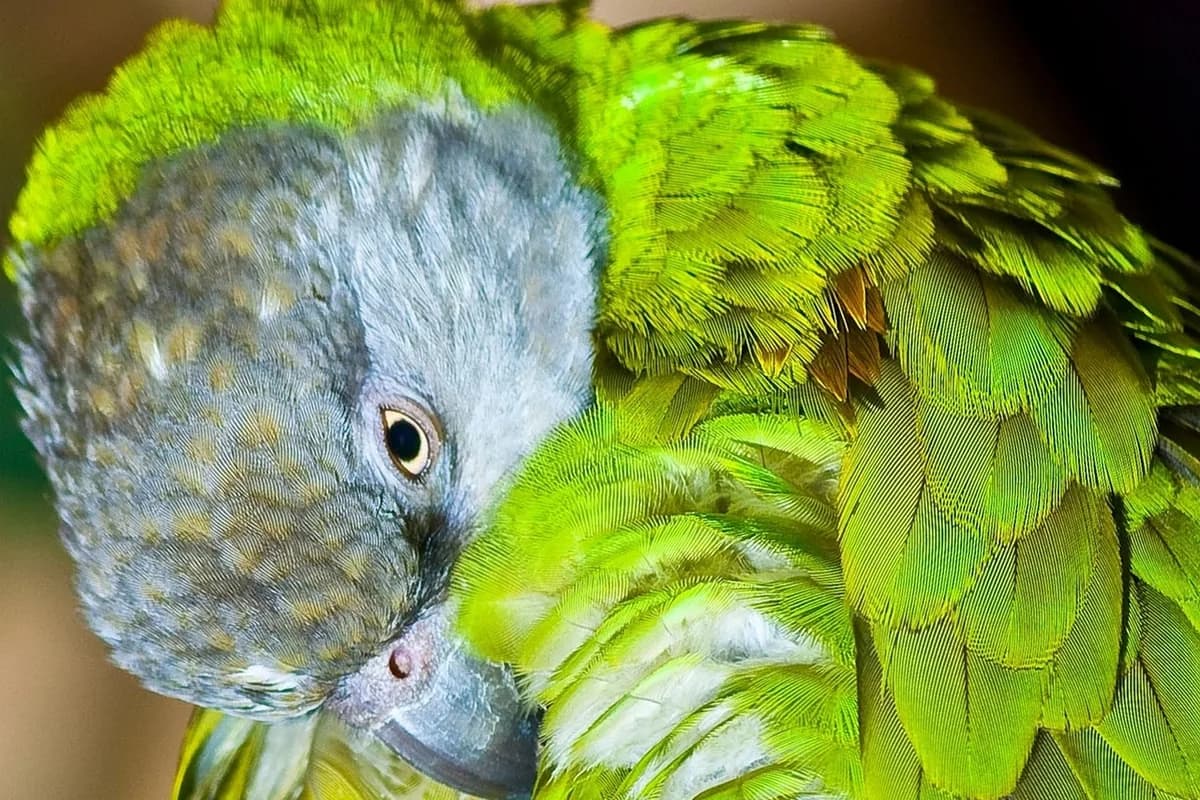
Senegal Parrots are, by parrot standards, remarkably understated. They don't scream the house down, they don't put on the histrionic displays of a cockatoo, and they'd generally rather watch the room than perform for it. That reserve is exactly what makes reading them a skill worth learning: a Senegal's signals are quiet and quick, and if you miss them you'll be surprised by a bite that, from the bird's point of view, it warned you about three times. At Bird Sitting Toronto, the Senegals in our care are among the calmest boarders we host — and also the ones whose body language rewards the closest attention.
The Senegal Temperament
The defining trait of this species is loyalty that runs narrow. Senegals form intense bonds, and a poorly socialized bird will often choose one person and treat everyone else as an intruder — leaning away, lunging, or delivering a sharp nip when a "non-chosen" person approaches. This is not a mean bird; it's a bird doing exactly what its wiring tells it to do. Broad early socialization (covered in our training guide) is what keeps that loyalty from curdling into a one-person, everyone-else-bites problem.
Day to day, a well-adjusted Senegal is calm, curious, playful in short bursts, and independent. They entertain themselves with foraging and chewing, they don't demand constant contact the way some parrots do, and they tend to observe a new situation before committing to it. Read that thoughtfulness as a feature, not aloofness.
Reading the Body
Comfortable and content
- Loose, slightly fluffed body feathers with a relaxed posture — your bird feels safe.
- Beak grinding — that soft, gritty grinding sound is a deeply content, settling-in-for-sleep signal.
- One foot tucked up into the belly feathers — a bird standing on one leg is a relaxed bird.
- Preening, and preening you — routine grooming, and allopreening your hair or fingers, both signal trust.
- Gentle, quiet chatter or soft whistling — background contentment noise.
Interested, excited, or over-aroused
- Eye-pinning (flashing): the pupils rapidly shrink and expand. Senegals do this a lot. Pinning by itself just means intensity — read the rest of the body to know whether it's delighted excitement over a treat or building agitation.
- Head-bobbing and bill-wiping — often a "give it to me" or excited-anticipation gesture, common at mealtime or during play.
- Wing-flapping while gripping the perch — exercise and pent-up energy; healthy, normal behavior.
- Beak-fencing and toy-thrashing — play. Senegals are enthusiastic, slightly rough chewers.
"Back off" — pre-bite warnings
- Sleeked, tight feathers with the body leaning away — the opposite of relaxed fluff; your bird wants distance.
- Pinned eyes paired with a stiff, forward stance — arousal that's tipping toward defensive.
- Beak slightly open, body tense, weight shifted forward — the last warning before a bite. Stop and give space.
- Lunging, a sharp hiss, or a "growl" click — an unmistakable "no."
- Sudden freeze and stare — a Senegal that goes still and locks eyes is not relaxed; it's deciding.
Tip: Senegals are a beak-driven species and can be nippy even when they like you. The single best bite-prevention habit is to pause the instant the feathers sleek down or the beak opens, and let the bird reset. Pushing past that "back off" cue is how a trusting bird learns that biting is the only signal humans actually listen to.
Note that Senegals do not have a mobile crest like a cockatiel or cockatoo — the head feathers may lift slightly with alarm, but don't wait for a "crest" that this species doesn't raise. Watch the whole body and especially the eyes and beak.
Vocalizations
For a parrot, the Senegal is quiet — a genuine 2 out of 5 on noise, which is why it earns its apartment-friendly reputation. Its natural repertoire runs to whistles, clucks, chirps, and clicks rather than sustained screaming.
- Contact calls — a repeated "where are you?" whistle when you leave the room. Answer it and your bird settles; ignore it and it may escalate.
- Alarm calls — a sharp, sudden shriek means something startled your bird (a hawk shadow at the window, a dropped pan). Short and situational.
- Chatter and mimicry — Senegals are modest talkers (talking ability 2/5): expect a handful of clear words and, more reliably, some excellent whistles, doorbell imitations, and microwave beeps. Value them for their whistling, not a big vocabulary.
- Contentment sounds — soft warbling, beak grinding, and quiet muttering while relaxed or drifting to sleep.
Hormones and Seasonality
Even the mellowest Senegal has a hormonal season, usually in spring as daylight lengthens. During these weeks you may see a normally sweet bird become territorial around the cage, more prone to biting, and fixated on a favorite person or a nest-like spot (a box, a drawer, the space under the couch).
You can dial this down considerably:
- Ensure 10–12 hours of dark, uninterrupted sleep — long "days" from household lighting are a major hormonal trigger.
- Don't pet below the neck. Stroking the back and along the tail is read as mating behavior; keep affection to head and neck scritches.
- Remove nesting invitations — huts, tents, dark enclosed hides, and shreddable "burrows" all encourage nesting hormones.
- Keep the diet lean. Rich, high-fat, warm foods can prime breeding behavior; our nutrition guide covers the low-fat approach.
Warning: A sudden personality change outside of spring — new aggression, withdrawal, or clinginess — is not always hormonal. Pain and illness change behavior too, and Senegals are experts at hiding sickness. If a behavior shift comes with fluffed feathers, appetite change, or lethargy, treat it as a possible medical issue and consult an avian vet.
Common Behavior Challenges
- One-person aggression: the signature Senegal problem. The fix is prevention and management — have multiple people offer treats, hand out step-ups, and share the good experiences so the bird's loyalty broadens.
- Nippiness during handling: almost always a missed body-language cue. Slow down, respect the warnings, and reward calm.
- Cage territoriality: many Senegals guard their cage fiercely while being sweet away from it. Interact and train in a neutral room rather than reaching into their fortress.
- Feather-plucking or over-preening: if you see barbering or bald patches, treat it as a red flag — rule out medical causes first, then look at boredom, poor sleep, low humidity, and hormones. Our health guide covers this in depth.
Learn to read the quiet one, respond to the small signals before they become big ones, and your Senegal will reward you with the steady, characterful companionship this species is quietly famous for.
Explore related topics
Related Articles
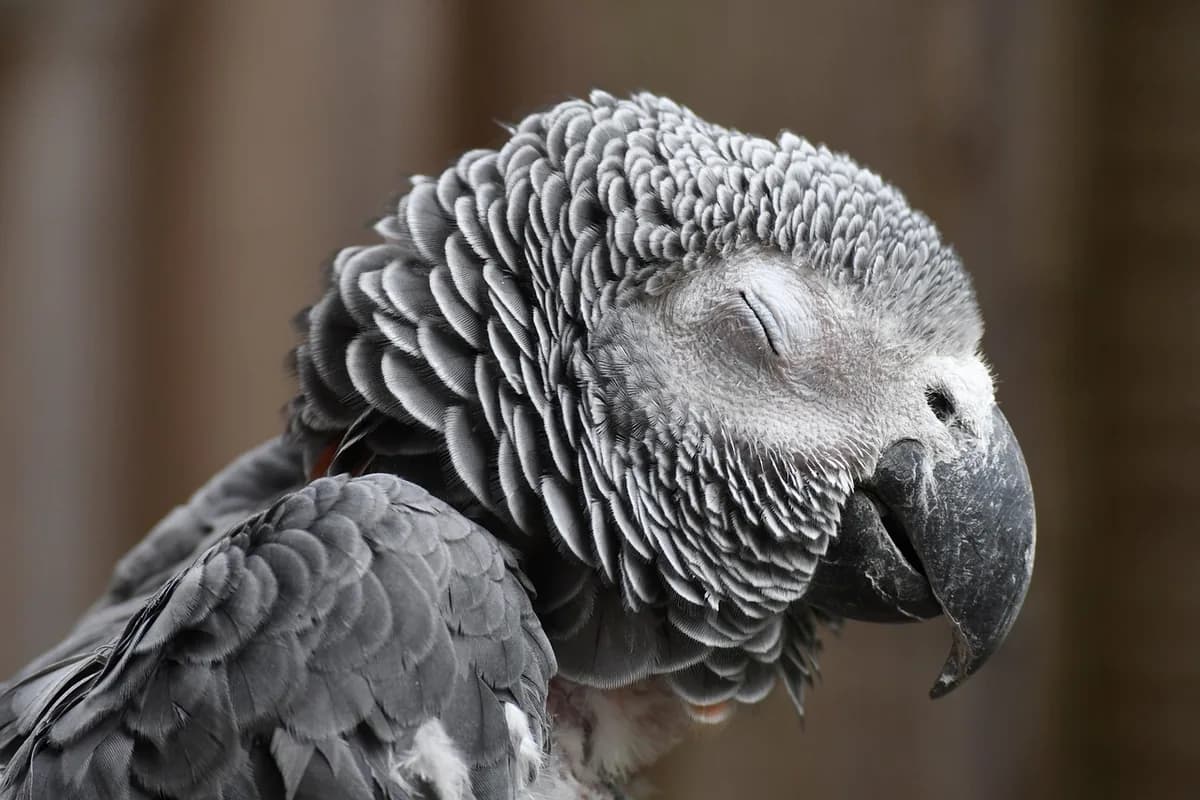
Understanding Congo African Grey Behavior and Body Language
Read your African Grey like an expert — the pinning eyes, subtle feather shifts, and cautious neophobic nature of this sensitive species, plus its famous contextual speech and the hormonal and phobic behaviours owners most often misread.
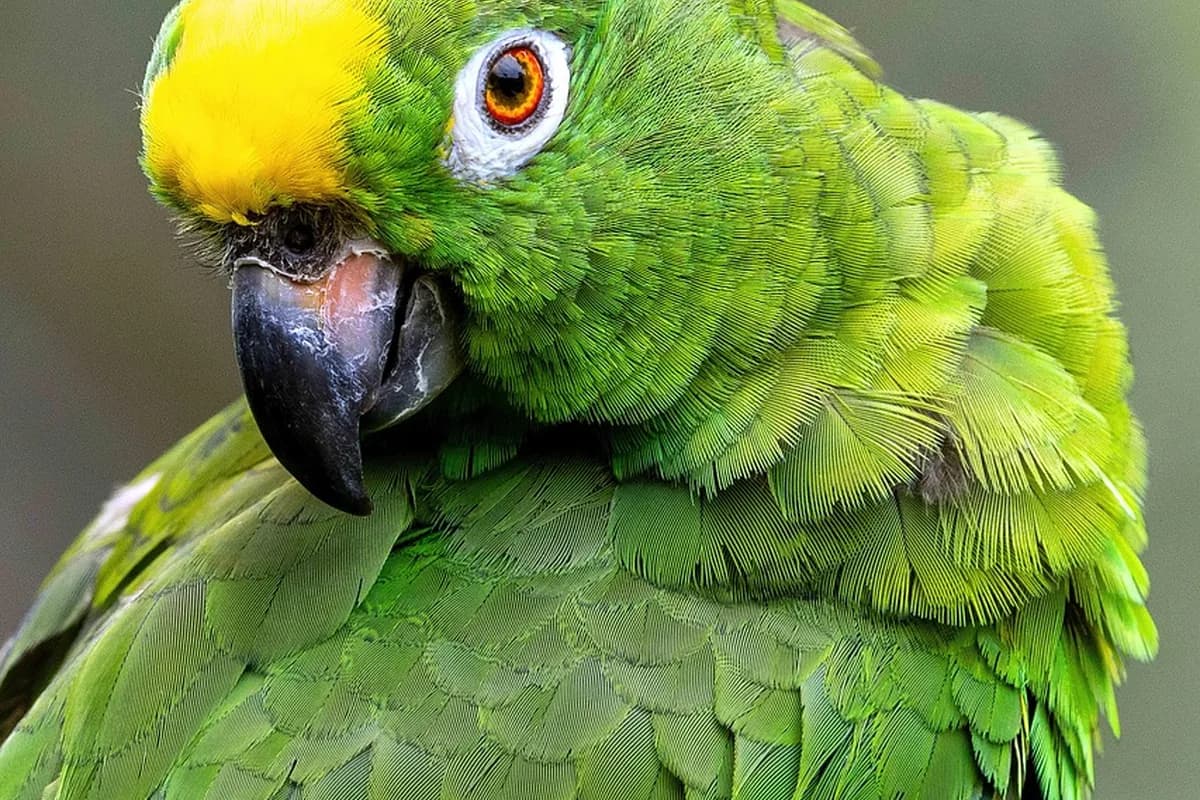
Reading Amazon Parrot Behavior & Body Language: The Overload Warning
Amazon parrots wear their emotions loudly. Learn to read pinned eyes, a fanned tail, and raised nape feathers — the classic 'Amazon overload' — plus their vocal moods and spring hormonal swings, so you can stop before a bite.
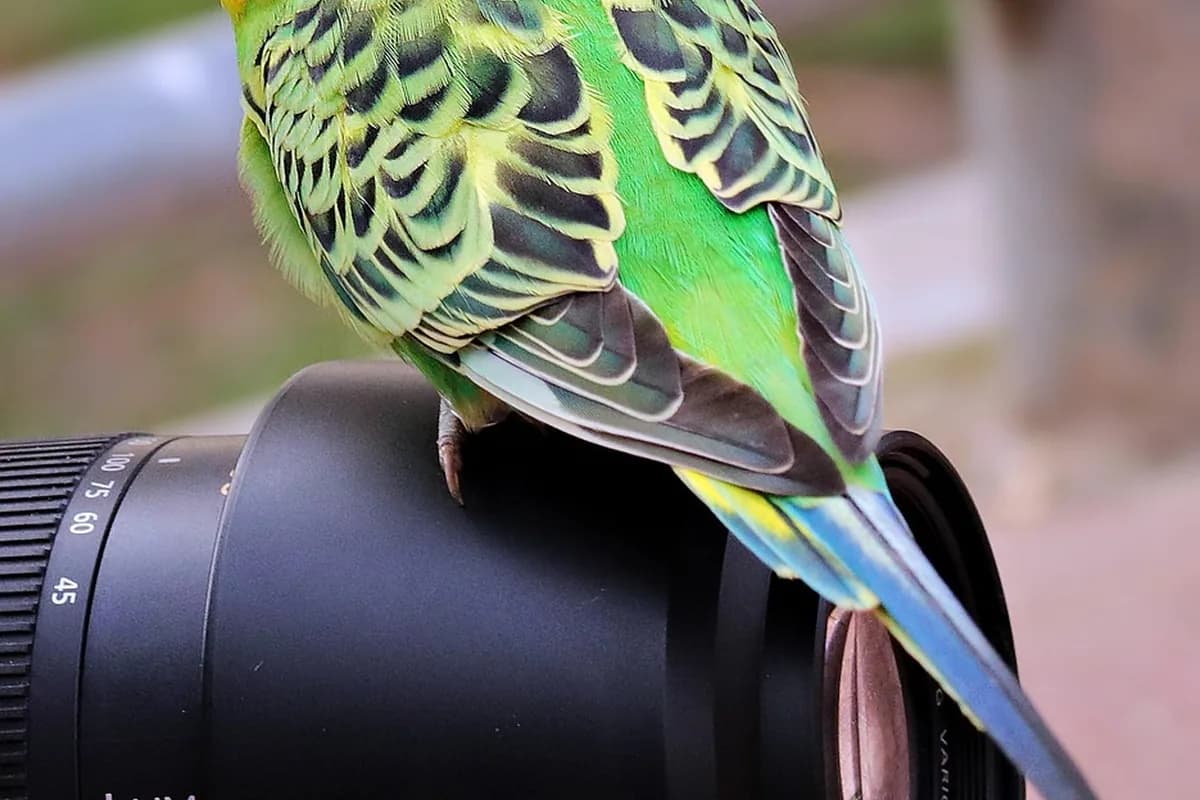
Understanding Budgie Behavior and Body Language
Learn to read a budgie: cere colour and what it says about sex and hormones, head-bobbing, contact calls, contented beak-grinding, and how to tell excited from overstimulated before a nip.