Reading Parrot Body Language: The Complete Visual Guide
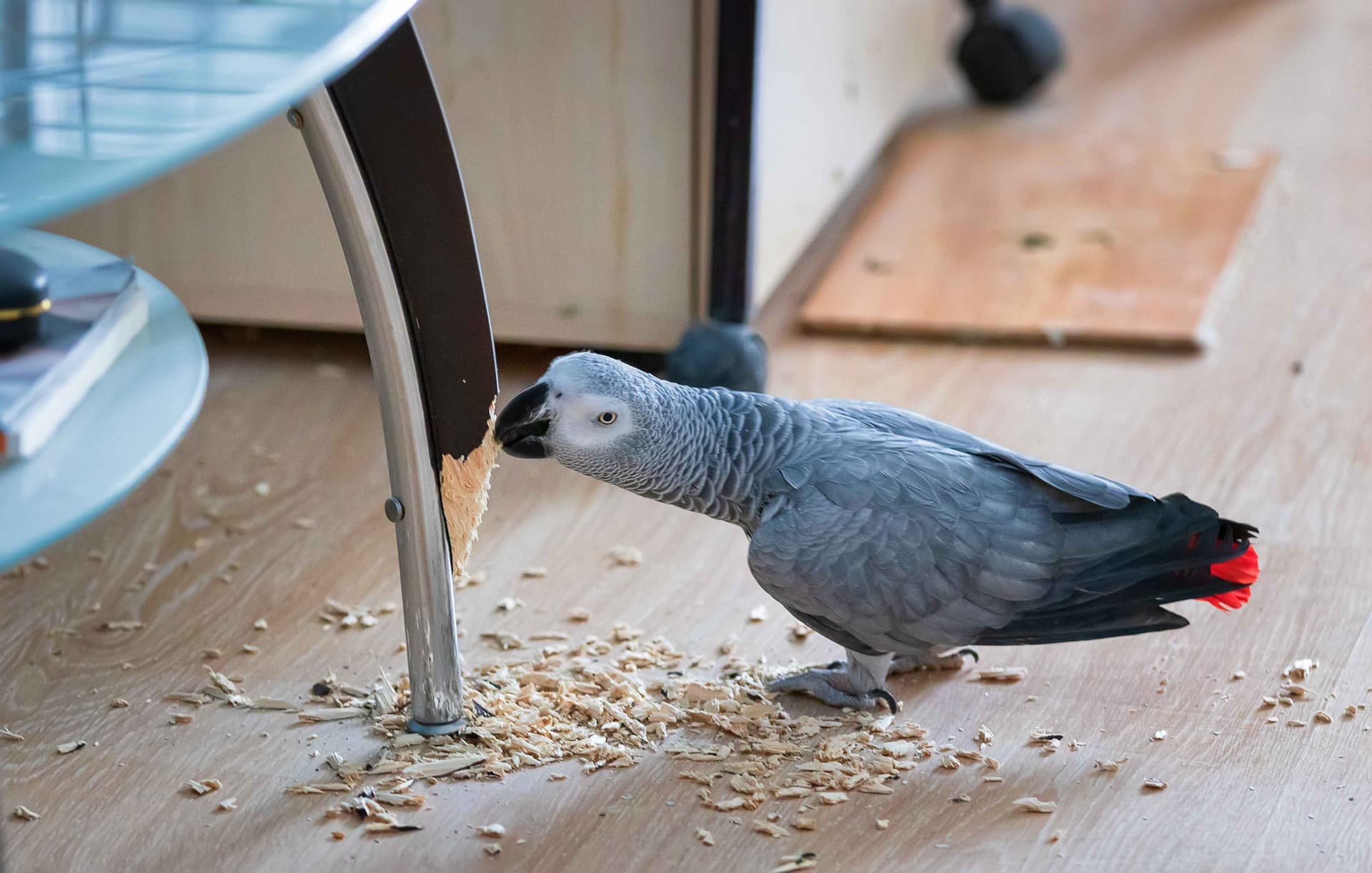
Understanding Your Feathered Friend's Silent Communication
Your parrot is constantly talking to you — even when they're not making a sound. Birds communicate through an intricate language of body movements, postures, and behaviors that can tell you everything from "I'm happy and relaxed" to "Back off, I need space right now."
In our experience boarding over 1,000 birds at Bird Sitting Toronto, we've learned that understanding parrot body language is one of the most valuable skills any bird owner can develop. It helps you respond appropriately to your bird's needs, prevents bites, and deepens your bond by showing your feathered friend that you truly "get" them.
The thing is, parrots evolved to hide illness and vulnerability in the wild, so they're incredibly subtle communicators. What might look like a small gesture to us can actually be a significant message. Let's decode these signals together.
The Complete Body Language Reference Guide
Here's your comprehensive guide to parrot body language, organized by what you'll observe and what it means:
| Body Language | What It Means | Your Response |
|---|---|---|
| Pin Eyes (pupils rapidly dilating/contracting) | High excitement, arousal, or aggression | Give space; assess the situation before approaching |
| Crest Fully Raised (cockatoos/cockatiels) | Alert, excited, or startled | Normal response; observe other signals for context |
| Crest Flat Against Head | Fear, submission, or illness | Provide comfort; check for other stress signs |
| Tail Fanning | Excitement, territorial display, or showing off | Usually positive; enjoy the display from respectful distance |
| Beak Grinding | Contentment, preparing for sleep | This is wonderful — your bird feels safe and relaxed |
| Feathers Fluffed (brief) | Getting comfortable, adjusting temperature | Normal grooming behavior |
| Feathers Fluffed (prolonged) | Illness, cold, or stress | Monitor closely; consult vet if persistent |
| Head Bobbing (rhythmic) | Excitement, attention-seeking, or feeding response | Engage positively; they want interaction |
| Head Bobbing (aggressive) | Territorial warning, preparing to lunge | Give space immediately |
| Wing Flipping | Attention-seeking, exercise, or mild frustration | Usually wants interaction or activity |
| One Foot Tucked Up | Relaxed, comfortable, resting | Perfect — your bird feels secure |
| Foot Tapping | Impatience, boredom, or territorial behavior | Provide enrichment or redirect attention |
| Leaning Toward You | Wants attention, affection, or to step up | Positive invitation for interaction |
| Leaning Away | Wants space, feeling overwhelmed | Respect their boundaries; step back |
| Hanging Upside Down | Playful, showing off, exercising | Healthy play behavior — enjoy watching! |
| Regurgitation | Bonding behavior, showing affection | Honor the gesture but don't encourage it |
| Threat Posture (lunging, wings spread) | Serious warning, preparing to bite | Stop what you're doing; give immediate space |
Key Body Language Categories Explained
Eye Signals: The Windows to Their Mood
Pin Eyes are perhaps the most important signal to recognize. When your bird's pupils rapidly contract and dilate, they're in a heightened emotional state. This could mean excitement about their favorite treat, but it can also signal aggression or overstimulation.
Pro Tip: Pin eyes combined with other signals tell the real story. Pin eyes + leaning toward you + happy vocalizations = excitement. Pin eyes + fluffed neck feathers + lunging = back off now.
Eye contact itself is significant. Direct, soft eye contact often indicates trust and affection, while hard staring can be a challenge or threat.
Crest Communication (For Cockatoos and Cockatiels)
If you have a crested bird, you've got a built-in mood indicator. A fully raised crest usually means your bird is alert and engaged — they've noticed something interesting. A slightly raised crest often indicates curiosity or mild interest.
However, a crest pinned flat against the head is concerning. This typically signals fear, illness, or extreme submission. We see this sometimes when birds first arrive at our facility and feel overwhelmed by the new environment.
Feather Positioning: Comfort Levels Revealed
Brief feather fluffing is normal — birds do this to adjust their temperature and get comfortable, much like we might adjust our clothing. But prolonged fluffing, especially when combined with sitting low on the perch or closing eyes frequently, can indicate illness.
Sleek, tight feathers usually indicate alertness or mild stress, while relaxed, slightly loose feathers suggest contentment.
Wing and Tail Signals
Wing flipping — that quick lifting and dropping of one or both wings — is often your bird's way of saying "Hey, look at me!" It's usually attention-seeking behavior, though it can also indicate mild frustration or the need for exercise.
Tail fanning is generally positive. Birds fan their tails when they're excited, showing off, or claiming territory. It's often accompanied by other confident body language.
Beak Behaviors: From Contentment to Warning
Beak grinding is one of the most delightful sounds in the bird world. This soft, rhythmic grinding typically happens as birds settle in for sleep and indicates they feel completely safe and content. If your bird beak grinds around you, take it as a huge compliment.
Beak clicking or tongue clicking can mean several things depending on context. Sometimes it's exploratory — they're "tasting" the air or investigating something new. Other times, it's a mild warning or attention-seeking behavior.
Foot Language: Balance and Comfort
A bird standing on one foot with the other tucked up is showing you they're completely relaxed. This is actually a vulnerable position, so they'll only do it when they feel totally safe.
Foot tapping or drumming often indicates impatience or boredom. We see this frequently with highly intelligent birds who need more mental stimulation.
The Serious Signals: When Your Bird Needs Space
The threat posture is unmistakable once you know what to look for. Your bird will make themselves appear larger by spreading their wings, lean forward aggressively, and often pin their eyes. This is their final warning before a bite.
Regurgitation deserves special mention because it's often misunderstood. When your bird brings up food for you, they're showing the highest form of affection — treating you like a mate or baby they want to feed. While it's touching, it's best not to encourage this behavior as it can lead to hormonal issues.
Context Is Everything
Here's the thing about bird body language — context matters enormously. A head bob during play time means something completely different from a head bob when a stranger approaches their cage. Always consider:
- What's happening in the environment? New people, loud noises, changes in routine?
- Time of day — Is it their usual active period or rest time?
- Recent events — Did something startle them? Are they hungry?
- Your bird's personality — Some birds are naturally more expressive or dramatic than others
Important: Trust your instincts. If something seems "off" about your bird's body language, even if you can't pinpoint exactly what, pay attention. Birds are masters at hiding illness, so subtle changes in normal behavior patterns can be significant.
Building Your Observation Skills
The best way to become fluent in your bird's body language is through consistent, mindful observation. Spend time just watching your bird during different activities — eating, playing, resting, interacting with family members. You'll start to notice their individual patterns and preferences.
Keep in mind that every bird is an individual. While these signals are generally consistent across species, your bird may have their own unique variations or combinations of behaviors.
Final Thoughts
Learning to read your parrot's body language transforms your relationship from simple coexistence to true communication. When you can recognize that your bird is asking for attention, warning you they need space, or simply showing you they feel safe and happy, you become a better companion and caregiver.
Remember, this is an ongoing conversation. Your bird is always communicating with you — now you have the tools to understand what they're saying and respond appropriately. The more you practice reading these signals, the stronger your bond will become, and the more your feathered friend will trust you to understand their needs.
Explore related topics
Related Articles
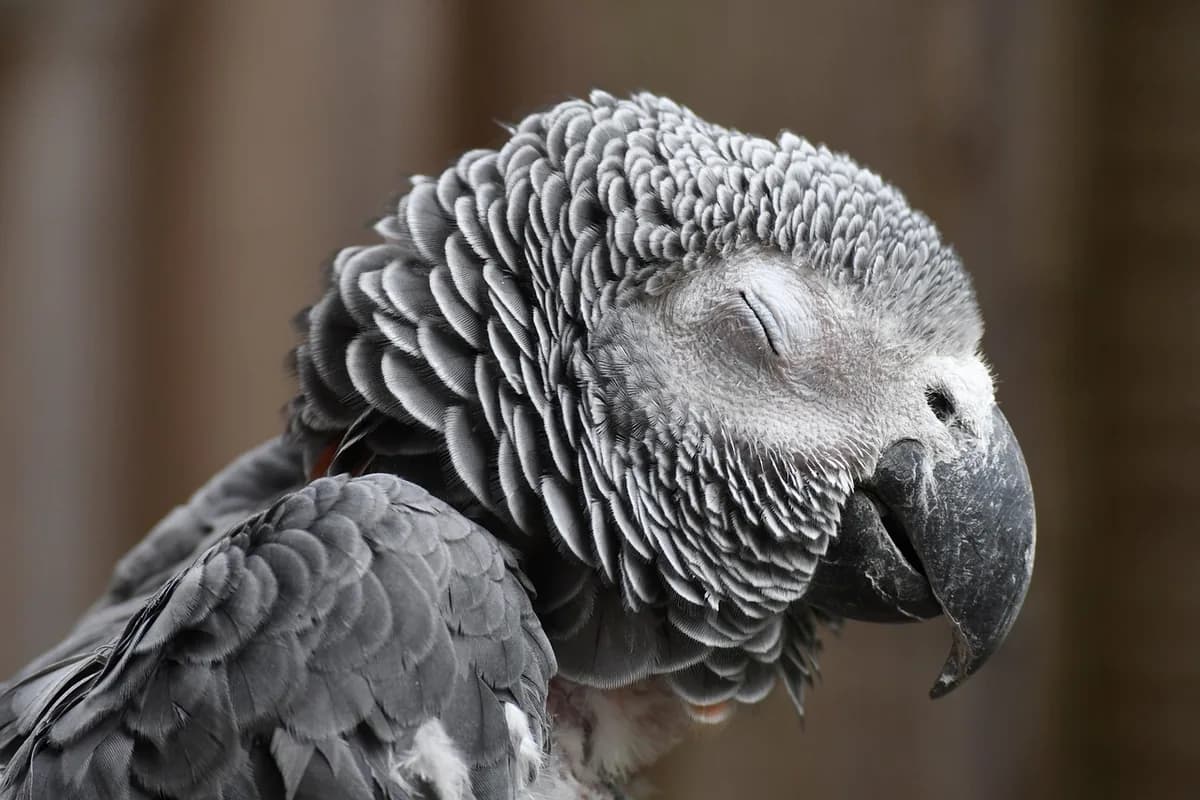
Understanding Congo African Grey Behavior and Body Language
Read your African Grey like an expert — the pinning eyes, subtle feather shifts, and cautious neophobic nature of this sensitive species, plus its famous contextual speech and the hormonal and phobic behaviours owners most often misread.
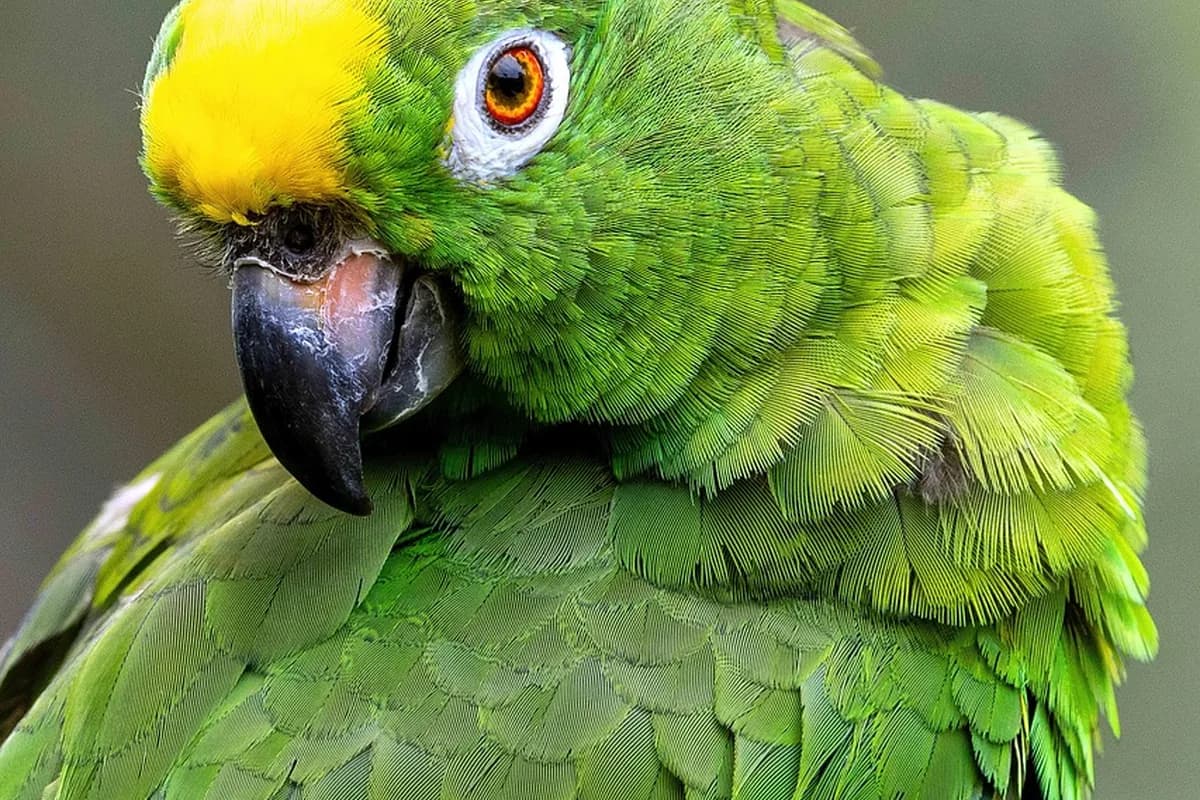
Reading Amazon Parrot Behavior & Body Language: The Overload Warning
Amazon parrots wear their emotions loudly. Learn to read pinned eyes, a fanned tail, and raised nape feathers — the classic 'Amazon overload' — plus their vocal moods and spring hormonal swings, so you can stop before a bite.
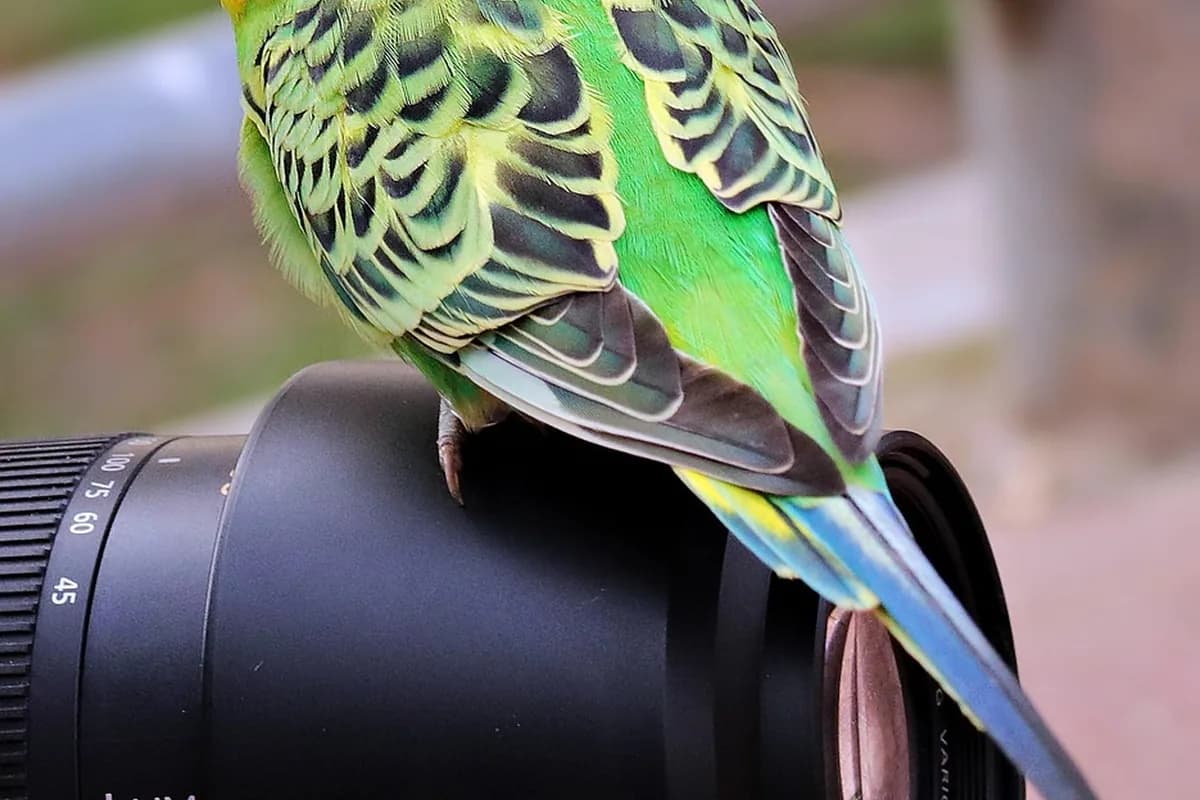
Understanding Budgie Behavior and Body Language
Learn to read a budgie: cere colour and what it says about sex and hormones, head-bobbing, contact calls, contented beak-grinding, and how to tell excited from overstimulated before a nip.