Reading Your Quaker Parrot: Behavior and Body Language
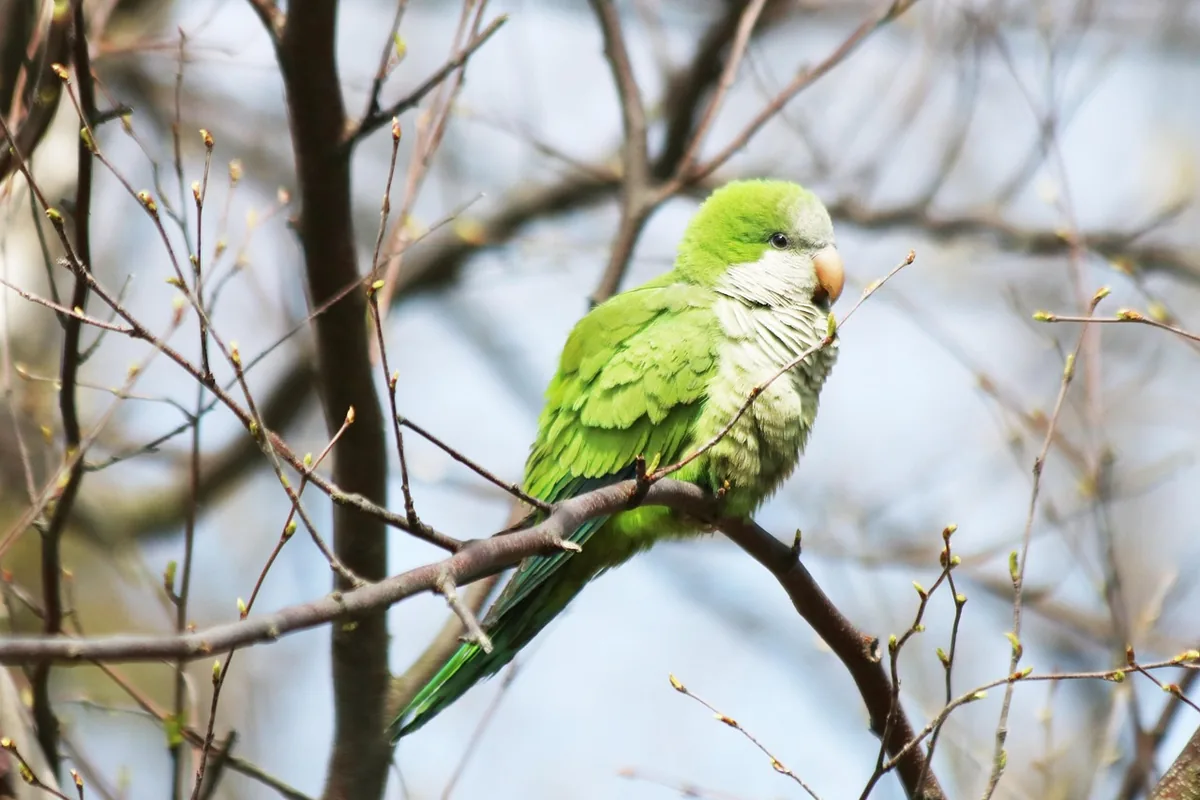
Quaker Parrots (Myiopsitta monachus) are among the most expressive small parrots you will ever meet — and among the most misread. Because they are so bold and so bonded, owners often mistake a territorial warning for aggression, or a hormonal display for meanness. Learn to read the signals and you will see that a quaker almost always tells you exactly what it is about to do. At Bird Sitting Toronto, the quakers we board are the birds most likely to greet us by name and the most likely to defend their cage door like a fortress. Both are pure quaker.
Temperament: Social, Vocal, and Fiercely Territorial
A quaker's core personality is easy to summarize: intensely social, endlessly vocal, genuinely funny, and strongly territorial. In the wild they are the only parrot that builds large communal stick nests, living in busy colonies — so a companion quaker is wired to be part of a group and to defend its home turf within it.
That territorial streak is the single most important thing to understand about the species. A quaker that is a cuddly angel on your shoulder can become a lunging, nipping guard the instant you reach into its cage. This is not a character flaw; it is the nest-defense instinct doing its job. Nearly every "my quaker bit me for no reason" story is really a cage-territory story.
Body Language, Head to Tail
Quakers do not have the dramatic movable crest of a cockatoo, but they signal clearly with their eyes, feathers, and posture.
Content and relaxed
- Beak grinding — that soft grinding or clicking, usually before sleep, means a calm, contented bird.
- One foot tucked up, feathers slightly fluffed — feeling safe and settled.
- Relaxed preening — routine grooming signals comfort in the environment.
- Soft chatter, babbling, or practicing words — a happy quaker narrates its day.
- Gentle tail wag — a quick side-to-side tail flick often marks pleasure, like a greeting.
Excited or overstimulated
- Eye pinning (flashing) — the pupils rapidly shrink and dilate. This means high arousal, and context decides whether it is delighted excitement or "back off." Pair it with the rest of the body.
- Head bobbing — wants attention, food, or is simply excited.
- Wing flapping in place / wing-flaring — burning energy or displaying; normal, but a signal to read the mood.
- Regurgitating for you or a toy — a bonded, affectionate (and often hormonal) gesture, not illness.
Warning: give the bird space
- Leaning forward, beak open, eye pinning, tail flared — the classic quaker "do not reach in here" stance. A bite is next.
- Lunging or hissing at the cage door — pure territory defense; back off and try again from neutral ground.
- Feathers slicked tight, body tense, leaning away — fear or a bird about to flee or snap.
- Sudden freezing or rapid panting — stress or overheating; check the environment.
Tip: The most reliable way to avoid a quaker bite is to never force a hand into a cage a bird is guarding. Ask for a step-up at the open door, let the bird come to you, or move interactions to a neutral perch or playstand where the territorial instinct switches off.
The Vocal Repertoire
On a talking scale of 5, quakers rate about a 4 — extraordinary for a bird this size, and rivalling parrots several times heavier. They readily learn dozens of words, whole phrases, whistles, and household sounds, and many use them in context. Their overall noise level is also around a 4: not constant screamers, but capable of piercing bursts.
| Sound | What it means |
|---|---|
| Contact call | "Where are you?" — checking in on you as a flock member |
| Alarm call / sharp scream | Something startled the bird; a new person, a hawk shadow, a loud noise |
| Soft chatter, babble, mumbling | Contentment; practicing speech; self-soothing |
| Talking or whistling in context | Learned communication — greeting you, asking for food |
| Escalating repetitive calls | Attention-seeking; answer selectively so you do not reward screaming |
Warning: How you respond to a contact scream trains it. If your quaker screams and you come running (or shout back), you have taught it that screaming summons the flock. Answer with a calm whistle or word when the bird is quiet, and reward the softer contact call instead.
Hormones and Seasonality
Quakers can become seasonally hormonal, typically in spring as daylight lengthens, and their nest-building drive makes this pronounced. Watch for:
- Intensified cage/territory guarding and more biting.
- Shredding paper and weaving material, tunneling into corners, or trying to build a nest.
- Regurgitating for a favorite person, toy, or mirror.
- A bonded bird becoming possessive of one household member.
You can dial this back with husbandry, not punishment: give a firm 10-12 hours of darkness each night, remove nest-like hideaways, huts, and tents, avoid petting anywhere but the head and neck (back and tail stroking is sexually stimulating), and cut back on warm, soft, high-carb foods that mimic breeding-season abundance.
Common Behavior Challenges — and How to Read Them
- Cage aggression / one-person biting: the flagship quaker issue. Read it as territory, not malice. Train and interact away from the cage, and rotate handling among family members early.
- Screaming for attention: reward quiet, ignore the demand call, and never reinforce the loud contact scream by rushing over.
- Feather picking or self-mutilation: a behavioral red flag layered on a medical one. Quakers are prone to feather-destructive behavior and the species-specific "mutilation syndrome," so any plucking or skin-chewing warrants an avian-vet visit before you assume it is boredom.
- Possessive bonding: a quaker will pick a person and defend them. Broaden its social circle so it stays handleable by everyone in the home.
The Takeaway
A Quaker Parrot is not a subtle bird — it is a loud, loving, opinionated colony animal in a small green body. Respect the territory, answer the calls thoughtfully, manage the spring hormones with light and sleep, and treat any feather damage as medical first. Do that, and the quaker's other side — the funny, chatty, deeply affectionate companion — is the one you will live with every day.
Explore related topics
Related Articles
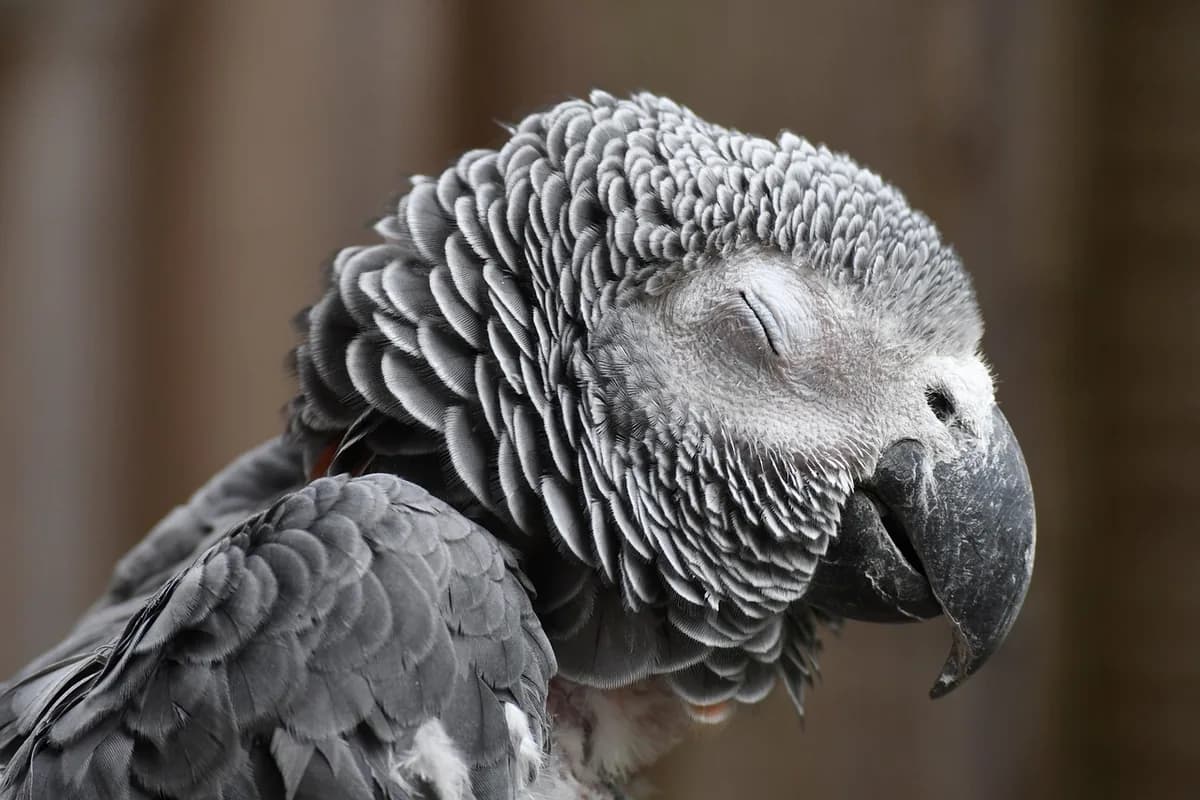
Understanding Congo African Grey Behavior and Body Language
Read your African Grey like an expert — the pinning eyes, subtle feather shifts, and cautious neophobic nature of this sensitive species, plus its famous contextual speech and the hormonal and phobic behaviours owners most often misread.
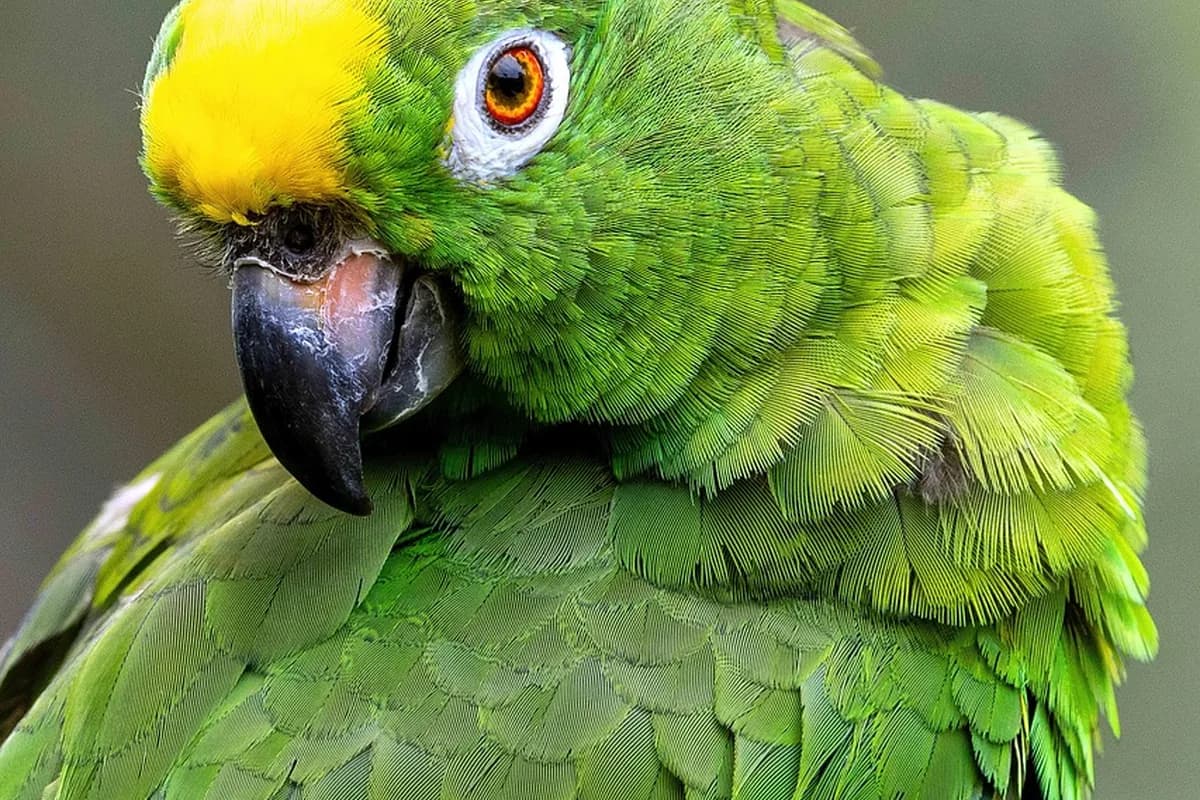
Reading Amazon Parrot Behavior & Body Language: The Overload Warning
Amazon parrots wear their emotions loudly. Learn to read pinned eyes, a fanned tail, and raised nape feathers — the classic 'Amazon overload' — plus their vocal moods and spring hormonal swings, so you can stop before a bite.
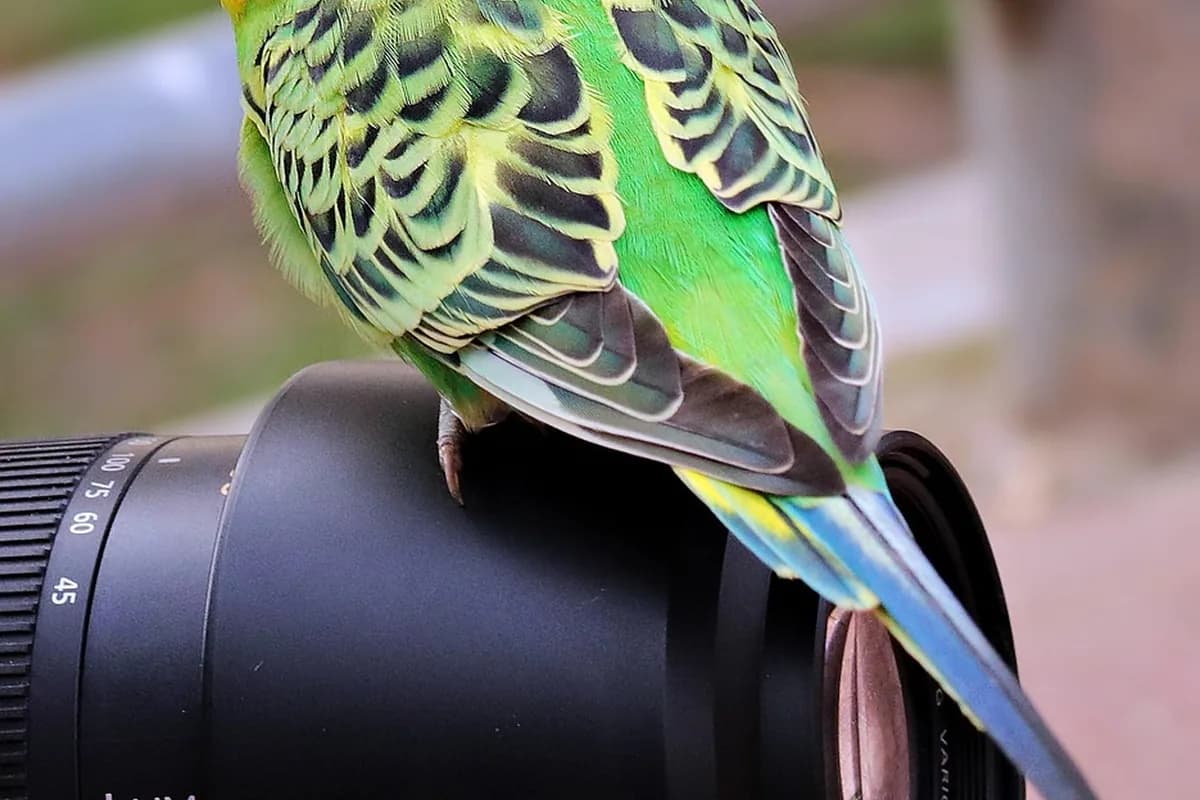
Understanding Budgie Behavior and Body Language
Learn to read a budgie: cere colour and what it says about sex and hormones, head-bobbing, contact calls, contented beak-grinding, and how to tell excited from overstimulated before a nip.