The Complete Bird Boarding Packing List
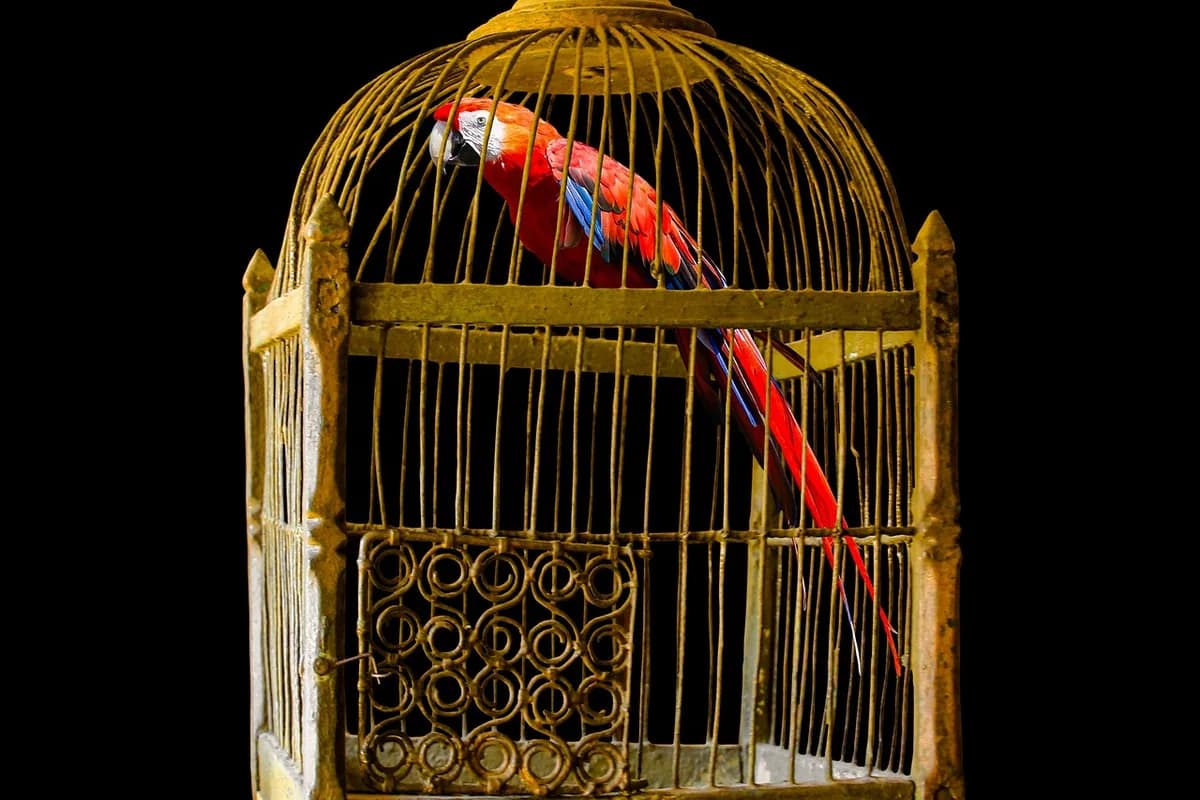
The Complete Bird Boarding Packing List
Dropping your bird off for a boarding stay is a little like sending a small child to their first sleepover: the packing you do the night before decides how smoothly the whole visit goes. Pack thoughtfully and your bird settles in on familiar food, familiar smells, and a routine that barely changes. Pack in a rush and you spend the first two days playing phone tag over what "a small handful of pellets" actually means.
At Bird Sitting Toronto, where we board hundreds of birds every year, the calmest arrivals are almost always the well-packed ones. Use the guide below room by room, and you will walk out the door confident that your sitter has everything they need to keep your bird eating, medicated, and content.
Food and Nutrition: Bring the Diet, Do Not Change It
The single most important rule of boarding week is this: a boarding stay is the worst possible time to switch your bird's diet. New environment plus new food is a recipe for a bird that stops eating, and in a small parrot a day of not eating is a genuine emergency. Bring the exact food your bird eats at home, in the exact brand and form, and pack enough for the full stay plus two to three extra days in case pickup slips or weather intervenes.
What "their diet" means depends on the species. The table below reflects the diet standard our care team and avian veterinarians work from.
| Bird type | Staple to pack | Fresh foods | Treats and notes |
|---|---|---|---|
| Most parrots (greys, amazons, macaws, conures, cockatoos, lovebirds) | A quality pellet as roughly 75-80% of the diet | Veg-forward fresh food, about 20-25% | Seeds and nuts only about 5%, as training treats |
| Budgies and cockatiels | Still mostly pellets, but many convert slowly | Push veg, greens, and sprouts | Pack whatever seed mix they currently eat so they keep eating; keep nudging toward pellets |
| Lorikeets and lories | Their specialized commercial nectar or lory mix | A little soft fruit | Not a pellet bird; avoid high-iron foods, which they are prone to storing |
| Eclectus | Low-additive pellet plus heavy fresh veg | Generous fresh vegetables and fruit | Sensitive to artificial colours, additives, and preservatives; keep it whole and simple |
| Finches and canaries | A quality seed mix as the staple | Greens plus egg food | Add some pellets; these are hands-off birds, so pack for the cage, not for handling |
Write your feeding routine down: how much, how often, morning versus evening, and any prep such as chopping, soaking, or warming. A note taped to the food container beats a text message your sitter has to scroll back to find.
Tip: Label every bag and container with your bird's name and separate different foods into clearly marked portions. If two of your birds board together, colour-code so no one gets the wrong bowl.
Warning: Do not pack, and never let a sitter offer, any of these known avian toxins: avocado (persin), chocolate (theobromine), caffeine, alcohol, onion and garlic, fruit pits and apple seeds (cyanogenic compounds), salt, uncooked beans, and mushrooms. And skip the grit — hookbill parrots do not need it and swallowing it can cause dangerous crop impaction. When in doubt about a food, leave it home.
Health and Medications
If there is one section not to wing, it is this one. Pack for the possibility that something comes up, even if you fully expect a boring, uneventful stay.
- Medications in their original, labelled containers. Do not decant pills into an unmarked baggie. Include a separate written dosing sheet: drug name, dose, how often, how to give it (in water, on food, by mouth), and when the last dose was given before drop-off.
- Up-to-date veterinary records. Most reputable boarders require these before a bird joins others, both for your bird's protection and everyone else's.
- Your avian vet's name, clinic, and phone number, plus a note of any chronic conditions, past illnesses, or known sensitivities.
- An emergency plan. Give your sitter the name of the nearest avian-capable emergency clinic and written permission for the level of care you authorize if you cannot be reached. In the Greater Toronto Area, after-hours avian emergencies often route to a dedicated exotics or emergency hospital rather than a general small-animal clinic, so confirm where your bird would actually be seen.
Tip: Photograph your bird a day or two before drop-off, ideally with feathers relaxed and posture normal. A baseline picture makes it far easier for your sitter (or a vet) to judge whether something has changed.
Comfort and Familiarity
Familiar objects carry familiar scent, and scent is enormously reassuring to a bird in a new room. You do not need to recreate the whole cage — a couple of well-chosen items do more than a carload.
- One or two favourite toys. Resist packing the entire collection; too many novel objects in a small travel space can crowd a nervous bird.
- A favourite perch, if it fits safely in the carrier or boarding cage.
- A familiar cage cover or blanket that already smells like home, which also helps regulate light and sleep.
Leave behind anything fragile, irreplaceable, or bird-unsafe — that means no zinc- or lead-containing hardware and no treated or painted wood, both of which are toxic if chewed.
Transport and Drop-Off Safety
Your bird's ride to the boarder is the riskiest few minutes of the whole stay, and Toronto weather makes it more so.
- Use a secure carrier or travel cage with a working latch. Add a cage lock or clip so a curious beak cannot pop the door in transit.
- Keep the carrier in a comfortable temperature range, roughly 18-29°C (65-85°F). Birds tolerate a narrow band far less gracefully than we do.
- In winter, pre-warm the car before your bird ever leaves the house, cover the carrier to block drafts, and carry it close to your body between door and vehicle. Cold air hitting an unprepared bird, even briefly, is a real risk.
- In summer, never leave the carrier in a parked car for even a minute — a closed vehicle can reach lethal temperatures with frightening speed.
Warning: Never transport a bird loose in the car or on a shoulder. A startled flush, a slammed brake, or an opened door is all it takes to lose a bird permanently. Latched carrier, every single time.
Documentation and Communication
The paperwork is quick, and it is what lets your sitter reach you the moment anything matters.
- Your signed client agreement and deposit confirmation.
- Your contact details and at least one emergency contact who can make decisions if you are unreachable.
- A phone number that can receive daily updates and photos, so you can enjoy the trip knowing exactly how your bird is doing.
What NOT to Bring
- Your bird's entire toy collection — one or two favourites is plenty.
- Fragile or irreplaceable items you would be heartbroken to lose.
- Bird-unsafe accessories: zinc- or lead-coated hardware, treated or painted wood.
- Any food you are not certain is safe, and any brand or diet your bird has not already been eating.
Day-Before Checklist
- Message your sitter with your bird's full care details and routine
- Confirm your drop-off appointment time
- Pack food for the stay plus two to three extra days, labelled and portioned
- Pack medications in original containers with a written dosing sheet
- Print or pack vet records and your avian vet's contact info
- Choose one or two favourite toys, a perch, and a familiar cover
- Confirm the carrier latches and add a lock or clip
- Pre-warm the car if it is winter
- Charge your phone so you can review the portal right after drop-off
Pack this way and drop-off becomes a non-event — which, for a boarding bird, is exactly the goal. A calm, well-supplied arrival is the strongest predictor of a happy stay, and it lets you leave knowing your bird has everything it needs to feel at home while you are away.
Explore related topics
Related Articles
How to Find a Good Bird Sitter: What to Look for and Red Flags
Leaving your bird with someone is nerve-wracking. Here's how to find a sitter you can actually trust.
Preparing Your Parrot for Boarding: A Complete Checklist
Planning to travel? Proper preparation makes boarding stress-free for your bird. Here's your complete checklist.
Bird Boarding Drop-Off Checklist: What to Bring to BST
Use this complete checklist to prepare for your bird's boarding stay at BST, including food, medication, toys, and vet records.