Parrotlet Behavior and Body Language: Reading the Fearless Little Parrot
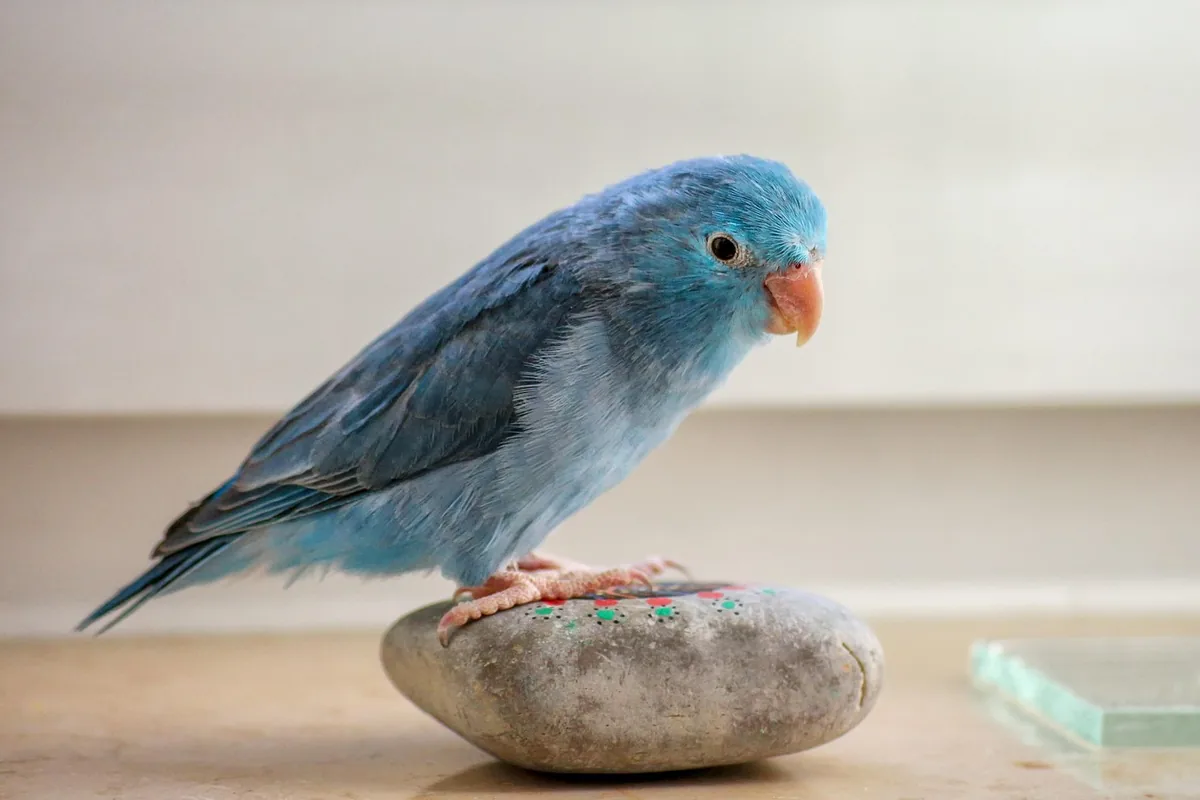
The parrotlet's defining quirk is the mismatch between its size and its self-image. This is a 28-35 gram bird that behaves as though it were a macaw — bold, fearless, independent, and utterly unbothered by things much larger than itself. Learning to read its body language is what lets you enjoy that big personality without getting nipped, because a parrotlet gives clear warnings; owners just have to know what a 5-inch bird's warning looks like. This article stays with behavior and communication; taming and trick-work live in our Training guide.
The "Fearless Big Bird in a Tiny Body" Temperament
Parrotlets do not know they are small, and that shapes everything they do. They will stand their ground, challenge a hand, and defend a favorite perch or person with real conviction. That confidence is what makes them so entertaining, but it comes with two well-known tendencies:
- A hard bite. For their size, parrotlets bite surprisingly hard and are quicker to use the beak than many larger, more forgiving parrots. This is why the species is rated intermediate rather than beginner.
- One-person, territorial bonding. Without ongoing socialization, a parrotlet bonds intensely to one human and treats everyone else — and sometimes the space around its cage — as territory to defend. This is not a character flaw; it is a hard-wired flock instinct in a bird that was never meant to be alone. Daily handling by more than one person, when possible, keeps a parrotlet civil.
Reading the Signals
A parrotlet's whole body communicates. Watch the eyes, feathers, and posture together — a single signal rarely means much on its own; context is everything.
Relaxed and Content
- Loosely fluffed feathers with a relaxed, rounded posture — the bird feels safe.
- Beak grinding — that soft, gritty grinding sound is a happy, settling-in-for-sleep behavior.
- One foot tucked up into the belly feathers — a bird that feels secure enough to stand on one leg.
- Preening, or preening you — comfort, and often a sign of trust and bonding.
- Soft chatter, warbling, or quiet practice-talking — the contented background noise of a happy parrotlet.
Excited, Playful, or Over-Aroused
- Pinning (flashing) eyes — the pupils rapidly shrink and expand. This signals intensity: it can mean excitement and interest, or it can mean "I am getting worked up, give me a moment." Read it with the body posture.
- Head bobbing — often begging for attention or food, or simply an energized, playful bird.
- Wing flapping while gripping the perch — normal exercise and excitement, especially first thing in the morning.
- A burst of frantic play or "beaking" toys — good energy, but a bird this wound-up may tip into nippy handling; slow down before you reach in.
Warning — Give This Bird Space
- Sleeked, tight feathers with the body drawn tall and leaning away — fear or defensiveness.
- Beak open, body tense and squared toward your hand — a bite is loading. Back off.
- Lunging, hissing, or a sharp "clicking" beak — clear "stay away" language.
- Rapid panting or held-open beak — stress or overheating, not aggression, but still a bird that needs to be left alone and cooled down.
Warning: A parrotlet almost always tells you before it bites — open beak, tense body, a lean and a lunge. Most parrotlet bites happen because a person read "cute and tiny" instead of reading the bird. When you see the warning posture, do not push through it. Withdraw, wait, and try again when the bird has softened.
Vocalizations
Parrotlets are quiet by parrot standards — a noise level of about 2 out of 5 — which is a large part of their appeal for apartments and shared walls. They chatter, warble, and make soft contact calls rather than screaming. Talking ability is modest (also about 2 out of 5): some individuals, more often males, pick up a small vocabulary of words or whistles delivered in a scratchy little voice, but many never talk at all, and that is completely normal. Value a parrotlet for personality, not vocabulary.
| Sound | Usual meaning |
|---|---|
| Repeated contact calls | "Where are you?" — checking on you as a flock member |
| Sharp, sudden calls | Alarm — something startled the bird |
| Soft chatter, warble, quiet babble | Contentment and self-amusement |
| Escalating, insistent calls | Attention-seeking — often when you leave the room |
Because contact calling is how a parrotlet keeps tabs on its flock, answering with a quiet word from the next room often settles the bird faster than ignoring it — it confirms you have not vanished.
Hormonal Behavior and Seasonality
As the light lengthens toward spring, parrotlets — like most parrots — can turn hormonal, and a small bold bird gets bolder. Expect more territoriality around the cage, cavity-seeking (burrowing into dark corners, tents, sleeves, or under paper), regurgitating for a favorite person or toy, and a shorter fuse for handling. In hens, hormonal cycling can lead to chronic egg-laying, which is a genuine health concern at this body size because of the calcium drain and egg-binding risk.
You can turn hormones down with management, not scolding:
- Enforce 10-12 hours of dark, quiet sleep — long days read as breeding season to a bird's body.
- Remove cavity-like sites — snuggle huts, tents, and dark hidey-holes all invite nesting.
- Redirect a fixated bird into foraging and short training sessions rather than long cuddles on the chest, which can reinforce a mate-like bond.
Common Behavior Challenges
- Biting. Nearly always a communication failure. Watch for and respect the warning posture, do not "flood" a nervous bird by forcing contact, and read our Training guide for gentle bite-pressure work.
- Cage territoriality. A parrotlet that guards its cage will bite hands reaching in. Let the bird come out onto a perch or your hand on neutral ground rather than grabbing it inside its fortress.
- Becoming a one-person bird. Prevent it rather than cure it: have several household members offer treats and short handling sessions from the start, and keep that up throughout the bird's life. A parrotlet's sociability is a use-it-or-lose-it trait.
Read your parrotlet honestly and it becomes a wonderfully expressive companion. The bird is not aggressive by nature — it is simply direct, and it says exactly what it means. Your job is to listen.
Explore related topics
Related Articles
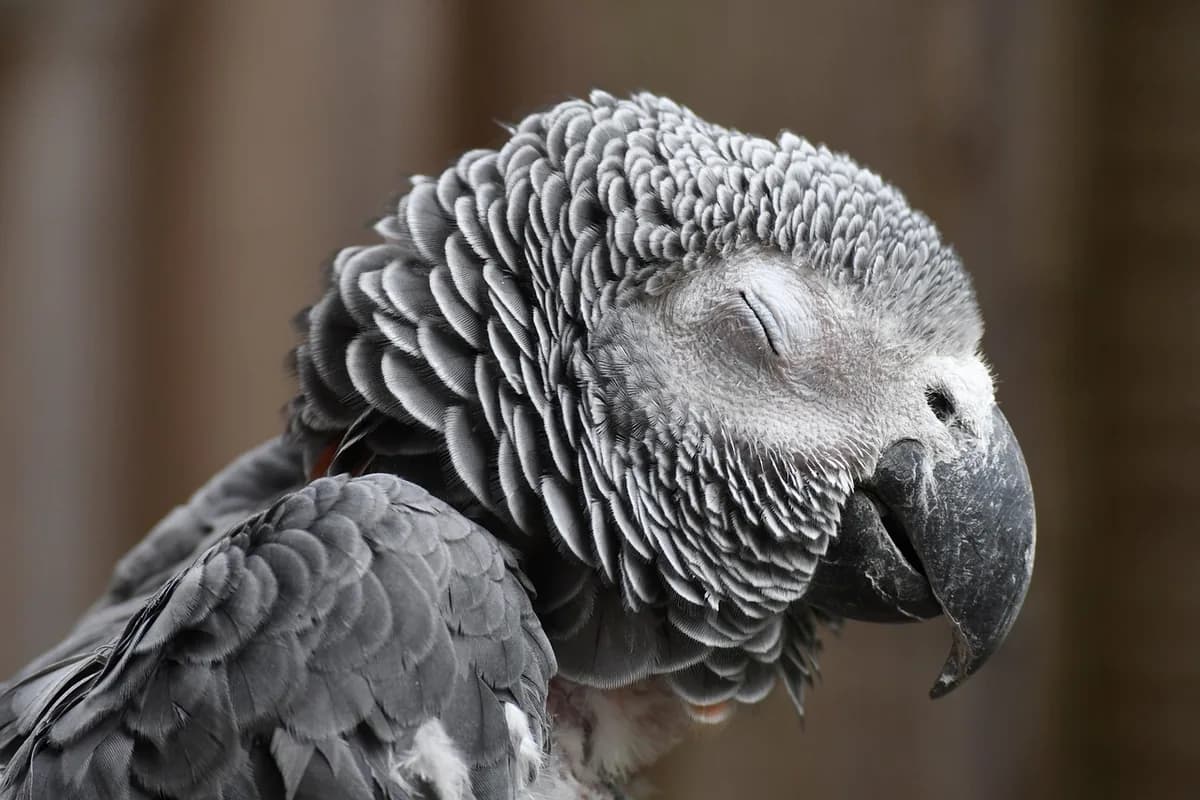
Understanding Congo African Grey Behavior and Body Language
Read your African Grey like an expert — the pinning eyes, subtle feather shifts, and cautious neophobic nature of this sensitive species, plus its famous contextual speech and the hormonal and phobic behaviours owners most often misread.
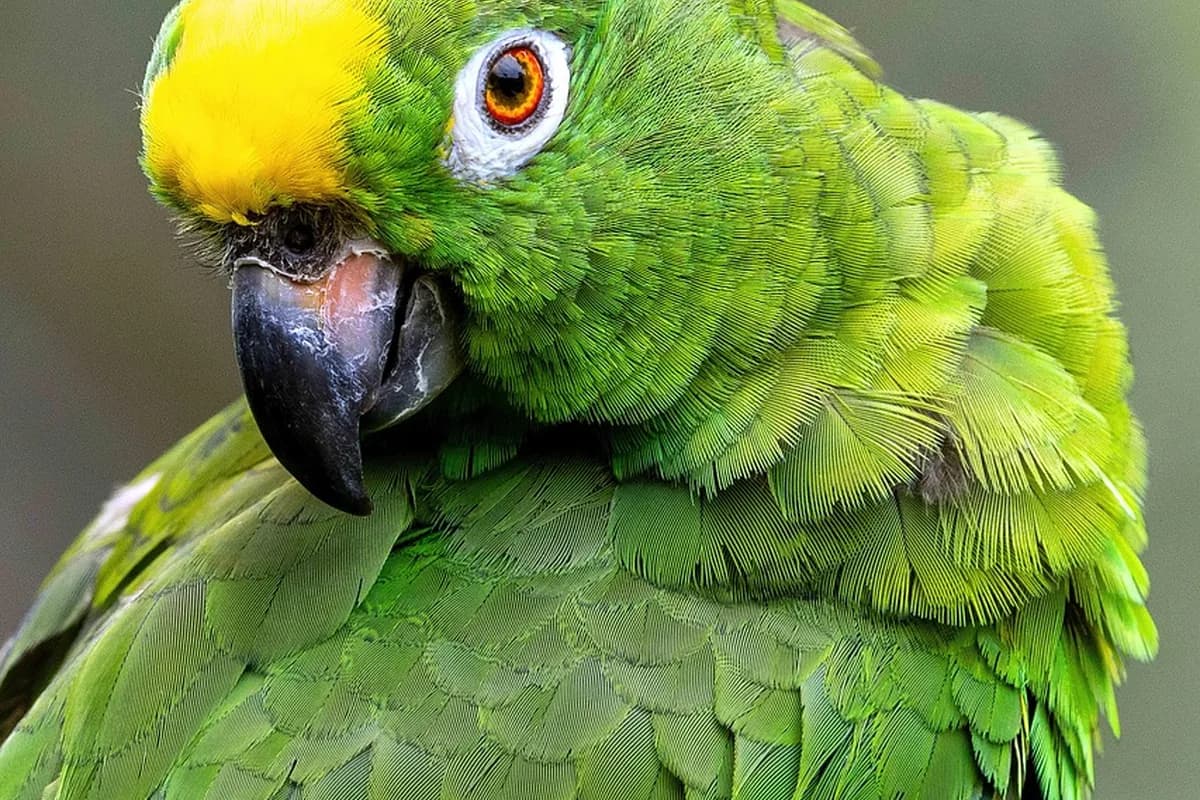
Reading Amazon Parrot Behavior & Body Language: The Overload Warning
Amazon parrots wear their emotions loudly. Learn to read pinned eyes, a fanned tail, and raised nape feathers — the classic 'Amazon overload' — plus their vocal moods and spring hormonal swings, so you can stop before a bite.
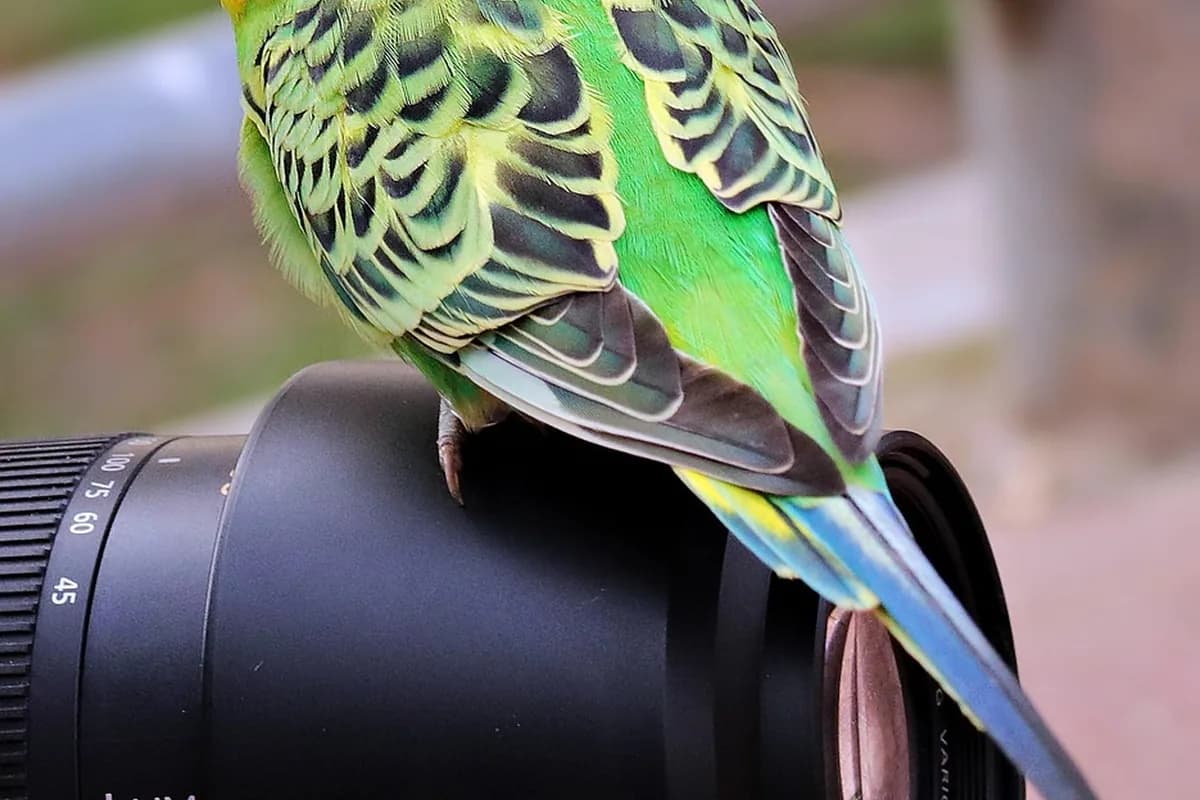
Understanding Budgie Behavior and Body Language
Learn to read a budgie: cere colour and what it says about sex and hormones, head-bobbing, contact calls, contented beak-grinding, and how to tell excited from overstimulated before a nip.