Boarding Multiple Birds: A Guide for Multi-Bird Households
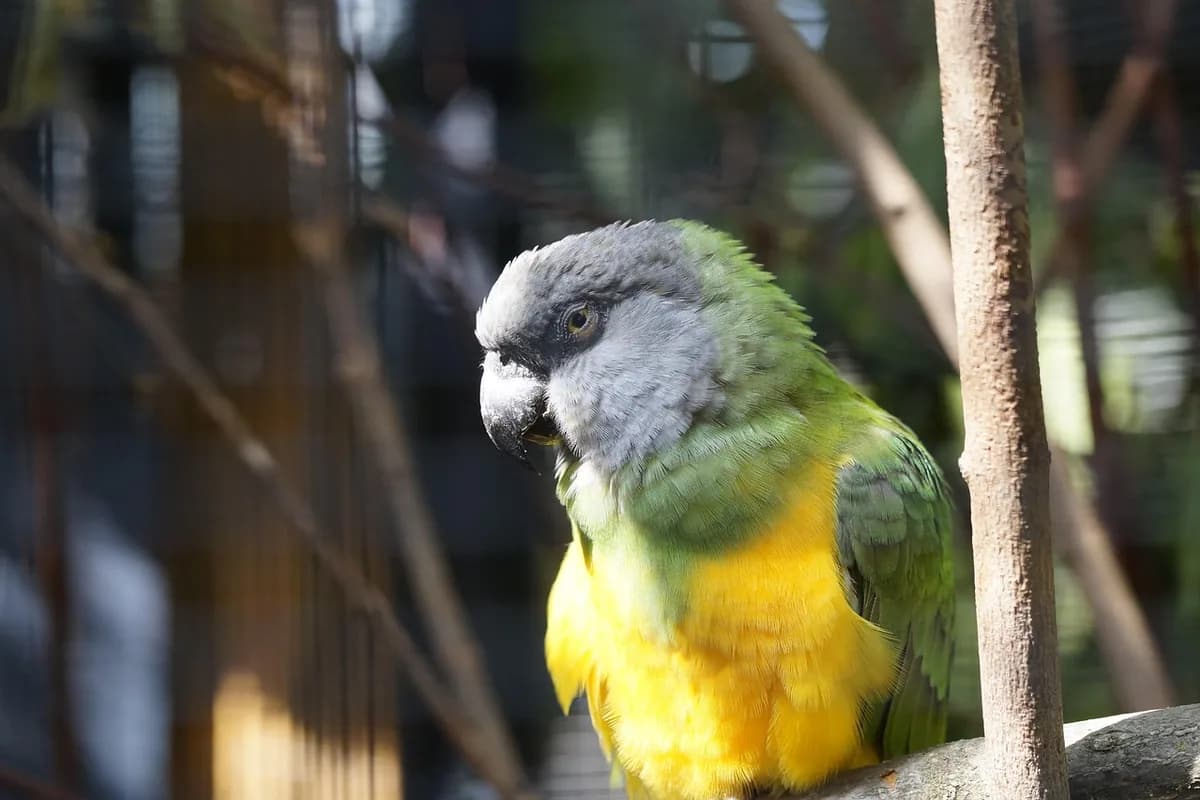
When Your Flock Travels Together
Boarding one bird is simple. Boarding three or four — a bonded budgie pair, a solo cockatiel who guards his territory, and an African grey with opinions about everyone — takes a little more planning. The good news is that a multi-bird household is one of the most common situations we handle. At Bird Sitting Toronto, where we board hundreds of birds every year, mixed flocks arrive from all over the GTA, and the process is designed to keep each bird individually cared for while making drop-off painless for you.
This guide walks you through pricing, cage arrangements, disease-safe housing, feeding for different diets, and how to get everyone here in one piece.
How Pricing Works
Each bird is quoted individually based on its size category, so you only pay for the space and care each one actually needs. There is no flat "flock fee" that overcharges you for a pair of finches, and no undercharging that would shortchange the care a macaw requires.
| Size | Per Day | Per Week | Per Month |
|---|---|---|---|
| Small | $14.75 | $90 | $360 |
| Medium | $19.75 | $120 | $480 |
| Large | $24.75 | $150 | $600 |
| XL | $29.75 | $180 | $720 |
The quotation calculator automatically applies the best rate combination for each bird's stay — for example, blending a weekly rate with a few daily add-on nights rather than charging straight per-day for a nine-night trip.
As a general guide to where birds tend to fall, so you can estimate a whole-flock cost before you book:
| Category | Typical birds |
|---|---|
| Small | Finches, canaries, budgies, lovebirds, parrotlets |
| Medium | Cockatiels, conures, quakers, ringnecks, senegals |
| Large | African greys, amazons, eclectus, smaller cockatoos |
| XL | Large macaws, large cockatoos (e.g. umbrella, moluccan) |
These groupings are a starting point, not a rigid rule — we confirm each bird's category when we prepare your quote.
Health and Safety: Why Flocks Are Kept Separate
The single most important thing to understand about boarding is invisible to the eye: birds from different households are housed as separate groups and are not comingled. This is not fussiness — it is standard avian veterinary practice, echoed by the Association of Avian Veterinarians and the Merck Veterinary Manual, because several serious bird diseases spread through shared air, dander, and surfaces before an infected bird ever looks sick.
Conditions such as psittacosis (chlamydiosis), avian bornavirus / proventricular dilatation disease, psittacine beak and feather disease, and polyomavirus can be carried by birds that appear perfectly healthy. Keeping each household's birds as their own unit — with their own air space and handling routine wherever possible — is the avian equivalent of not sharing needles. Your flock is exposed to your flock, and no one else's.
Tip: Ask your own avian vet about a wellness check and basic disease screening before boarding, especially the first time. It protects your birds, everyone else's, and gives you peace of mind.
This is also why we ask a few pointed questions at booking: recent illness, changes in droppings, weight loss, respiratory signs, or any bird currently on medication. Please answer honestly and completely. A bird recovering from an infection is not turned away out of judgment — it simply needs to be housed and handled with extra care.
Warning: Do not attempt to introduce birds that do not already live together — not at home in the days before boarding, and never mid-stay. Unfamiliar birds, especially a size mismatch like a conure and a macaw, can inflict serious bite injuries in seconds. New introductions belong under slow, quarantined, vet-guided conditions at home, never in a boarding setting.
Cage Arrangements
- Bonded pairs that already live together at home can share a cage at BST, so no one spends the trip anxiously calling for a missing mate.
- Separate cages are provided for birds that need their own space — including cage-mates who tolerate each other at home but bicker under the stress of a new environment.
- Cage rental is available if you would rather not haul several cages across the city. Bring the birds; we supply the housing.
- Tell us your preferences at booking — which birds bond, which need a buffer, and any quirks (a cover-loving cockatiel, a light-sensitive finch) we should honour.
Feeding a Multi-Bird Household
Different birds, different diets — and in a mixed flock those diets can be genuinely different, not just brand preferences. Send each bird's food clearly separated and labelled so there is zero chance of a mix-up.
For most parrots, the avian veterinary consensus (and the standard we feed to) is a diet built on a quality formulated pellet as roughly 75 to 80 percent of intake, fresh vegetable-forward foods at about 20 to 25 percent, and seeds or nuts at around 5 percent as treats. A few members of your flock are exceptions:
- Lorikeets are nectar specialists — they need their commercial nectar/wet-and-dry diet, not pellets, and should be kept away from high-iron foods.
- Eclectus are sensitive to additives and dyes and do best on a vegetable-forward, whole-food diet.
- Finches and canaries (passerines) are hands-off birds that do well on a quality seed mix as a staple, rounded out with greens, egg food, and some pellets.
- Budgies and cockatiels should still be mostly pellets, but they convert slowly, so we lean on veg and sprouts and never force the change.
A few foods are dangerous to all birds and should never appear in any bird's container: avocado (persin), chocolate (theobromine), caffeine, alcohol, onion and garlic, fruit pits and apple seeds (cyanogenic), excess salt, uncooked beans, and mushrooms.
Tip: If one bird is on a therapeutic or vet-prescribed diet, write "prescription — do not substitute" on the container. It flags the food as non-negotiable even during a busy meal prep. And note: hookbill parrots do not need grit — it can cause crop impaction — so don't pack it for them even if a seed-eating finch in the same household uses it.
Packing and Labelling: A Quick Reference
| What to send | Why it matters |
|---|---|
| Each bird's food, separately labelled | Prevents diet mix-ups between birds with different needs |
| Clear ID for look-alikes | Leg bands, colour notes, or a photo distinguish two of the same species |
| Medication, labelled per bird | Ensures the right dose reaches the right bird — never a guess |
| Social notes | Who bonds, who bickers, who needs solo out-of-cage time |
| Comfort items | A familiar toy or cover cue can settle an anxious traveller |
Out-of-Cage Time
- Birds from the same household are typically given out-of-cage time together, keeping familiar flockmates in view.
- This matters most for bonded pairs, who can become genuinely stressed if separated even briefly.
- If your birds do not get along, separate out-of-cage sessions are arranged so no one is bullied off a favourite perch.
- Every interaction is supervised by experienced BST staff — we watch body language and step in before squabbles start.
Daily Updates
All your birds are featured in your daily updates. You will see each bird individually during its out-of-cage time, so you know every member of your flock — not just the boldest one — is eating, active, and comfortable. For multi-bird households this is reassurance you can actually check: you watch the whole family, one bird at a time.
Getting the Flock Here Safely
- Use separate carriers for any birds that do not share a cage; crowding strangers into one box invites injury.
- Secure every carrier in the vehicle so it cannot slide, tip, or fall during a hard Toronto stop.
- For a large flock, consider the BST Avian Shuttle — professional handlers who can move several birds at once, correctly restrained and climate-aware.
Warning: Never transport birds in the trunk, and never leave a carrier in a parked car. Trunks lack fresh air and can fill with exhaust, and a closed vehicle heats to lethal temperatures within minutes even on a mild day. Birds ride in the climate-controlled cabin, carriers belted or braced, and go straight from door to door.
A little preparation turns a multi-bird drop-off from chaos into a calm hand-off. Label clearly, share the social dynamics, keep the diets straight, and let us do the rest — every bird counted, cared for, and back home to you happy.
Explore related topics
Related Articles
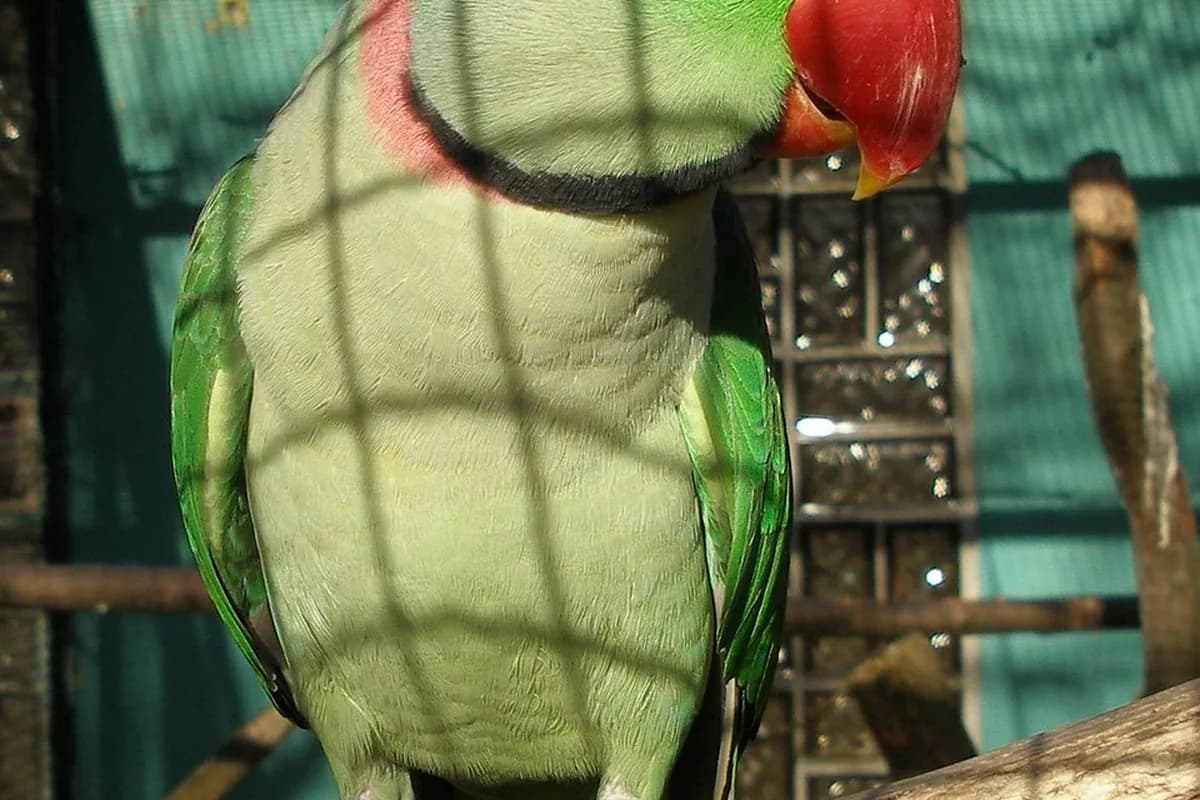
How to Find a Good Bird Sitter: What to Look for and Red Flags
Leaving your bird with someone is nerve-wracking. Here's how to find a sitter you can actually trust.
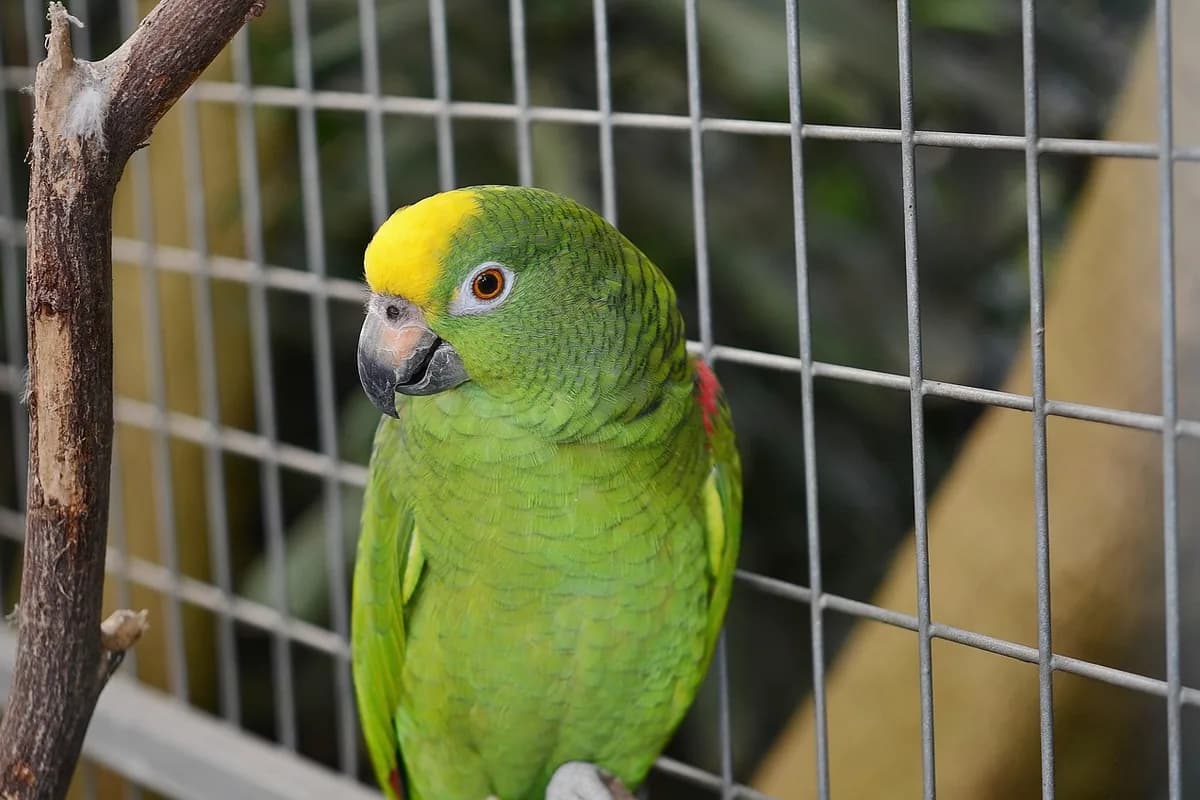
Preparing Your Parrot for Boarding: A Complete Checklist
Planning to travel? Proper preparation makes boarding stress-free for your bird. Here's your complete checklist.
Bird Boarding Drop-Off Checklist: What to Bring to BST
Use this complete checklist to prepare for your bird's boarding stay at BST, including food, medication, toys, and vet records.