Nurturing Independence in Pet Parrots: Why It Matters
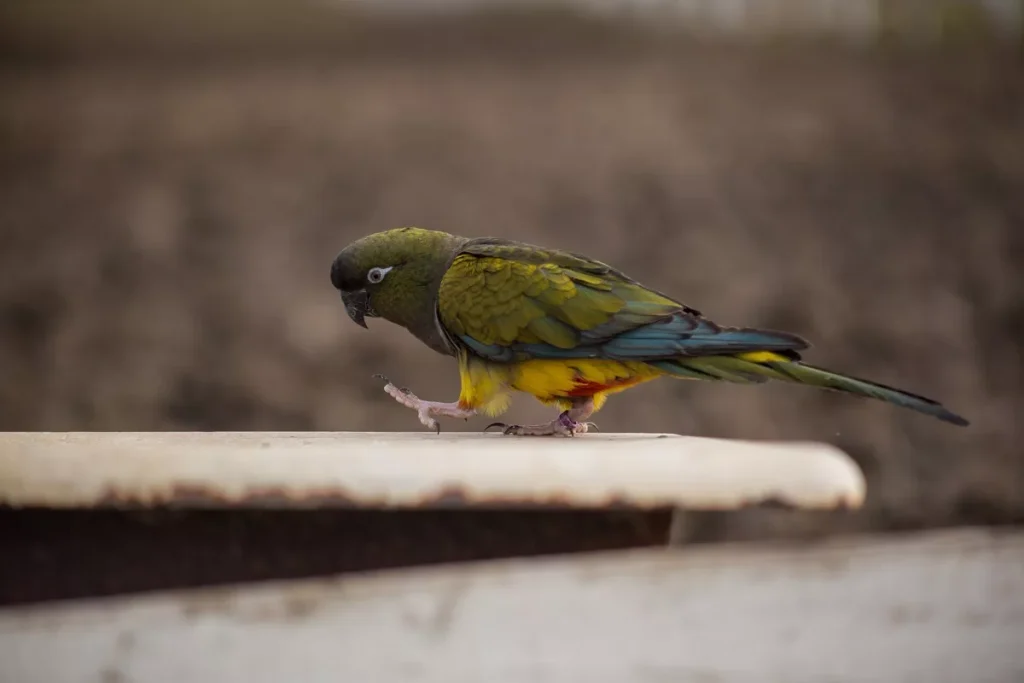
The parrot that cannot be left alone
If your bird erupts into piercing screams the moment you step out of the room, you are not dealing with a "bad" parrot. You are dealing with a bird that never learned how to be comfortable on its own. It is one of the most common concerns we hear at Bird Sitting Toronto, where we care for hundreds of birds every year, and the good news is that independence is a skill you can teach at almost any age.
Independence is not about loving your bird less or interacting with it less. It is about giving your parrot the confidence and the tools to occupy itself, make its own small decisions, and stay emotionally steady when life does not revolve around your attention. A bird with that foundation is calmer at home, less prone to screaming and feather-damaging behaviour, and far more relaxed when its routine changes, whether that is a busy week for you or a stay away from home.
Why independence is essential
In the wild, parrots make constant choices that directly affect their survival: where to forage, when to fly, which flock member to sit beside, when to bathe or preen. They learn and adapt through decision-making all day long. A captive parrot has all of those instincts and very few outlets for them.
Allowing your bird to make small decisions each day, even inside a safe home, gives it a sense of control over its environment. Avian veterinary consensus links that sense of control to better psychological welfare and fewer stress-related behaviours. Choice, in other words, is not a luxury for parrots. It is a mental-health need.
What independence is not
Before we get to the how, let us clear up a common misconception.
Tip: Independence means guided freedom, not total free rein. Your bird still needs boundaries and your oversight to stay safe.
Independence does not mean letting your parrot roam your home unsupervised. Our homes are full of hazards a curious bird will find: ceiling fans, open windows and mirrors, toxic houseplants, other pets, hot cookware, and the fumes from an overheated non-stick pan, which can be fatal to a bird within minutes.
Warning: Never leave a parrot loose and unsupervised. Self-directed play should happen inside a well-equipped cage or a bird-proofed, supervised space, never at the cost of safety.
What independence looks like in a confident bird
A bird with a healthy sense of independence will:
- Entertain itself for stretches without demanding constant interaction
- Make its own choices about eating, playing, bathing, and sleeping
- Self-reward by engaging with activities it genuinely enjoys
- Use its energy constructively instead of spiralling into frustration, boredom, or attention-screaming
None of this means an aloof or antisocial bird. A confident parrot still bonds deeply. It simply does not fall apart the moment you are out of sight.
Independence starts young
Confidence is easiest to build when a parrot is still very young. It is tempting to cuddle a baby bird constantly, but over-coddling teaches a chick that a human should meet its every need on demand. That is how clingy, one-person birds and chronic attention-screamers are made.
Instead, let young parrots explore, play, and make choices on their own, especially within the safety of their cage. Short, positive periods of independent play, paired with plenty of affection on your bird's terms, build curiosity, resilience, and long-term emotional stability. If your bird is already an adult, do not worry: these same habits reshape behaviour in older parrots too. It simply takes patience and consistency.
Building independence day to day
You nurture independence by engineering your bird's environment so that self-directed choices and problem-solving are the easy, rewarding default. The table below turns that idea into concrete habits.
| Strategy | What to do | What it builds |
|---|---|---|
| Offer varied toys | Rotate toys of different textures, colours, and functions; introduce new ones gradually | Exploration and less fear of novelty (neophobia) |
| Introduce a diverse diet early | Present a range of healthy foods so your bird chooses among good options | Flexible eating habits and food security |
| Provide perch and hideaway options | Use multiple perch types, heights, and a cozy retreat spot | Autonomy over rest, perching, and sleep |
| Create problem-solving tasks | Add foraging toys and puzzles that make food and fun something to work for | Curiosity, focus, and fewer boredom behaviours |
Tip: Rotate a bird's toys weekly rather than crowding the cage. A fresh, familiar item reintroduced later reads as brand-new and keeps enrichment interesting without overwhelming a cautious bird.
Foraging: the highest-value skill
If you do only one thing from this article, teach your bird to forage. In the wild, parrots spend a large share of their waking hours searching for and manipulating food. A bowl of food that is simply handed over removes that entire job, and an under-occupied parrot fills the empty time with screaming, chewing, or feather-destructive behaviour.
The Association of Avian Veterinarians and educators at Lafeber both emphasize foraging and environmental enrichment as first-line strategies for preventing exactly those behavioural problems. Start simple: hide a favourite treat under a folded piece of paper, wrap veg in a paper cup, or scatter part of the meal so your bird has to hunt. As your bird gets the idea, graduate to purpose-made foraging toys and puzzles.
Foraging works best when the reward is worth a little effort, and that is where diet comes in. For most parrots, aim for a base of high-quality formulated pellets at roughly 75 to 80 percent of the diet, a generous 20 to 25 percent of fresh, vegetable-forward foods, and only about 5 percent seeds and nuts. Those seeds and nuts are your foraging "currency": too valuable to leave sitting in a bowl, perfect for hiding inside a puzzle.
Tip: A few species need different staples. Lorikeets require a specialized nectar diet, not pellets, and should avoid high-iron foods; eclectus are additive-sensitive and thrive on a veg-forward diet; finches and canaries are hands-off passerines that do well on a quality seed mix supplemented with greens, egg food, and some pellets. Note that hookbill parrots do not need grit, and offering it can cause crop impaction.
Respect your bird's relationship choices
Parrots are intensely social, but like people they need room to form bonds on their own terms.
You cannot force a relationship with a parrot. Trust and connection grow through consistent, respectful interaction and positive reinforcement.
Let your bird choose when and how to engage with you. Read its body language, honour a "not right now," and let it come to you. Paradoxically, a parrot that is never pressured into interaction becomes more affectionate over time, not less, because it has learned that being near you is always its own choice.
Independence makes life easier, at home and away
A bird that can occupy itself is a bird that handles change well. When your schedule gets busy, an independent parrot copes. When it stays with us for boarding, it settles faster, eats better, and stress-screams less, because self-soothing and self-entertaining are already part of who it is. Every foraging toy and every small choice you offer now is an investment in a calmer, more resilient companion.
The bottom line
Giving your parrot the freedom to make choices is not just a kindness. It is a core part of its emotional and mental development. Support that independence in safe, enriching ways, and you will raise a more confident, better-adjusted, and genuinely happier bird, one that loves you because it wants to, not because it has no other way to cope.
Explore related topics
Related Articles
Meeting the Emotional Needs of Parrots
Parrots are as emotionally complex as toddlers. Learn the four core emotional needs every parrot has - social connection, mental stimulation, choice and control, and secure rest - with practical daily habits and the warning signs that mean it is time to call an avian vet.
Adopting an Older Parrot: What to Expect and How to Succeed
Older parrots make incredible companions but come with established personalities and sometimes baggage. Here's how to thrive together.
The 20 Biggest Mistakes New Bird Owners Make
We all make mistakes as new bird owners. Here are the 20 most common — and how to avoid them.