Adopting an Older Parrot: What to Expect and How to Succeed
Why Older Parrots Make Exceptional Companions
When most people think about adding a parrot to their family, they often picture a young bird they can raise from the beginning. But here at Bird Sitting Toronto, we've seen countless stories that tell a different tale — some of the most rewarding relationships happen when families open their hearts to older parrots who need second chances.
Adopting an adult parrot isn't just an act of kindness; it's often a practical choice that leads to deeper, more meaningful bonds. These birds come with established personalities, often have basic training, and can offer immediate companionship in ways that young birds simply cannot.
The Hidden Benefits of Adopting Adult Parrots
Past the Destructive Phase
Young parrots are adorable, but they're also tiny tornadoes of destruction. Adult parrots have typically moved beyond the intense chewing and exploration phase that can leave your furniture looking like it survived a wood chipper. Your older adopted bird is more likely to understand boundaries and have better impulse control.
Personality Transparency
With an adult parrot, what you see is largely what you get. Their temperament, activity level, and social preferences are already established. This transparency helps you make an informed decision about compatibility with your lifestyle and family dynamics.
Training Foundation
Many older parrots come with basic training already in place. They may know step-up commands, understand routine expectations, and have established eating habits. Some even come with vocabulary and tricks that would take months to teach a young bird.
Immediate Gratification
While bonding takes time, adult parrots can often provide companionship much sooner than juveniles. They're past the unpredictable teenage phase and may settle into your routine within weeks rather than months.
Understanding the Challenges
Established Habits Die Hard
Adult parrots have spent years developing preferences and routines. If your new bird prefers to eat at dawn or has specific perching preferences, changing these patterns requires patience and strategic approach. Some habits may never fully change, and that's okay.
Potential Behavioral Baggage
Unfortunately, many older parrots available for adoption have experienced trauma, neglect, or multiple rehoming situations. This can manifest as:
- Fearfulness around certain objects or situations
- Aggression toward specific gender or age groups
- Excessive screaming or attention-seeking behaviors
- Self-destructive habits like feather plucking
Extended Adjustment Periods
While adult birds may seem more stable, they often need longer to truly trust new environments and people. Your new companion may appear settled but still be processing significant stress internally.
The Critical First 30 Days
Embrace Quiet Patience
Your first month together sets the foundation for everything that follows. Resist the urge to immediately interact extensively with your new bird. Instead, focus on being a calm, predictable presence in their environment.
Create a routine that includes:
- Consistent feeding times
- Regular but non-intrusive interaction
- Quiet observation periods
- Gentle verbal communication without forcing physical contact
Observe Before You Act
BST Tip: Keep a daily log of your bird's behavior, eating habits, and stress indicators during the first month. This information is invaluable for both bonding and future veterinary care.
Watch for:
- Preferred perching locations
- Natural activity rhythms
- Food preferences and eating patterns
- Stress signals and comfort behaviors
- Social interaction preferences
Establish Predictable Routines
Older parrots find security in predictability. Maintain consistent schedules for:
- Meals and treats
- Cage cleaning
- Social interaction time
- Sleep schedules
- Exercise opportunities
Common Challenges with Rehomed Birds
Trust Deficits
Many older parrots have learned that humans can be unpredictable or harmful. Rebuilding trust requires consistency and respect for boundaries. Your bird may need weeks or months to believe that you won't abandon or hurt them.
Specific Phobias
Previous traumatic experiences can create lasting fears. Common phobias include:
- Towels (often used for restraint)
- Hands reaching into cages
- Sudden movements
- Specific colors or objects
- Loud noises
Gender or Person Preferences
Some older parrots develop strong preferences for specific types of people. They might only trust women, fear men with beards, or become territorial around children. These preferences often stem from their previous experiences and may never fully disappear.
The Bonding Timeline: Managing Expectations
Weeks 1-4: Foundation Building
During this period, focus on becoming a safe, predictable presence. Your bird is learning your routines, voice, and energy. Don't expect physical affection yet.
Months 2-6: Trust Development
This is when you might see the first signs of genuine trust — stepping up willingly, seeking your attention, or showing excitement when you approach. Progress may be inconsistent.
Months 6-12: Deepening Connection
Many families report that the real breakthrough happens during this period. Your bird may begin seeking physical affection, showing protective behaviors, or demonstrating clear preference for your company.
Remember: Some birds bond quickly while others need years. Neither timeline is wrong — every bird processes trust differently.
Essential Health Considerations
Immediate Veterinary Assessment
Schedule a comprehensive health examination within the first week of adoption. This should include:
| Test/Examination | Purpose |
|---|---|
| Complete blood panel | Establish baseline health markers |
| Fecal examination | Check for parasites and bacteria |
| Physical examination | Assess overall condition and identify concerns |
| Weight documentation | Create monitoring baseline |
| Behavioral assessment | Discuss any concerning behaviors with vet |
Ongoing Health Monitoring
Older parrots may have underlying health issues that previous owners couldn't address. Watch for subtle changes in appetite, activity level, or behavior that might indicate developing problems.
Establishing Care History
If possible, obtain your bird's previous medical records. Understanding their vaccination history, previous illnesses, and dietary habits helps your veterinarian provide better care.
The Deeply Rewarding Reality
Here's what many families discover about their older adopted parrots: these birds often become the most cherished family members. At Bird Sitting Toronto, we've cared for countless rescued and rehomed birds, and their capacity for gratitude and deep bonding consistently amazes us.
Why Rescued Birds Often Become "Heart Birds"
Older parrots seem to understand they've been given a second chance. Many families report that their rescued bird shows a level of appreciation and devotion that exceeds any previous pet relationship. These birds often become incredibly attuned to their new family's emotions and routines.
The Mutual Healing Process
While you're helping your bird heal from past trauma, many owners find that caring for a rescued parrot helps them develop patience, empathy, and a deeper understanding of trust and resilience.
Success Stories Are the Rule, Not the Exception
Don't let the challenges discourage you. With proper expectations and commitment, most older parrot adoptions become beautiful success stories. The key is understanding that success might look different than you initially imagined.
Final Thoughts
Adopting an older parrot requires patience, flexibility, and realistic expectations, but the rewards often exceed those of raising a young bird. These experienced companions bring established personalities, often impressive skills, and a depth of gratitude that creates truly special bonds.
Remember that every bird's adjustment timeline is different. Some may settle in within weeks, while others need months to fully trust their new situation. Both scenarios are normal and can lead to equally rewarding relationships.
If you're considering adopting an older parrot, focus on providing consistency, patience, and respect for their individual needs. The bird who seemed shy and uncertain during your first meeting might become your most devoted companion given time and understanding.
The parrot rescue community often says that rescued birds seem to know they've been saved, and they spend their lives showing appreciation for that second chance. In our experience at Bird Sitting Toronto, this sentiment rings true again and again. Your older adopted parrot may well become the most rewarding relationship you'll ever have with a feathered friend.
Explore related topics
Related Articles
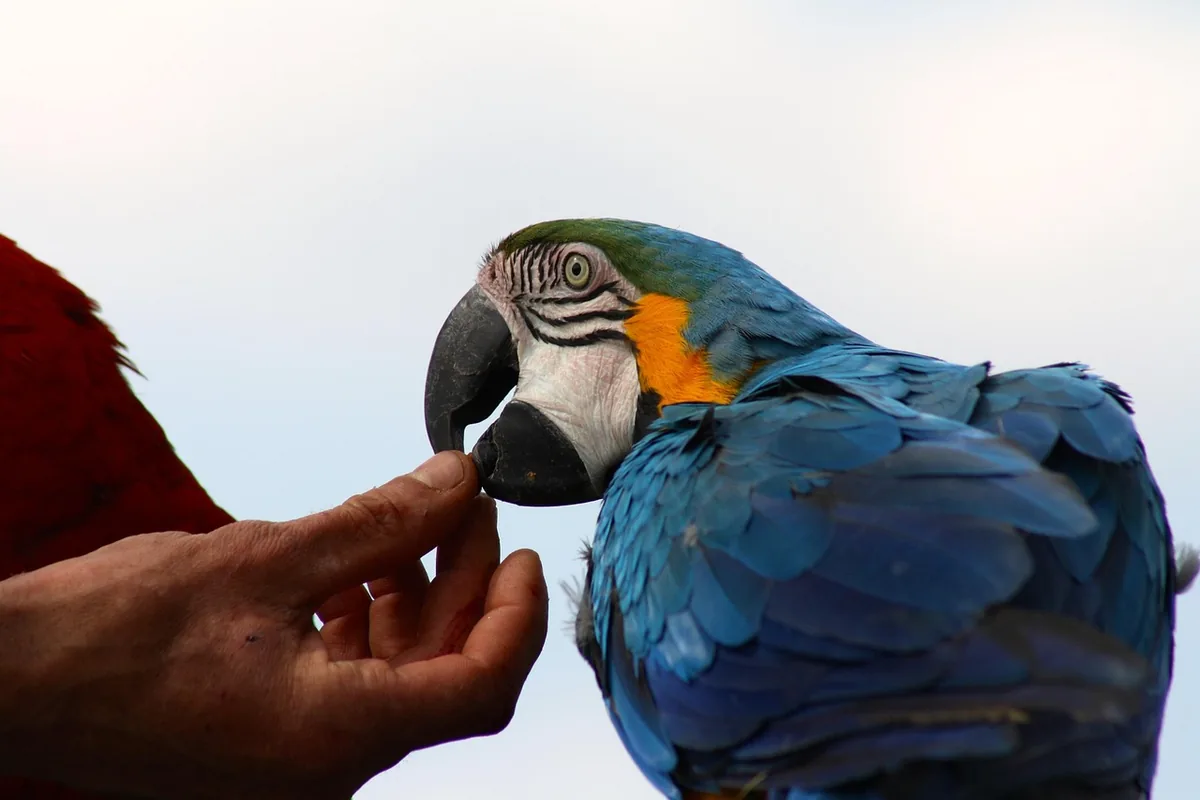
Building Confidence in a Shy Parrot: A Step-by-Step Guide
Some parrots are naturally shy or have been traumatized. Here's how to gently build their confidence.
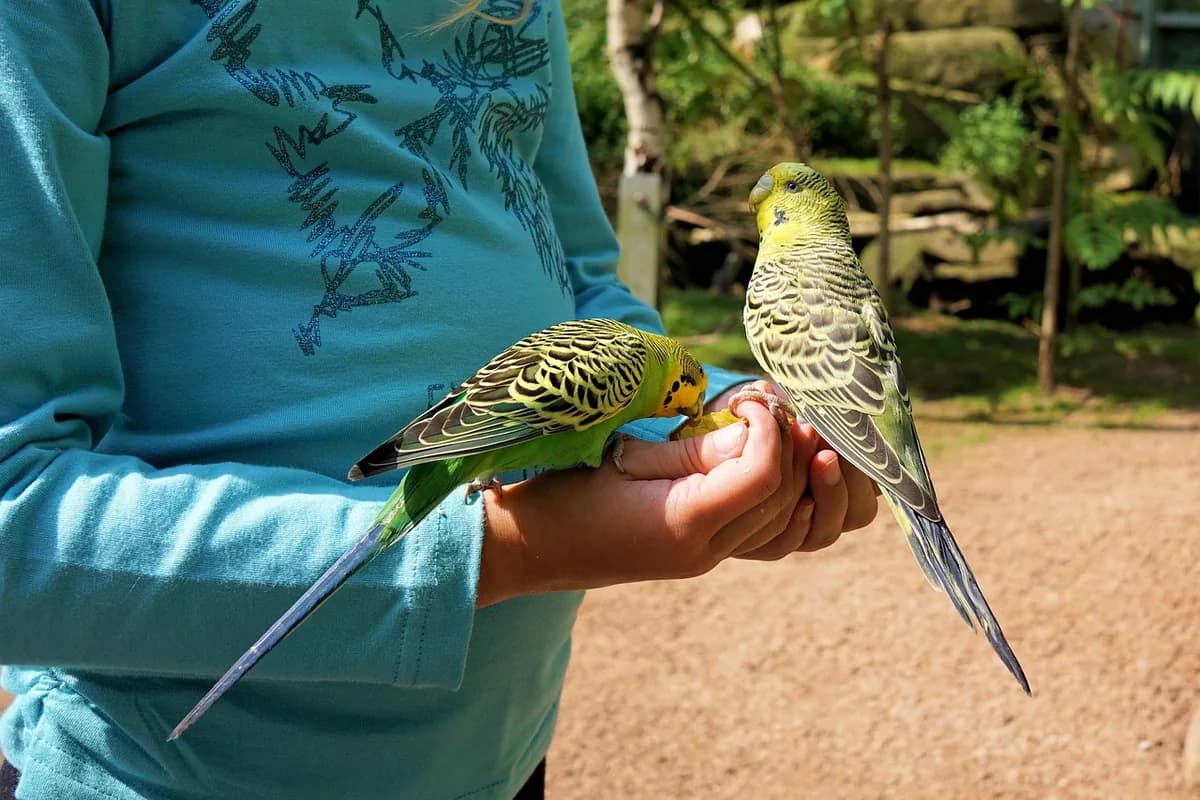
The Psychology of Parrot Trust: How Birds Decide to Trust You
Trust is the foundation of every good human-bird relationship. Here's the psychology behind how parrots evaluate trustworthiness.
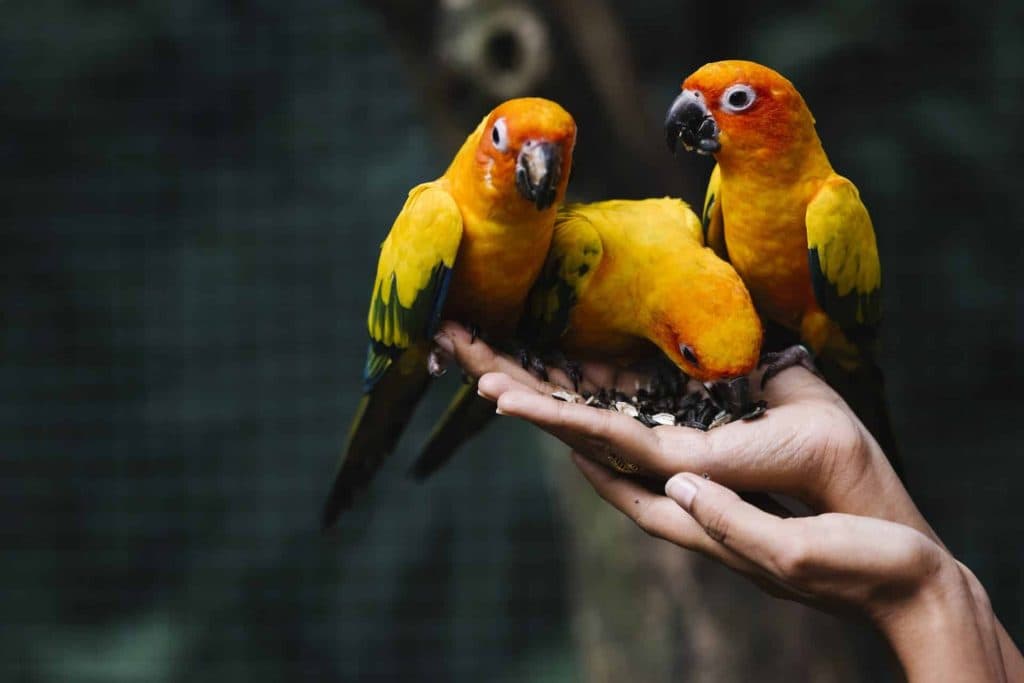
Building Trust with a Rescue Parrot: A Patient Guide
Rescue parrots come with history. Learn how to earn their trust at their pace, not yours.