Understanding Lovebird Behavior and Body Language
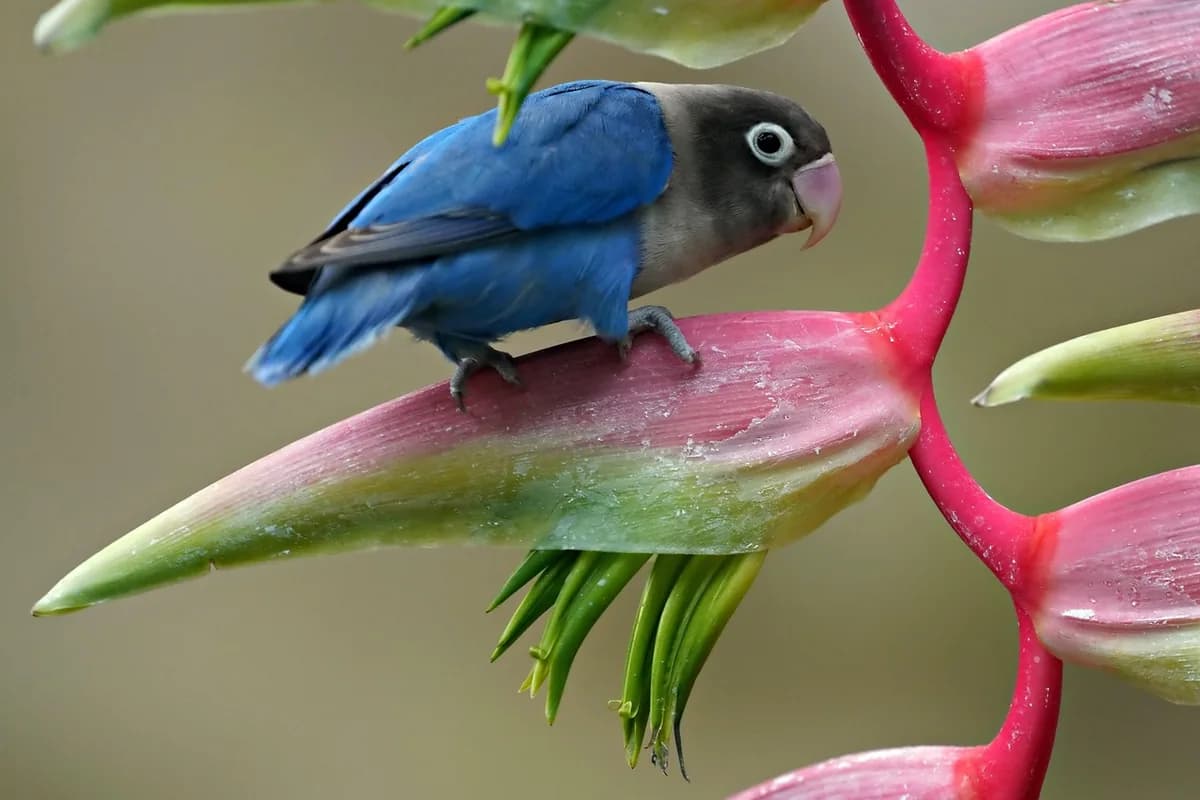
Lovebirds are one of the most expressive small parrots you can keep — and one of the most misread. Their reputation for biting comes almost entirely from owners missing the warning signs that come before the beak lands. At Bird Sitting Toronto, the lovebirds that settle in fastest are the ones whose people learned to read them. Master the signals below and you will prevent most bites, deepen your bond, and understand the hormonal swings that make this feisty little bird tick.
The Lovebird Temperament
Lovebirds are bold, busy, and intensely devoted. For a bird of 40 to 60 g, they carry a startling amount of confidence — they will challenge cage-mates, hands, and even much larger birds without hesitation. That boldness is exactly why they are so nippy: a lovebird does not freeze and hide the way a finch does, it stands its ground and tests with its beak.
Two temperament traits shape everything else:
- Intense pair-bonding. A lovebird bonds hard, whether to a mate, another bird, a toy, or you. That bond brings deep affection — and possessiveness, jealousy, and territorial defense of its "person" or cage.
- Territoriality. Lovebirds guard their space fiercely. Many bites happen at the cage door, when a bird defends its home turf, even from a beloved owner.
Reading Body Language
Lovebirds communicate with their eyes, feathers, posture, and voice all at once. Read the whole bird in context, not one signal alone.
Signs of a Relaxed, Happy Bird
- Loosely fluffed feathers with a relaxed body — content and at ease (a briefly all-fluffed, ball-shaped bird that stays puffed, however, may be cold or unwell).
- Beak grinding — a soft, gritty grinding sound at rest means a comfortable, sleepy bird.
- One foot tucked up — total security; a bird that feels safe stands on one leg.
- Preening, or preening you — normal grooming and a sign of trust when aimed at your hair or fingers.
- Chattering and quiet singing — the everyday soundtrack of a happy lovebird.
Signs of Excitement or Overstimulation
- Pinning (flashing) eyes — the pupils rapidly shrink and expand. This signals high arousal; context tells you whether it is excitement, interest, or a warning to keep back.
- Head bobbing — usually wants attention, food, or is simply excited.
- Rapid wing-flapping while gripping the perch — exercise and excitement, entirely normal.
- Feathers slicked tight, body leaning forward, tail flared — the arousal is tipping toward overstimulation. Slow down.
Warning Signs — Back Off Now
- Beak open, body tense and leaned forward — the clearest "I will bite" posture.
- Lunging, hissing, or a low growl — feeling threatened or defending territory.
- Feathers flattened tight, leaning or backing away — fear; forcing the issue earns a bite.
- Fast pinning eyes paired with a rigid, forward body — an imminent nip.
Tip: The vast majority of lovebird bites are territorial, delivered at the cage door. Let your bird come out onto a perch or your hand on its own terms rather than reaching into its space, and cage-door aggression drops dramatically.
Vocalizations
With a noise level around 3 out of 5, lovebirds are chatty rather than loud, but their sharp contact call carries surprisingly far for their size. Their talking ability is minimal (about 1 out of 5) — expect whistles, chatter, and mimicked household sounds far more than words.
| Sound | What it usually means |
|---|---|
| Contact call (sharp, repeated chirp) | "Where are you?" — checking on you or a mate; answer back to reassure |
| Soft chatter, babbling, quiet singing | Content, relaxed, entertaining itself |
| Escalating, insistent calls | Attention-seeking or frustration — do not reward a screaming fit |
| Sharp alarm scream | Startled by a real or perceived threat |
| Beak clicking / soft growl | Mild irritation or a "keep your distance" warning |
Hormonal Behavior and Seasonality
Nothing changes a lovebird's behavior more than hormones, and this is where most "my sweet bird turned mean" stories come from. Hormonal birds — often, but not only, hens — become territorial, possessive, and bitey, and may shred paper obsessively or defend a corner of the cage.
The classic lovebird tell: a hen tucks strips of paper, bark, or other nesting material into her rump feathers and carries them to a chosen nest site. If you see this, your bird is in breeding condition. Other signs include regurgitating for a favorite person or toy, a swollen vent, and burrowing into dark corners, huts, or tents.
Hormonal behavior in lovebirds is driven by triggers you can control:
- Long daylight hours — aim for 10 to 12 hours of dark, uninterrupted sleep to signal "not breeding season." Toronto's short winter days actually help.
- Nesting cavities — remove happy huts, tents, boxes, and cozy dark hideaways; they are potent nesting triggers.
- Soft/warm foods and abundant food — rich diets and constant plenty read as breeding time.
- Petting down the back and under the wings/tail — this stimulates hormones. Keep affection to the head and neck.
Warning: Do not encourage nesting behavior in a pet lovebird. Chronic hormonal stimulation leads to persistent egg-laying in hens, which drains calcium and risks life-threatening egg-binding, plus year-round aggression. Managing the triggers above is genuine health care, not just manners.
Common Behavior Challenges
- Biting. Almost always territorial or a missed warning signal. Read the pre-bite cues, avoid reaching into the cage, and never "punish" — it only teaches fear.
- Jealousy and one-person bonding. A lovebird may adore one family member and attack others. Have everyone share feeding and gentle interaction so the bond spreads.
- Screaming for attention. Ignore the escalating demand call and reward quiet chatter, or you train the bird to scream louder.
- The bonded-pair problem. Two lovebirds that bond to each other often turn wild toward people. Expect this trade-off, and keep handling both if you want them tame.
Read your lovebird honestly and respond to what it is actually telling you, and the "nippy little terror" reputation melts into what these birds really are: brave, affectionate, and endlessly entertaining companions.
Explore related topics
Related Articles
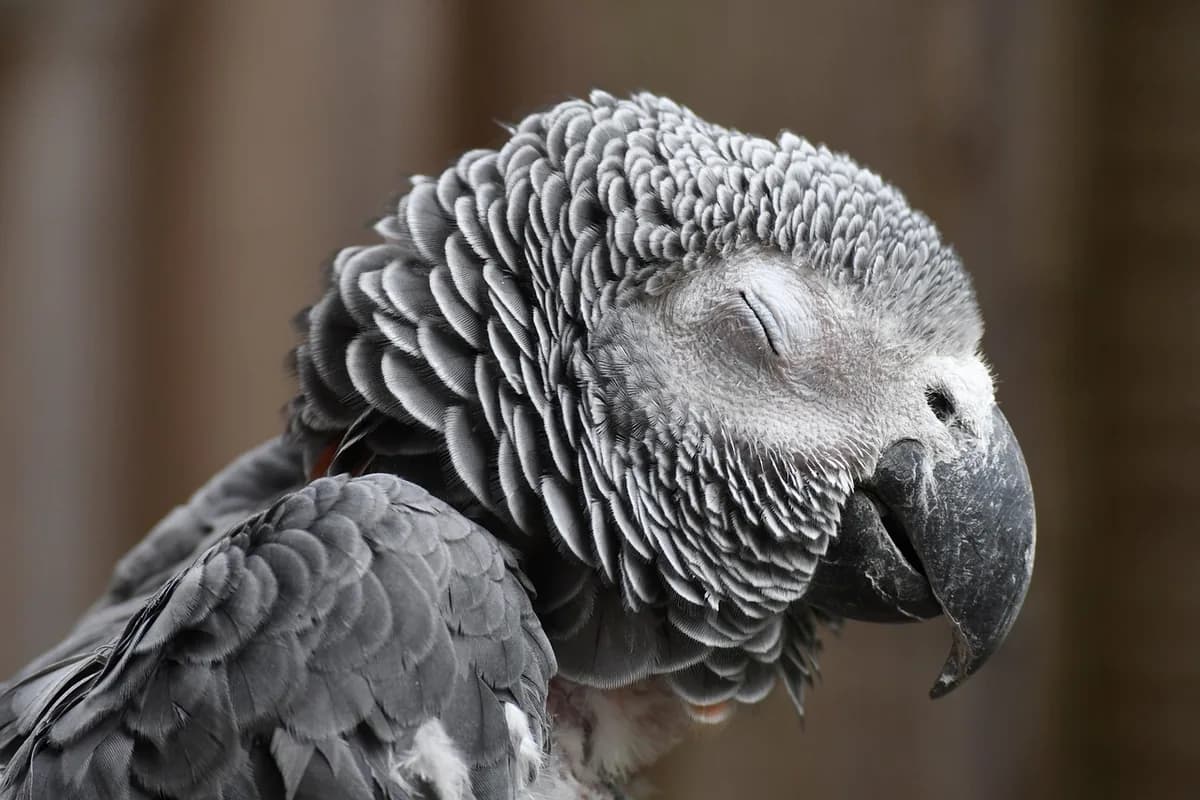
Understanding Congo African Grey Behavior and Body Language
Read your African Grey like an expert — the pinning eyes, subtle feather shifts, and cautious neophobic nature of this sensitive species, plus its famous contextual speech and the hormonal and phobic behaviours owners most often misread.
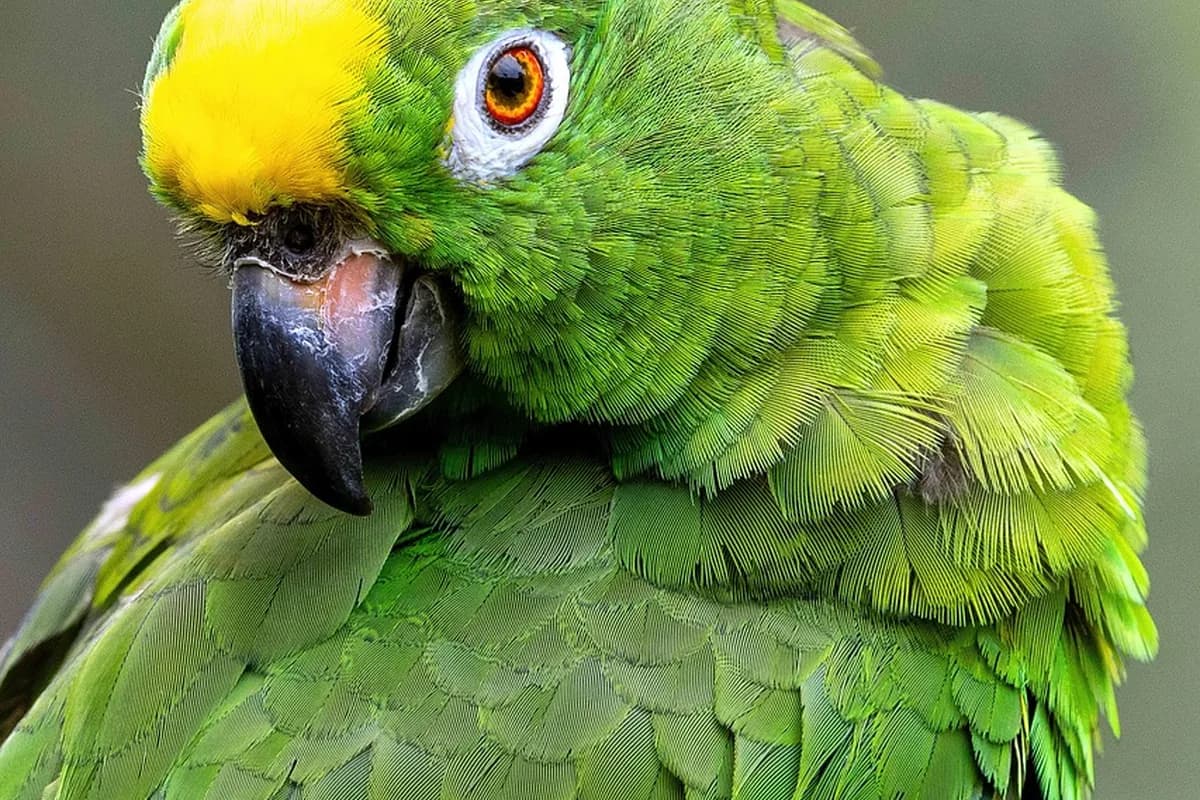
Reading Amazon Parrot Behavior & Body Language: The Overload Warning
Amazon parrots wear their emotions loudly. Learn to read pinned eyes, a fanned tail, and raised nape feathers — the classic 'Amazon overload' — plus their vocal moods and spring hormonal swings, so you can stop before a bite.
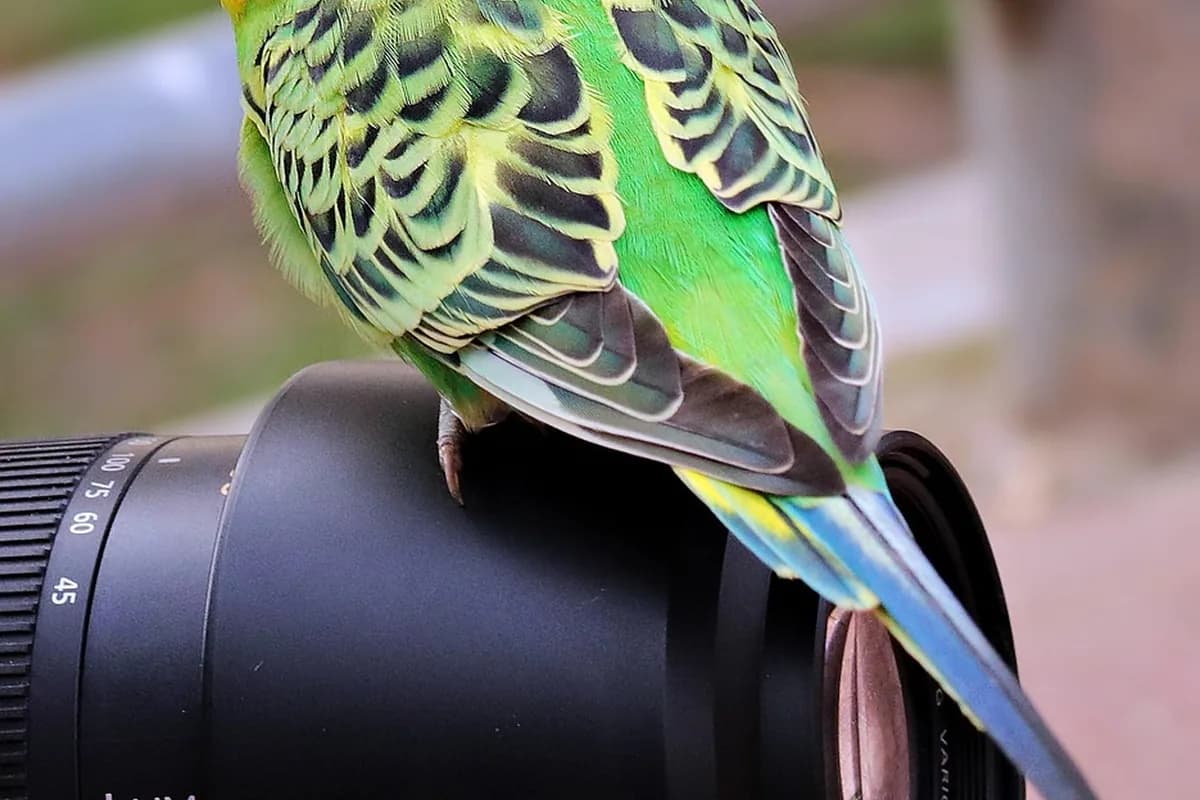
Understanding Budgie Behavior and Body Language
Learn to read a budgie: cere colour and what it says about sex and hormones, head-bobbing, contact calls, contented beak-grinding, and how to tell excited from overstimulated before a nip.