Lorikeet Diet and Nutrition: Feeding the Nectar Specialist
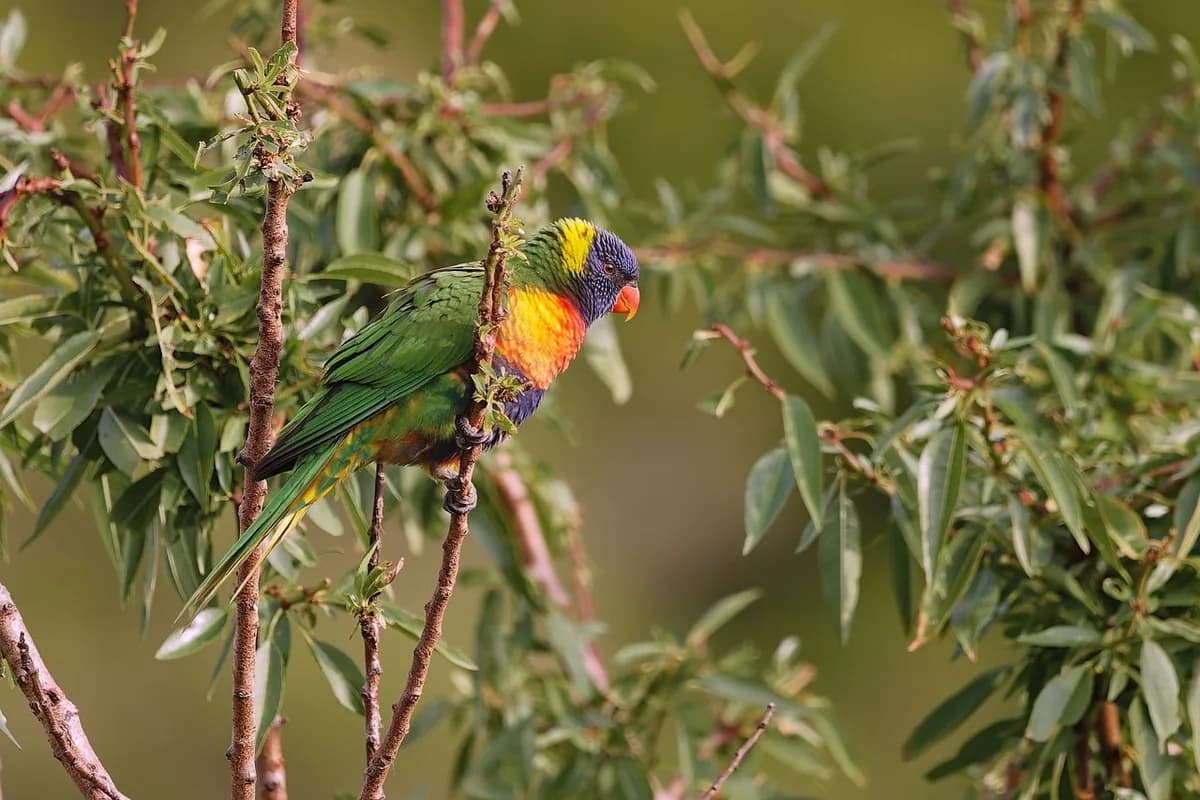
Feed a lorikeet like a typical parrot and you will make it sick. This is the one companion parrot that genuinely eats a liquid diet in the wild, sipping nectar and pollen from flowers with a tongue tipped in fine, brush-like papillae. At Bird Sitting Toronto, the lorikeets are the only boarders whose feeding station comes with a mixing routine and a twice-daily change schedule — their nutrition is that different. Get it right and your bird will be brilliant-feathered and full of energy. Get it wrong and you invite yeast, bacteria, and iron-storage disease.
Why the Pellet Standard Does Not Apply Here
For most parrots we recommend a diet built on 75 to 80% formulated pellets. Lorikeets are the documented exception. Their gut and tongue are adapted to a liquid, sugar-rich diet, and a pellet-dominant diet does not suit them. Instead, the foundation is a commercial lorikeet nectar formula, either the "wet" (mixed to a liquid) or "dry" (powder) form sold specifically for lories and lorikeets.
Recommended Diet Breakdown
| Food Group | Share of Diet | Examples |
|---|---|---|
| Commercial lorikeet nectar (wet or dry) | ~50-60% | Purpose-made lory/lorikeet nectar formulas |
| Fresh fruit | ~25-30% | Apple (no seeds), pear, melon, papaya, mango, berries, grapes |
| Edible flowers & pollen, greens | ~10-15% | Bee pollen, hibiscus, marigold, dandelion, nasturtium, leafy greens |
| Occasional vegetables/sprouts | small | Corn, peas, sprouted seed as variety, not a staple |
Note that seeds and pellets are not the base of this diet. A small amount of low-iron pellet formulated for lorikeets can be offered by some keepers, but the nectar formula plus fresh produce does the heavy lifting.
Two Non-Negotiable Rules
1. Freshness — change nectar at least twice a day
Nectar is a warm, sugary liquid, which makes it a perfect breeding ground for bacteria and yeast. Left out, it ferments within hours, especially in summer.
Warning: Never let nectar sit all day. Make it fresh, serve it, and remove and replace it at least twice daily — more often in warm weather. Spoiled nectar is a leading cause of bacterial infection and candidiasis (yeast overgrowth) in lorikeets. Wash the dish thoroughly between servings.
2. Keep iron low — the haemochromatosis rule
Lorikeets are highly prone to iron-storage disease (haemochromatosis), in which excess dietary iron accumulates in the liver and other organs and eventually becomes fatal. This shapes every food choice.
- Choose a nectar formula specifically low in iron.
- Avoid iron-rich foods and iron-fortified products.
- Limit foods high in vitamin C at the same meal as iron-containing foods, because vitamin C increases iron absorption.
Tip: Favor low-iron fruits and go easy on dried fruit, raisins, and anything red-meat-adjacent. When in doubt, ask your avian vet to review your specific nectar brand's iron content.
Safe Foods
Fruits (the lorikeet favorite): apple (no seeds), pear, melon, papaya, mango, kiwi, berries, seedless grapes, figs. Fruit should feature heavily — this is a fruit-and-nectar bird.
Flowers and pollen: bee pollen, hibiscus, marigold, dandelion, nasturtium, roses (unsprayed). These mimic the wild diet beautifully.
Greens and veg: leafy greens, corn, peas, and sprouted seed as variety.
Toxic Foods — Never Feed These
The mechanism matters, so you understand why each is banned:
- Avocado — contains persin, which causes heart failure in birds and can be fatal.
- Chocolate — theobromine and caffeine are toxic to birds' hearts and nervous systems.
- Caffeine — coffee, tea, energy drinks; cardiac toxin.
- Alcohol — even trace amounts can be fatal to a small bird.
- Onion and garlic — cause oxidative damage to red blood cells and anemia.
- Fruit pits and apple seeds — cherry, apricot, peach pits and apple seeds are cyanogenic (release cyanide).
- Salt — a bird's small body cannot handle sodium loads; causes dehydration and electrolyte imbalance.
- Uncooked beans — contain hemagglutinin, a potent toxin destroyed only by thorough cooking.
- Mushrooms — many varieties cause digestive and liver problems in birds.
Meal Prep and Chop
- Mix nectar fresh to the brand's instructions right before serving. Discard leftovers; do not top up an old batch.
- Prepare a "chop" of finely diced fruit and a little veg each morning; keep pieces small and easy for a busy bird to grab.
- Because lorikeets are messy, serve wet foods over an easy-clean tray and expect to wipe down surfaces after meals.
Transitioning and Variety
Unlike budgies weaning off seed, most lorikeets are already nectar-eaters and take to a good commercial formula readily. If you are switching brands or introducing more fresh fruit and flowers:
- Offer the new nectar alongside the familiar one for a week or two.
- Introduce new fruits one at a time so you can spot any that cause loose or off-color droppings.
- Keep the routine consistent — same times, same dishes.
Droppings and Hydration
Because the diet is liquid, lorikeet droppings are liquid and often projectile. This is normal, not diarrhea. What you are watching for is a change from your bird's baseline — unusual color, foul smell, or a sick, fluffed bird alongside the change.
Fresh, clean water must always be available in addition to nectar. Change it at least twice daily. Given the sugary diet, cleanliness of every dish and water source is the difference between a healthy lorikeet and a yeast infection.
For the medical side of these diet-linked risks — iron-storage disease, candidiasis, and bacterial infection — see the common health issues guide.
Explore related topics
Related Articles
Can Parrots Eat Human Food? A Complete Guide to Sharing Meals
Your parrot wants to eat off your plate. Which human foods are safe to share and which are dangerous?
The Complete Guide to Parrot Pellets: Brands, Conversion, and Myths
Pellets should be 50-70% of your parrot's diet, but not all pellets are equal. Here's everything you need to know.
Cooking for Your Parrot: 15 Recipes and Meal Ideas They'll Love
Variety is the spice of your parrot's diet. These easy recipes make feeding time exciting and nutritious.