Common Health Issues in Lorikeets and How to Prevent Them
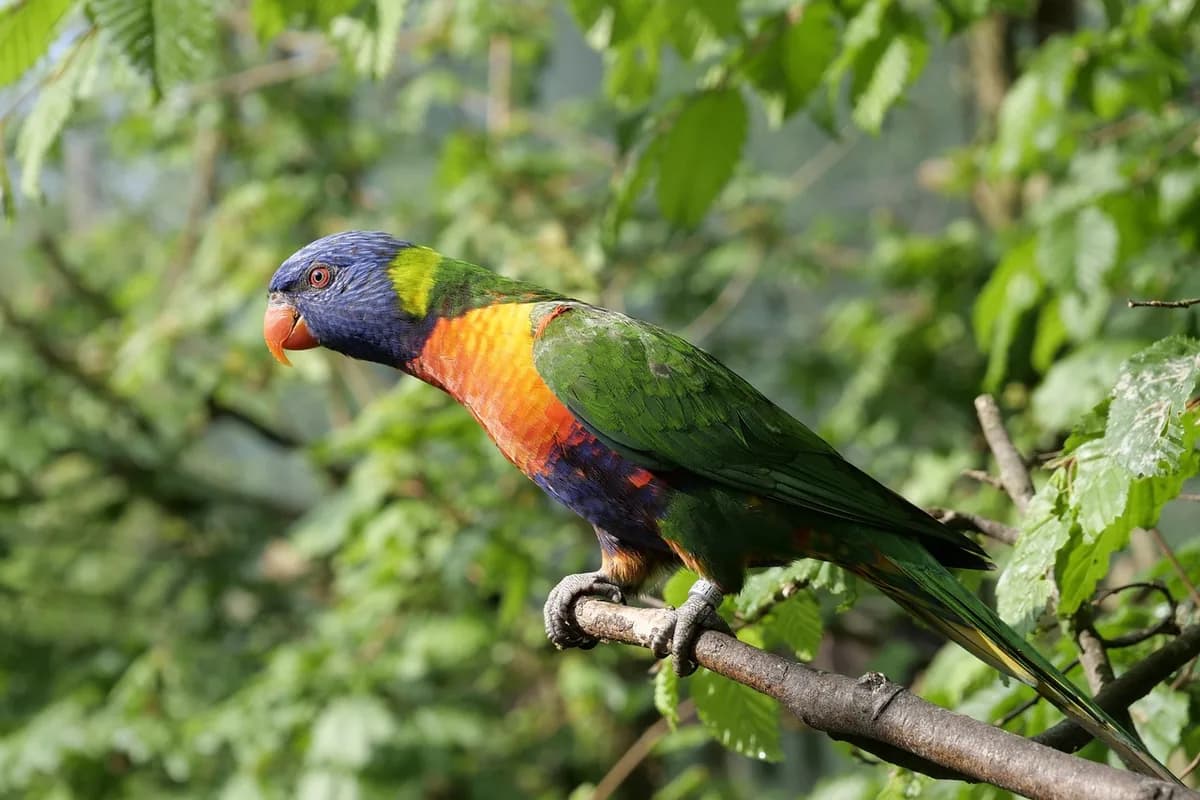
The lorikeet's liquid, sugar-rich diet is what makes it extraordinary — and it is also the root of most of its health problems. Nearly every condition on this list traces back to that nectar diet, from iron overload in the liver to yeast blooming in a bird fed spoiled food. At Bird Sitting Toronto, we watch lorikeet boarders closely because a bird masking illness on a sugary diet can crash fast. This guide covers the conditions lorikeets actually get, how to spot trouble early, and when to move.
Birds are prey animals and instinctively hide illness until they are seriously unwell. By the time a lorikeet looks obviously sick, it often needs help urgently. Vigilance is everything.
The Lorikeet-Specific Conditions
Iron-Storage Disease (Haemochromatosis)
This is the signature lorikeet disease. Excess dietary iron accumulates in the liver and other organs until it causes organ failure. Lories and lorikeets are among the species most prone to it.
- Signs: often silent until advanced — then lethargy, labored breathing, a swollen abdomen (fluid buildup), weight loss, and sudden decline.
- Prevention: feed a low-iron nectar formula, avoid iron-rich and iron-fortified foods, and limit high-vitamin-C foods eaten together with iron (vitamin C boosts iron absorption). Have your avian vet review your nectar brand's iron content.
Warning: Iron-storage disease is often invisible until it is severe. Prevention through a low-iron diet is far more effective than treatment. If your lorikeet develops a distended belly or sudden breathing difficulty, treat it as an emergency.
Candidiasis (Yeast Overgrowth)
The warm, sugary nectar diet is ideal for Candida yeast, which overgrows in the crop and digestive tract.
- Signs: regurgitation, a crop that empties slowly, white plaques in the mouth, loss of appetite, fluffed and unwell posture.
- Prevention: scrupulous nectar hygiene — fresh nectar at least twice daily, dishes washed between servings, and no leftover wet food sitting out. Yeast thrives on neglect.
Bacterial Infection from Spoiled Nectar
Nectar left out ferments and grows bacteria within hours. A lorikeet eating spoiled food can develop serious gastrointestinal or systemic infection.
- Signs: off-color or foul-smelling droppings (remember the baseline is already liquid), lethargy, loss of appetite, vomiting.
- Prevention: the same hygiene rules — make it fresh, change it at least twice a day and more in warm weather, and wash every dish thoroughly.
Obesity
Lorikeets on an unbalanced or over-rich diet, or without enough flight and play, put on weight, straining the liver and heart.
- Signs: weight above the individual's healthy baseline, reduced activity, breathlessness on exertion.
- Prevention: a correctly balanced nectar-and-fruit diet, generous out-of-cage flight time, and weekly weigh-ins on a gram scale.
Lorikeet Paralysis Syndrome
A seasonal paralytic condition documented in wild lorikeets in Australia, typically appearing in warmer months, in which affected birds lose the ability to fly, perch, or swallow. Its cause is still under investigation by avian researchers. It is chiefly a concern for wild and outdoor birds in that region rather than indoor pets in Canada, but keepers should know the term, and any sudden weakness or inability to perch warrants immediate veterinary care.
General Signs of a Sick Bird
Regardless of the specific illness, call your avian vet if you see:
- Fluffed-up posture and lethargy lasting more than a few hours
- Loss of appetite or refusing nectar
- A change from the normal liquid droppings — unusual color, blood, or foul odor
- Tail-bobbing while breathing, or open-mouth breathing
- Vomiting or regurgitation onto surfaces (distinct from courtship regurgitation)
- Sitting low and quiet when the bird is normally an energetic acrobat
Preventive Care and Wellness Exams
Prevention in lorikeets is overwhelmingly about diet and hygiene, plus regular professional care.
- Annual wellness exam with an avian vet: physical check, weight, crop and fecal testing, and bloodwork as advised. Establish this relationship before you have an emergency.
- Weekly weigh-ins on a gram scale — trends catch problems earlier than looks do.
- Daily nectar hygiene — the single most protective habit for this species.
- Clean air: never use Teflon/PTFE cookware, scented candles, aerosols, or air fresheners near your bird; their respiratory systems are exquisitely sensitive.
- Environment: 10 to 12 hours of dark, quiet sleep; humidity around 40 to 60% (helpful in dry Toronto winters); and a clean, draft-free cage.
- Quarantine any new bird for at least 30 days before introductions.
Tip: Keep a small notebook or phone log of your lorikeet's weekly weight and anything unusual in its droppings or energy. When you call the vet, a two-week trend is far more useful than "it seems off today."
When It's an Emergency
Get to an avian vet or emergency clinic immediately for any of the following:
- Sitting on the cage floor, unable or unwilling to perch
- Labored breathing, tail-bobbing, or open-mouth breathing at rest
- A swollen or distended abdomen
- Bleeding that does not quickly stop
- Seizures, weakness, or loss of balance
- Complete refusal of food for more than 12 hours
- Sudden collapse or unresponsiveness
Brief Home First Aid
First aid buys time to reach a vet — it is never a substitute for one. Keep the bird warm (a heat source to hold it around 29 to 32 C / 85 to 90 F), quiet, and dark in a small carrier to reduce stress, and get moving to the clinic. For a bleeding broken blood feather or nail, apply gentle pressure with cornstarch or styptic powder. Do not attempt to medicate, feed, or give water to a bird that is weak, unresponsive, or struggling to breathe. Have your avian vet's number and after-hours options saved before you ever need them.
Care well for the diet and hygiene, and most lorikeet illness is preventable. For the feeding details that underpin all of this — including the low-iron rule — see the diet and nutrition guide.
Explore related topics
Related Articles
Aspergillosis in Birds: The Invisible Fungal Killer
Aspergillosis is one of the most common and deadly avian diseases. It's caused by a fungus that's everywhere in our environment.
The Avian First Aid Kit: 25 Essential Supplies Every Bird Owner Needs
When an emergency happens, you need supplies ready NOW. Here's what every bird owner should have on hand.
Bird Insurance: Is It Worth It? A Complete Guide to Avian Pet Insurance
A single emergency vet visit can cost $2000+. Pet insurance for birds exists — here's whether it's worth the premium.