Understanding Indian Ringneck Behavior and Body Language
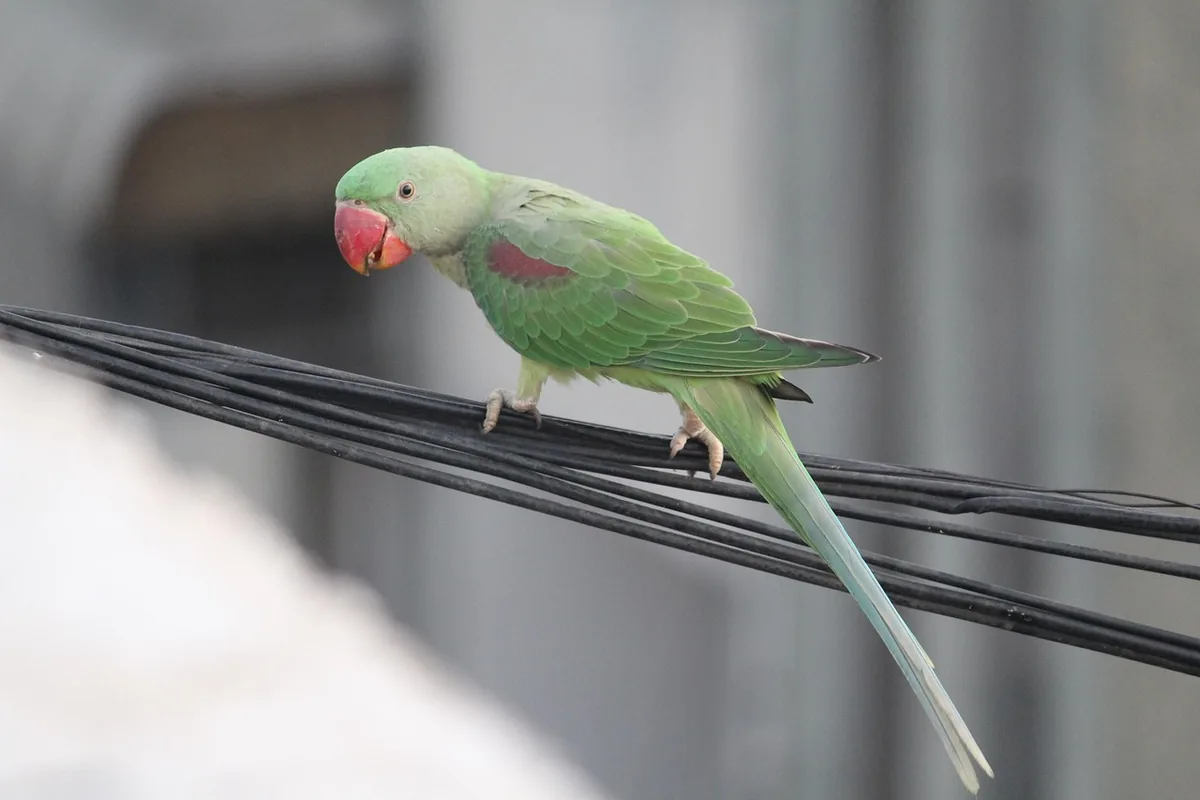
Indian Ringnecks are one of the most misread parrots in the hobby, and it usually comes down to expectations. People meet a bird that can say its own name in crystal-clear English and assume it wants to be cuddled like a lovebird. Ringnecks are not like that. They are intelligent, observant, talkative, and fundamentally independent — a bird that chooses connection rather than craving it. Once you read them on their terms, they become deeply engaging companions. This guide is about learning that language.
General Temperament
A well-socialized ringneck is confident, busy, and vocal. It watches everything, forms opinions, and often bonds most strongly with one person while remaining civil-but-cool toward everyone else. This species prizes routine and predictability; abrupt changes, rough handling, or inconsistent attention make a ringneck withdraw and can push a hand-tame bird back toward being flighty. They are not "mean" birds — they are self-possessed ones, and they reward keepers who respect that.
Reading Ringneck Body Language
Ringnecks are slim, long-tailed, and expressive from beak to tail tip. Learn the signals below and you will prevent most bites before they happen.
Relaxed and Content
- Loose, slightly fluffed feathers over a relaxed body — at ease.
- Beak grinding — that soft crunching sound is a settled, sleepy, happy bird.
- One foot tucked up while resting — feeling safe and secure.
- Preening and stretching (a wing-and-leg stretch on one side) — comfort and routine.
- Soft chatter, warbling, or quiet practice-talking — a relaxed ringneck narrating to itself.
Excited or Overstimulated
- Eye pinning (pupils flashing wide and narrow) — heightened arousal. Context is everything: pinning during play differs from pinning right before a bite. Pair it with the rest of the body.
- Head bobbing — wants something: attention, food, or interaction.
- Tail fanning and flicking — display, excitement, or the "I'm getting wound up" warning; slow down when you see it.
- Rapid, chattery vocalizing with a busy body — high energy that can tip into nippiness if you keep pushing.
Warning — Give Space
- Sleeked-down feathers, body leaning away — fear or "I don't want this."
- Lunging, beak gaping, or hissing — a clear back-off signal; respect it rather than testing it.
- Head lowered, feathers tight, eyes fixed on your hand — a bird deciding whether to bite.
- Rapid open-beak panting — stress or overheating, not aggression, but still a "stop" signal.
Tip: Ringnecks bite far more from being pushed past a signal than from malice. Almost every bite is preceded by a lean-away, a pin, or a tail flick. Read the early cue, pause, and let the bird reset — you will build trust faster by respecting a "no" than by forcing a "yes."
The Ringneck Voice
With a talking rating of 4 out of 5, Indian Ringnecks are among the clearest speakers in all of parrotdom — many develop tidy vocabularies and mimic in an oddly precise, almost prim voice. Not every ringneck talks, but most are highly vocal in some form.
- Contact calls — a loud, carrying screech that means "where are you?" Answer it and it usually settles; ignore it and it escalates.
- Alarm calls — sharp, sudden shrieks at a hawk shadow, a strange noise, or a change in the room.
- Chatter and song — running strings of soft warbles, whistles, and word-practice; the sound of a content bird.
- Learned speech and whistles — words, names, phrases, ringtones, and household sounds, often deployed with uncanny timing.
Their day-to-day noise level is moderate (3 out of 5) rather than extreme, but the contact call is genuinely piercing. The best control is a predictable routine and reliably answering the check-in call rather than rewarding the escalation.
Hormones, Seasonality, and the Bluffing Phase
The single most important behavior chapter for this species is adolescence.
Somewhere in the first year — often around 4 to 12 months — many ringnecks enter what keepers call the "bluffing" phase: a previously sweet, hand-tame youngster suddenly turns nippy, lunges, retreats, and acts as if it wants nothing to do with you. It is a normal, temporary, hormone-driven stage, not a personality change and not you doing something wrong. It passes.
What matters is how you handle it. Ringnecks are prone to reverting toward semi-feral if handling lapses during this window, so the goal is to stay calm, consistent, and low-drama. Keep interacting in gentle, non-forceful ways, keep training sessions short and positive, and do not punish, chase, or grab a bluffing bird — that teaches it that hands are threats. Ride it out, and the affectionate bird usually comes back.
Seasonally, mature ringnecks show hormonal surges (commonly in spring with lengthening light) that bring more territoriality, cage-defensiveness, regurgitation toward a favored person or object, and shorter tempers.
Warning: During hormonal peaks, avoid petting anywhere but the head and neck, remove nesting-trigger spots (dark tents, boxes, shreddable cavities), and roll sleep back toward 12 hours of darkness with a consistent early "sunset." Petting a bird's back and body and encouraging nesting behavior directly stokes hormones and the crankiness that comes with them.
Common Behavior Challenges
- Sudden nippiness in a young bird — almost always bluffing; respond with calm consistency, not punishment (see above).
- Going flighty after being tame — usually a symptom of lapsed daily handling or a stressful change; rebuild slowly with food-based, no-pressure sessions.
- Cage aggression / one-person bonding — feed treats through the bars, do neutral-room interactions away from the "territory," and have the whole household offer good things.
- Screaming for attention — answer genuine contact calls promptly, never reward the escalation with dramatic reactions, and make sure the bird has enough foraging and out-of-cage enrichment to fill its very busy mind.
Read the body, respect the signals, and stay steady through adolescence — that is the whole secret to a ringneck that trusts you.
Explore related topics
Related Articles
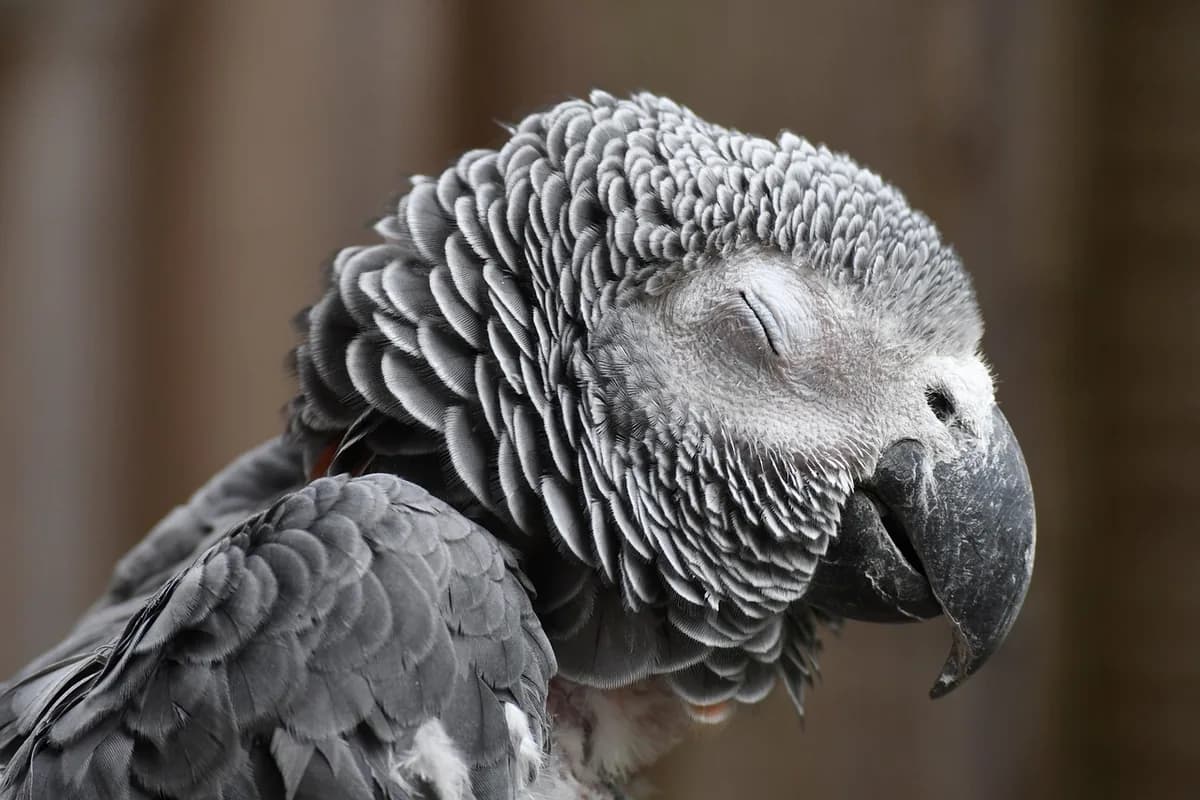
Understanding Congo African Grey Behavior and Body Language
Read your African Grey like an expert — the pinning eyes, subtle feather shifts, and cautious neophobic nature of this sensitive species, plus its famous contextual speech and the hormonal and phobic behaviours owners most often misread.
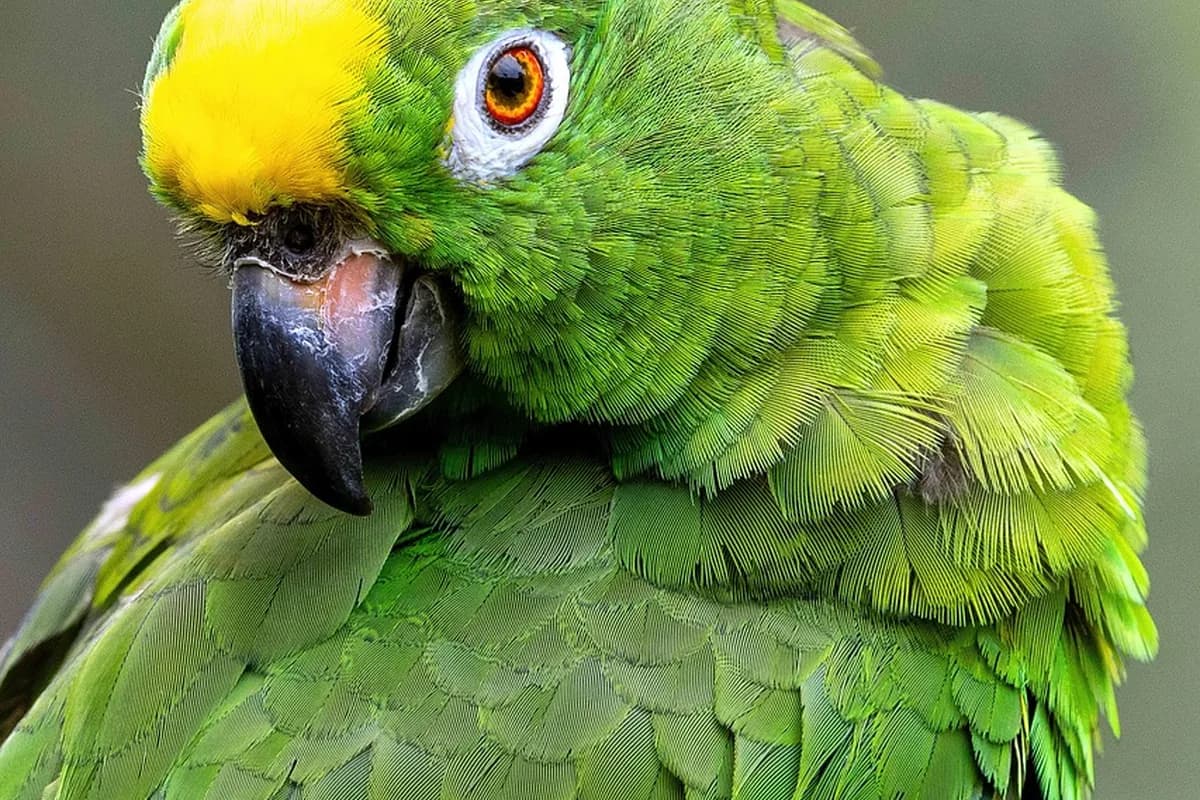
Reading Amazon Parrot Behavior & Body Language: The Overload Warning
Amazon parrots wear their emotions loudly. Learn to read pinned eyes, a fanned tail, and raised nape feathers — the classic 'Amazon overload' — plus their vocal moods and spring hormonal swings, so you can stop before a bite.
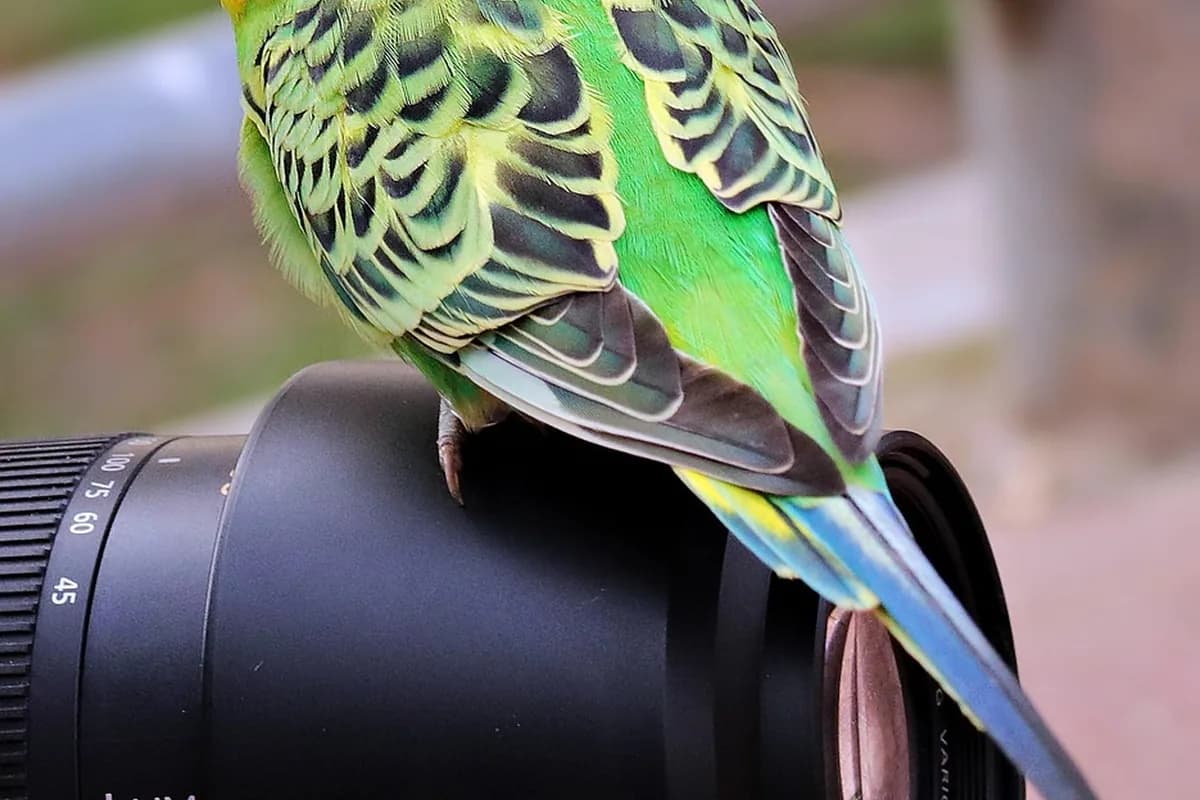
Understanding Budgie Behavior and Body Language
Learn to read a budgie: cere colour and what it says about sex and hormones, head-bobbing, contact calls, contented beak-grinding, and how to tell excited from overstimulated before a nip.