Finch Behavior and Body Language: Reading a Flock
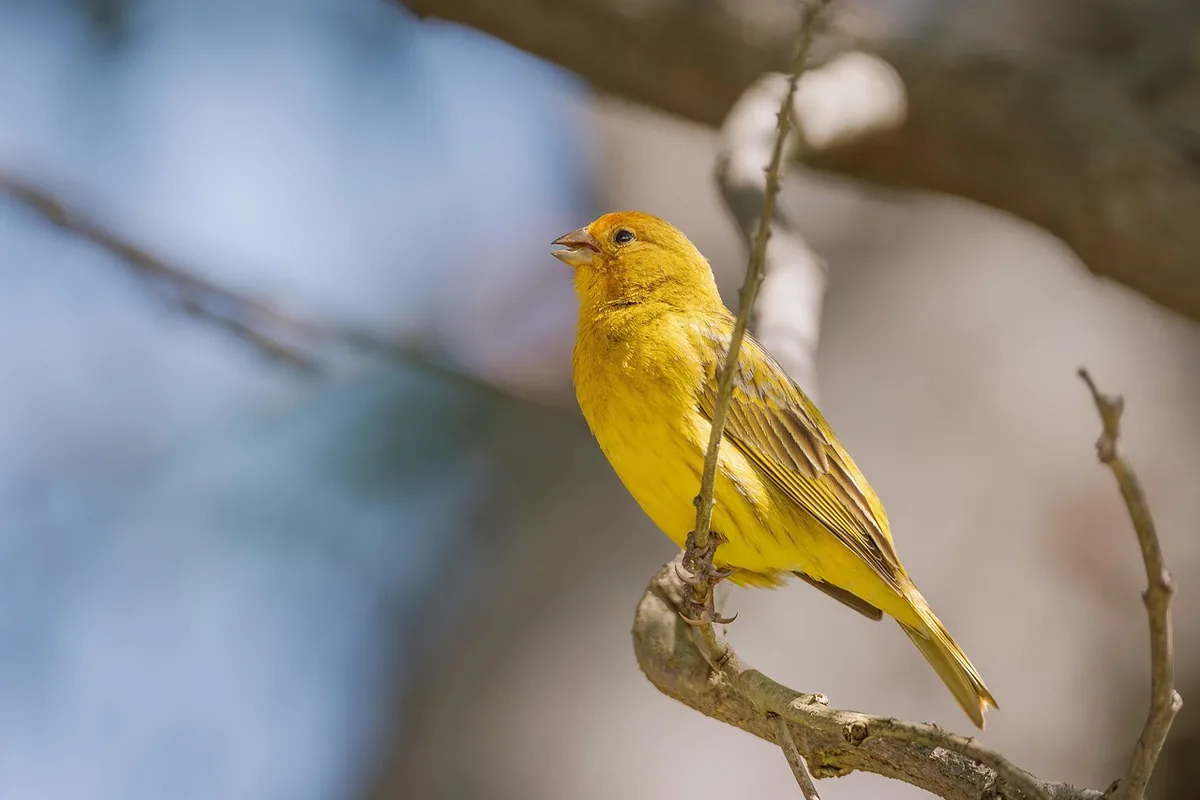
Finches communicate constantly — just rarely with you. Where a parrot fixes its attention on its human, a finch lives inside its flock, chattering, preening, squabbling and calling to its companions all day long. Learning to read that flock is how you know whether your birds are content, stressed, coming into breeding condition, or getting sick. This is a watcher's bird, and watching well is the whole skill.
The Finch Temperament
Finches are active, social and endlessly busy, but fundamentally hands-off. They are prey animals with a strong flight response, and they bond to other finches rather than to people. A well-kept flock spends its day in near-constant low-level motion: short flights end to end, hopping between perches, bathing, foraging through millet, and softly contact-calling. That gentle background chatter (a noise level of about 1 out of 5) is the sound of a happy, secure group. Sudden silence from a normally chatty flock is often the first sign something is wrong.
Because they are group birds, much of their most important "body language" is social — how they arrange themselves relative to flockmates tells you as much as any single posture.
Reading Individual Body Language
Finches are small and fast, so you learn to read them at a glance. Watch the feathers, the eyes, the posture and the tail.
A comfortable, healthy finch
- Sleek feathers held close to the body — relaxed and well.
- Bright, fully open eyes and active, jerky movement around the cage.
- One foot tucked up while resting, feathers slightly loosened, often with quiet beak-grinding — a content, dozing bird.
- Enthusiastic bathing and preening, including allopreening (partners grooming each other's head and neck) — a strong sign of a bonded, settled pair.
- Steady singing and contact-calling through the day.
A stressed, frightened or unwell finch
- Feathers fluffed up for a long time while sitting still, especially low in the cage — very different from a brief rest fluff. In a species this small it can signal illness and warrants a close look.
- Rapid, panicked flying into cage walls, or repeated "night frights" — thrashing in the dark when startled.
- Tail bobbing with each breath, or open-beak breathing — a respiratory red flag; see the health guide.
- Flattened feathers and a frozen, tense posture — acute fear of something nearby (a cat, a hawk shadow, an unfamiliar person).
- A bird sitting apart from the flock, pushed off perches, or unusually still — often the earliest sign of sickness, because finches instinctively hide weakness.
Warning: A finch that fluffs up, stops calling and sits on the cage floor is not sulking — it is likely ill. Small passerines mask disease until they are quite sick, so treat a persistently fluffed, quiet, floor-sitting finch as an urgent problem, not a mood.
The Voice of the Flock
Finches have no talking ability — they will never mimic words — but they are far from silent, and their vocabulary of calls is rich once you tune in.
- Contact calls: the constant soft "meep," "beep" or peeping that flockmates trade to stay in touch — the audible equivalent of "I'm here, where are you?" A bird calling and getting no answer will call louder.
- Song: the more complex, structured warble, produced mainly by males. Zebra finch song is so consistent that it is the standard model in the neuroscience of vocal learning — young males literally learn their song from an adult tutor, much as human infants learn speech.
- Alarm calls: sharp, loud, repeated notes when something frightens the flock — a sudden noise, a predator at the window, a hand in the cage.
- Squabble chatter: bickering buzzes and beak-fencing over a favorite perch or dish, usually harmless flock politics.
Seasonal and Hormonal Behavior
Finch behavior swings with the seasons and with hormones, largely driven by day length and food richness.
- Molt: once or more a year, birds drop and regrow feathers. Expect quieter, less energetic behavior, more resting and preening, and sometimes a pause in song — this is normal, but pair it with extra protein (see the diet guide).
- Breeding condition: long days, abundant rich food and any nesting material can flip finches into breeding mode. Signs include nest-building, a male singing intensely and dancing on the perch, mounting, and hens spending time in a nest site. Zebra finches in particular breed readily and almost year-round if conditions allow.
- Managing unwanted breeding: if you don't want eggs, remove nests and nesting fibers, cut back egg food and other rich foods, and keep to a natural, shorter light cycle. Chronic egg-laying drains a hen's calcium and risks egg-binding.
Common Behavior Challenges
- Aggression and bullying: in a crowded or badly shaped cage, a dominant bird may chase, pluck or block others from food. The fix is space (a long flight cage), multiple food and water stations, and removing a relentless bully. Mixing species or adding a lone bird to an established pair can spark conflict.
- A lonely single finch: kept alone, finches become dull, stressed and prone to feather issues. They are not solo pets — the remedy is a compatible companion.
- Night frights: finches can panic and thrash in total darkness. A dim night light and a calm, stable sleeping spot usually stop it.
- Excessive egg-laying: a hormonal-management problem more than a behavioral one — address it through light, diet and nest removal as above.
Read your flock the way it lives — as a group in motion. When the chatter is steady, the feathers are sleek, and the birds are flying, bathing and preening one another, you are looking at finches doing exactly what finches are meant to do.
Explore related topics
Related Articles
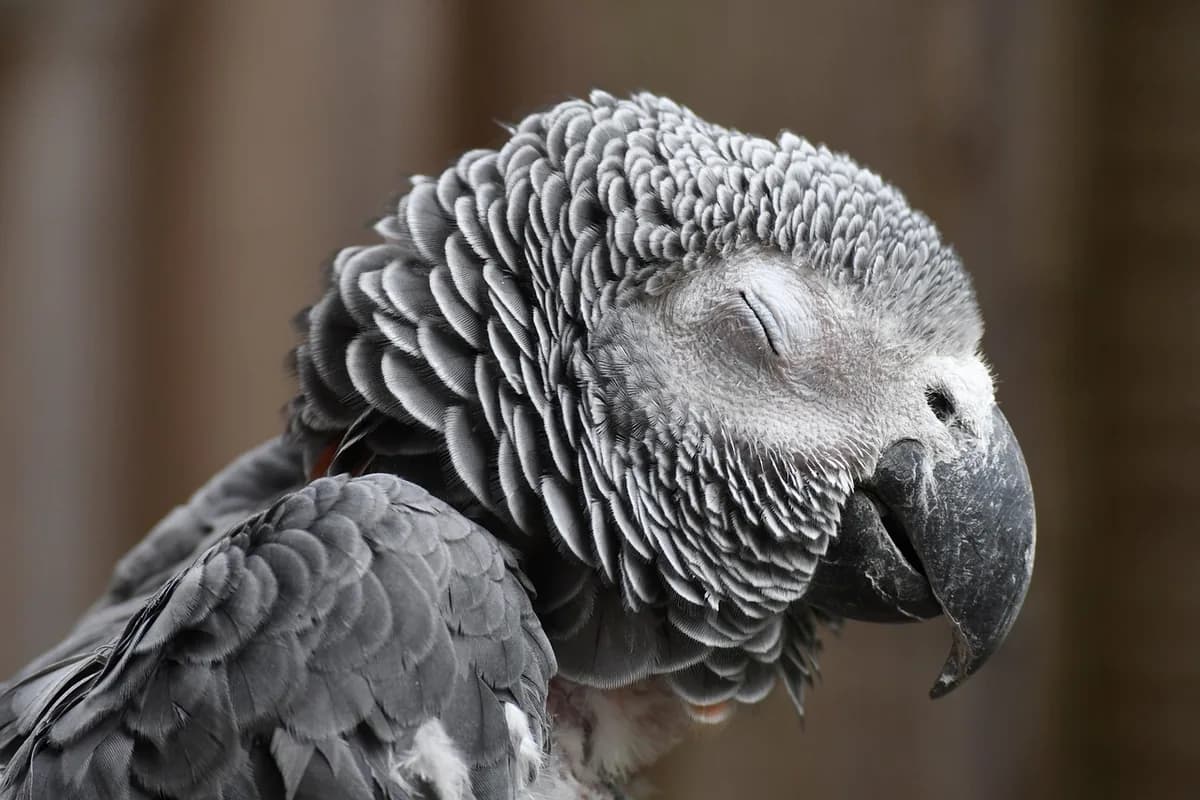
Understanding Congo African Grey Behavior and Body Language
Read your African Grey like an expert — the pinning eyes, subtle feather shifts, and cautious neophobic nature of this sensitive species, plus its famous contextual speech and the hormonal and phobic behaviours owners most often misread.
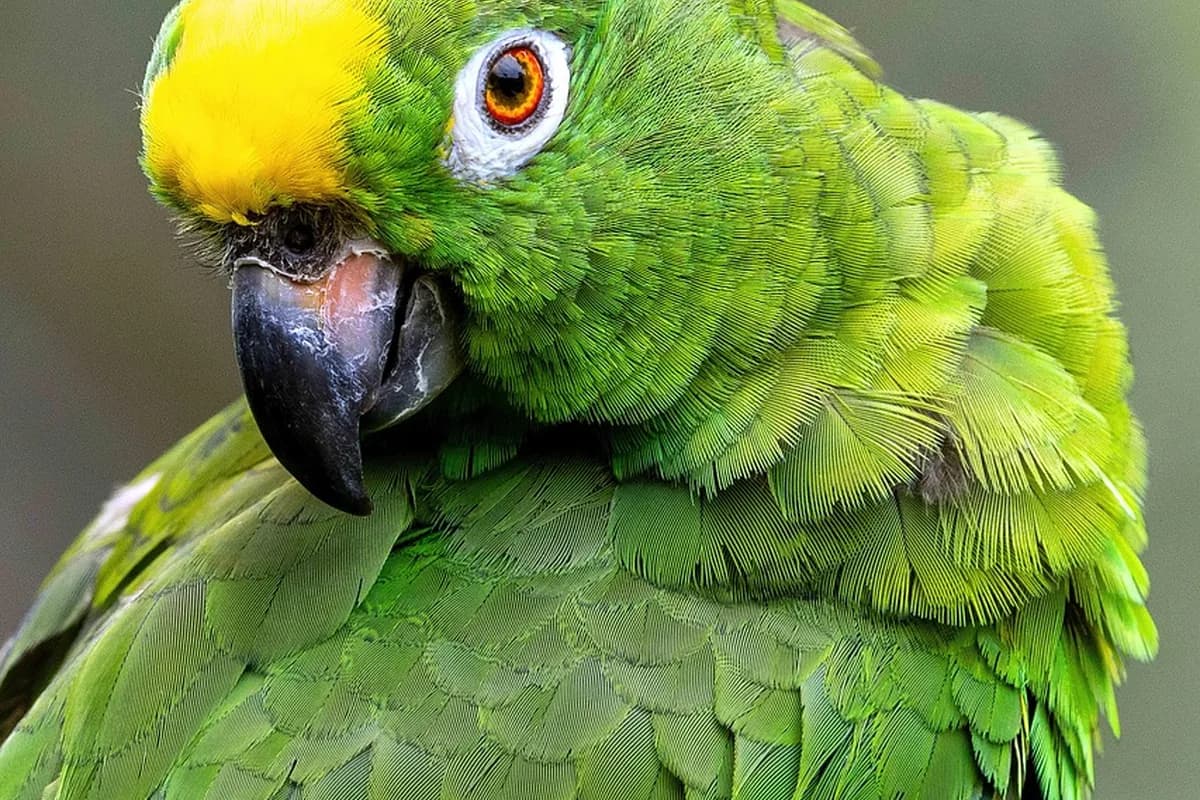
Reading Amazon Parrot Behavior & Body Language: The Overload Warning
Amazon parrots wear their emotions loudly. Learn to read pinned eyes, a fanned tail, and raised nape feathers — the classic 'Amazon overload' — plus their vocal moods and spring hormonal swings, so you can stop before a bite.
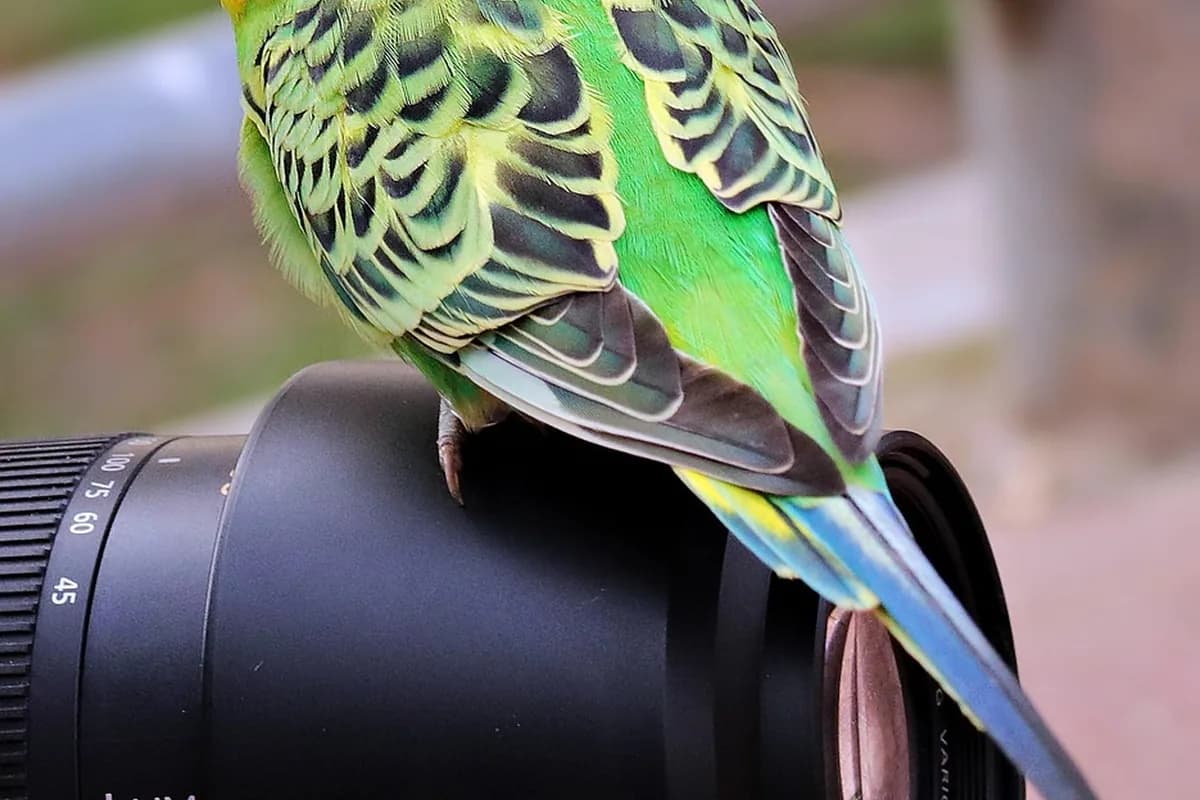
Understanding Budgie Behavior and Body Language
Learn to read a budgie: cere colour and what it says about sex and hormones, head-bobbing, contact calls, contented beak-grinding, and how to tell excited from overstimulated before a nip.