Do Parrots Feel Emotions? Understanding the Emotional Lives of Our Feathered Friends
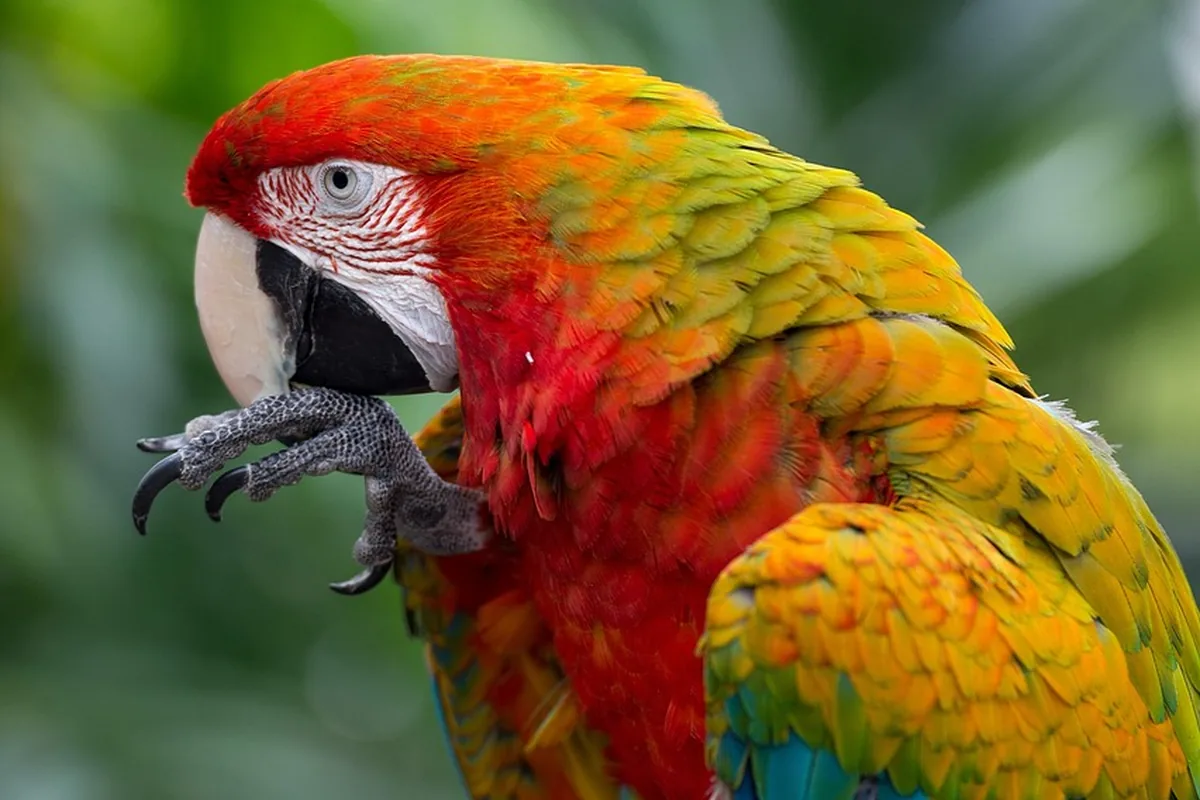
At Bird Sitting Toronto, where we board hundreds of birds every year, one thing becomes obvious within a single stay: parrots are not just clever, they are deeply emotional. For decades, scientists warned pet owners against anthropomorphism — the habit of assigning human feelings and thoughts to animals. Yet a growing body of avian research now recognizes that parrots, like many animals, experience genuine, complex emotional states. If you share your home with a parrot, you already knew that.
Our relationship with parrots is built, more than anything, on emotion. We can never fully know what a bird feels — just as we can never fully know another person's inner world — but the signals are unmistakable. Parrots form close bonds, crave companionship, and tell us how they feel through body language, vocalizations, eye pinning, and behavior. Learning to read those signals is the heart of good parrot care.
How Parrots Communicate Feeling
Parrots broadcast their emotional state constantly, usually before they ever make a sound. A relaxed bird has smooth feathers, a slightly fluffed chest, and easy, curious movement. A stressed or frightened bird goes tall and thin, holds its feathers tight to the body, and watches you closely. "Eye pinning" — the rapid dilation and contraction of the pupils — often signals excitement or intense interest, and in the wrong moment it warns of overstimulation that can tip into a bite.
Because parrots are prey animals, they instinctively hide weakness. That makes their body language both rich and easy to misread, which is exactly why paying attention matters so much.
Nine Emotions You Will See in a Parrot
Any bird owner can list the feelings they watch cross their parrot's face in a single day. Here are nine you will come to recognize, what they tend to look like, and how to respond.
| Emotion | What you may notice | What it usually means / how to respond |
|---|---|---|
| Love | Seeking closeness, gentle preening of you, soft chatter when you return, following you room to room | A secure bond; reciprocate with calm attention |
| Fear | Flattened feathers, wide eyes, freezing, fleeing, or lunging | A perceived threat; remove it and give space, never force contact |
| Joy | Singing, playing, wing-flapping, bouncing, mimicking your excitement when you arrive home | Contentment; a green light for interaction and training |
| Loneliness | Repetitive or destructive behavior after long stretches alone | Too little social contact; increase daily togetherness |
| Boredom | Restlessness, listlessness, feather picking | Not enough mental stimulation; add foraging and rotate toys |
| Grief | Subdued, withdrawn, or depressed after losing a bonded human or companion bird | Mourning; offer extra gentle presence and watch that it keeps eating |
| Jealousy | Possessiveness or attention-seeking around a new baby, partner, or pet | A shift in the flock; reassure with predictable one-on-one time |
| Anger | Biting, lunging, defensive posturing | Frustration or feeling cornered; back off and lower the pressure |
| Distrust | Nervousness or retreat around unfamiliar people or places | Needs slow, low-pressure introductions on the bird's own terms |
Empathy and Sensitivity: The African Grey
Some species, African Greys especially, are remarkably attuned to their people. Dr. Irene Pepperberg's decades of research with Alex, an African Grey, demonstrated that these birds can label objects, count, categorize by colour and shape, and grasp abstract concepts like "same" and "different" — cognition once thought impossible in a bird. That intelligence comes paired with sensitivity: Greys and many other parrots read facial expression, tone of voice, posture, and energy, and they often respond to your mood even when you try to mask it.
The practical takeaway is that your household is your bird's flock. If the home is tense, loud, or chaotic, your parrot feels that pressure and its sense of safety erodes.
Tip: Give your bird a calm, predictable "home base" — a cage placed against a wall rather than marooned in the middle of a room, in a spot with family activity but an easy line of retreat. Consistent sleep, meals, and out-of-cage time do more for emotional stability than any single toy.
When a Mood Change Is Really a Health Change
Emotions and health are tangled together in birds, and this is where owners most often go wrong. A sudden shift — a chatty bird gone silent, a confident bird suddenly fearful, a drop in appetite or a loss of interest in play — can absolutely be emotional. But it can just as easily be the first visible sign of illness, because prey animals hide sickness until they no longer can.
Warning: Per avian veterinary consensus (Association of Avian Veterinarians), any abrupt, unexplained change in behavior, appetite, droppings, or posture warrants a call to an avian vet, not a wait-and-see. By the time a bird "looks sick," it is often seriously ill. Rule out a medical cause before treating a problem as purely behavioral.
Supporting Your Parrot's Emotional Well-Being
You do not need elaborate tricks to raise an emotionally healthy parrot. A few consistent habits carry most of the weight:
- Companionship — daily, focused time together, whether talking, training, or simply sharing the same room.
- Enrichment — rotate foraging toys, shreddables, and puzzles to fight boredom and the feather-damaging behavior that follows it.
- Routine — predictable mornings, meals, and 10 to 12 hours of quiet, dark sleep each night.
- Read before you react — a bite or a scream is communication, not defiance. Ask what the body language was telling you a moment before it happened.
Parrots may not speak our language in the human sense, but emotionally they are loud and clear. Learn to listen, and you will have a companion who feels genuinely safe with you — whether at home or, when life gets busy, in the care of people who speak the same language.
Explore related topics
Related Articles
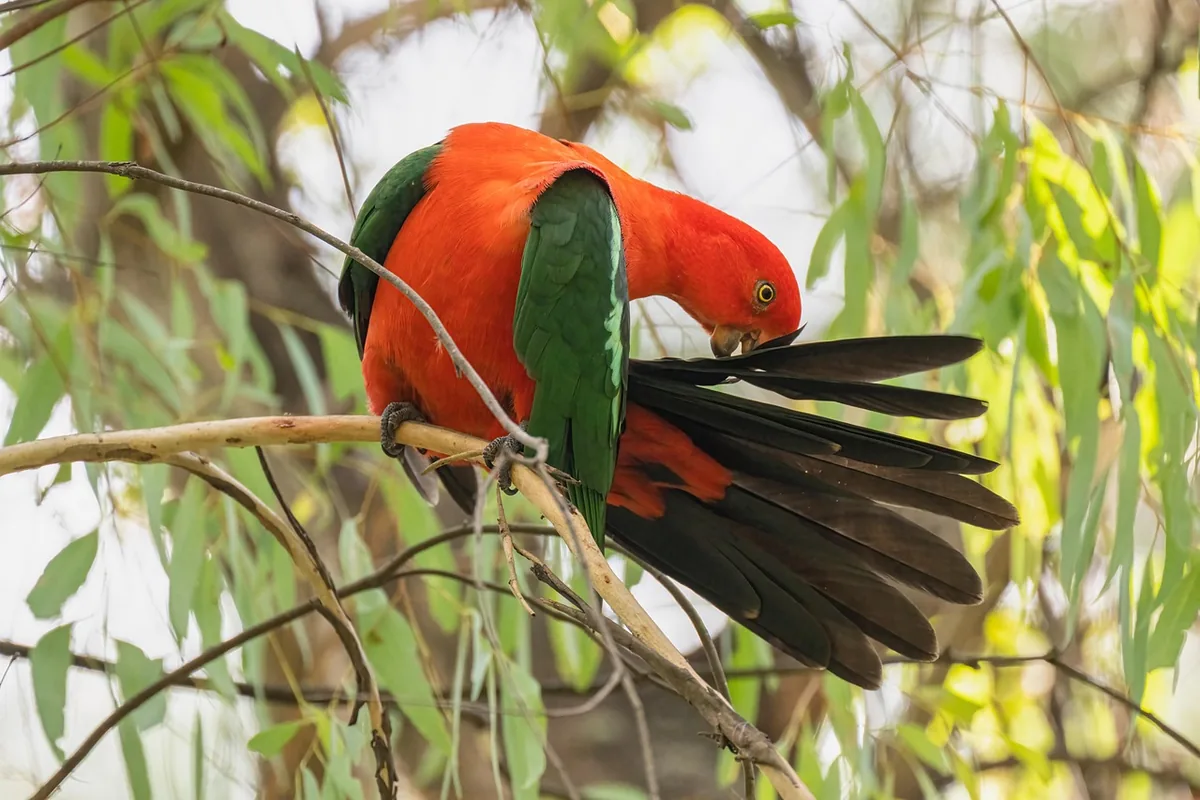
Bathing Methods for Parrots: Finding What Your Bird Loves
Every parrot has a bathing preference. Misting, dish, shower, wet leaves — here's how to find your bird's favorite.
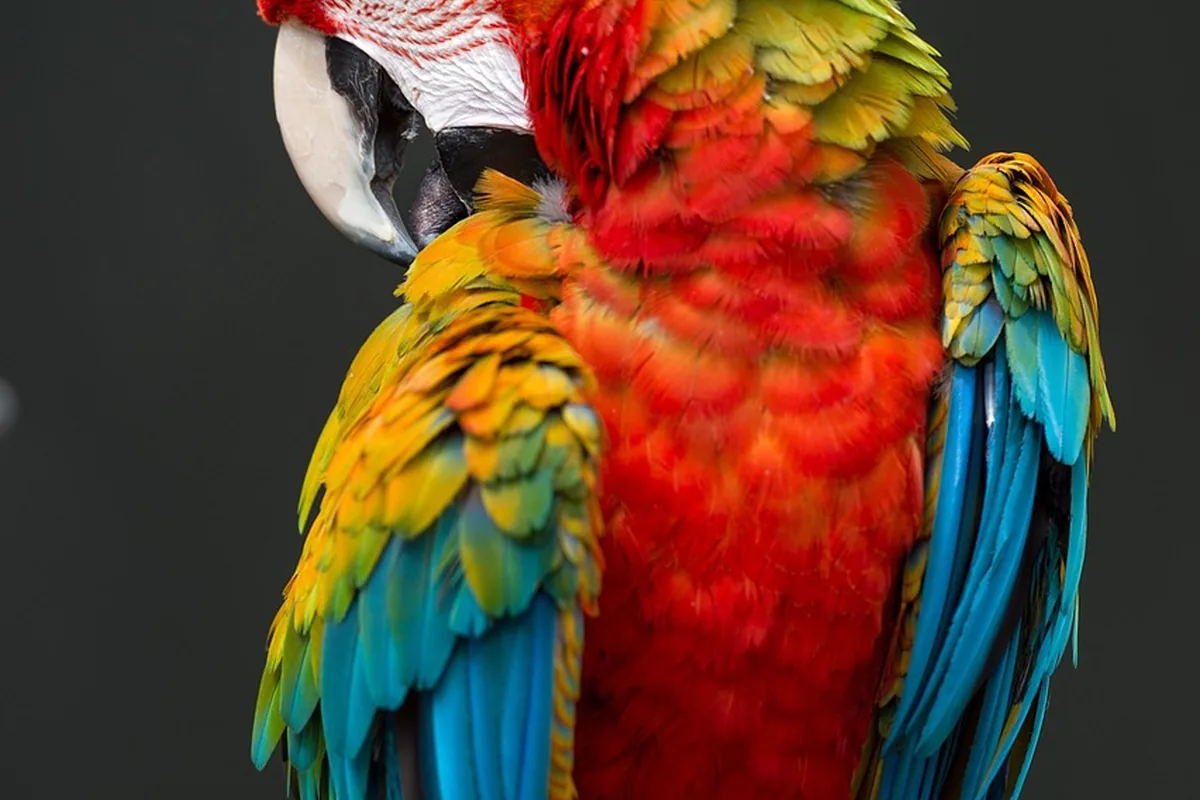
Beak Care for Parrots: When Is a Beak Problem Serious?
A healthy beak should maintain itself through natural chewing. Here's when beak issues need attention.
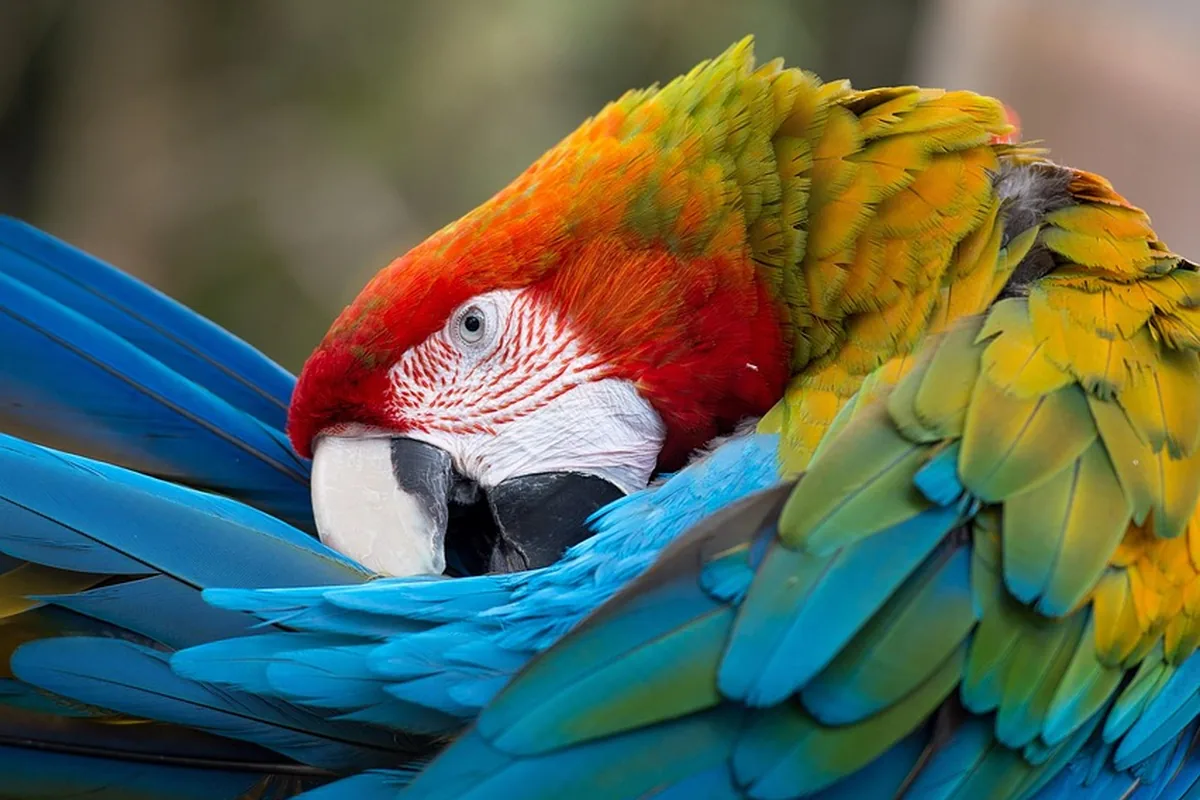
Nail Trimming for Parrots: How to Do It Safely at Home
Long nails can injure your bird and damage your skin. Here's how to trim safely — or know when to let a pro handle it.