Why Does My Bird Bite? Understanding the Reasons Behind Parrot Aggression
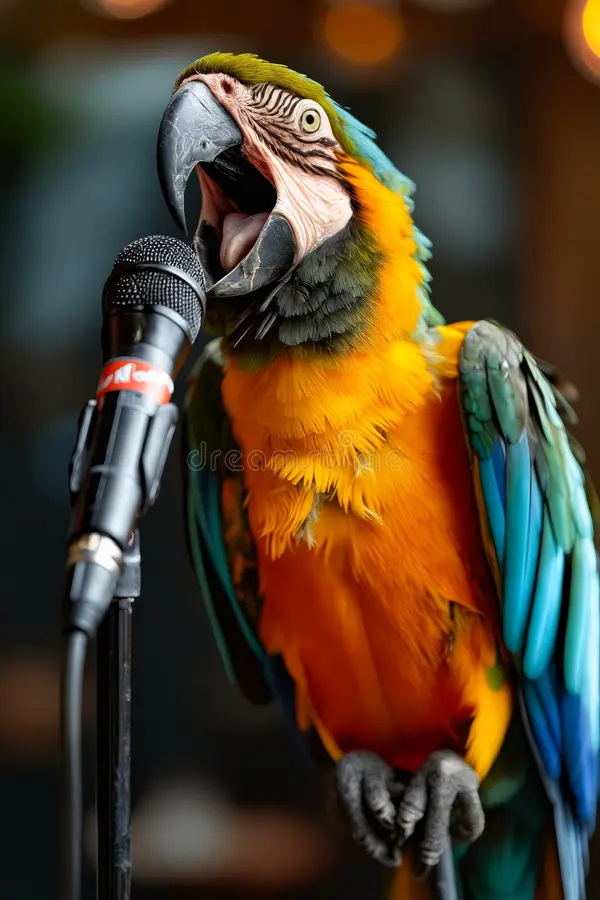
Getting bitten by your parrot can be painful—and not just physically. It often leaves owners feeling hurt, confused, or even betrayed. But here is the reassuring truth: bites are rarely random and almost never malicious. In the wild, parrots seldom bite each other at all, reserving it for serious moments like defending a nest. A bird would much rather warn you off than escalate to its beak.
At Bird Sitting Toronto, where we board hundreds of birds every year, we see the same pattern again and again: biting is a last resort, not a first instinct. Your parrot almost always tries to tell you "back off" through posture and voice long before it makes contact. Once you learn to read those signals, most bites become entirely preventable.
Why Parrots Bite
A bite is a message, and the message usually has a clear cause. These are the most common reasons a companion parrot reaches for its beak:
- It wants space. Sometimes your bird simply does not want to be touched, picked up, or handled right now—and a bite is how it enforces that boundary.
- Fear or distrust. An unfamiliar person, a new object, a sudden movement, or a strange environment can trigger a defensive bite.
- Displaced aggression. A bird that is startled or over-aroused may redirect that energy onto the nearest "safe" target—often the human standing closest.
- Territorial behaviour. Many parrots become protective of their cage, favourite perch, or bonded person, and will bite a hand that reaches into that space.
- Overstimulation. Excited, rowdy play can escalate fast, and a beak that was "beaking" gently a moment ago clamps down hard.
- Hormonal changes. During breeding season or as a young bird reaches sexual maturity, moodiness, nippiness, and cage-defensiveness are common and usually temporary.
- Exploration. Young birds use the beak as a third hand, testing textures in their world—including your fingers. This is investigation, not aggression.
Tip: Keep a simple note on your phone each time your bird bites—time of day, who was involved, what happened just before. After a couple of weeks a pattern almost always emerges (mornings on the cage top, a certain visitor, being reached for during a nap), and the pattern tells you exactly what to change.
Read the Warning Signs First
Avian behaviour specialists and avian veterinarians broadly agree that a bite is nearly always the end of a conversation your bird started with its body. Learning to spot the earlier signals is the single most effective way to avoid getting bitten. Watch for these cues:
| Warning sign | What it usually means |
|---|---|
| Eye "pinning" or flashing (pupils rapidly shrinking and dilating) | High arousal—could be excitement or building aggression; pair it with the rest of the body |
| Tail fanning or flaring | Agitation, defensiveness, or a threat display |
| Raised nape or crest feathers with a slicked-down body | Fear or "keep away" defensiveness |
| Leaning or backing away, moving to the far side of the cage | "I want space right now" |
| Beak gaping, clacking, or a quick lunge | A direct, final warning—stop what you are doing |
| Growling or hissing (common in African greys, cockatiels, and others) | Fear or a clear threat; back off immediately |
Note that a briefly fluffed-then-shaken bird (a "rouse") is usually relaxed, not angry—context matters, so read the whole body rather than a single feather.
How to Prevent Bites
- Learn your individual bird's language. Every parrot and species has its own dialect of posture and sound. Spend time simply observing.
- Do not force interaction. If your bird hesitates or pulls back, respect it and try again later. Forcing "step up" onto a reluctant bird teaches it that biting is the only word you listen to.
- Socialize early and positively. Calmly introduce your bird to different people, rooms, and gentle new experiences so novelty does not equal threat.
- Build a reliable "step up." A well-practised step-up cue, rewarded with a favourite treat, gives you a calm, predictable way to move your bird without grabbing.
- Manage hormones and territory. During breeding season, interact more from neutral spaces (a play stand away from the cage) and less by reaching into the cage.
What to Do If Your Bird Bites
If you do get bitten, how you react in the next few seconds matters more than you might think.
- Stay calm and quiet. A dramatic yell, a jerk of the hand, or a big reaction can be thrilling to a parrot and actually reward the bite.
- Set the bird down and disengage. Calmly place it on a perch or in its cage and step away for a short break—no scolding, no chasing.
- Reflect on the trigger. Was your bird tired, frightened, over-excited, or guarding its space? Naming the "why" is how you stop the next bite before it happens.
Warning: Never punish a bird physically, "beak flick," drop it, or shout at it. Parrots do not connect punishment to their behaviour—they only learn that hands are frightening. Harsh reactions reliably make biting worse and damage a bond that can take months to rebuild.
When a Sudden Change Deserves a Vet
Behaviour is health information. A normally gentle bird that suddenly starts biting, or a steady increase in aggression with no change in its environment, can signal pain, illness, or a hormonal problem rather than a "bad attitude." Feather-destructive behaviour, a hunched or fluffed posture, or any bird that seems "off" alongside new aggression should be seen by an avian veterinarian. When in doubt, get a check-up—ruling out a medical cause is always step one.
Bites Are Messages, Not Malice
Your bird is not trying to hurt you. It is trying to communicate in the only vocabulary it has. When you slow down, watch the warning signs, and respect the boundaries your parrot is drawing, you replace fear with trust. With patience and consistency, the bites grow rarer—and the relationship on the other side of them grows deeper.
Explore related topics
Related Articles
Do Parrots Understand What They Say? The Science Is Surprising
Is your parrot just mimicking or do they actually understand? The research says it's more complex than simple mimicry.
How to Stop My Parrot from Screaming: A Step-by-Step Plan
Your parrot's screaming is driving you crazy. This structured plan addresses the root cause, not just the symptom.
Teaching Your Parrot to Whistle Tunes: A Fun Training Guide
Cockatiels are famous for it, but many species can learn tunes. Here's how to teach your bird to whistle your favorite song.