Understanding Conure Behavior and Body Language
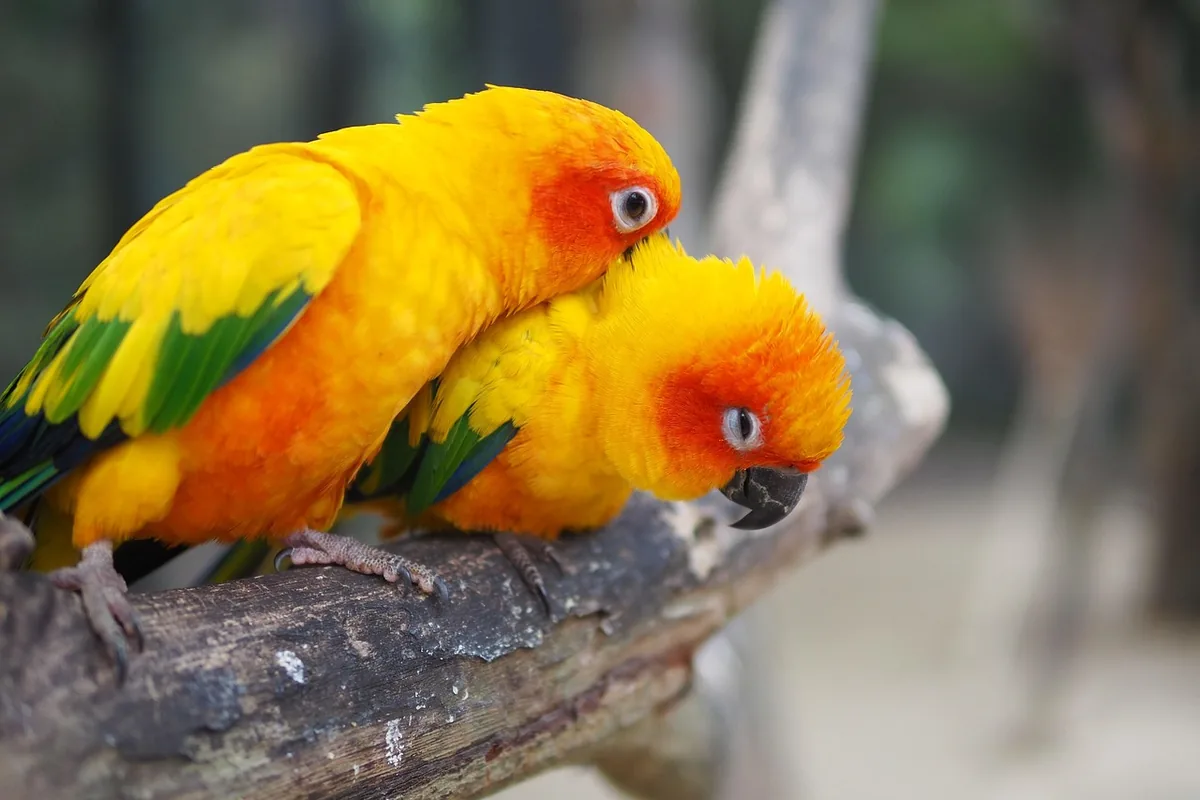
Conures are open books once you learn the language. They are among the most expressive small parrots — a bird that will lie on its back in your palm to "surf," click its beak at you like a greeting, and moments later pin its eyes and lunge if you've read the moment wrong. Learning these signals is what turns a nippy, over-excited bird into a trusted companion. Every posture, sound, and feather is communication.
The Conure Temperament
Clownish, adventurous, affectionate, and relentlessly energetic — that's the conure baseline. They are pocket-sized daredevils who investigate everything with their beak, form intense bonds with their people, and want to be in the middle of things. That intensity has a flip side: a conure that bonds hard can become territorial or over-attached, and one that's bored or under-slept will tell you about it at full volume. They are also, endearingly, physical — conures play rough, wrestle, and (green-cheeks especially) flop onto their backs, a trust display you'll rarely see in most parrots. Understanding the temperament is the frame for reading the individual signals below.
Reading the Signals
Body language always beats a single cue — read the whole bird and the context around it.
Relaxed and Content
- Beak grinding — a soft, gritty grinding as the bird settles down; the parrot equivalent of a contented sigh before sleep.
- Beak clicking — a light single click is often a friendly greeting or mild "hello, I see you." (A rapid, sharp clicking paired with a raised posture can mean "back off," so read the body.)
- One foot tucked up, feathers slightly fluffed — warm, safe, and off-duty.
- Preening, or preening you — grooming itself or gently nibbling your hair or fingers signals comfort and bonding.
- The back-surf and roll — flopping onto its back in your hand to wrestle a finger or toy. This is deep trust and play; a bird only exposes its belly to someone it feels safe with.
Excited or Overstimulated
- Pinning (flashing) eyes — pupils rapidly shrinking and dilating. It signals high arousal, which can be excitement, curiosity, or aggression. Pinning during play near food is normal; pinning while the bird stiffens and fans its tail is a warning.
- Tail fanning and wing flicking — display or overstimulation. When a cuddle session tips into flared tail and tense body, stop and give the bird a beat before it nips.
- Head bobbing and hopping — "engage with me" — excitement, begging for food, or an invitation to play.
Warning: Give Space
- Feathers slicked tight to a rigid body, leaning away — fear or the wind-up before a bite.
- Beak open, tongue out, a low growl or hiss — an unambiguous "do not touch me right now."
- Lunging at the hand or bars — territorial defense, common around the cage or a favorite person.
Tip: A bite is almost never "out of nowhere." Rewind ten seconds and you'll usually find a pinned eye, a flared tail, or a lean-away you talked yourself past. Respecting the early signal is how you keep a conure that trusts hands.
Vocalizations
Conures earn their 4-out-of-5 noise rating honestly, and the Aratinga species (sun, jenday, nanday) are dramatically louder than the Pyrrhura group (green-cheek, maroon-belly). With a talking score of 2 out of 5, they aren't great mimics — expect a few words, sounds, and whistles, not conversation. What they are is vocal:
- Contact calls — the signature loud, repeated call. It means "where are you?" and it's how a flock stays connected. Your bird will fire these off when you leave the room; a quick verbal answer back often settles it.
- Alarm screams — sharp and sudden; something startled the bird (a hawk shadow, a new object, a loud noise outside).
- Contentment sounds — soft chattering, babbling, mumbled "talking," and quiet whistling while busy.
- Escalating attention calls — this is the one that becomes a problem. If calling louder reliably makes you appear, the bird learns to call louder. The fix is behavioral, not a quieter bird.
Warning: Never reward a scream with attention — not even to say "stop." Walking in, making eye contact, or shouting back all count as attention and teach the bird that screaming works. Reward the quiet: return to the room, praise, and treat during a calm moment. Managing conure noise is about what you reinforce, not about the bird's volume.
Hormonal Behavior and Seasonality
Conures shift with the seasons, and spring — with its longer daylight — flips a hormonal switch. A normally sweet bird can turn territorial, extra nippy, and clingy, regurgitating for a favorite person (a courtship gesture), shredding paper obsessively, and guarding a chosen "nest" corner of the cage. It's normal, but you can turn the intensity down:
- Keep sleep long and consistent — 10-12 hours of darkness shortens the perceived "breeding" daylength.
- Avoid petting anywhere but the head and neck. Stroking the back, wings, and tail reads as mating and stokes hormones.
- Remove nesty spots — huts, tents, shreddable dark cavities, and don't let the bird burrow under blankets or furniture.
- Keep the diet lean on high-fat, high-sugar foods during hormone season.
Common Behavior Challenges
- Screaming — see above; almost always a reinforcement or a needs problem (loneliness, boredom, poor sleep). Fix the routine and the reward, not the bird.
- Hormonal biting — most intense in spring; back off physical cuddles, hold to the head-only rule, and wait it out.
- Feather plucking — conures are genuinely prone to this, and it's often boredom or stress. Rule out medical causes with a vet first, then flood the day with foraging and enrichment.
- Over-bonding to one person — spread care and handling across the household so the bird tolerates more than one human, which prevents jealous lunging at everyone else.
Read your conure honestly and respond to what it's actually telling you, and you'll have a bird that greets you with a beak click and a back-flop instead of a bite.
Explore related topics
Related Articles
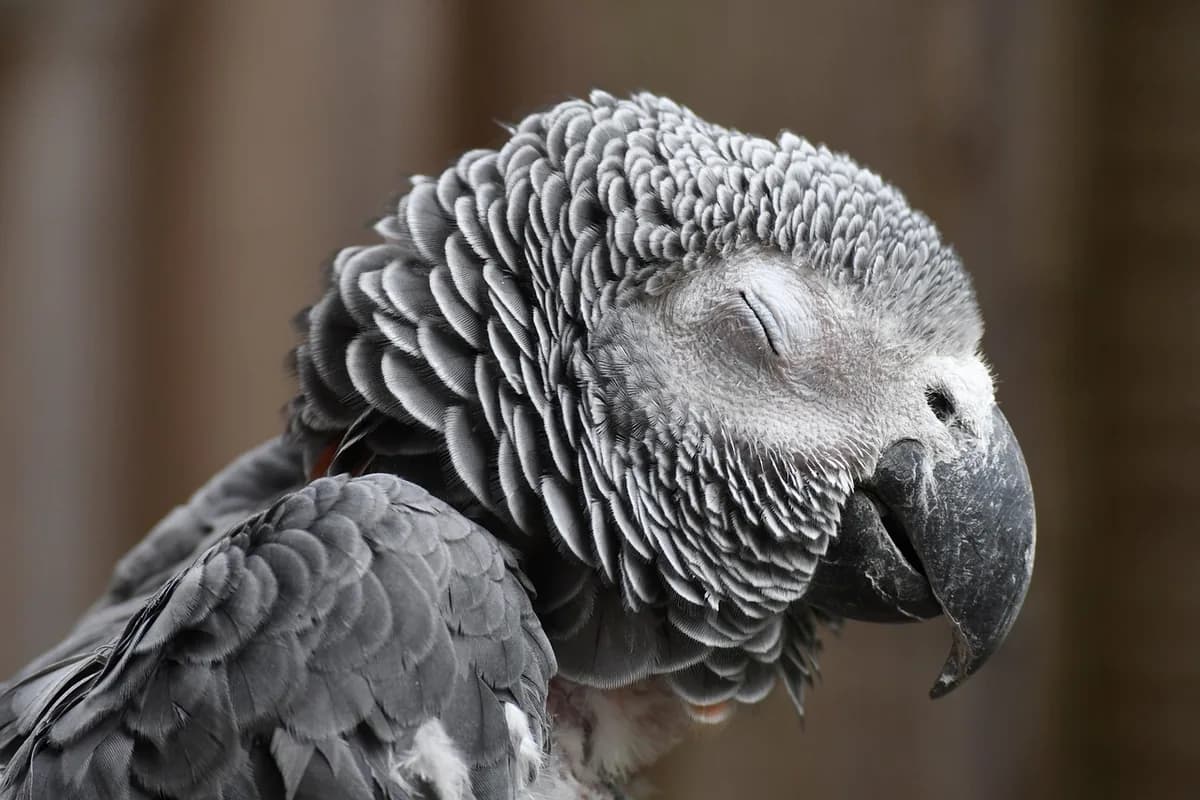
Understanding Congo African Grey Behavior and Body Language
Read your African Grey like an expert — the pinning eyes, subtle feather shifts, and cautious neophobic nature of this sensitive species, plus its famous contextual speech and the hormonal and phobic behaviours owners most often misread.
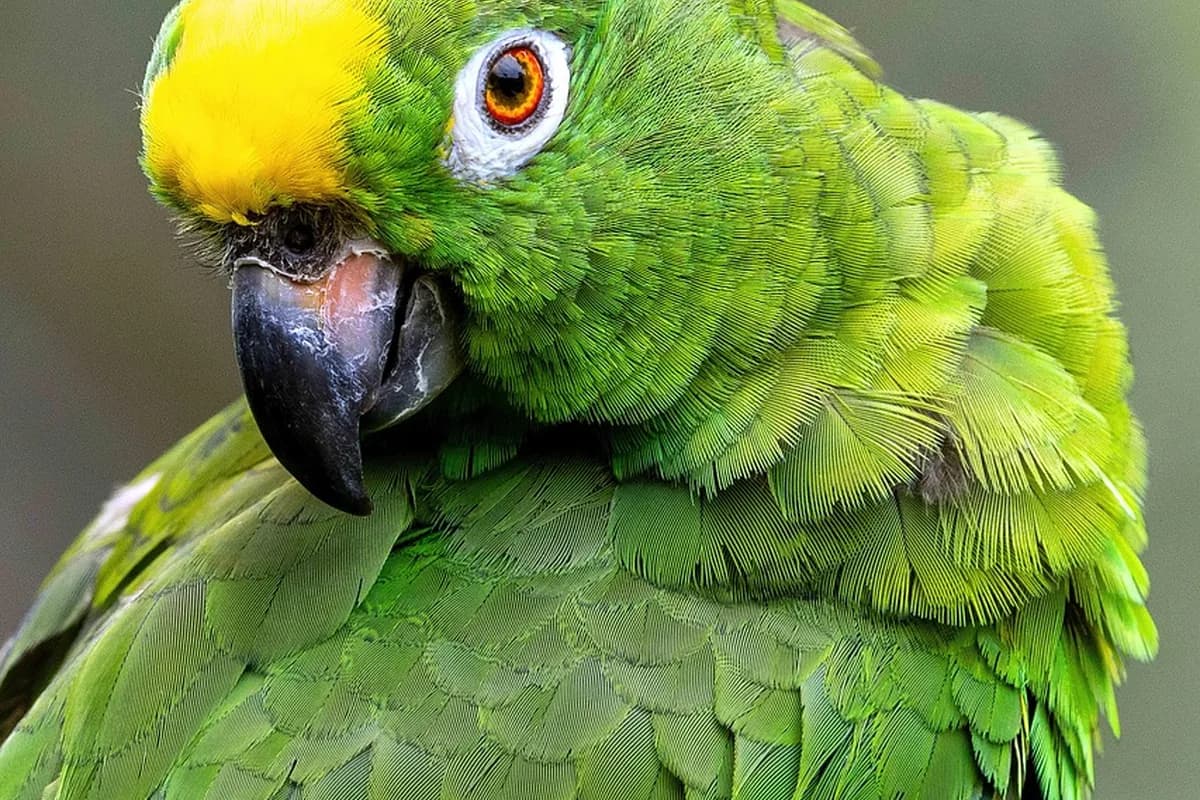
Reading Amazon Parrot Behavior & Body Language: The Overload Warning
Amazon parrots wear their emotions loudly. Learn to read pinned eyes, a fanned tail, and raised nape feathers — the classic 'Amazon overload' — plus their vocal moods and spring hormonal swings, so you can stop before a bite.
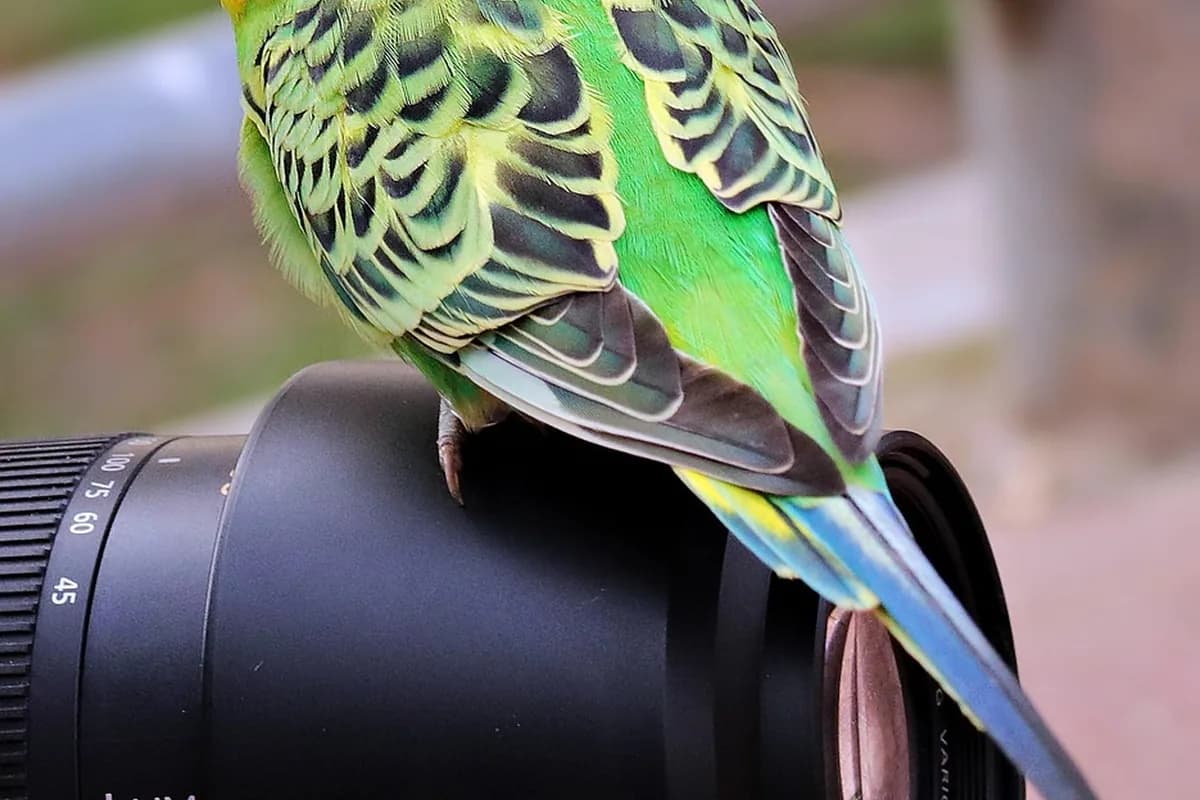
Understanding Budgie Behavior and Body Language
Learn to read a budgie: cere colour and what it says about sex and hormones, head-bobbing, contact calls, contented beak-grinding, and how to tell excited from overstimulated before a nip.