Understanding Cockatoo Behavior and Body Language
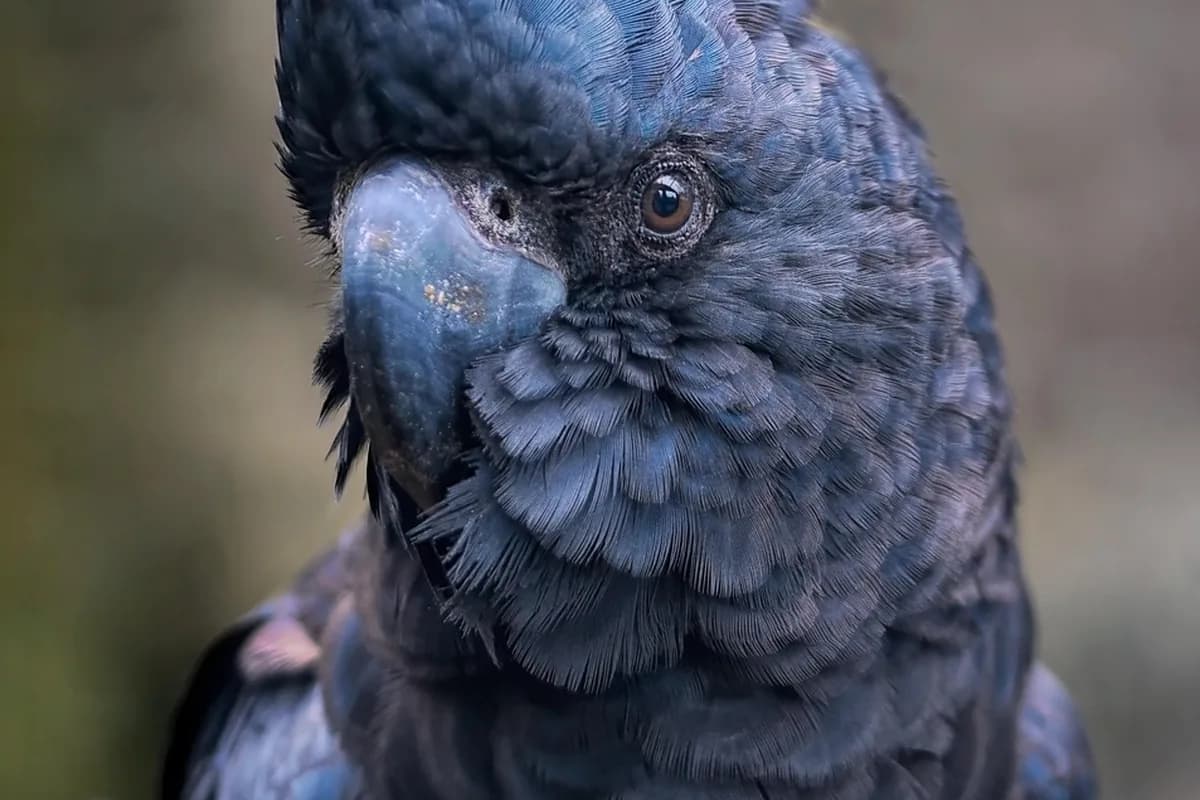
No parrot wears its heart more openly than a cockatoo. As the only parrots with a fully mobile crest that they raise and lower at will, cockatoos give you a live readout of their arousal in every interaction. Learning to read that crest — along with the eyes, feathers, and voice — is how you avoid bites, prevent the meltdown-and-scream cycle, and keep a sensitive, dramatic bird emotionally balanced. At Bird Sitting Toronto, the cockatoos are the birds our staff watch most closely, because their moods turn fast and they tell you everything if you know how to look.
The Cockatoo Temperament
Cockatoos are needy, affectionate, cuddly, and intensely social — and that is exactly what makes them challenging. They bond hard, often to a single person, and can become obsessive "velcro birds" who want to be attached to their human every waking moment. That craving for closeness, indulged, curdles into screaming, hormonal aggression, and feather-destructive behavior. A well-adjusted cockatoo is warm but capable of entertaining itself; the goal of everything below is to read your bird well enough to keep it in that balanced place.
Reading the Crest
The crest is your primary gauge. It moves with arousal — up means "something has my attention," and the context tells you whether that arousal is delight, fear, or a warning.
- Crest fully raised, forward, body tall: high arousal — could be excitement, alarm, or the prelude to a display. Pause and read the rest of the body before you reach in.
- Crest raised with a stiff, leaning-forward posture, maybe hissing: alarm or threat. Give space.
- Crest raised loosely during play, bouncing and vocalizing: happy excitement.
- Crest relaxed and lying back, feathers smooth: calm and content — the state you want to see most of the day.
Eyes, Feathers, and Posture
- Pinning eyes (pupils rapidly shrinking and expanding) signal intense focus. Paired with a raised crest and a tense body, it means "highly aroused — do not push." Paired with a relaxed posture and a favourite toy, it is simple excitement.
- Fluffed feathers with a relaxed body and maybe one foot tucked up means a comfortable, safe bird. Fluffed feathers that stay puffed for hours, with a hunched posture, is not contentment — that is a sick-bird sign and belongs in the health guide.
- Beak grinding — a soft, gritty sound at rest — is the sound of a relaxed, sleepy, happy cockatoo.
- Slicked-down feathers, body leaning away, wings slightly out signals fear. Beak open, head lowered, lunging is a clear "back off."
- A spread, fanned tail or strutting display is a high-arousal display; it often precedes hormonal or territorial behavior.
Tip: Never read a single signal in isolation. A raised crest plus pinning eyes plus a relaxed, bouncy body is an invitation to play; the same crest and eyes over a stiff, leaning body is a warning. Read the whole bird, every time.
The Voice: Contact Calls and the Scream
Cockatoos are, on any honest scale, extremely loud — a 5 out of 5. Screaming is not a malfunction; it is a flock species calling to keep its family close. Understanding why they call is the first step to living with it.
- Contact calls — loud, rhythmic calls that ask "where are you?" Answering briefly from another room often satisfies the bird; ignoring it entirely can escalate it.
- Dawn and dusk chorus — cockatoos naturally get loud at sunrise and sunset. This is normal and largely non-negotiable.
- Alarm screams — sharp and sudden; something startled the bird.
- Contentment sounds — soft chatter, mumbling, and beak grinding.
They are not gifted talkers (about a 2 out of 5), so a few words and mimicked household sounds are typical rather than the fluent speech of an African grey.
Warning: Do not accidentally train screaming. If a cockatoo screams and you come running, shout back, or hand over attention, you have rewarded the scream — and this species learns that lesson fast. Reward the quiet moments instead, and answer normal contact calls calmly before they escalate.
Hormonal Behavior and Seasonality
Much of the difficult cockatoo behavior owners struggle with is hormonal, and it runs on a seasonal rhythm — often intensifying in spring as daylight lengthens. Watch for regurgitating toward a favourite person, a tail-up crouching or "solicitation" posture, wing-quivering, shredding and burrowing into dark corners, and a spike in territorial biting or screaming.
Certain kinds of well-meant affection pour fuel on this fire. Petting a cockatoo anywhere other than the head and neck — down the back, under the wings, near the vent — reads as mating behavior and drives hormones. So do long hours of cuddling, access to dark nest-like spaces (tents, boxes, under furniture, inside your shirt), and very long days without a proper dark sleep period.
To keep hormones in check: limit petting to the head and neck, enforce 10–12 hours of dark, quiet sleep, remove nest-like hiding spots, keep affection warm but not smothering, and redirect that energy into foraging and independent play. Chronic hormonal straining also has a serious physical cost in cockatoos — it is linked to cloacal prolapse — which is one more reason not to encourage it.
Common Challenges, and How to Read Them
- Screaming: usually a contact call, boredom, or a learned attention-getter. Answer calmly, enrich heavily, and reward quiet — never reward the scream.
- Biting: almost always telegraphed. A raised crest, pinning eyes, and a leaning body come before the bite. Learn to stop reaching at those signals and bites become rare.
- Over-bonding / velcro behavior: the bird panics or screams when its person leaves. The fix is building independence early — see the training guide — not more cuddling.
- Feather-destructive behavior and chest self-mutilation: cockatoos are especially prone to plucking and even chewing the skin of the chest. Because it can be medical or behavioral, an avian vet visit comes first; boredom, poor sleep, low humidity, and hormonal stress are common behavioral drivers.
A cockatoo that is read well is a cockatoo that feels understood, and a cockatoo that feels understood is calmer, quieter, and far less likely to bite or pluck. The crest is right there, telling you everything. Watch it.
Explore related topics
Related Articles
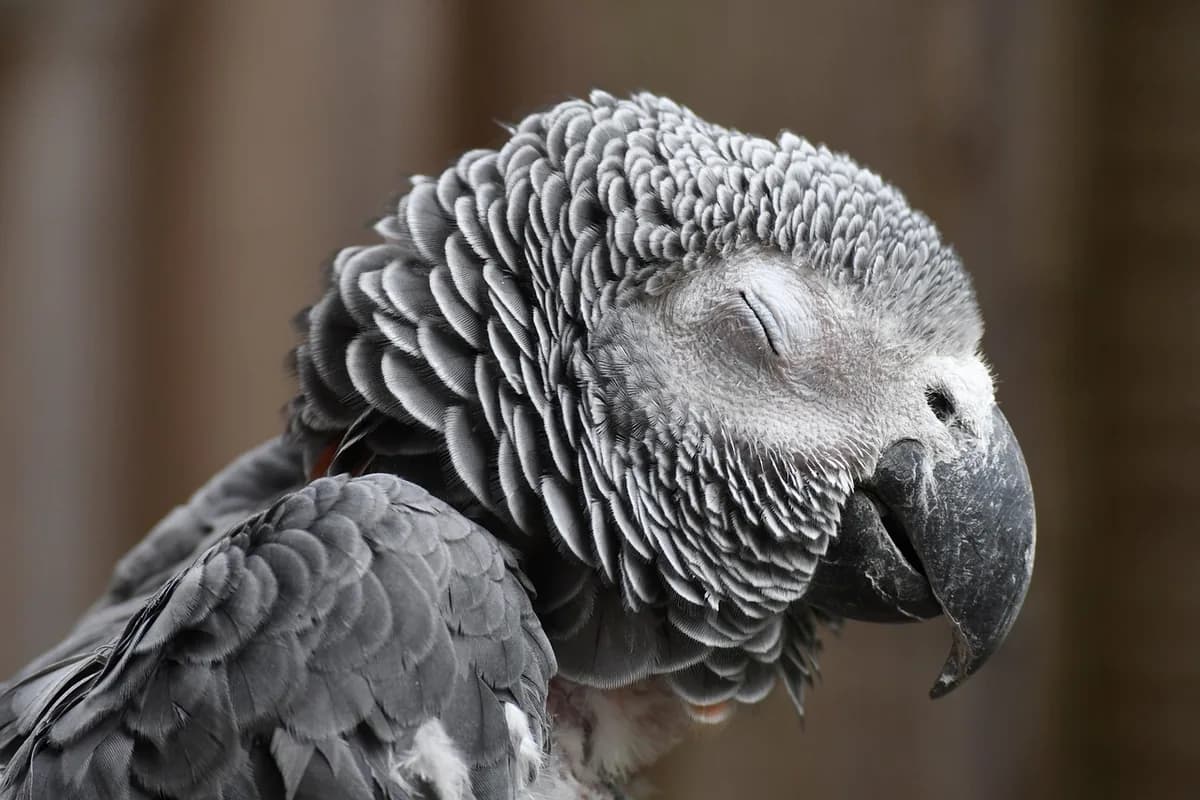
Understanding Congo African Grey Behavior and Body Language
Read your African Grey like an expert — the pinning eyes, subtle feather shifts, and cautious neophobic nature of this sensitive species, plus its famous contextual speech and the hormonal and phobic behaviours owners most often misread.
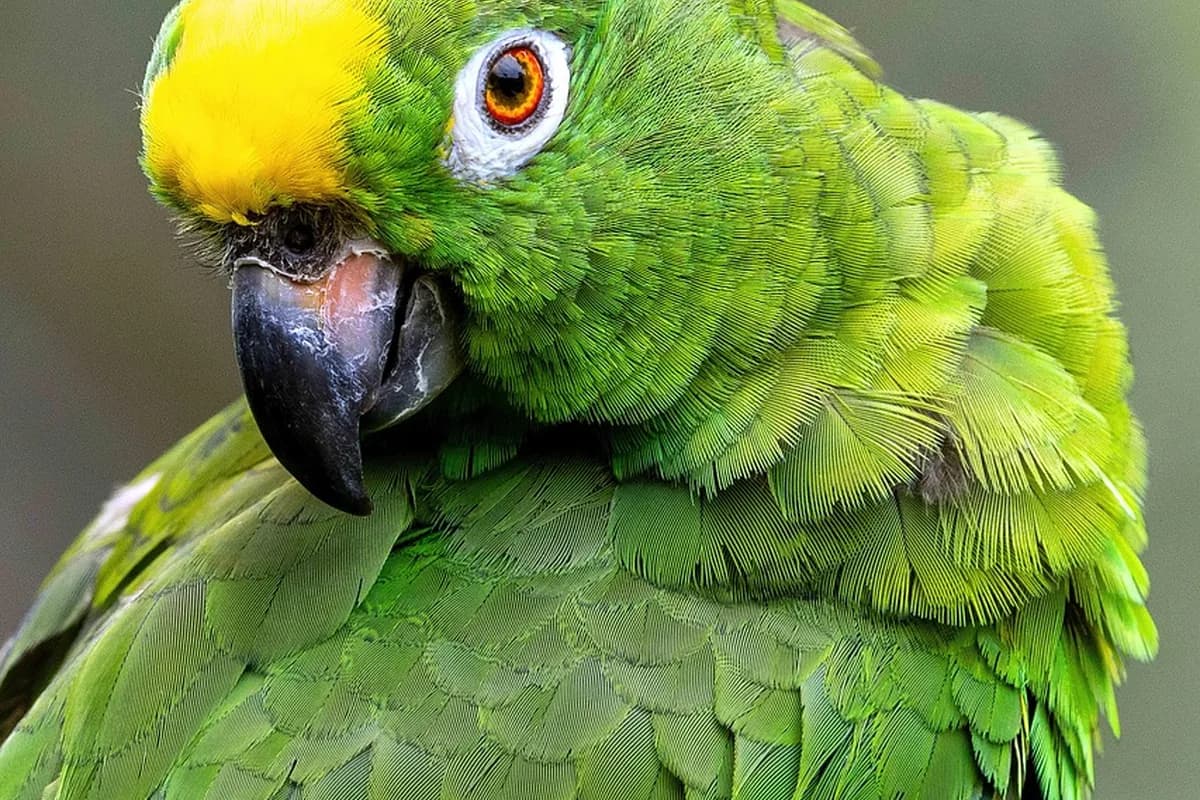
Reading Amazon Parrot Behavior & Body Language: The Overload Warning
Amazon parrots wear their emotions loudly. Learn to read pinned eyes, a fanned tail, and raised nape feathers — the classic 'Amazon overload' — plus their vocal moods and spring hormonal swings, so you can stop before a bite.
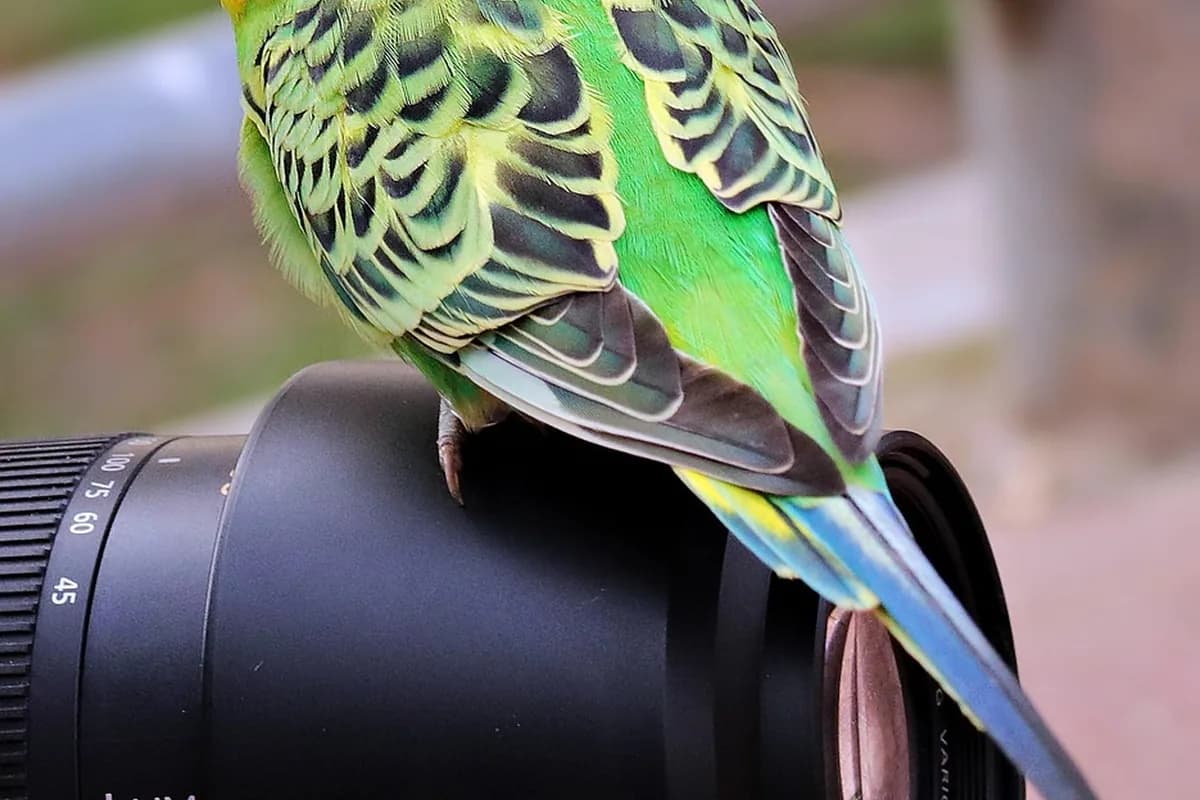
Understanding Budgie Behavior and Body Language
Learn to read a budgie: cere colour and what it says about sex and hormones, head-bobbing, contact calls, contented beak-grinding, and how to tell excited from overstimulated before a nip.