Cockatiel Behaviour and Body Language: Reading the Crest
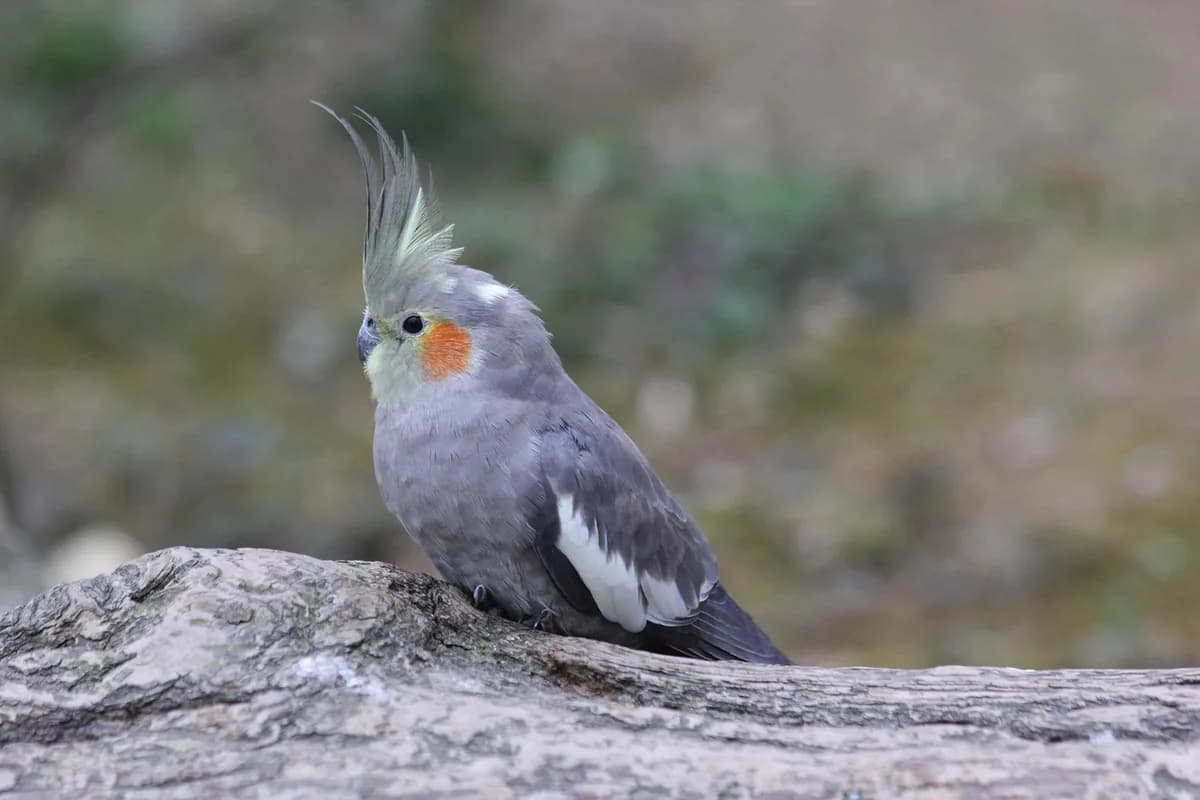
Cockatiels are one of the most readable parrots you can share your home with, because they come with a built-in mood indicator sitting right on top of their head. Once you learn to read the crest — and pair it with the eyes, feathers, and posture — you can tell at a glance whether your bird is curious, content, or about to protest. Learning that vocabulary is how you avoid bites, respect boundaries, and build the deep, cuddly bond this species is famous for.
Temperament: The Gentle Cockatoo
The cockatiel is the smallest member of the cockatoo family, and it inherited the cockatoo's affectionate, people-oriented nature in a calmer, quieter package. Most are gentle, sensitive, and cuddly — they love head scratches, they bond closely (often to one favourite person), and they are more likely to protest with a hiss than to deliver a serious bite. They are also sensitive to stress and change, which is exactly why reading their signals matters.
The Crest Is Your Mood Dial
No other common companion parrot telegraphs its state as clearly. Watch the crest first:
| Crest Position | What It Usually Means |
|---|---|
| Straight up | Alert, curious, interested — taking in something new |
| High and rigid, with a lean-back | Startled or alarmed — the bird has been surprised |
| Gently back / relaxed against the head | Calm, content, at ease |
| Flat and flared, feathers tight | Fear or aggression — back off |
The crest never works alone, though. Read it together with the rest of the body.
Eyes
Cockatiels "pin" or "flash" their eyes — the pupils rapidly shrink and expand. Pinning signals intense interest or arousal, and context decides whether that is excitement over a favourite food or a warning that the bird is over-stimulated and may nip. A soft, round, half-closed eye is a relaxed eye.
Feathers and Body
- Fluffed briefly, then shaken out — a comfortable feather resettle. Fluffed and staying puffed while quiet and sleepy for long stretches is different — that can signal illness (see our health guide).
- One foot tucked up, beak grinding — the picture of a safe, sleepy, content bird. Beak grinding is a soft bedtime sound.
- Sleek, tight feathers with body leaning away — fear or discomfort; give space.
- Wings held slightly out, crouching — often an invitation, especially from a bonded bird asking to be picked up.
The Threat Display
A classic cockatiel warning is unmistakable: the bird hisses while rocking, with its wings held out from the body, beak open, crest flared. This is a defensive "back off" — usually from a nesty hen guarding a corner, or a bird cornered against its will. Respect it. Reaching in anyway teaches your bird that its signals don't work and that it must escalate to biting.
Vocalizations
Cockatiels are musical rather than talkative — noise and talking both rate low for the species, but they are wonderful whistlers. Males especially learn tunes and mimic sounds; a repeated ringtone or two-note "wolf whistle" is common. Learn the everyday calls:
- Contact call — a bright, rising whistle meaning "where are you?" Answer it and your bird settles; ignore it and it gets louder. This is normal flock behaviour, not misbehaviour.
- Song and chatter — soft, rambling babble, whistling, and mimicry means a happy, secure bird, often when alone and content.
- Alarm scream — a sharp, loud shriek when startled by a hawk shadow, a sudden noise, or a cat at the window.
- Hissing — the close-range "don't" that accompanies the wings-out threat display.
Tip: Cockatiels are contact-calling flock birds by nature. Rather than trying to silence morning and evening calls, answer them briefly with a whistle of your own — reassurance is far more effective than trying to out-wait a bird whose whole biology is built around checking on the flock.
Hormonal Behaviour and Seasonality
As days lengthen and food feels abundant, cockatiels can slide into breeding mode — even a lone pet with no mate. Watch for:
- Territorial nesting — a hen or cock guarding a dark corner, the food bowl, or a hidey-hut, hissing and lunging at your hand.
- Regurgitating to a person, toy, or mirror (an affectionate courtship gesture, not illness).
- Tail lifting, wing-quivering, or a female crouching and holding still — mating postures.
You can dial hormones down by limiting sleep to a natural 10–12 hours of darkness (long "days" trigger breeding), removing nest-like huts and dark hideaways, discouraging petting anywhere but the head and neck, and moving favourite territory spots around. This matters medically as well: unchecked hormonal drive in hens leads to chronic egg-laying, which is a genuine health risk covered in our health guide.
Common Behaviour Challenges
- Night frights. Cockatiels are uniquely prone to thrashing panic in total darkness — a car headlight or a house settling can set off a full-cage flail. Provide a dim night light and keep the sleep area quiet and stable.
- Excessive contact calling / screaming for attention. Usually a bird that got attention for being loud. Reward the quiet whistles, respond before calls escalate, and never reward a scream by rushing over.
- Biting. Rare and almost always predictable — it follows ignored crest, eye, and hiss warnings, or hormonal territoriality. Read the signals and it seldom reaches a bite.
- Fear of hands or new things. This sensitive species startles easily; move slowly, keep new objects at a distance first, and let curiosity (crest up) lead.
Read the crest, watch the eyes, listen for the difference between a contact whistle and a hiss, and your cockatiel becomes remarkably easy to understand — a small, gentle cockatoo telling you exactly how it feels, all day long.
Explore related topics
Related Articles
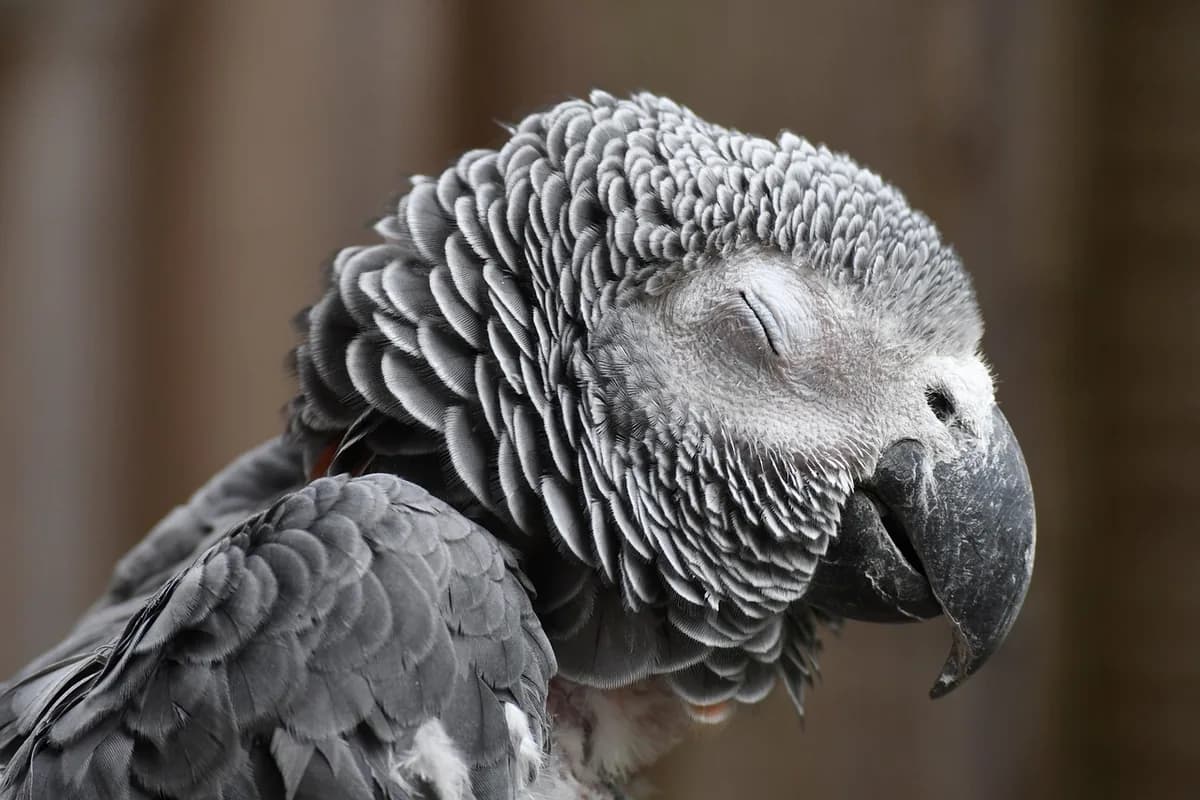
Understanding Congo African Grey Behavior and Body Language
Read your African Grey like an expert — the pinning eyes, subtle feather shifts, and cautious neophobic nature of this sensitive species, plus its famous contextual speech and the hormonal and phobic behaviours owners most often misread.
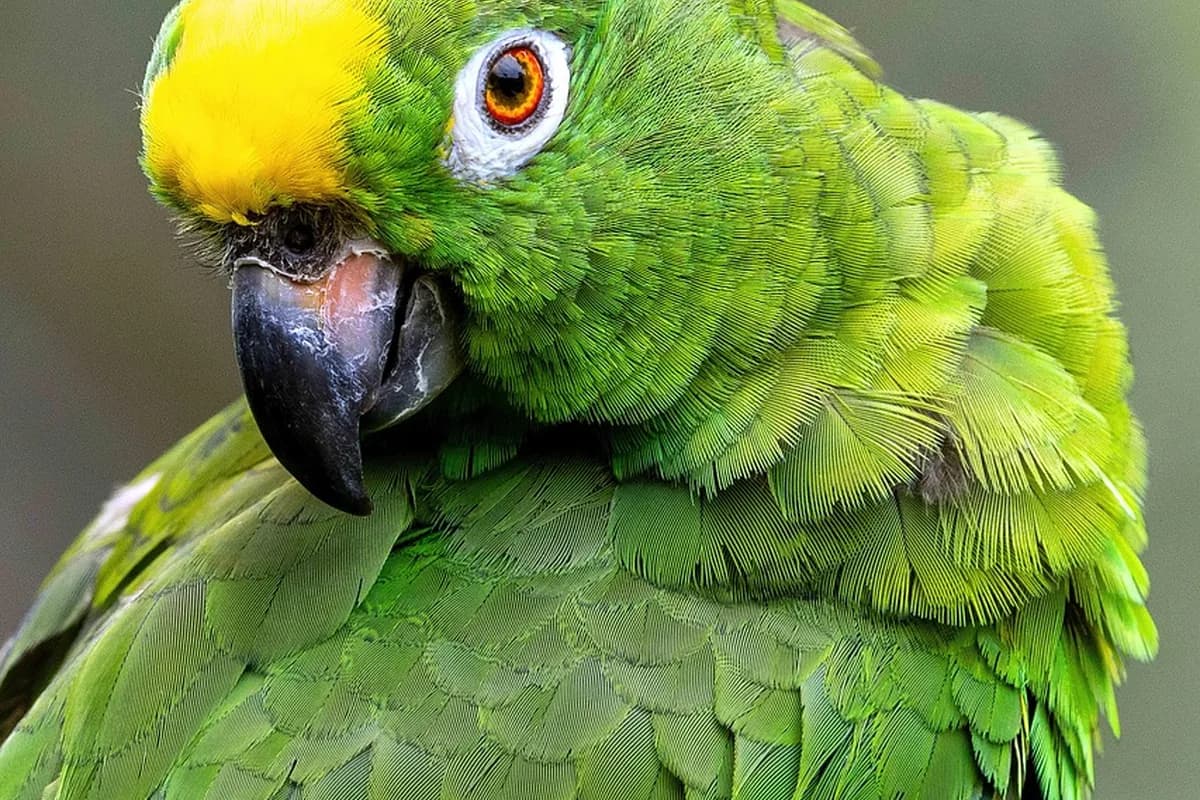
Reading Amazon Parrot Behavior & Body Language: The Overload Warning
Amazon parrots wear their emotions loudly. Learn to read pinned eyes, a fanned tail, and raised nape feathers — the classic 'Amazon overload' — plus their vocal moods and spring hormonal swings, so you can stop before a bite.
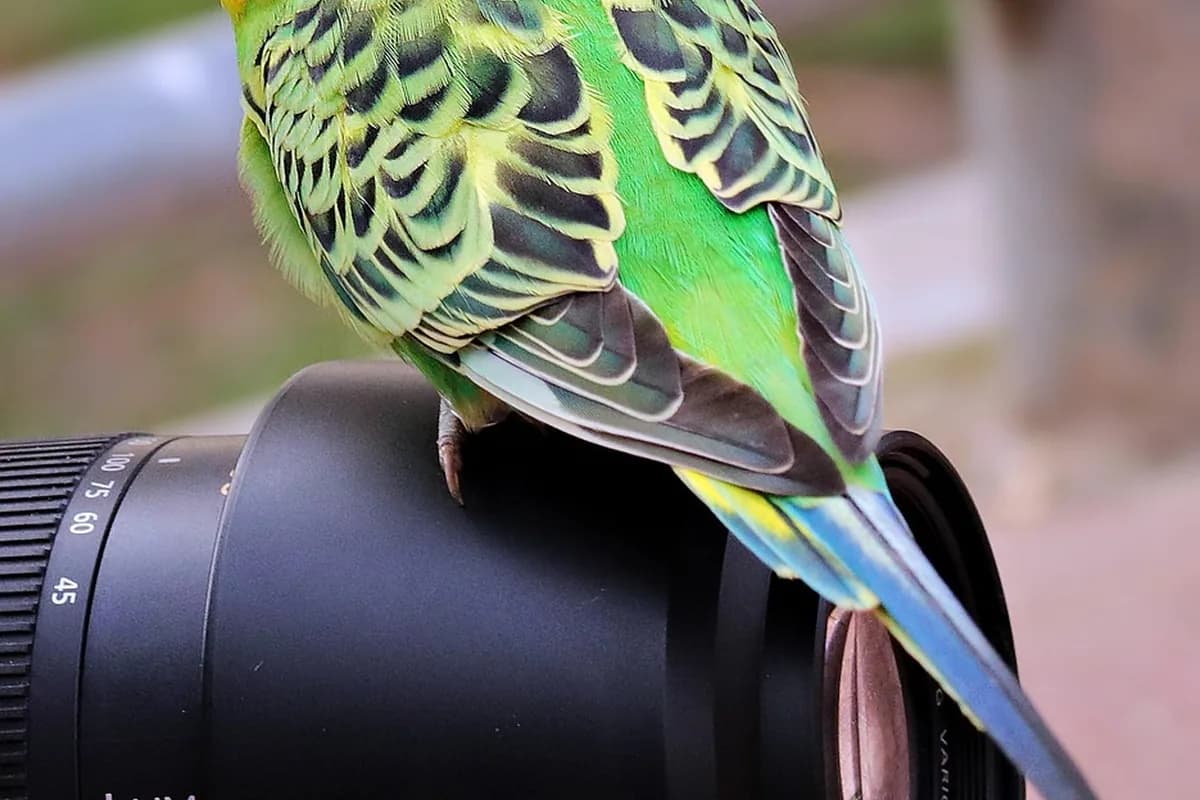
Understanding Budgie Behavior and Body Language
Learn to read a budgie: cere colour and what it says about sex and hormones, head-bobbing, contact calls, contented beak-grinding, and how to tell excited from overstimulated before a nip.