How to Choose the Right Bird Boarding Facility
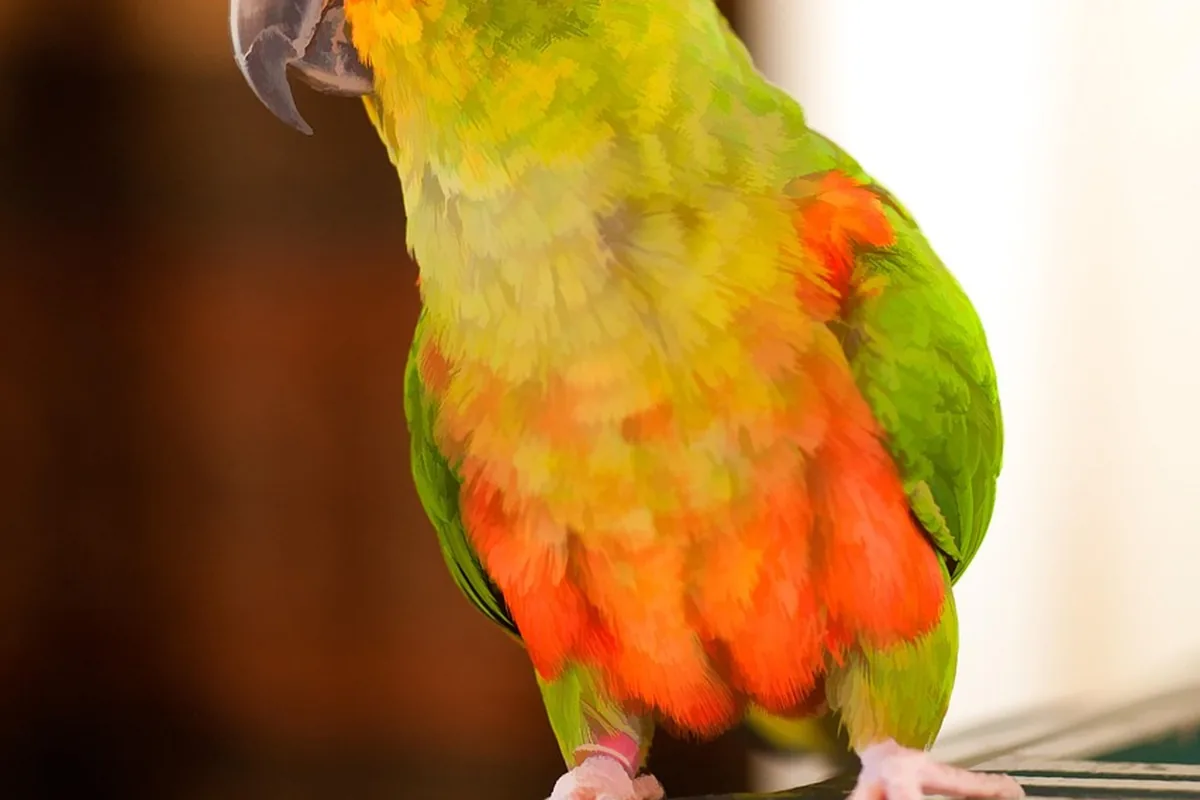
How to Choose the Right Bird Boarding Facility
Leaving your bird with someone else is a genuinely hard thing to do, and if it makes you anxious, that instinct is worth trusting. Parrots and passerines are prey animals with fast metabolisms and delicate respiratory systems, which means a boarding environment that would be perfectly fine for a dog can be dangerous for a bird. The good news is that you don't need to be an avian veterinarian to tell a great facility from a risky one — you just need to know which questions separate the two.
At Bird Sitting Toronto, where we board hundreds of birds every year, the owners who ask the sharpest questions are the ones we respect most. This guide walks you through those questions, starting with the handful of issues that are truly non-negotiable.
The Non-Negotiables
Most boarding criteria are about comfort and quality. A few are about survival. Ask about these first, and if the answers are vague, keep looking.
1. A kitchen and air policy that protects avian lungs
Birds have one of the most efficient respiratory systems in the animal kingdom — air moves through their lungs and a network of air sacs in a continuous one-way flow, which is exactly why they absorb airborne toxins far faster than we do. The old "canary in the coal mine" was not a metaphor.
The most infamous hazard is overheated non-stick cookware. When PTFE-coated (Teflon) pans, some self-cleaning ovens, and certain space heaters are overheated, they release fumes that are odorless to us and rapidly fatal to birds — this is well-documented in the Merck Veterinary Manual and by the Association of Avian Veterinarians. A facility that boards birds anywhere near a working kitchen must know this cold.
Warning: Ask directly: "Is any non-stick cookware, self-cleaning oven, or unvented heater ever used in or near the bird room?" The right answer is an immediate, confident "no." Hesitation is a deal-breaker. The same goes for scented candles, aerosol air fresheners, incense, and cigarette or cannabis smoke — all are respiratory irritants for birds.
2. Genuinely escape-proof, and predators kept apart
A single open door or unscreened window can end in tragedy. A good facility treats the bird room like an airlock: a secured double-entry or a habit of never opening an outer door while a bird is out, screens on any window, and no ceiling fans running during out-of-cage time.
Equally important is species separation. If the facility also boards cats, dogs, or reptiles, birds must be housed in a completely separate room — not merely a separate cage. Even a caged bird within sight and sound of a predator lives in chronic stress, and stress suppresses a bird's immune system.
3. Quarantine and health screening
Boarding mixes birds from many households, and some avian diseases spread through the air or shared surfaces. Psittacosis (avian chlamydiosis), for example, is contagious between birds and can even transmit to people. A responsible facility requires recent vet records or a clean bill of health, keeps new or unfamiliar birds physically separated from the main flock, and disinfects between guests.
Tip: Ask whether birds from different households share airspace or supervised play areas. "Each bird stays in its own space and we don't co-mingle unfamiliar flocks" is the answer you want — friendly-sounding "group playtime" is a disease-transmission risk.
Comfort and Environment
Once the safety basics are solid, look at day-to-day quality of life.
Temperature and air quality. Most companion parrots are comfortable in roughly the same range we are, about 18–29°C (65–85°F), with no cold drafts and no direct blast from heating or A/C vents. Ask whether the room is temperature-controlled year-round — Toronto winters and humid summers both matter. Powder-down species such as cockatoos, African greys, and cockatiels shed fine dust constantly, so HEPA air filtration is a real plus for keeping the whole room's air clean.
Cleanliness and cage space. Cages should be spot-cleaned daily and fully sanitized between guests. Your bird should also have room to fully spread and flap both wings without touching the bars. As a rough floor, a cockatiel-sized bird wants a cage no smaller than about 60 x 60 x 60 cm (24 x 24 x 24 in), and larger parrots need considerably more — bar spacing appropriate to the species so heads and toes can't get caught.
Enrichment and out-of-cage time. Birds are intelligent and social; Dr. Irene Pepperberg's decades of work with the parrot Alex showed cognition on par with a young child. A bird left in a bare cage for a week will board poorly and come home stressed. Ask how many hours of supervised out-of-cage time each bird gets, and what foraging toys, perches of varying diameters, and rotation of enrichment are offered.
Will They Keep My Bird on Its Diet?
Diet is where a lot of well-meaning facilities slip. A stressed bird in a new place is exactly the wrong moment to change its food. A knowledgeable facility will ask what your bird eats and follow your instructions — and their answer tells you how much they actually understand about avian nutrition.
| If you keep a... | A good facility knows to... |
|---|---|
| Parrot (most species) | Feed a pellet base (~75–80% of the diet) with fresh vegetables and greens (~20–25%), seeds and nuts only as ~5% treats — and that hookbills do not need grit, which can cause crop impaction |
| Lorikeet | Provide a proper nectar diet, not pellets, and avoid high-iron foods |
| Eclectus | Lean veg-forward and skip artificial colors and additives, to which they're sensitive |
| Budgie or cockatiel | Keep it mostly on pellets but convert slowly, leaning on veggies and sprouts |
| Finch or canary | Maintain a quality seed mix as a staple, plus greens, egg food, and some pellets — and handle them minimally, as they're hands-off birds |
Tip: Send your bird's own food with clear written instructions. Bring extra, and label it. A good facility welcomes this rather than insisting on its own "house blend."
While you're on the subject, confirm they steer clear of the foods that are outright toxic to birds: avocado (persin), chocolate (theobromine), caffeine, alcohol, onion and garlic, fruit pits and apple seeds (cyanogenic compounds), excess salt, uncooked beans, and mushrooms.
Communication and Reputation
You should never feel in the dark while you're away.
- Daily updates. Photos and short videos, not just "she's fine." Seeing your bird eating, playing, and bright-eyed is worth a great deal of peace of mind.
- Responsiveness. How quickly do they answer a message? Is there a portal, app, or reliable text thread?
- Track record. How long have they operated, how many birds have they cared for, and are the people handling your bird experienced with your species specifically? A cockatoo and a canary need very different handling.
Red Flags to Walk Away From
- Non-stick cookware or unvented heaters anywhere near the birds, or a blank stare when you ask
- Birds sharing a room with cats, dogs, or reptiles
- No vet-record or health requirement of any kind
- Birds caged 24/7 with no enrichment or out-of-cage time
- No temperature control or air management, especially for powder-down species
- Reluctance to show you the actual boarding space or answer safety questions
- No reviews, or a pattern of concerning ones
Questions to Ask on Your Tour
- Can I see the actual room where my bird will stay?
- Is any non-stick cookware, self-cleaning oven, or unvented heater used near the birds?
- What keeps the room escape-proof during out-of-cage time?
- Are birds ever housed near, or mixed with, other households' birds or other species?
- What temperature do you keep the room, and do you use air filtration?
- Will you follow my bird's exact diet and feed the food I send?
- What does a typical day look like — how much out-of-cage time and what enrichment?
- How and how often will you update me?
- What are your emergency and after-hours vet protocols?
- What's your cancellation and modification policy?
Tip: The single best test is simply asking to see the space. A facility proud of its setup will happily show you; one that dodges the request is telling you something important.
Trust your gut. If a place feels clean, calm, well-run, and staffed by people who light up talking about birds, your instincts are probably right. And if something feels off, there is always another option — your bird is counting on you to choose well.
Explore related topics
Related Articles
How to Find a Good Bird Sitter: What to Look for and Red Flags
Leaving your bird with someone is nerve-wracking. Here's how to find a sitter you can actually trust.
Preparing Your Parrot for Boarding: A Complete Checklist
Planning to travel? Proper preparation makes boarding stress-free for your bird. Here's your complete checklist.
Bird Boarding Drop-Off Checklist: What to Bring to BST
Use this complete checklist to prepare for your bird's boarding stay at BST, including food, medication, toys, and vet records.