Canary Behavior and Body Language: Reading a Song Bird

A canary rarely tells you anything with its feet — it isn't a bird that steps up or leans in for a scratch. Instead it communicates almost entirely through song and silhouette. Learn to read those two channels and you'll understand your canary better than most owners ever do: when it's content, when it's stressed, when the seasons have shifted its whole mood, and when something is medically wrong. At Bird Sitting Toronto, watching posture and listening for song are the first things we check on a boarding canary each morning, because in a bird this stoic, body language is the earliest warning system you have.
Temperament: Independent, Musical, Observant
Canaries are cheerful, active, and self-contained. They are not flock-cuddlers the way budgies are, and they are not interactive performers the way parrots are. A well-kept canary spends its day flitting between perches, singing (if it's a male in season), bathing, foraging, and watching the household. That independence is a feature, not a flaw — a canary is content in its own company, which is exactly why it suits busy or first-time owners.
Personality does vary. Some canaries are bold and will sing within a metre of you; others are shy and go quiet when you enter the room until they trust the routine. Neither is "wrong." What you're aiming for is a bird that carries on with its day — singing, eating, bathing — while you're nearby, which tells you it feels safe.
The Song: A Canary's Main Language
Song is the centre of canary behaviour, and it means something specific.
- Full, structured song comes almost entirely from males, who sing to hold a territory and attract a mate. A singing male is a confident, hormonally-primed, healthy bird.
- Females may chirp and give short phrases but generally do not sing the elaborate song.
- Contact chirps and chatter — soft, conversational sounds — are the everyday "all is well" background noise of a comfortable canary.
- A sharp, repeated alarm chirp means something startled the bird: a hawk shadow past the window, a sudden noise, an unfamiliar person.
Tip: Canaries learn and refine their song. A young male sharpens his repertoire by listening — to older canaries, to recordings, even to ambient household sound. A calm room with some gentle activity produces a better singer than a silent, isolated one.
Why the Song Stops — and Why That's Normal
This is the single most common panic we hear from new canary owners: "He stopped singing — is he sick?" Usually he is not. Song naturally stops during the annual moult, when the bird pours its energy into regrowing feathers rather than defending a territory. A moulting canary goes quiet, looks a little scruffy, and rests more. This is healthy and expected, typically in late summer to early autumn, and lasts several weeks. His voice returns as the new feathers finish.
Song can also drop off with shortening day length, stress, illness, or a poor diet. So the rule is: a silent bird that is otherwise eating, active, and bright-eyed — especially if it's moulting — is normal. A silent bird that is also fluffed, still, and off its food is a bird to watch closely (see our health guide).
Reading Canary Body Language
Because a canary won't come to your hand, its body does the talking. Here's how to read the silhouette.
Relaxed and Content
- Smooth, sleek feathers held close to the body — a calm, comfortable bird.
- Active flitting, hopping, and singing — normal, healthy engagement.
- One foot tucked up while resting — a secure, relaxed bird (a canary standing on one leg is content, not injured).
- Beak grinding / soft bill-wiping and preening — settling in, grooming, at ease.
- Enthusiastic bathing — a confident bird; canaries bathe when they feel safe.
Alert or Startled
- Body stretched tall and thin, feathers tight, neck extended — the bird has spotted something it's unsure of and is assessing a threat.
- Frozen stillness with a fixed stare — alarm; it's watching a perceived predator.
- Sudden sharp alarm calls and darting flight — active fright; find and remove the trigger.
Stressed, Cold, or Unwell
- Persistently fluffed, ball-shaped posture during the day — this is the important one. A briefly fluffed bird is just preening or dozing; a bird that stays fluffed and puffed up while awake is either cold or unwell.
- Sitting low with eyes half-closed, little movement, tail bobbing with each breath — a sick bird. This is not behavioural; call an avian vet.
- Feather picking or over-preening — stress, boredom, low humidity, or a skin/mite issue.
Warning: Canaries, like all prey birds, hide illness until they can no longer compensate. A canary that finally looks obviously sick — fluffed, quiet, sitting on the cage floor — has often been unwell for a while. Treat any sudden, sustained change in posture or a healthy bird going silent outside the moult as a reason to look closely, not to wait and see.
Seasonality and Hormonal Behaviour
More than most companion birds, a canary lives by the calendar, and day length is the switch. As spring days lengthen, males come into full song and can become territorially feisty toward other males. Hens may become receptive and, if triggered, start nesting behaviour — arranging material, and sometimes laying eggs even without a mate. As days shorten and the moult arrives, everything winds down: song fades, activity drops, and the bird rebuilds its plumage.
You can work with this rhythm rather than against it. Keeping a stable 10–12 hour night with a cover helps prevent a hen from being pushed into unwanted egg-laying and keeps a male's song and moult on a natural schedule. If a lone hen does lay, don't remove the eggs immediately — pulling them can prompt her to lay more and drain her calcium; let her sit on them (or dummy eggs) until she loses interest.
Common Behaviour Challenges
- A male that won't sing: check for a rival male in view (a mirror or another male can suppress a shy singer), too-short daylight, a recent moult, or a bland diet. Fix the environment before you worry.
- Two males fighting: house them separately. Two males in one small cage will squabble; give each his own space within earshot and they'll sing at each other harmlessly.
- A nervous, flighty bird: move slowly, keep a predictable routine, and don't loom over the cage. Trust in a canary is built by being a calm, reliable presence, not by handling.
- Night frights / thrashing in the dark: cover the cage and use a dim night light; a startled canary can injure itself against the bars in total darkness.
Read the song and read the silhouette, and a canary becomes an open book — a bird whose contentment you can literally hear, and whose distress you can see the moment it begins.
Explore related topics
Related Articles
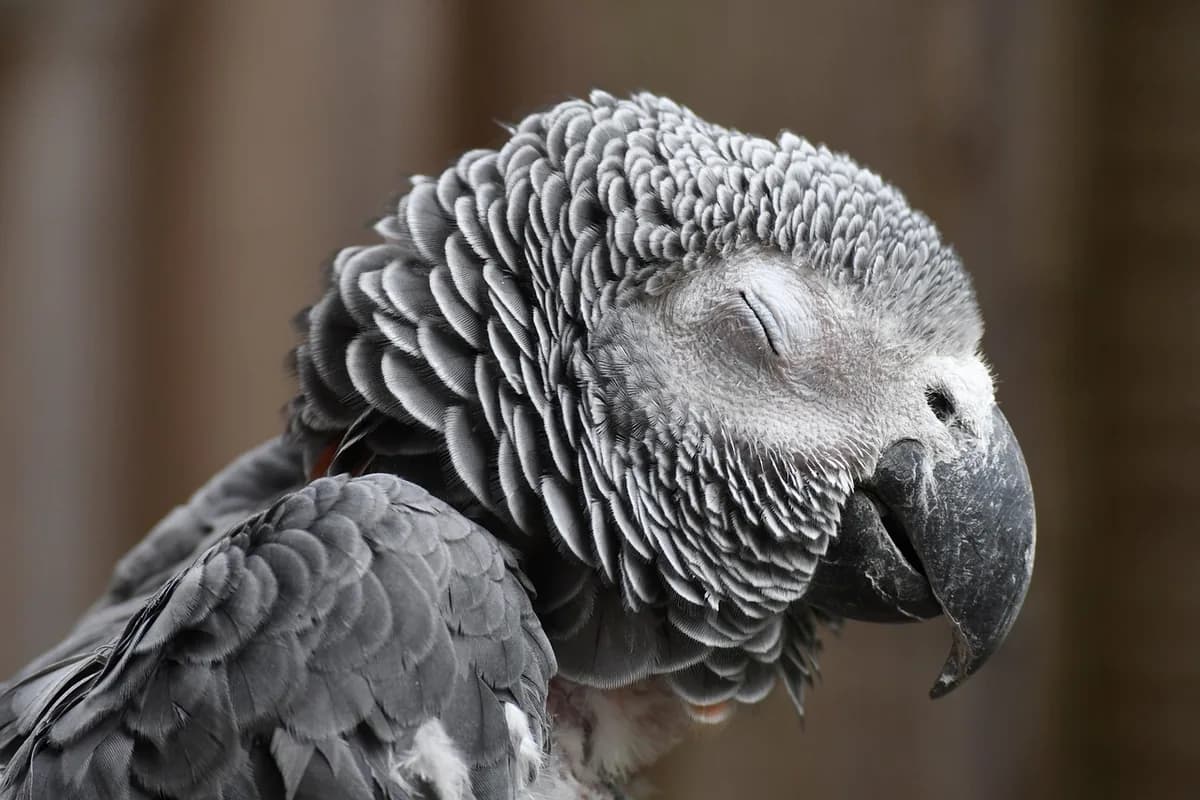
Understanding Congo African Grey Behavior and Body Language
Read your African Grey like an expert — the pinning eyes, subtle feather shifts, and cautious neophobic nature of this sensitive species, plus its famous contextual speech and the hormonal and phobic behaviours owners most often misread.
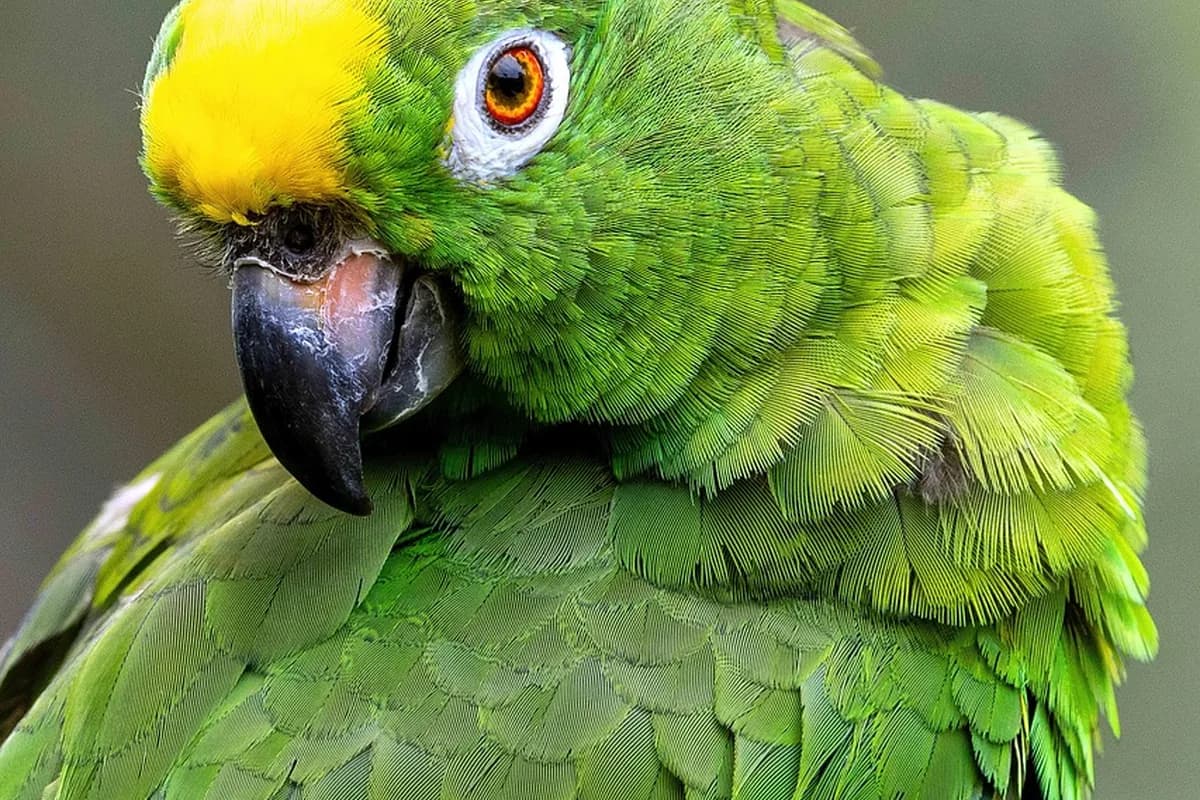
Reading Amazon Parrot Behavior & Body Language: The Overload Warning
Amazon parrots wear their emotions loudly. Learn to read pinned eyes, a fanned tail, and raised nape feathers — the classic 'Amazon overload' — plus their vocal moods and spring hormonal swings, so you can stop before a bite.
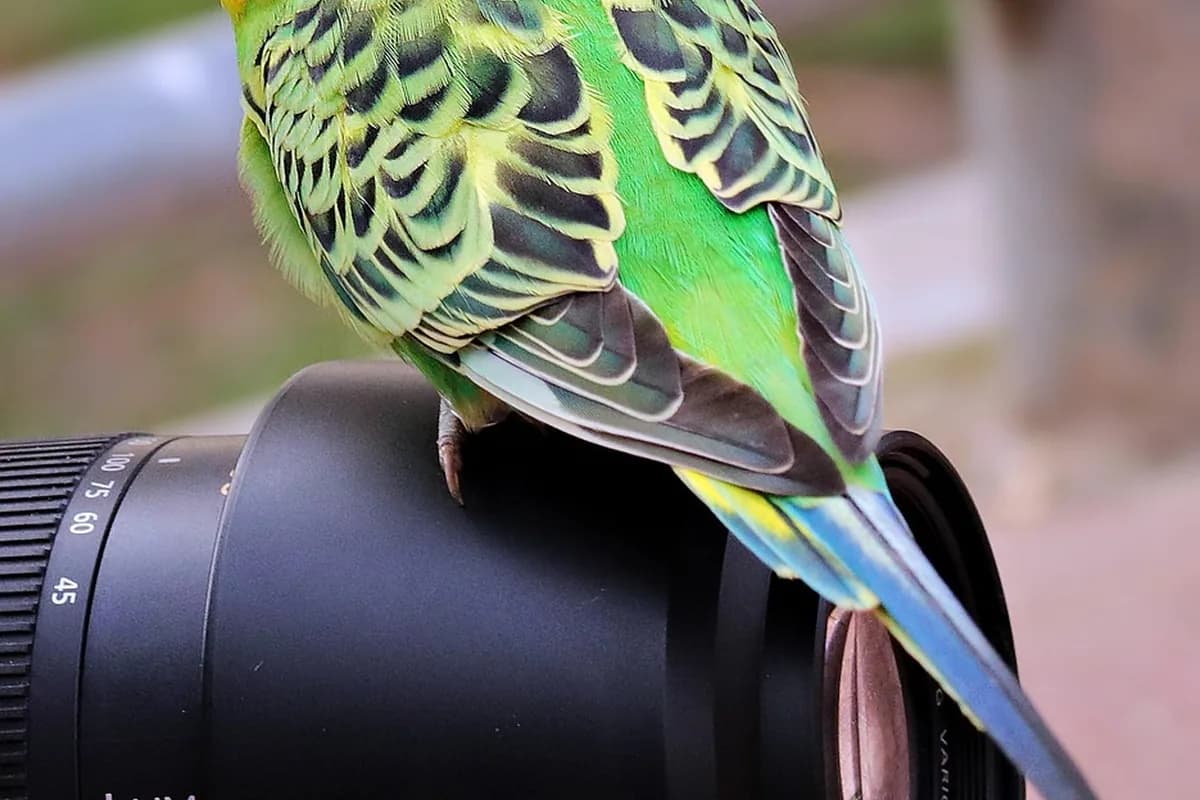
Understanding Budgie Behavior and Body Language
Learn to read a budgie: cere colour and what it says about sex and hormones, head-bobbing, contact calls, contented beak-grinding, and how to tell excited from overstimulated before a nip.