Reading Your Caique: Behavior and Body Language
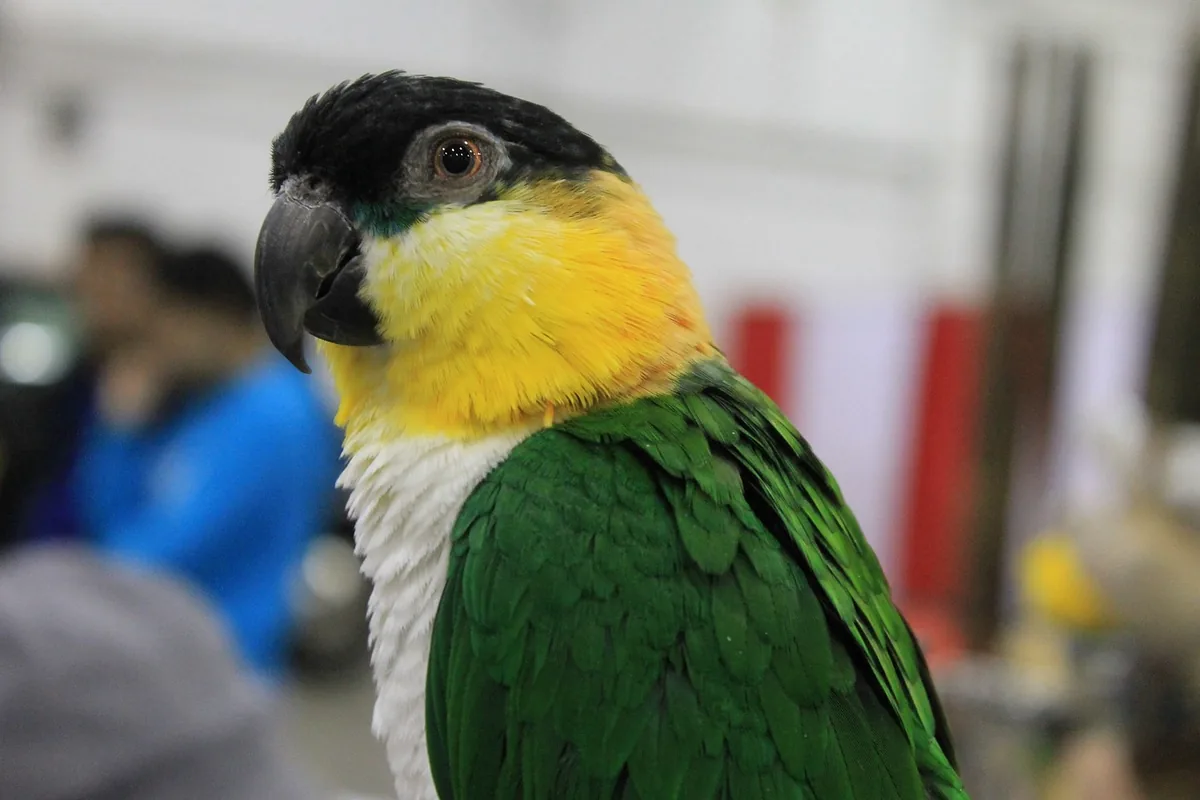
Caiques are the class clowns of the parrot world, and their body language is as physical and expressive as their play. These are birds that hop rather than walk, roll onto their backs, wrestle with their toys, and "surf" along a towel or your arm just for the joy of it. Learning to read a caique means learning to tell exuberant play from genuine warning, because with this beaky, high-drive species the two can look surprisingly similar. This article stays with behavior and communication — training methods and medical issues have their own guides.
The Caique Temperament
Expect a bird that is clownish, acrobatic, and relentlessly energetic. Caiques play hard, investigate everything with their beaks, and often bond intensely with one person. That devotion has a flip side: many caiques become territorial about "their" human or their cage and will happily nip a hand they have decided is intruding. They are not sulkers or brooders like some larger parrots; a caique wears its mood on the outside, which is good news for anyone willing to watch closely.
Because so much of their play is physical wrestling, caiques can also be nippier than their size suggests. A caique that grabs your finger is often playing, not attacking — but an over-aroused caique will bite harder than it means to. Reading the arousal level, not just the action, is the whole game.
Contentment: A Relaxed, Happy Caique
- Beak grinding — a soft, gritty grinding sound, usually at rest or before sleep, signals deep contentment.
- One foot tucked up while resting — a bird that feels safe stands on one leg.
- Fluffed-then-settled feathers with a loose, relaxed body — a quick fluff-and-shake to reset the feathers is a calm-bird sign.
- Preening and self-bathing — routine grooming, and the caique's famous love of soaking in a dish, both signal a settled, comfortable bird.
- Bouncy hopping and toy-wrestling with a loose body — this is play, the caique's default happy state.
Excitement and Overstimulation
Here is where caique-reading gets subtle. A worked-up caique and a happy one share signals, so watch the whole body:
- Pinning eyes (pupils rapidly shrinking and dilating) — intense focus. It can mean thrilled excitement or building agitation; read it alongside posture.
- Head bobbing and hopping in place — high arousal, often "let's play" or "feed me," but a bird this cranked can flip to nipping fast.
- Rousing wing-flaps on the perch — normal exercise and excitement.
- A stiffening, focused body over a loose bouncy one — the tell that play is tipping into over-arousal. This is the moment to slow down and give a beat of calm, not to keep escalating the wrestling.
Tip: With caiques, end play before the peak, not after. A bird that is still having fun is easy to set down; a bird that has crossed into over-arousal is the one that lands a hard bite. Watch for the body going tense and stop there.
Warning Signals: Give Space
- Beak open, body leaned forward and tense — a clear "back off"; a bite is next.
- Lunging or a sharp hiss — the caique feels crowded or territorial, often near its cage or bonded person.
- Feathers slicked flat, leaning or backing away — fear; forcing contact now will teach your bird that hands are frightening.
- Rapid open-beak panting — stress or overheating, not a mood to push through.
Respect these and your caique learns it can trust you to listen. Ignore them and you build a biter.
Vocalizations
Caiques rate about a 3 out of 5 for noise — not the loudest parrots, but far from silent, with a piercing whistle they are proud of. On talking they are near the bottom of the scale (about 1 out of 5); a rare individual learns a word or two, but caiques express themselves through sound effects, whistles, and body antics far more than speech.
| Sound | What it usually means |
|---|---|
| Contact call (repeated whistle or chirp) | "Where are you?" — checking in with the flock; answer it to reassure |
| Alarm scream (sharp, loud) | Something startled the bird — a new object, a sudden noise, a shadow |
| Soft chatter, babble, quiet whistling | Contentment and self-amusement |
| Escalating repetitive calls | Attention-seeking; rewarding it with attention teaches louder demands |
Because attention rewards noise, respond to your caique's calm contact calls and avoid rushing over during a demand-scream, or you will train the volume up.
Hormonal Behavior and Seasonality
As caiques reach maturity and during breeding-triggered periods, hormones can sharpen the temperament: more territoriality around the cage, more biting, occasional regurgitating toward a favored person or toy, and cavity-seeking (burrowing into dark spaces, under paper, or into fabric). Longer daylight, rich fatty foods, and access to nest-like nooks all push these behaviors along.
To keep hormonal surges manageable, aim for 10–12 hours of consistent darkness to mimic shorter days, discourage petting anywhere but the head and neck (stroking the back and under the wings is sexually stimulating), remove cozy hideaways your bird treats as a nest, and keep the diet lean rather than fatty. In Toronto, the long-daylight stretch of late spring and summer is the season to be most disciplined about sleep and touch.
Common Behavior Challenges
- Nipping during play. Usually over-arousal, not aggression. Read the body, quit before the peak, and pair it with bite-pressure work (covered in the training guide).
- Cage territoriality. Many caiques defend the cage fiercely. Ask the bird to step up onto a hand-held perch and interact away from the cage until it relaxes.
- One-person bonding. Caiques often pick a favorite and rebuff everyone else. Have other household members offer treats and gentle, low-pressure sessions so the bird generalizes trust.
- Boredom-driven trouble. A caique with nothing to do invents chaos — and can slide into feather-plucking. Constant foraging and physical enrichment are non-negotiable for this species.
Read the signals, respect the "no," and match the caique's energy with structure, and you get one of the most joyful, expressive companions in aviculture — a bird that tells you exactly how it feels, if you are watching.
Explore related topics
Related Articles
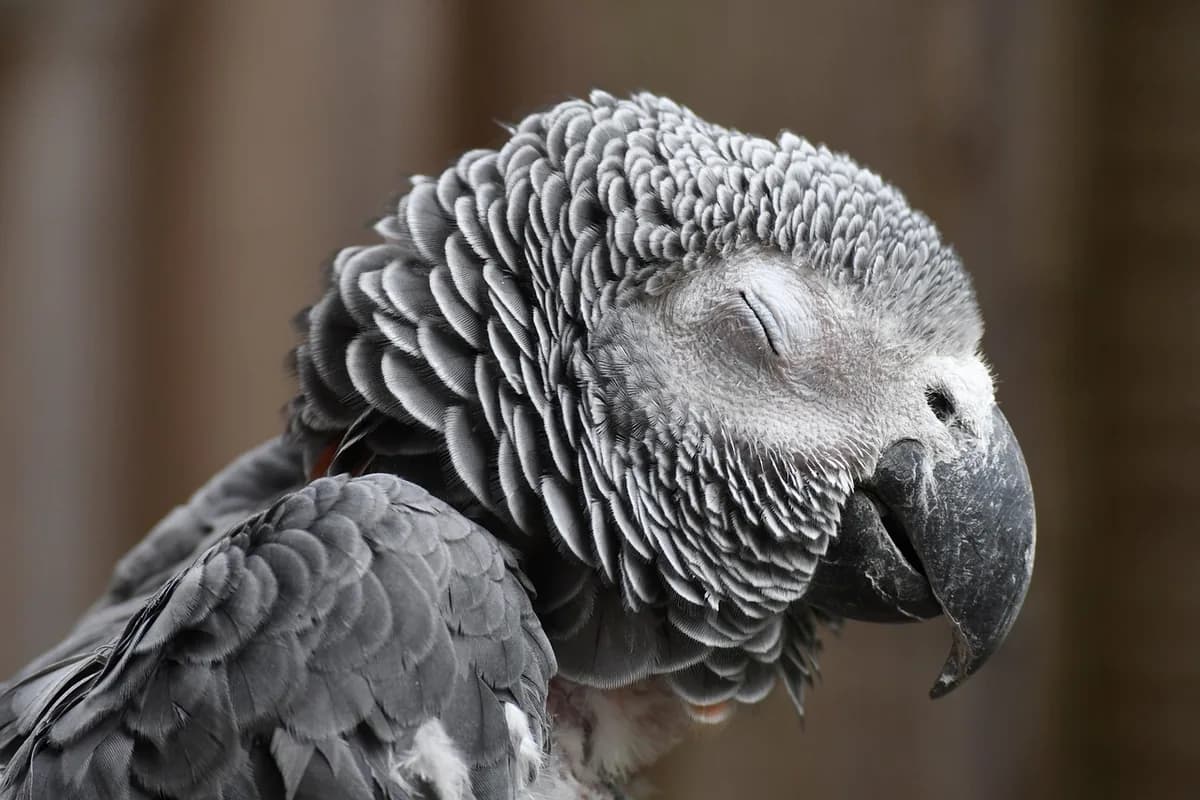
Understanding Congo African Grey Behavior and Body Language
Read your African Grey like an expert — the pinning eyes, subtle feather shifts, and cautious neophobic nature of this sensitive species, plus its famous contextual speech and the hormonal and phobic behaviours owners most often misread.
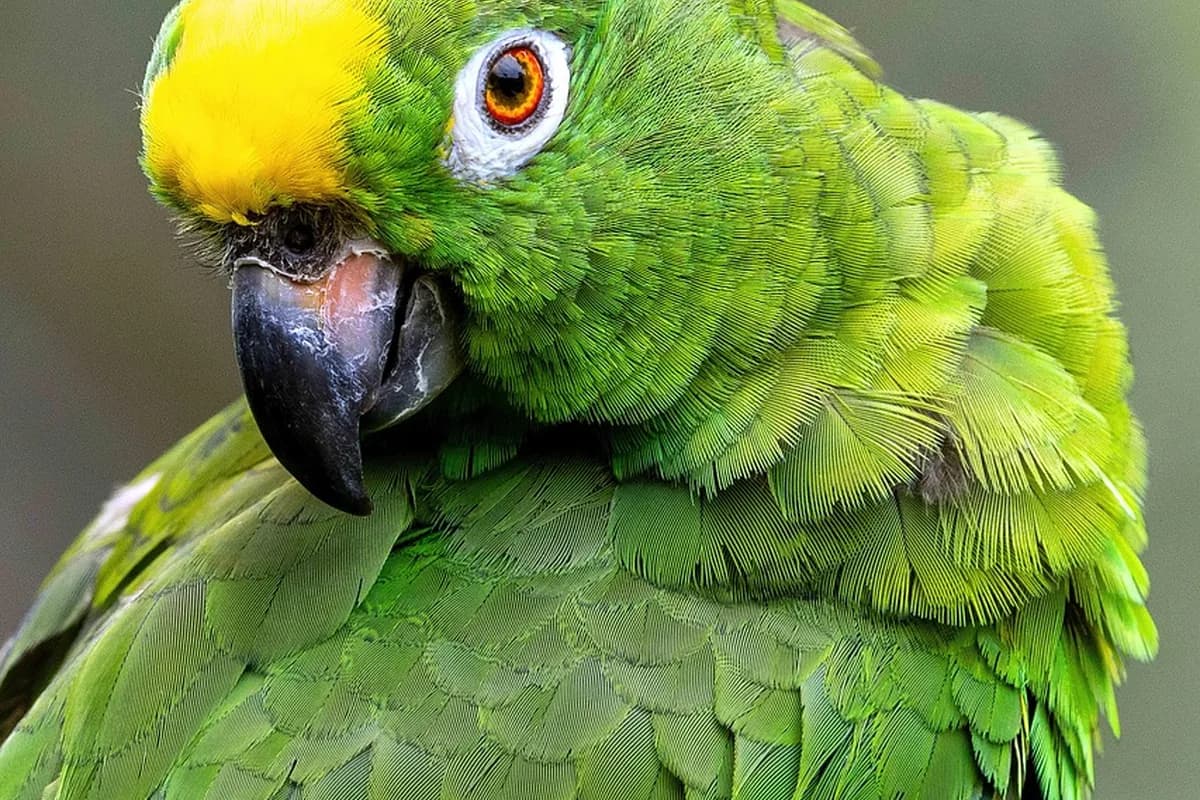
Reading Amazon Parrot Behavior & Body Language: The Overload Warning
Amazon parrots wear their emotions loudly. Learn to read pinned eyes, a fanned tail, and raised nape feathers — the classic 'Amazon overload' — plus their vocal moods and spring hormonal swings, so you can stop before a bite.
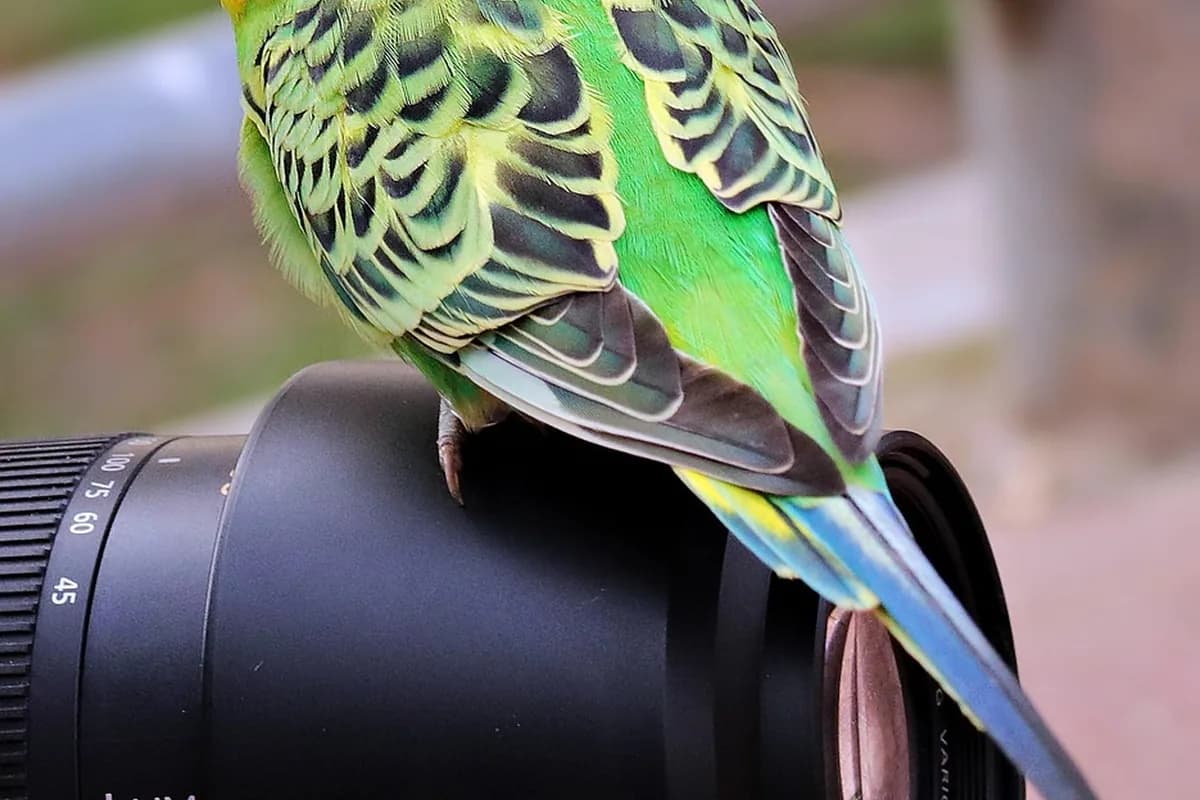
Understanding Budgie Behavior and Body Language
Learn to read a budgie: cere colour and what it says about sex and hormones, head-bobbing, contact calls, contented beak-grinding, and how to tell excited from overstimulated before a nip.