Safe Bird Travel and Transport: Tips for Getting to BST
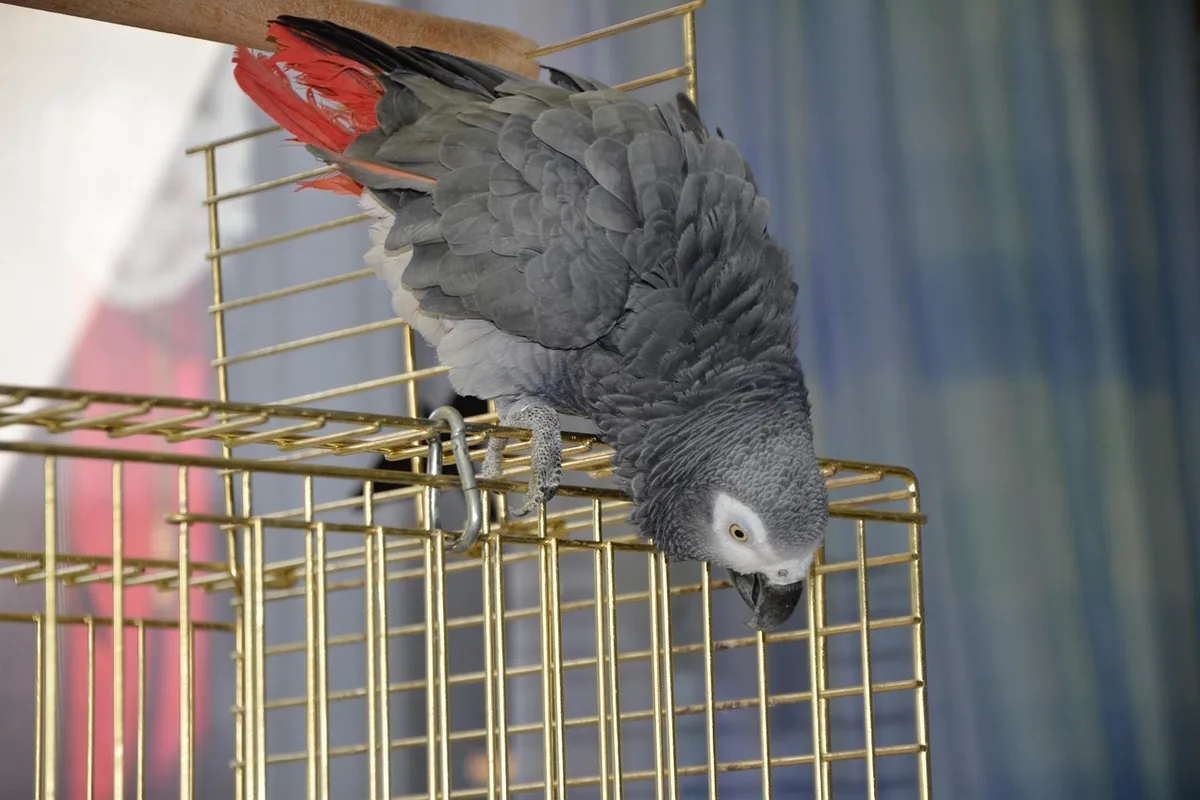
Getting Your Bird There Safely
For most companion birds, the car ride is the single most stressful part of any trip — more than the vet exam, more than a stay away from home. A parrot is a prey animal wired to read sudden movement, unfamiliar sound, and open sky as danger. The good news is that a calm, uneventful journey is almost entirely within your control. At Bird Sitting Toronto, where we welcome hundreds of birds through our door every year, the drop-offs that go smoothly all share the same handful of habits, and none of them are complicated.
Whether you're heading to BST for a boarding stay or making a run to your avian vet, this guide walks through everything from choosing a carrier to pulling into the driveway.
Choosing the Right Carrier
Your bird's carrier is a small, sealed room that has to hold up in a moving vehicle, so treat it as safety equipment rather than an afterthought.
- Use a secure, enclosed carrier — never an open perch, a shoulder ride, or an unlatched cage on the seat. A startled bird bolts, and an open car door is a lost bird.
- Look for solid ventilation on multiple sides, but no gap wide enough for a head or wingtip to push through.
- Fit the carrier to the bird: it should be able to turn around comfortably and stand upright, but not so cavernous that it gets tossed around a large space on a hard turn.
- Give the bird traction underfoot. A low perch or a strip of non-slip matting on the floor beats sliding across bare plastic, which frightens birds and can bruise a keel.
- Skip loose water bowls for short trips — they spill, soak the bird, and chill it. Offer water-rich foods like cucumber or a grape half instead, and save a proper dish for drives over an hour.
Tip: Start carrier training days or weeks before travel, not on the morning of. Leave the open carrier near the cage, drop favourite treats inside, and let your bird choose to explore it. A carrier that already smells like home and reward is a far cry from one that only ever appears before a scary trip. Avian behaviour consensus is clear that this kind of gradual desensitization dramatically lowers travel stress.
Managing Temperature: Toronto's Two Extremes
Birds regulate temperature far less forgivingly than we do, and Toronto hands you both a punishing summer and a brutal winter. Your goal in the car is a stable 18–24 C (65–75 F) — roughly the same comfortable range most parrots keep at home.
Summer
Heat is the more immediate killer. The interior of a parked car in direct sun can climb past 50 C (120 F) within minutes, and a bird has no meaningful way to shed that heat.
- Never leave your bird in a parked car, not even "just for a minute" with the windows cracked. This is the rule with no exceptions.
- Run the air conditioning before you load the bird and keep it going for the whole drive, but don't aim a cold vent directly at the carrier.
- Keep the carrier out of direct sun — a light towel over the sunny side helps.
Learn the early signs of overheating so you can act before it becomes an emergency: open-beak (panting) breathing, wings held out and away from the body, and restlessness. If you see these, cool the cabin and get somewhere with shade and airflow.
Winter
- Pre-warm the vehicle before the bird ever leaves the house.
- Drape a blanket or towel over the carrier as an insulating layer, and carry it close to your body across the driveway.
- Move fast between door and car — the Toronto door-to-car dash in January is where birds get chilled, so plan the shortest path and open the car in advance.
- Watch for a bird that sits fluffed up and hunched with its head tucked; that is a bird trying to conserve heat, and it needs warmth, not more cold-air exposure.
| Season | Aim for | Watch out for | Never do |
|---|---|---|---|
| Summer | AC on, carrier shaded, 18–24 C | Panting, held-out wings, restlessness | Leave the bird in a parked car — ever |
| Winter | Pre-warmed car, insulating cover | Fluffed, hunched, tucked-head posture | Carry the bird outdoors uncovered |
Securing the Carrier in the Vehicle
A carrier resting loose on a seat becomes a projectile in a hard stop. Secure it every time.
- Place the carrier in a footwell behind a front seat, or belt it in place on a seat using the seatbelt threaded through the handle or around the body of the carrier.
- Keep it level and stable so your bird isn't fighting to stay upright.
Warning: Never transport a bird in the trunk, in a truck bed, or on the front passenger seat in front of an active airbag. Trunks and truck beds are unventilated and can reach lethal temperatures, and a deploying airbag can crush a carrier instantly. The footwell behind a front seat is the safest spot in most cars.
Reducing Travel Stress
Once the carrier is prepped and secured, the rest is about keeping the world quiet and predictable.
- Cover part of the carrier to cut down on flashing scenery and passing traffic, while leaving one side open for airflow and light.
- Drive smoothly — anticipate stops, take turns gently, and skip the potholes you can.
- Keep music low or off, and talk to your bird now and then in the same calm voice you use at home.
- Keep the trip as direct as possible; the shortest route is the least stressful one.
Arriving at BST
A little logistics knowledge makes drop-off effortless.
- Park on the BST driveway — we keep it empty for client arrivals, so you have a spot waiting.
- Look for the house with the fire hydrant out front — it's the easiest landmark on the street.
- Samantha, Amir, or Amelia will come out to greet you and take it from there.
- If you've rented a BST cage for the stay, you don't need to bring anything but your bird in its carrier — the setup is already waiting inside.
Can't Make the Drive? The BST Avian Shuttle
If a car trip isn't practical — no vehicle, a long distance, or a bird that simply travels better with a pro — BST offers a professional Avian Shuttle:
- Temperature-controlled transport handled by experienced bird handlers
- Door-to-door service across the Greater Toronto Area
- Distance-based pricing with an instant quote on the portal
- Available for boarding drop-offs, pick-ups, and vet trips
When to Call Your Avian Vet
Most trips are uneventful, but trust your read of your own bird. If your bird shows laboured or persistent open-beak breathing, refuses to perch or hold itself upright, or seems dazed after arrival, contact your avian veterinarian rather than waiting it out. Birds mask illness by instinct, so any symptom that lingers past the excitement of the trip deserves a professional look. A calm, well-planned drive is the best gift you can give your bird before a stay with us — and we'll take good care of the rest.
Explore related topics
Related Articles
How to Find a Good Bird Sitter: What to Look for and Red Flags
Leaving your bird with someone is nerve-wracking. Here's how to find a sitter you can actually trust.
Preparing Your Parrot for Boarding: A Complete Checklist
Planning to travel? Proper preparation makes boarding stress-free for your bird. Here's your complete checklist.
Bird Boarding Drop-Off Checklist: What to Bring to BST
Use this complete checklist to prepare for your bird's boarding stay at BST, including food, medication, toys, and vet records.