Why Your Parrot Prefers One Person (And How to Change It)
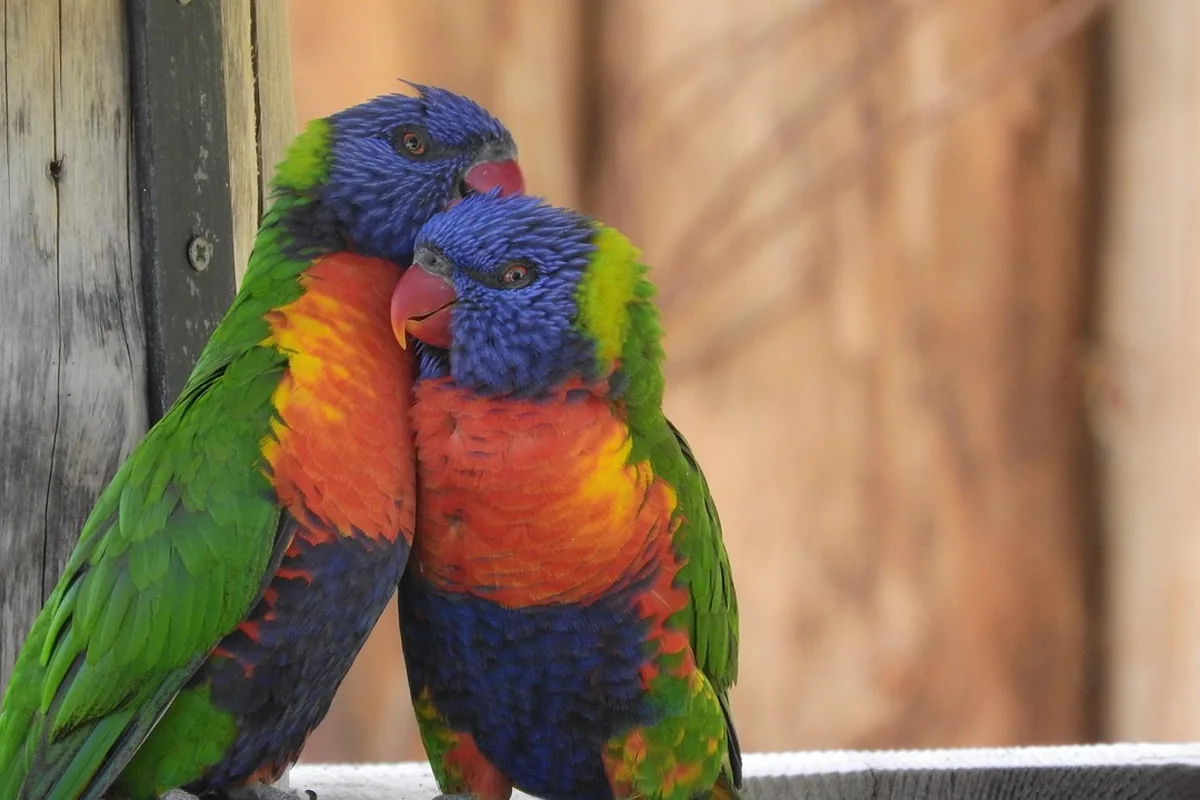
Understanding Your Parrot's Favorite Person Problem
You've probably noticed it: your parrot lights up when their favorite person walks into the room, but hisses or lunges at everyone else. Maybe they scream inconsolably when their chosen human leaves, or refuse to step up for other family members. This single-person bonding behavior is incredibly common in pet parrots, and while it might feel flattering at first, it can quickly become problematic for both your bird and your household.
At Bird Sitting Toronto, we see this challenge frequently with our boarding clients. Many families struggle with parrots who've bonded so intensely with one person that they become aggressive toward others or develop severe separation anxiety. The good news? This behavior can be modified with patience, consistency, and the right approach.
Understanding why your parrot has chosen a favorite person is the first step toward creating a more balanced, happier bird who can enjoy positive relationships with your entire family.
Why Parrots Choose Favorites
The Pair-Bonding Instinct
In the wild, most parrot species form monogamous pair bonds that last for life. This deep biological drive doesn't disappear in captivity—instead, it often gets redirected toward a human family member. Your parrot isn't trying to be difficult; they're following millions of years of evolutionary programming that tells them to form an intense, exclusive bond with one individual.
This pair-bonding instinct serves important survival functions in nature. Bonded pairs work together to find food, defend territory, and raise offspring. They communicate constantly, share resources, and provide mutual protection. When your parrot treats you as their "mate," they're offering you the highest form of devotion they know.
Imprinting on the Primary Caretaker
Often, the person who spends the most time with your parrot—feeding them, cleaning their cage, and providing daily interaction—becomes the chosen one. This makes perfect sense from your bird's perspective. In their mind, this person is their primary source of security, food, and social interaction.
If you hand-fed your parrot as a baby, or if one family member has taken on most of the bird care responsibilities, you've likely witnessed this imprinting process firsthand. Your parrot learns to associate that person with safety and comfort, making them reluctant to trust others.
Hormonal Influences
Seasonal hormonal changes can intensify single-person bonding, especially during breeding season. Your parrot may become more possessive of their favorite person, more aggressive toward others, and more vocal about their preferences. These hormonal surges can turn a mild preference into an intense, problematic obsession.
Why Single-Person Bonding Becomes Problematic
Aggression Toward Other Family Members
When your parrot views one person as their mate, they often see other family members as threats or rivals. This can lead to biting, lunging, or aggressive displays whenever others approach their chosen person or their cage. Children are particularly vulnerable, as parrots may view them as competitors for attention.
We've worked with families where the parrot's aggression has become so severe that other family members avoid the bird entirely, creating an even more isolated dynamic that reinforces the problem.
Separation Anxiety and Screaming
Parrots who are overly bonded to one person often develop intense separation anxiety. They may scream continuously when their favorite person leaves for work, refuses to eat, or engage in destructive behaviors. This stress isn't healthy for your bird and can be overwhelming for neighbors and family members who remain home.
Limited Socialization and Care Options
Single-person bonding severely limits your options for bird care. If your parrot only trusts one person, what happens when that person travels, gets sick, or has a family emergency? Your bird may refuse to eat for other caretakers, become increasingly stressed, or even injure themselves trying to escape their enclosure.
The Whole-Family Approach
Everyone Becomes a Treat Dispenser
The most effective way to broaden your parrot's social circle is to make every family member a source of good things. Start by having each person offer high-value treats—special nuts, fruits, or whatever your parrot finds irresistible. Initially, they might need to toss treats into the cage rather than hand-feeding, but consistency is key.
Create a rotation schedule where different family members provide treats at regular times throughout the day. This helps your parrot associate positive experiences with multiple people rather than just their favorite.
Short, Positive Training Sessions with Everyone
Training isn't just about teaching tricks—it's about building trust and communication. Have each family member spend 5-10 minutes daily working on simple commands like "step up" or "target." Keep sessions short and always end on a positive note.
Start with the least threatening family members and gradually work toward those your parrot finds most challenging. Use high-value rewards and never force interactions.
Strategic Absence of the Favorite Person
This might sound counterintuitive, but sometimes the favorite person needs to step back temporarily to allow others to build relationships with your parrot. When the preferred person is present, your parrot often ignores everyone else. By having them leave the room during interaction times, you create opportunities for others to engage.
Start with very brief absences—just 5-10 minutes while another family member offers treats or gentle conversation. Gradually increase the duration as your parrot becomes more comfortable.
Step-Up Practice with Multiple People
Teaching your parrot to step up for everyone is crucial for practical care and emergency situations. Start by having the favorite person demonstrate the step-up command, then immediately transfer the bird to another family member for just a few seconds before returning them.
Practice this transfer technique daily, gradually increasing the time your parrot spends with non-preferred people. Always reward calm, cooperative behavior with treats and praise.
Managing Aggressive Moments
Never Punish Aggressive Behavior
When your parrot bites or lunges at a non-preferred family member, resist the urge to scold or punish them. Punishment often increases fear and aggression, making the problem worse. Instead, calmly remove your parrot from the situation and try again later.
Important: Punishment can permanently damage your parrot's trust and make rehabilitation much more difficult. Always focus on positive reinforcement and gradual exposure.
Redirect Rather Than Confront
If your parrot becomes aggressive during interactions with non-preferred people, redirect their attention to something positive. Offer a favorite toy, start a training session, or simply give them space to calm down. The goal is to prevent negative associations from forming or strengthening.
Transform Non-Preferred People into Treat Dispensers
Consistently having non-preferred family members provide special rewards helps change your parrot's emotional response to these individuals. Over time, your bird will begin to anticipate good things when these people approach, rather than feeling threatened or territorial.
Setting Realistic Expectations
Timeline for Improvement
Most families see noticeable improvement within 4-8 weeks of consistent effort, but complete transformation can take several months. The strength of your parrot's original bond, their age, and how long the single-person bonding has been established all affect the timeline.
Young parrots typically adapt more quickly than older birds who have had years to reinforce their preferences. Be patient and celebrate small victories—a parrot who stops lunging at a family member is making real progress, even if they're not ready to step up yet.
Gradual Progress is Normal
Don't expect your parrot to suddenly love everyone equally. Progress often comes in small steps: first tolerance, then cautious acceptance, and eventually genuine affection. Some parrots may always have a slight preference for their original favorite person, and that's perfectly normal as long as they can interact positively with others.
Consistency is Everything
The key to success is having every family member follow the same approach consistently. Mixed messages or inconsistent interactions will slow progress and may even reverse gains you've made. Make sure everyone understands the plan and commits to following it daily.
Final Thoughts
Helping your parrot develop positive relationships with multiple family members isn't just about convenience—it's about creating a more confident, well-socialized bird who can adapt to different situations and people. This flexibility reduces stress for your parrot and provides them with a richer, more varied social experience.
Remember that your parrot's single-person bonding isn't a character flaw or a sign that they don't like your family. It's a natural behavior that can be gently modified with patience, consistency, and understanding. The process requires commitment from everyone involved, but the reward—a parrot who can enjoy positive relationships with your entire household—is worth the effort.
At Bird Sitting Toronto, we've seen countless families successfully broaden their parrot's social circle using these techniques. With time and dedication, your parrot can learn to trust and enjoy interactions with multiple people while still maintaining their special bond with their favorite human.
Explore related topics
Related Articles
Ethical Bird Ownership: Breeder, Rescue, or Pet Store?
Where you get your bird matters — for the bird, for the species, and for the industry. Here's an honest look.
How Parrots Bond with Humans: The Science of the Human-Bird Relationship
The bond between a parrot and their human is real, deep, and scientifically documented. Here's how it works.
Joining the Bird Community: Clubs, Forums, and Resources for Parrot Owners
You don't have to figure out bird ownership alone. Here's where to find your bird-loving community.