How Parrots Bond with Humans: The Science of the Human-Bird Relationship
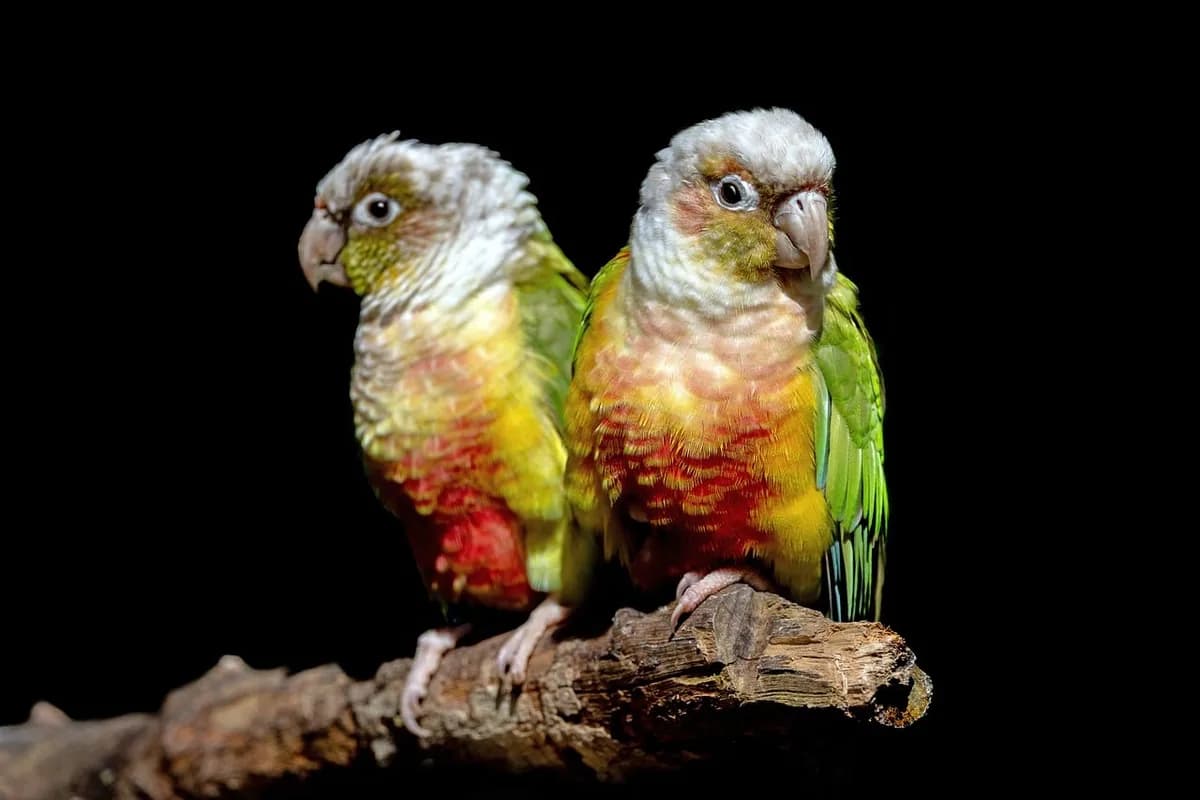
The Deep Connection: Understanding How Parrots Form Lifelong Bonds with Humans
When a parrot chooses you as their special person, it's one of the most profound interspecies connections you can experience. But this isn't just a casual friendship — it's a complex, scientifically fascinating bond that mirrors the deep pair bonds these birds form in the wild. Understanding how this connection develops, and the responsibility that comes with it, is crucial for anyone sharing their life with a parrot.
In our experience boarding over 1,000 birds at BST, we've witnessed the incredible depth of these relationships. We've seen birds who pine for their humans, others who light up when they hear their person's voice on FaceTime, and some who form such intense bonds that separation becomes genuinely distressing for both parties. The science behind these connections is as remarkable as the bonds themselves.
How the Bond Develops: The Building Blocks of Trust
Parrot bonding doesn't happen overnight — it's built through consistent, positive interactions that create trust and emotional connection. Here's how this process typically unfolds:
Proximity and Presence
The foundation of any parrot bond is simply being present. Birds are naturally social creatures who form attachments through shared time and space. When you consistently appear in your bird's environment, providing care and positive interactions, you become a source of security and comfort.
This is why rescue birds often take longer to bond — they're learning to trust again. The good news is that with patience, even the most fearful birds can form deep connections.
The Power of Feeding
Food sharing is deeply significant in parrot social structure. In the wild, mates feed each other as part of courtship and bonding rituals. When you offer treats, hand-feed meals, or even share appropriate foods from your plate, you're engaging in this fundamental bonding behavior.
We often tell new parrot parents that some of the strongest bonds form during meal times. Your bird learns to associate you with good things — safety, nourishment, and pleasure.
Creating Positive Associations
Every interaction shapes your relationship. Birds remember who makes them feel safe, who brings excitement and enrichment, and who responds to their needs. Consistent training sessions, gentle handling, and respecting their boundaries all contribute to positive associations.
Pro Tip: Pay attention to your bird's body language during interactions. A relaxed bird with slightly fluffed feathers and soft vocalizations is telling you they're enjoying the bonding process.
The Pair Bond Instinct: When Wild Meets Domestic
Here's the thing — parrots are hardwired for intense pair bonding. In the wild, many species form monogamous relationships that last their entire lives. These bonds involve constant communication, mutual preening, food sharing, and synchronized activities.
When parrots live with humans, this powerful instinct doesn't disappear. Instead, it gets redirected toward us. Your bird may see you as their mate, their flock leader, or their most trusted companion. This redirection of natural behavior is both beautiful and complex.
How Birds Choose Their Favorite Person
The selection process is fascinating and not always predictable. Birds don't necessarily choose the person who feeds them most or spends the most time with them. Instead, they often bond with someone based on:
- Energy matching: Some birds prefer calm, gentle people, while others gravitate toward more energetic personalities
- Voice and communication style: Your tone, the way you speak to them, and your responsiveness to their vocalizations
- Consistency and reliability: Being predictable in your interactions and routines
- Respect for boundaries: Birds often choose people who read their body language well and don't force interactions
We see this constantly at BST — sometimes a bird will immediately connect with one team member over others, despite everyone providing excellent care.
The Science: Oxytocin and the Neurochemistry of Love
Recent research has revealed that birds, like mammals, produce oxytocin — often called the "love hormone" or "bonding hormone." This neurochemical is released during positive social interactions and strengthens emotional connections.
Studies have shown that when parrots engage in mutual preening, gentle touching, or even synchronized activities with their humans, both species experience oxytocin release. This means the bond you feel with your bird is neurochemically real and reciprocated.
The implications are profound: your parrot isn't just tolerating your presence or responding to food rewards. They're experiencing genuine attachment and emotional connection.
The Weight of the Bond: Understanding Your Responsibility
When a parrot bonds with you, you're making a commitment that could span 40 to 80 years. This isn't like other pet relationships — you're becoming the most important being in another creature's life, potentially for decades.
What This Means Day-to-Day
- Consistency is crucial: Your bonded bird relies on predictable routines and your presence
- Separation anxiety is real: Strongly bonded birds can become distressed when you're away
- You become their world: Your mood, energy, and availability directly impact their well-being
- Long-term planning is essential: Vacations, life changes, and aging all affect your bird
Important: This level of commitment is why we always encourage potential parrot parents to carefully consider their lifestyle and long-term plans before bringing a bird home.
Healthy vs. Unhealthy Bonding: Finding the Balance
Not all bonds are created equal. While deep connection is beautiful, over-bonding can create problems for both you and your bird.
Signs of Healthy Bonding
- Your bird enjoys time with you but can also entertain themselves
- They're comfortable with other family members, even if they prefer you
- Separation causes some calling but not destructive panic
- They engage in natural behaviors like foraging and playing independently
- Training and handling remain positive experiences
Warning Signs of Over-Bonding
- Extreme aggression toward other people, including family members
- Destructive behavior or self-harm when you leave
- Refusal to interact with anyone else
- Constant screaming for your attention
- Regression in independence and natural behaviors
Preventing Co-Dependency
The key is maintaining your bird's confidence and independence while nurturing your special connection:
- Encourage interaction with other family members
- Provide plenty of enrichment for solo play
- Maintain consistent routines even when you're home
- Don't rescue your bird from every minor frustration — let them problem-solve
- Ensure they have a secure, comfortable space that's theirs alone
Maintaining the Bond Through the Decades
A lifelong bond requires intentional nurturing and adaptation as both you and your bird age and change.
Strategies for Long-Term Success
Keep Learning Together: Continue training, introduce new experiences, and stay curious about your bird's changing needs and preferences.
Adapt to Life Changes: Job changes, moves, new family members — all require thoughtful transition planning to maintain your bird's sense of security.
Health Monitoring: Bonded birds often hide illness to avoid worrying their humans. Regular vet visits become even more crucial.
Plan for the Future: Consider what happens if you become unable to care for your bird. Having a plan reduces stress for everyone.
Maintain Your Own Well-being: A healthy, happy human makes for a better companion. Don't sacrifice your own needs entirely.
Pro Tip: We recommend annual "relationship check-ins" — honestly assess whether your bond is healthy and serving both of you well.
Final Thoughts: The Gift of Trust
The bond between human and parrot is extraordinary — a meeting of two very different species that somehow creates profound understanding and love. When a bird chooses to trust you with their heart, they're offering something rare and precious.
This relationship will challenge you, change you, and likely become one of the most meaningful connections of your life. The key is approaching it with respect, knowledge, and commitment to your bird's well-being alongside your own.
Remember, you're not just a pet owner — you're a chosen companion, a trusted flock member, and often the center of another being's emotional universe. It's a responsibility that's as beautiful as it is serious, and when done right, it creates a bond that enriches both your lives immeasurably.
Explore related topics
Related Articles
Ethical Bird Ownership: Breeder, Rescue, or Pet Store?
Where you get your bird matters — for the bird, for the species, and for the industry. Here's an honest look.
Joining the Bird Community: Clubs, Forums, and Resources for Parrot Owners
You don't have to figure out bird ownership alone. Here's where to find your bird-loving community.
Multi-Bird Household: How to Keep the Peace with Multiple Parrots
Adding a second bird doesn't always mean instant friendship. Here's how to manage a multi-bird household successfully.