Ethical Bird Ownership: Breeder, Rescue, or Pet Store?
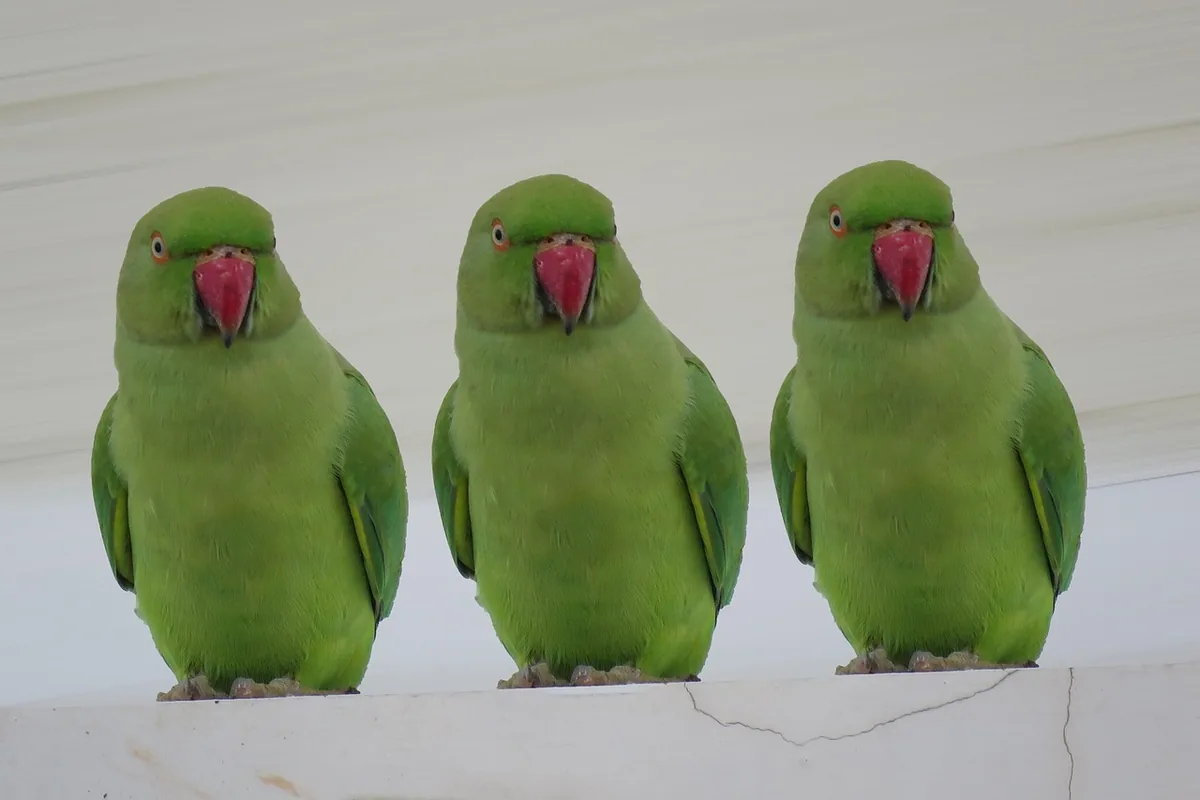
The Heart of the Matter: Where Your Bird Comes From Matters
When you're ready to welcome a feathered friend into your family, the excitement can be overwhelming. You've done your research on species, prepared your home, and you're eager to find your perfect companion. But here's the thing — where you get your bird is just as important as which species you choose. The source of your bird affects not only your future together but also the broader welfare of birds everywhere.
In our experience boarding over 1,000 birds at BST, we've seen companions from every possible background — hand-raised babies from dedicated breeders, resilient rescues who've found their second chance, and unfortunately, birds from less ethical sources who carry the physical and emotional scars of their origins. Let's walk through your options so you can make an informed, ethical choice.
Reputable Breeders: The Gold Standard When Done Right
A truly ethical breeder isn't just someone who breeds birds — they're a guardian of the species, committed to improving health, temperament, and genetic diversity while ensuring every baby goes to a prepared, loving home.
What Makes a Breeder Reputable?
Hand-Rearing and Socialization Ethical breeders hand-feed their babies from a young age, typically starting around 2-3 weeks old. This crucial socialization period creates birds who are comfortable with humans and adaptable to family life. You'll know you've found a good breeder when they eagerly share photos and updates of the hand-feeding process.
Comprehensive Health Testing Responsible breeders test their breeding birds for common diseases like PBFD (Psittacine Beak and Feather Disease), polyomavirus, and chlamydia. They should provide health certificates for both parents and your baby, and many will offer health guarantees for genetic conditions.
The Lifetime Commitment Promise Here's a big one: ethical breeders will always take their birds back, no matter the circumstances. They don't want their babies ending up in shelters or inappropriate homes. If a breeder won't commit to this, keep looking.
Species Conservation Ethics Reputable breeders focus on domestically-bred lines and avoid breeding rare species that should remain in conservation programs. They'll be transparent about their birds' lineage and won't claim their birds are "wild-caught" as a selling point.
Red Flags to Avoid
- Multiple species breeding in small spaces
- Unwillingness to let you visit the facility
- No health testing or documentation
- Pressure to buy immediately
- Breeding rare or endangered species for profit
Pro Tip: A good breeder will interview YOU as thoroughly as you interview them. They want to ensure their babies go to knowledgeable, committed homes.
Rescue and Adoption: Giving Birds a Second Chance
Bird rescues and adoption organizations are doing heroic work, caring for birds who've lost their homes due to owner surrender, neglect, or changing circumstances. Choosing adoption is a beautiful way to save a life while gaining a companion.
The Rewards of Rescue
Saving a Life Every bird you adopt frees up space and resources for another bird in need. You're literally saving a life while making room for the next rescue.
Lower Initial Cost Adoption fees typically range from $50-$500, significantly less than purchasing from a breeder. This leaves more budget for proper setup, veterinary care, and enrichment.
Known Personality Many rescue birds are adults with established personalities. What you see is often what you get, which can be wonderful if you connect with a particular bird.
Supporting Important Work Your adoption fee supports the rescue's mission to help more birds in need.
The Challenges to Consider
Unknown History Rescue birds may come with behavioral issues, phobias, or health problems stemming from their past. While many are perfectly healthy and well-adjusted, some require patience and specialized care.
Potential Health Concerns Even with veterinary screening, some health issues may not surface until after adoption. Be prepared for potential medical expenses.
Behavioral Rehabilitation Some rescue birds need time to learn trust, proper socialization, or basic behaviors. This can be incredibly rewarding but requires patience and commitment.
Important: Never adopt a bird to "fix" them or as a project. Adopt because you genuinely want to provide a loving home, regardless of their challenges.
Pet Stores: Proceed with Extreme Caution
The pet store landscape is unfortunately dominated by large chains that prioritize profit over animal welfare, though some independent stores maintain high ethical standards.
The Chain Store Problem
Most large pet store chains source their birds from commercial breeding facilities — essentially "bird mills" — that prioritize quantity over quality. These facilities often:
- Keep breeding birds in poor conditions
- Provide minimal socialization for babies
- Focus on cheap, fast production rather than health and temperament
- Supply stores with inadequate information about individual birds
The Impulse Purchase Trap
Pet stores make birds seem accessible and easy, often downplaying the commitment involved. We've seen too many birds surrendered because families weren't prepared for the reality of bird ownership after an impulse purchase.
Finding the Rare Ethical Pet Store
Some independent pet stores work directly with local breeders and maintain high standards. Look for stores that:
- Require extensive questioning before allowing purchases
- Provide detailed care information and ongoing support
- Source from known, reputable local breeders
- Maintain clean, spacious housing for their birds
- Employ knowledgeable bird specialists
Bird Shows and Expos: A Mixed Bag
Bird shows and expos can be excellent places to meet reputable breeders and learn about different species, but they can also attract less scrupulous sellers looking to make quick sales.
The Good
- Meet multiple breeders in one location
- See various species and talk to experienced owners
- Educational seminars and demonstrations
- Opportunity to network with the bird community
The Concerning
- High-pressure sales environments
- Difficult to thoroughly vet sellers on the spot
- Stress on birds from travel and crowds
- Potential for impulse purchases
Pro Tip: If you meet a breeder at a show, ask to visit their facility before making any commitments. Legitimate breeders will welcome this request.
The Wild-Caught Bird Trade: A Devastating Legacy
While the importation of wild-caught birds has been largely banned in many countries, including the United States since 1992, it's important to understand this dark chapter in bird keeping history.
Why Wild-Caught Birds Suffer
Wild-caught birds experience trauma from capture, transport, and forced domestication. They often carry diseases, have shortened lifespans, and struggle with behavioral issues. The capture process also devastates wild populations and ecosystems.
The Ongoing Impact
Even today, illegal smuggling continues, and some countries still allow limited wild bird trade. Additionally, many older birds in homes and breeding programs are descendants of wild-caught birds, carrying genetic bottlenecks and health issues.
Your Role in Conservation
By choosing ethically-sourced birds, you're voting with your wallet against practices that harm wild populations. Support breeders and organizations that contribute to conservation efforts rather than exploit wild birds.
The Adoption-First Philosophy: A Compassionate Approach
Given the number of birds in rescues and shelters, many experts advocate for an "adoption-first" approach — always checking rescue options before purchasing from breeders.
This doesn't mean you should never buy from a breeder, but consider adoption as your first option. If you have specific needs that require a hand-raised baby or particular species not available through rescue, then seek out an ethical breeder.
Making the Right Choice for Your Family
The best source for your bird depends on your experience level, lifestyle, and what you can offer. First-time bird owners often benefit from hand-raised babies from reputable breeders, while experienced owners might thrive with rescue birds who need specialized care.
Final Thoughts
Your choice of where to get your bird ripples far beyond your own home. By choosing ethical sources — whether that's a dedicated rescue or a responsible breeder — you're supporting practices that prioritize bird welfare over profit. You're also more likely to end up with a healthy, well-socialized companion who'll bring joy to your family for decades to come.
Remember, the cheapest option is rarely the most ethical, and the most expensive doesn't guarantee quality. Do your research, ask hard questions, and trust your instincts. Your future feathered friend is counting on you to make the right choice.
Explore related topics
Related Articles
How Parrots Bond with Humans: The Science of the Human-Bird Relationship
The bond between a parrot and their human is real, deep, and scientifically documented. Here's how it works.
Joining the Bird Community: Clubs, Forums, and Resources for Parrot Owners
You don't have to figure out bird ownership alone. Here's where to find your bird-loving community.
Multi-Bird Household: How to Keep the Peace with Multiple Parrots
Adding a second bird doesn't always mean instant friendship. Here's how to manage a multi-bird household successfully.