Why Parrots Need Variety and Novelty: Preventing Learned Helplessness
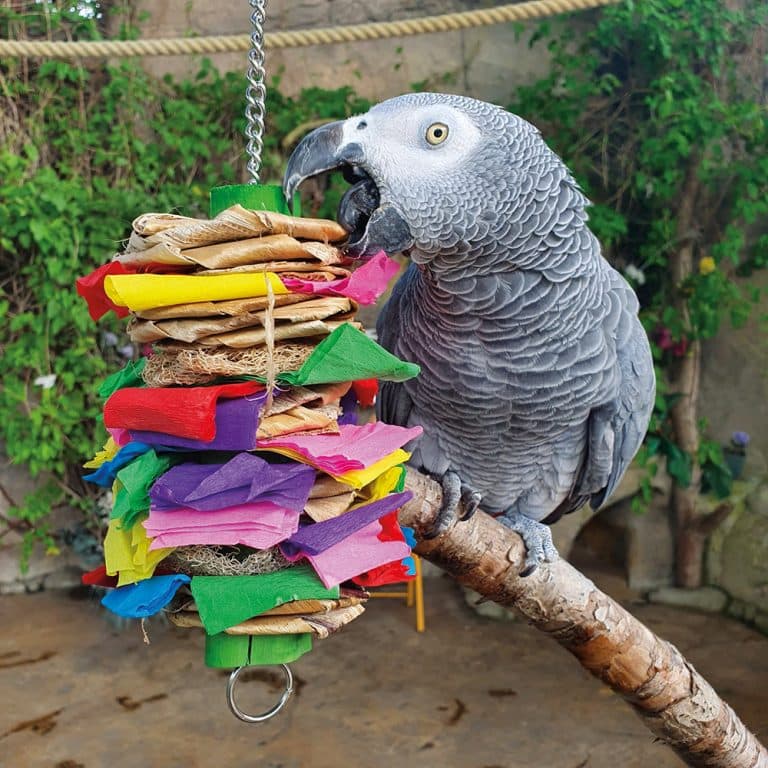
The Hidden Crisis in Our Living Rooms
Picture this: your vibrant, intelligent parrot sitting quietly in their cage, barely reacting when you walk by. They've stopped playing with their toys, show little interest in new foods, and seem to have lost that spark that made you fall in love with them. If this sounds familiar, your bird might be experiencing learned helplessness — a psychological state that's far more common in captive parrots than most people realize.
In our experience boarding over 1,000 birds at BST, we've seen how dramatically a parrot's personality can change when they're stuck in monotonous environments. The good news is that with the right approach to variety and novelty, you can prevent this condition and help your feathered friend thrive.
Understanding Learned Helplessness in Parrots
Learned helplessness occurs when an animal repeatedly experiences situations where they have no control over their environment, eventually leading them to stop trying altogether — even when opportunities for change become available. In parrots, this manifests as withdrawal, decreased vocalization, repetitive behaviors, and a general lack of curiosity about their surroundings.
Here's the thing: parrots are incredibly intelligent creatures with complex emotional needs. In the wild, they spend their days problem-solving, foraging, socializing, and exploring. When we confine them to the same cage with the same toys, same food, and same routine day after day, we're essentially creating a sensory desert.
How Monotony Creates Problems
The development of learned helplessness in captive parrots typically follows this pattern:
- Week 1-2: Your parrot explores their new environment enthusiastically
- Week 3-4: Interest begins to wane as everything becomes predictable
- Month 2-3: Boredom sets in, leading to potential behavioral issues
- Month 4+: Withdrawal and learned helplessness can develop
We see this progression regularly when birds arrive at our facility after living in unchanging environments. The transformation back to their vibrant selves through enrichment is always remarkable to witness.
Environmental Enrichment: Your First Line of Defense
Environmental enrichment is about creating a dynamic, engaging space that challenges your parrot's mind and body. Think of it as redecorating your bird's world on a regular basis.
The Toy Rotation System
Instead of loading your parrot's cage with every toy you own, try this approach:
- Keep only 3-4 toys in the cage at any time
- Store 8-12 additional toys in rotation
- Swap out 1-2 toys every week
- Reintroduce old favorites after they've been away for a month
Pro Tip: When introducing a "new" toy back into rotation, your parrot will often approach it with fresh interest, as if seeing it for the first time.
Perch Placement and Variety
Rearranging perches monthly keeps your bird's environment fresh and provides physical challenges:
- Vary perch diameters (natural branches work wonderfully)
- Change heights and angles
- Create different "zones" — eating area, sleeping spot, play space
- Add temporary perches outside the cage for supervised time
Food Presentation Innovation
Transform mealtime from routine to adventure:
- Use different bowls and feeding locations
- Hide treats in paper cups or wrapped in paper
- Freeze fruits in ice cubes for summer enrichment
- Present vegetables in new ways — whole, chopped, or skewered
Cognitive Enrichment: Exercising the Parrot Brain
Parrots need mental workouts just like we do. Cognitive enrichment challenges their problem-solving abilities and keeps their minds sharp.
Puzzle Toys and Foraging Challenges
Create opportunities for your parrot to work for their food and entertainment:
- Simple puzzles: Paper cups with treats inside
- Intermediate challenges: Foraging wheels or puzzle boxes
- Advanced problems: Multi-step puzzle toys that require sequence learning
Training Sessions as Enrichment
Regular training isn't just about teaching tricks — it's mental exercise:
- Spend 10-15 minutes daily on training
- Teach new behaviors regularly
- Practice recall, targeting, or step-up variations
- Make it fun and always end on a positive note
Important: Training should never feel like work for your parrot. If they're not engaged, try shorter sessions or different rewards.
Social Enrichment: Nurturing the Flock Instinct
Parrots are social creatures who crave interaction and communication. Social enrichment addresses this fundamental need.
Quality Human Interaction
Your parrot needs meaningful time with their human flock:
- Engage in "conversation" — respond to their vocalizations
- Include them in family activities when safe to do so
- Practice gentle handling and petting (if your bird enjoys it)
- Read aloud or sing to your bird
Music and Audio Stimulation
Sound enrichment can significantly impact your parrot's mood:
- Play different genres of music throughout the week
- Try nature sounds, classical music, or even talk radio
- Observe your bird's preferences — some love upbeat music, others prefer calm sounds
- Use audio as background enrichment, not constant noise
Sensory Enrichment: Engaging All the Senses
Parrots experience the world through multiple senses, and enriching each one creates a more complete, engaging environment.
Texture Exploration
Provide various materials for your parrot to explore:
- Natural materials: cork bark, pine cones, bamboo
- Safe fabrics: cotton rope, fleece strips
- Paper products: cardboard, paper towels, newspaper
- Edible textures: different seed types, nuts, dried fruits
Visual Stimulation
Keep your parrot's visual environment interesting:
- Rotate colorful toys and objects
- Provide a view of outdoor activity when possible
- Use mirrors sparingly (they can become obsessions)
- Change cage covers or backgrounds occasionally
Your Weekly Enrichment Rotation Schedule
Here's a practical schedule we recommend to our BST families:
| Day | Focus Area | Activity Examples |
|---|---|---|
| Monday | Cognitive | Introduce new puzzle toy or training session |
| Tuesday | Environmental | Rearrange one section of the cage |
| Wednesday | Social | Extended interaction time or music session |
| Thursday | Sensory | New texture or material to explore |
| Friday | Foraging | Hide treats in new locations or containers |
| Saturday | Physical | Supervised out-of-cage time with new perches |
| Sunday | Rest | Maintain current setup, observe preferences |
Monthly Deep Changes
Once monthly, implement bigger changes:
- Complete toy rotation (swap out all toys)
- Major cage rearrangement
- Introduce a completely new type of enrichment
- Try a new healthy food your bird hasn't had before
Warning: Always supervise your parrot with new items initially. Remove anything that shows signs of wear or could pose a safety risk.
Final Thoughts
Preventing learned helplessness in parrots isn't about expensive equipment or complex schedules — it's about understanding that your bird needs change, challenge, and choice in their daily life. At BST, we've watched countless birds rediscover their personalities when given variety and stimulation.
Start small. Pick one area of enrichment and commit to changing it weekly. Notice how your parrot responds, and build from there. Remember, the goal isn't to overwhelm your bird with constant change, but to provide enough novelty to keep their curious, intelligent minds engaged.
Your parrot's bright eyes, eager exploration, and joyful vocalizations will tell you when you've got the balance right. And trust me, seeing your feathered friend truly thrive makes every bit of effort worthwhile.
Explore related topics
Related Articles
Building Natural Branch Perches: A Step-by-Step Guide
Natural branches are the best perches — varied diameter, texture, and chewing opportunity. Here's how to prepare them safely.
15 DIY Bird Toys from Dollar Store Items
You don't need expensive pet store toys. These 15 DIY toys cost under $2 each and your bird will love them.

DIY Parrot Play Gym: How to Build an Amazing Play Area for Under $50
A play gym gives your parrot a dedicated out-of-cage space. Here's how to build one with safe, affordable materials.