Why Does My Parrot Bite Me? 12 Common Reasons and Solutions
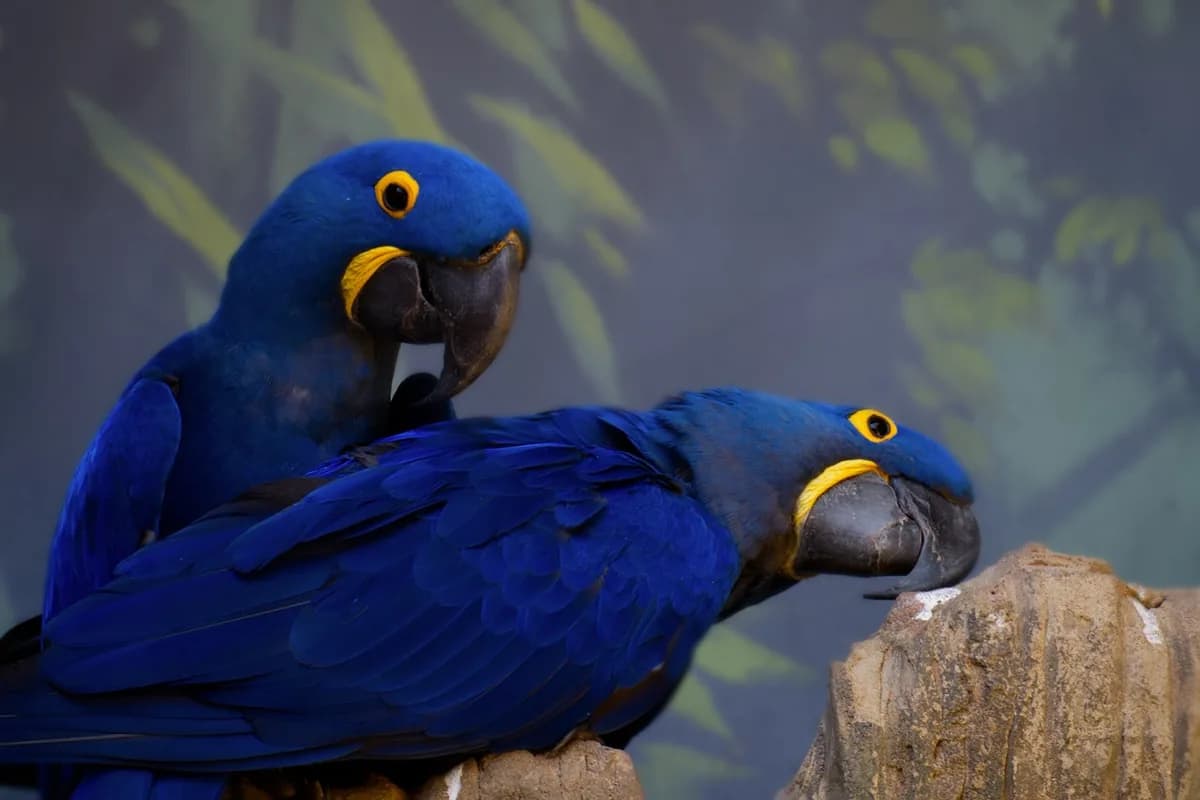
Understanding Your Parrot's Bite: It's Not Personal, It's Communication
Getting bitten by your beloved parrot can be frustrating, painful, and honestly — a little heartbreaking. You're not alone in wondering "Why does my bird hate me?" or "What did I do wrong?" Here's the thing: your parrot isn't biting to be mean or vindictive. Birds don't have hands, so their beaks are their primary tool for communication, exploration, and self-defense.
In our experience boarding over 1,000 birds at Bird Sitting Toronto, we've learned that every bite tells a story. Understanding what your parrot is trying to communicate is the first step toward building a stronger, bite-free relationship.
Quick Diagnostic Guide: What's Behind the Bite?
Before diving into specific reasons, ask yourself these questions to help identify the cause:
- When does it happen? (During handling, near the cage, around certain people?)
- What's your bird's body language? (Pinned eyes, raised feathers, crouched posture?)
- Is it breeding season? (Spring months can trigger hormonal behavior)
- Has anything changed recently? (New environment, people, routine?)
- Where does your bird bite? (Hands, face, when stepping up?)
The 12 Most Common Reasons Parrots Bite
1. Fear-Based Biting
How to identify it: Your bird backs away, flattens against the cage, or lunges when you approach. Wings might be held slightly away from the body, and you'll see rapid breathing or vocalizations.
What to do:
- Move slowly and speak softly
- Let your bird see your hands before reaching toward them
- Practice the "step up" command from a distance first
- Build positive associations with your presence using treats
What NOT to do:
- Don't force interactions when your bird is clearly scared
- Avoid sudden movements or loud noises
- Never chase your bird around the cage
Pro Tip: Fear biting often happens with new birds or after a traumatic experience. Patience is your best friend here — some birds need weeks or months to feel secure.
2. Territorial and Cage Aggression
How to identify it: Your bird is fine outside the cage but becomes defensive when you reach inside their space. They might charge toward your hand or bite when you're cleaning or changing food.
What to do:
- Train your bird to step up on a perch or stick first
- Feed treats through the cage bars to create positive associations
- Clean the cage when your bird is out (if possible)
- Establish "neutral territory" for training outside the cage
What NOT to do:
- Don't reach into the cage without warning
- Avoid rearranging cage items frequently
- Never punish territorial behavior — it's natural
3. Hormonal Biting
How to identify it: Increased during breeding season (spring), often accompanied by regurgitation, nesting behaviors, or increased vocalizations. Your previously sweet bird might become possessive or aggressive.
What to do:
- Maintain consistent 10-12 hour dark periods
- Remove anything that could be seen as nesting material
- Avoid petting your bird's back, under wings, or vent area
- Keep interactions brief and focused on head/neck area only
What NOT to do:
- Don't provide dark, cozy spaces that encourage nesting
- Avoid feeding warm, mushy foods that can trigger breeding behavior
- Never encourage regurgitation by accepting it as "affection"
Important: Hormonal biting is temporary but can be intense. Consistency in your response is key to getting through this phase.
4. Overstimulation Biting
How to identify it: Happens after extended play sessions, lots of petting, or exciting activities. Your bird might seem "wound up" with pinned eyes and excited vocalizations before suddenly biting.
What to do:
- Learn to read your bird's excitement levels
- Take breaks during play sessions
- End interactions on a positive note before overstimulation occurs
- Provide a calm-down period in the cage
What NOT to do:
- Don't continue stimulating activities once you see warning signs
- Avoid rough play or wrestling games
- Never punish excitement — redirect it instead
5. Boundary Testing (Young Birds)
How to identify it: Common in baby and juvenile birds who are learning social rules. The biting isn't aggressive but rather exploratory — testing what they can get away with.
What to do:
- Be consistent with your reactions every time
- Use the "earthquake" method (gently shake your hand to unbalance them)
- Immediately remove your bird from the situation
- Reward good behavior with treats and praise
What NOT to do:
- Don't give mixed signals about what's acceptable
- Avoid yelling or dramatic reactions (they might find it entertaining)
- Never hit or flick your bird
6. Redirected Aggression
How to identify it: Your bird is upset about something else (another bird, noise outside, stranger in the house) but bites you instead. Often happens suddenly without obvious triggers.
What to do:
- Identify and remove the actual trigger when possible
- Give your bird space to calm down
- Use a towel or perch to handle them if necessary
- Wait for the bird to settle before attempting interaction
What NOT to do:
- Don't take it personally — you're just the nearest target
- Avoid forcing interaction when your bird is clearly agitated
- Never punish redirected aggression
Warning: Redirected aggression bites can be particularly severe because your bird isn't thinking clearly. Safety first — yours and theirs.
7. Pain or Illness
How to identify it: Sudden onset of biting in a previously gentle bird, especially if accompanied by changes in appetite, posture, or activity level. Birds often become defensive when they don't feel well.
What to do:
- Schedule an immediate vet visit
- Handle your bird minimally until you know what's wrong
- Note any other behavioral or physical changes
- Keep detailed records for your veterinarian
What NOT to do:
- Don't assume it's just behavioral without ruling out medical causes
- Avoid waiting to see if it improves on its own
- Never medicate without veterinary guidance
8. Lack of Trust
How to identify it: Your bird seems generally wary of you, doesn't seek your attention, and bites when you try to handle them. Often seen in rehomed birds or those with limited human socialization.
What to do:
- Start with basic trust-building exercises
- Spend time near the cage without trying to handle your bird
- Offer treats and speak softly
- Let your bird make the first moves toward interaction
What NOT to do:
- Don't rush the trust-building process
- Avoid forcing physical contact
- Never use restraint or toweling unless absolutely necessary
9. Previous Trauma
How to identify it: Specific triggers cause intense reactions (certain movements, objects, or situations). Your bird might show extreme fear responses before biting.
What to do:
- Work slowly to desensitize your bird to triggers
- Create positive associations with previously scary situations
- Consider working with an avian behaviorist
- Be patient — trauma recovery takes time
What NOT to do:
- Don't force exposure to triggering situations
- Avoid dismissing fearful reactions as "just being dramatic"
- Never punish trauma responses
10. Excitement or Play Biting
How to identify it: Usually gentle mouthing that gradually becomes harder, often during play or when your bird is happy and excited. Different from aggressive biting in intensity and context.
What to do:
- Teach bite pressure limits early
- Say "gentle" and reward soft contact
- End play sessions if biting becomes too hard
- Redirect to appropriate toys
What NOT to do:
- Don't allow any level of biting to continue unchecked
- Avoid rough play that encourages harder biting
- Never use your fingers as toys
11. Jealousy
How to identify it: Biting occurs when your attention is on someone or something else. Your bird might try to get between you and the "rival" or bite when you interact with others.
What to do:
- Include your bird in family activities when appropriate
- Teach your bird that good things happen when others are around
- Don't reinforce jealous behavior with extra attention
- Work on independence training
What NOT to do:
- Don't always give in to jealous demands
- Avoid isolating your bird from family interactions
- Never punish jealousy — redirect it instead
12. Communication of "No"
How to identify it: Your bird has learned that biting effectively stops unwanted interactions. Often starts as gentle pressure that escalates if the message isn't received.
What to do:
- Learn to read earlier warning signs (body language, vocalizations)
- Respect your bird's "no" when possible
- Teach alternative communication methods
- Use positive reinforcement for appropriate communication
What NOT to do:
- Don't ignore subtle communication attempts
- Avoid forcing interactions when your bird clearly objects
- Never punish your bird for trying to communicate
Creating a Bite-Free Relationship
The good news is that most biting issues can be resolved with patience, consistency, and understanding. Remember that your parrot isn't trying to hurt you — they're trying to communicate something important.
Pro Tip: Keep a bite journal noting when, where, and what happened before each incident. Patterns often emerge that help you prevent future bites.
Final Thoughts
Every bird is an individual with their own personality, history, and communication style. What works for one bird might not work for another, and that's okay. The key is staying patient, consistent, and committed to understanding your feathered friend's unique needs.
At Bird Sitting Toronto, we see birds transform from biters to beloved companions all the time. With the right approach and plenty of patience, you and your parrot can build a trusting, bite-free relationship that enriches both your lives.
Remember: progress isn't always linear, and setbacks are normal. Celebrate the small victories, and don't hesitate to seek help from an avian veterinarian or certified bird behaviorist if you're struggling. Your parrot is worth the effort, and so is your relationship with them.
Explore related topics
Related Articles
The 20 Biggest Mistakes New Bird Owners Make
We all make mistakes as new bird owners. Here are the 20 most common — and how to avoid them.
Do Parrots Feel Jealousy? Understanding Possessive Behavior
Your parrot lunges at your partner when they sit near you. Is it jealousy? The science says yes — here's what to do.
Fireworks and Loud Noises: Protecting Your Parrot from Sound Stress
Canada Day, New Year's, thunderstorms — loud events can traumatize your bird. Here's how to protect them.