What to Do When Your Bird Escapes: An Emergency Recovery Guide
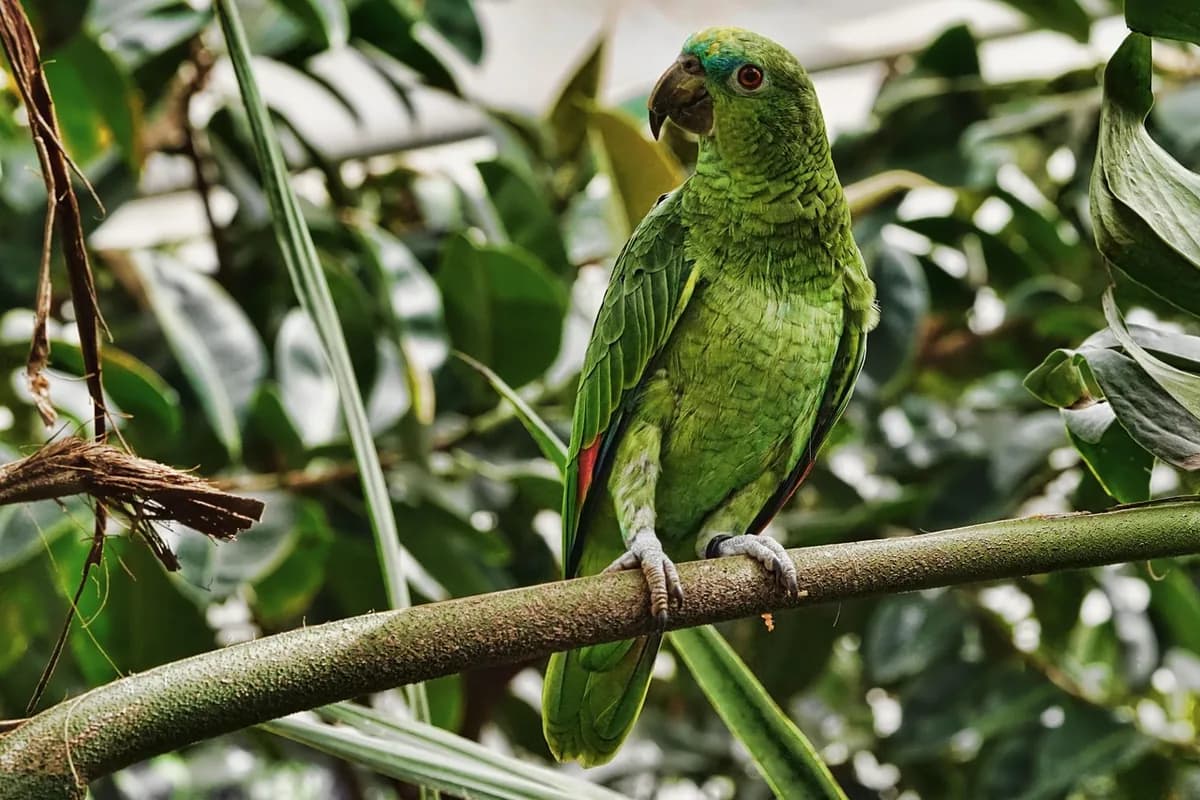
When Your Heart Stops: The Moment Your Bird Escapes
The door closes behind you, and your heart sinks as you realize your feathered friend is no longer in their cage. Whether it's a split-second dash through an open door or a window left ajar, bird escapes happen faster than you can blink. In our experience boarding over 1,000 birds at BST, we've helped countless families through this terrifying situation, and here's the truth: the first few hours are absolutely critical, but there's real hope for getting your bird back home safely.
Take a deep breath. Your quick, calm actions in the next few minutes could make all the difference between a happy reunion and a heartbreaking loss.
The First 30 Seconds: Don't Panic, Act Fast
The moment you realize your bird has escaped, your adrenaline will spike. That's normal, but channel that energy into immediate action:
Keep visual contact at all costs. If you can still see your bird, don't take your eyes off them. Even if they're perched high in a tree, maintaining that visual connection is your top priority.
Start calling their name immediately in a calm, familiar voice. Use the same tone you'd use during normal interactions — not frantic or loud, which could spook them further.
Move slowly and deliberately. Quick movements will likely send your bird flying even farther away. Think of yourself as moving through honey.
Critical Warning: Do not chase your bird. This almost always backfires, sending them farther from home and into unfamiliar territory.
The First 30 Minutes: Setting Up for Success
Once you've established visual contact (or if you've lost sight but know the general area), here's your immediate action plan:
Bring the Familiar Outside
Get their cage outside immediately. Place it in your yard, on a balcony, or as close to where they were last seen as possible. Keep the door wide open and put their favorite perch on top.
Add irresistible food and water. Their regular food is good, but now's the time for the special treats — millet spray, sunflower seeds, whatever makes them go crazy with excitement.
Play familiar sounds. If you have recordings of your voice, other birds, or music they love, play it on repeat at a moderate volume. We've seen birds return to the sound of their favorite song more than once.
Alert Your Network
Tell your immediate neighbors right away. Knock on doors, explain the situation, and ask them to keep an eye out. Most people are incredibly helpful when they understand the urgency.
Post on neighborhood apps immediately — Nextdoor, Ring Neighbors, local Facebook groups. Include a clear photo and your contact information.
The First 24 Hours: Expanding Your Search
If your bird hasn't returned within the first few hours, it's time to cast a wider net while maintaining your immediate efforts.
Social Media Blitz
Create a detailed post with:
- Clear, recent photo of your bird
- Exact location and time of escape
- Your contact information
- Description of their personality (friendly vs. skittish)
- Any words or sounds they respond to
Share this post in:
- Local lost pet Facebook groups
- Bird-specific communities in your area
- Parrot rescue organizations
- Community bulletin boards (both online and physical)
Official Channels
Contact animal control and local shelters. File an official report and provide them with photos. Check back every day — birds are often brought in by well-meaning people who don't know where else to take them.
Reach out to local veterinarians. Someone might bring your bird to a vet if they appear injured or distressed.
Search Strategy: Think Like Your Bird
Here's what we've learned about where escaped birds typically go:
The First Flight
Most pet birds don't fly far on their first escape — usually within a 1-2 mile radius of home. They're looking for:
- High perches (trees, power lines, rooftops)
- Familiar sounds (other birds, human activity)
- Food sources (bird feeders, fruit trees)
Search Patterns
Start close and work outward. Check every tree, power line, and tall structure in increasing circles from your home.
Look up, but also look around eye level. Scared birds sometimes hide in bushes or under decks.
Search during dawn and dusk. Birds are most active during these times and more likely to call out or move around.
Common Hiding Spots
- Tall trees (especially evergreens that offer cover)
- Power lines and telephone poles
- Neighbors' yards with bird feeders
- Parks or areas with water sources
- Other birds' territories (they might be trying to join a flock)
Luring Techniques That Actually Work
Food and Treats
Create a "breadcrumb trail" of their favorite treats leading to their cage. Scatter small amounts every few feet.
Use strong-smelling foods like warm, cooked sweet potato or their favorite nuts. The scent can travel surprisingly far.
Sound Strategies
Play recordings of other birds of the same species. Many escaped birds will investigate calls from their own kind.
Use a bird whistle or app that mimics their species' contact calls.
If you have other birds, bring them outside in their cages. Their calls might attract your escaped bird back.
Pro Tip: We've seen incredible success with owners who recorded themselves talking to their bird during happy times. Playing these recordings can trigger a strong emotional response and desire to return.
Specialized Help: Lost Bird Services
Don't try to handle this alone. There are people who specialize in bird recovery:
Professional Services
Lost bird recovery specialists exist in many areas. They have specialized equipment like tall ladders, nets, and bird-catching experience.
Drone operators can help search large areas and tall trees that are impossible to check on foot.
Online Communities
911 Parrot Alert is a nationwide database and Facebook group specifically for lost birds.
Local parrot rescue groups often have volunteers experienced in bird recovery who will help search.
Species-specific Facebook groups (like "Lost Cockatiels" or "Missing Macaws") have members who understand your bird's specific behaviors.
Prevention: Never Go Through This Again
Once you've (hopefully) recovered your bird, here's how to prevent future escapes:
Physical Barriers
Install a double-door entry system — create an airlock-style entryway where one door must close before the other opens.
Use door and window alarms that sound when opened, giving you a warning if someone forgets.
Consider window screens and door screens as backup barriers.
Wing Clipping Considerations
This is a personal choice that depends on your bird's personality and your home setup. Properly clipped wings can prevent outdoor escapes but won't help with indoor accidents. Discuss with an avian vet what's right for your situation.
Training for Safety
Recall training is invaluable. Teaching your bird to come when called can be the difference between a quick recovery and a long search.
Practice "step up" commands regularly so your bird responds even in stressful situations.
Desensitize them to carriers so you can quickly secure them if needed.
Final Thoughts: Hope and Persistence
The statistics are more encouraging than you might think. Many escaped birds are recovered, especially within the first 24-48 hours. We've seen birds return after days or even weeks, drawn back by persistent owners who never gave up.
The key is acting fast but thinking strategically. Your bird is likely scared and looking for familiar sights, sounds, and smells. By bringing those familiar elements outside and casting a wide net for help, you're giving your feathered friend the best possible chance of finding their way back to your loving arms.
Remember: you know your bird better than anyone. Trust your instincts about where they might go and what might bring them back. And don't lose hope — stranger things have happened than a lost bird finding their way home to the family they love.
Explore related topics
Related Articles
Bird-Proofing Your Home: A Room-by-Room Safety Guide
Your home is full of hidden dangers for birds. This room-by-room guide helps you create a truly safe environment.
Bird-Safe Houseplants: A Complete List for Bird Owners
Love plants and birds? Here's your definitive guide to which houseplants are safe and which can kill your parrot.
Emergency Evacuation Plan for Bird Owners: Be Prepared for Anything
Fire, flood, power outage — do you have an evacuation plan for your bird? Most owners don't. Here's how to create one.