Bird-Safe Houseplants: A Complete List for Bird Owners
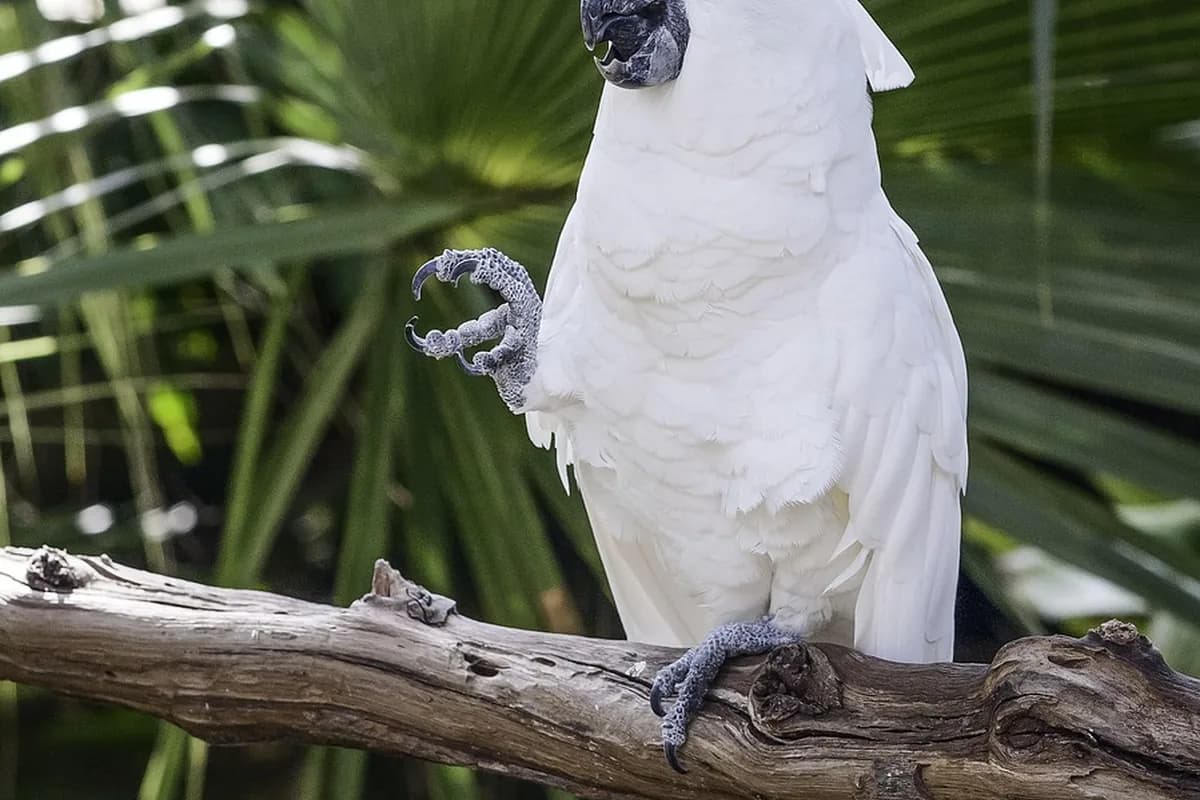
Creating a Beautiful, Bird-Safe Home Environment
Picture this: you're enjoying your morning coffee, watching your feathered friend explore their play area, when suddenly they take a curious nibble of that gorgeous houseplant you just brought home. Your heart skips a beat — is it safe? We see this scenario play out frequently with our boarding clients, and the good news is that with the right knowledge, you can create a stunning indoor garden that's completely safe for your bird.
At Bird Sitting Toronto, we've cared for over 1,000 birds in homes filled with plants, and we've learned that the key is knowing exactly which greenery poses risks and which plants can coexist beautifully with your feathered family member. Let's dive into everything you need to know about bird-safe houseplants.
Why Birds and Plants Don't Always Mix
Before we explore safe options, it's important to understand why this topic matters so much. Birds are naturally curious creatures with strong foraging instincts — behaviors that served them well in the wild but can get them into trouble in our homes.
The Foraging Instinct
Your bird's desire to explore and taste plants isn't misbehavior — it's completely natural. In the wild, birds spend most of their day foraging, investigating potential food sources, and exploring their environment. When they encounter a houseplant, they're simply following millions of years of evolutionary programming.
Curiosity and Exploration
Birds are incredibly intelligent and need mental stimulation. New textures, colors, and shapes naturally draw their attention. That beautiful flowering plant or interesting leaf pattern is like a puzzle waiting to be investigated — often with their beaks.
Important: Even the most well-trained bird may occasionally sample plants, so prevention through plant selection is always your best strategy.
The Safe List: Plants Your Bird Can Explore
These plants are generally considered safe for birds, meaning that if your feathered friend takes a small nibble, you don't need to panic. However, remember that moderation is key — even safe plants shouldn't become a primary food source.
Spider Plant (Chlorophytum comosum)
The spider plant is practically the poster child for bird-safe houseplants. These resilient beauties are non-toxic and actually quite forgiving if your bird decides to do a little "pruning." They're easy to grow, produce lovely cascading babies, and can handle the occasional beak-induced haircut.
Boston Fern (Nephrolepis exaltata)
Boston ferns add gorgeous, lush greenery to any space and are completely safe for birds. They love humidity, which makes them perfect for homes where birds live (since proper humidity is important for our feathered friends too). The delicate fronds might tempt some birds to investigate, but there's no harm if they do.
African Violet (Saintpaulia)
These charming flowering plants are safe for birds and add beautiful pops of color to your home. African violets prefer bright, indirect light and consistent moisture — conditions that work well in bird-friendly homes. Their fuzzy leaves and delicate flowers are generally less appealing to most birds anyway.
Bamboo Palm (Chamaedorea seifrizii)
If you're looking for a larger, statement plant, bamboo palms are an excellent choice. They're safe for birds, help purify the air, and create a lovely tropical feel. These palms are also quite tolerant of the temperature fluctuations that sometimes occur in homes with birds.
Prayer Plant (Maranta leuconeura)
Prayer plants are fascinating to watch — their leaves actually fold up at night, resembling hands in prayer. They're completely safe for birds and their unique leaf patterns often catch our feathered friends' attention in a good way. The movement might even provide some entertainment!
Fresh Herbs: Nature's Bird-Safe Garden
Here's where things get really exciting — many common herbs are not only safe for birds but can actually provide nutritional benefits:
- Basil: Safe and aromatic, many birds enjoy the scent
- Cilantro: A favorite among many parrots and completely safe
- Dill: Safe in small amounts and adds interesting texture
- Parsley: Excellent source of vitamins (use sparingly)
- Mint: Safe but strong-flavored — some birds love it, others avoid it
Pro Tip: Growing your own herbs gives you complete control over pesticide exposure and provides fresh, safe enrichment for your bird.
Plants to Approach with Caution
Some plants fall into a gray area — they're not immediately deadly but can cause mild to moderate illness if consumed in larger quantities. These are plants you might choose to keep in bird-free areas of your home.
Pothos (Epipremnum aureum)
Pothos are incredibly popular houseplants, and while they're not highly toxic to birds, they can cause mouth irritation and digestive upset if consumed. Many bird owners successfully keep pothos in areas their birds can't reach.
Philodendron
Similar to pothos, philodendrons contain calcium oxalate crystals that can cause mouth and throat irritation. They're beautiful plants, but it's safer to enjoy them in rooms where your bird doesn't spend time.
The Danger Zone: Plants That Can Kill
These plants should never be in a home with birds. Even small amounts can be fatal, and some are so toxic that even indirect exposure can be dangerous.
Lilies (All Varieties)
All parts of lily plants — flowers, leaves, pollen, and even the water they sit in — are extremely toxic to birds. Even minimal exposure can cause severe kidney damage or death.
Oleander
Every part of this plant contains cardiac glycosides that can cause heart problems and death in birds. It's beautiful, but absolutely not worth the risk.
Dieffenbachia (Dumb Cane)
The common name "dumb cane" comes from this plant's ability to cause severe mouth swelling that prevents speech. In birds, it can cause similar swelling, difficulty breathing, and potentially death.
Sago Palm
Despite being called a palm, this is actually a cycad, and every part is highly toxic. Even small amounts can cause liver failure in birds.
Foxglove
Contains digitalis, which affects heart rhythm and can be fatal to birds even in small quantities.
Amaryllis
The bulb is particularly toxic, but all parts of this plant can cause serious digestive and neurological problems in birds.
Warning: If you suspect your bird has ingested any toxic plant, contact your avian veterinarian immediately. Time is critical with plant poisonings.
Creating Your Bird-Safe Indoor Garden
Now that you know which plants to choose and which to avoid, let's talk about creating a beautiful, bird-friendly space.
Placement Strategies
Even with safe plants, consider placement carefully:
- Keep plants at different heights to create visual interest
- Use hanging planters for trailing plants like spider plants
- Create dedicated plant areas that your bird can explore safely
- Consider your bird's flight patterns and favorite perching spots
The Pesticide Problem
Here's something many bird owners don't consider: even "safe" plants can be dangerous if they've been treated with pesticides, fungicides, or other chemicals. Commercial nurseries often use treatments that can harm birds.
Important: Always wash new plants thoroughly and consider repotting with fresh, organic soil before introducing them to your bird's environment.
Maintenance Matters
- Remove any dead or dying plant material promptly
- Keep soil covered to prevent digging and potential ingestion
- Monitor your plants for pests (and treat only with bird-safe methods)
- Rotate plants occasionally to prevent your bird from becoming too attached to any one plant
Comprehensive Plant Safety Reference
Here's a quick-reference table for easy plant safety checking:
| Plant Name | Safety Rating | Notes |
|---|---|---|
| Spider Plant | Safe | Great for beginners |
| Boston Fern | Safe | Loves humidity |
| African Violet | Safe | Beautiful flowers |
| Bamboo Palm | Safe | Good air purifier |
| Prayer Plant | Safe | Interesting leaf movement |
| Basil | Safe | Nutritional benefits |
| Cilantro | Safe | Popular with parrots |
| Dill | Safe | Use fresh only |
| Pothos | Caution | Keep out of reach |
| Philodendron | Caution | Can cause irritation |
| Lilies (all types) | Deadly | Remove immediately |
| Oleander | Deadly | Extremely toxic |
| Dieffenbachia | Deadly | Causes severe swelling |
| Sago Palm | Deadly | All parts toxic |
| Foxglove | Deadly | Affects heart rhythm |
| Amaryllis | Deadly | Bulb especially toxic |
Final Thoughts
Creating a bird-safe home doesn't mean sacrificing beauty or greenery. In our experience at Bird Sitting Toronto, some of the most gorgeous homes we visit are filled with lush, bird-safe plants that both the human and feathered family members enjoy.
The key is education and careful selection. When in doubt, research thoroughly or consult with your avian veterinarian. Remember, your bird's safety is always worth more than any plant, no matter how beautiful it might be.
Start small with a few proven safe plants, observe how your bird interacts with them, and gradually build your bird-friendly indoor garden. Your feathered friend will appreciate the enrichment, and you'll have peace of mind knowing that their curious nature won't lead them into danger.
Explore related topics
Related Articles
Bird-Proofing Your Home: A Room-by-Room Safety Guide
Your home is full of hidden dangers for birds. This room-by-room guide helps you create a truly safe environment.
Emergency Evacuation Plan for Bird Owners: Be Prepared for Anything
Fire, flood, power outage — do you have an evacuation plan for your bird? Most owners don't. Here's how to create one.
Holiday Hazards for Pet Birds: Christmas, Thanksgiving, and Beyond
The holidays bring joy — and hidden dangers for your bird. From candles to toxic plants to noisy parties.