Emergency Evacuation Plan for Bird Owners: Be Prepared for Anything
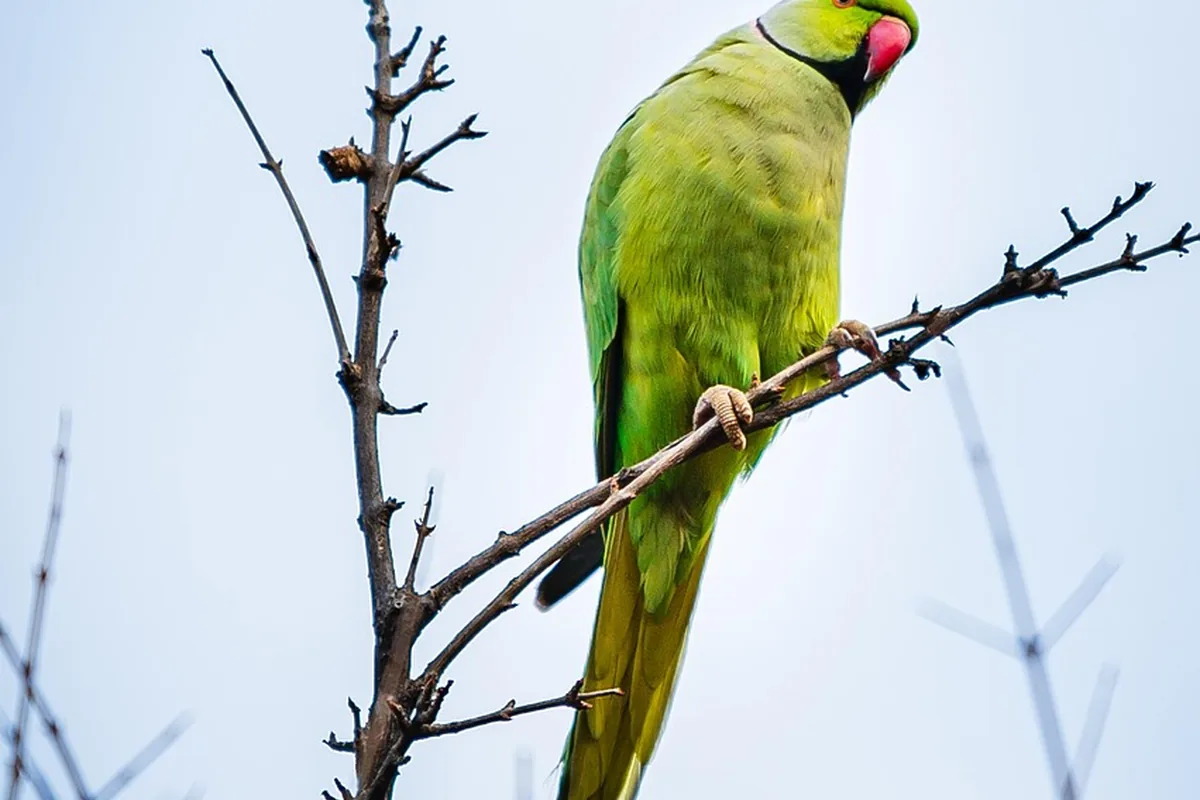
When Every Second Counts: Why Bird Owners Need an Emergency Plan
Natural disasters, house fires, and unexpected emergencies don't wait for convenient timing. As a bird owner, you have mere minutes to make life-saving decisions for your feathered companion. At Bird Sitting Toronto, we've helped countless families navigate emergency situations, and the difference between preparedness and panic often determines the outcome.
Your bird depends entirely on you for their safety. Unlike cats or dogs who might hide or flee, birds remain in their cages, vulnerable and relying on your quick action. Having a comprehensive evacuation plan isn't just smart—it's essential for responsible bird ownership.
Building Your Emergency Evacuation Kit
Your evacuation kit should be ready to grab and go at a moment's notice. Store everything in a clearly labeled, waterproof container near your bird's cage.
The Essential Carrier Setup
Your bird's travel carrier is the most critical piece of equipment. Keep it assembled and easily accessible—not buried in a closet. The carrier should be:
- Large enough for your bird to stand and turn around
- Equipped with secure perches
- Lined with familiar bedding or paper towels
- Stocked with a small water dish and food cup
Pro Tip: Many bird owners make the mistake of storing their carrier disassembled. In an emergency, you won't have time to figure out complicated latches or missing pieces.
Three-Day Supply Essentials
Pack enough supplies to sustain your bird for 72 hours minimum:
Food Requirements:
- Your bird's regular pellets in sealed containers
- Favorite treats for stress relief
- Hand-feeding formula if you have baby birds
- Backup seed mix if your bird is seed-dependent
Water and Hydration:
- Bottled water (tap water may not be available)
- Electrolyte supplements for stress support
- Extra water dishes
- Water bottles with sipper tubes for travel
Medical and Documentation Kit
Create a waterproof folder containing:
- Complete veterinary records and vaccination history
- Current medications with dosing instructions
- Your avian veterinarian's contact information
- Recent clear photos of your bird from multiple angles
- Microchip or band information
- Emergency contact numbers
Important: Keep both physical copies and digital backups of all documents. Store digital versions in cloud storage accessible from your phone.
Comfort Items
Include familiar items to reduce stress:
- Your bird's favorite blanket or cage cover
- A small toy they're attached to
- Cloth with your scent
- Calming herbs like chamomile (if your vet approves)
Developing Your Emergency Action Plan
Designated Meeting Points and Communication
Establish two meeting locations:
- Primary location: Near your home (neighbor's house, community center)
- Secondary location: Outside your immediate area (relative's home, predetermined landmark)
Ensure all family members know both locations and have contact information programmed in their phones.
Pet-Friendly Shelter Research
Not all emergency shelters accept pets. Research and maintain a current list of:
- Pet-friendly hotels within 50 miles
- Friends or family members willing to house birds temporarily
- Boarding facilities that accept emergency placements
- Veterinary clinics offering temporary housing
Contact these locations annually to confirm their policies and availability.
Backup Caretaker Network
Identify at least three people who could care for your bird:
- Primary backup: Someone local who knows your bird
- Secondary backup: Friend or family member within driving distance
- Professional backup: Local bird boarding service or experienced bird sitter
Provide each backup caretaker with your bird's care instructions, veterinary information, and emergency kit location.
Emergency-Specific Response Protocols
Fire Emergency Response
Fire moves fast—you have approximately 2-3 minutes to evacuate safely.
Immediate actions:
- Grab your bird's carrier and evacuation kit
- Gently but quickly place your bird in the carrier
- Cover the carrier to reduce visual stress
- Exit immediately—do not attempt to save the cage
Critical Warning: Never spend time dismantling cages or gathering additional supplies. Your bird's life and your safety depend on immediate evacuation.
Flood Response Strategy
Flooding often provides more warning time than fires, allowing for strategic decision-making.
Rising water protocol:
- Move your bird's cage to the highest floor of your home
- If evacuation becomes necessary, use your prepared carrier
- Keep evacuation kit in a high, dry location
- Monitor weather reports for evacuation timing
Flash flood response:
- Treat like a fire emergency—immediate evacuation
- Head to higher ground immediately
- Avoid driving through standing water
Power Outage Management
Extended power outages pose serious threats to birds, especially during extreme weather.
Temperature regulation:
- Battery-powered or propane heaters (ensure proper ventilation)
- Thermal blankets and cage covers
- Hand warmers placed outside the cage (never inside)
- Body heat sharing in extreme situations
Air quality maintenance:
- Battery-powered fans for air circulation
- Portable air purifiers with battery backup
- Generator-powered HEPA filtration systems
- Regular fresh air access when safe
Training Your Bird for Carrier Acceptance
Regular carrier training can save precious minutes during real emergencies.
Gradual Introduction Process
Week 1-2: Place the carrier near your bird's cage with the door open. Let them explore voluntarily.
Week 3-4: Feed treats and meals near or inside the carrier. Make it a positive space.
Week 5-6: Practice short carrier sessions with the door closed. Start with 5 minutes, gradually increase.
Ongoing: Monthly practice runs where you simulate emergency evacuation procedures.
Stress Reduction Techniques
- Use familiar blankets to cover the carrier
- Play calming music or speak soothingly
- Offer favorite treats immediately after carrier time
- Never force or chase your bird into the carrier during training
Regional Natural Disaster Preparation
Earthquake-Prone Areas
- Secure your bird's cage to prevent toppling
- Keep evacuation kits in multiple locations
- Practice "drop, cover, and hold" with your bird's safety in mind
- Identify structurally sound areas of your home
Hurricane and Tornado Regions
- Monitor weather services continuously during storm season
- Evacuate early—don't wait for mandatory orders
- Identify interior rooms without windows for tornado sheltering
- Stock extra batteries for weather radios
Wildfire Zones
- Maintain defensible space around your property
- Sign up for emergency alert systems
- Keep your car fueled during high-risk periods
- Have multiple evacuation route options planned
Flood-Prone Areas
- Know your evacuation zone and routes
- Keep sandbags or flood barriers on hand
- Elevate evacuation supplies above potential flood levels
- Monitor river and reservoir levels during heavy rain
Emergency Evacuation Checklist
Print and laminate this checklist. Keep copies in your evacuation kit, car, and workplace.
Before Emergency Strikes
- Carrier assembled and accessible
- Evacuation kit fully stocked and checked monthly
- Backup caretakers contacted and confirmed
- Pet-friendly shelter list updated
- Bird trained for carrier acceptance
- Emergency contact list programmed in phone
- Digital copies of documents stored in cloud
- Practice evacuation completed quarterly
During Emergency Evacuation
- Grab bird carrier and evacuation kit
- Place bird gently but quickly in carrier
- Cover carrier to reduce stress
- Take evacuation kit and documents
- Lock home if time permits
- Head to predetermined meeting location
- Contact backup caretakers once safe
- Notify family/friends of your status
After Evacuation
- Find appropriate temporary housing for bird
- Contact veterinarian for health check
- Monitor bird for stress-related health issues
- Maintain routine feeding and care schedule
- Plan for long-term housing if needed
- Restock evacuation kit supplies
- Update emergency contacts if necessary
Final Thoughts
Emergency preparedness isn't about living in fear—it's about loving your bird enough to plan for their protection. The few hours you spend creating an evacuation plan and assembling an emergency kit could save your bird's life when disaster strikes.
Remember that emergencies are chaotic and stressful. Your bird will pick up on your emotional state, so staying calm and following your predetermined plan helps both of you navigate the crisis more effectively. Regular practice and preparation transform panic into purposeful action.
At Bird Sitting Toronto, we've seen how proper emergency planning makes all the difference. The families who practice their evacuation procedures and maintain updated emergency kits are the ones who successfully protect their feathered companions when real emergencies occur. Don't wait until it's too late—start building your emergency plan today.
Your bird trusts you completely for their safety and wellbeing. Honor that trust by being prepared for anything life might throw your way.
Explore related topics
Related Articles
Bird-Proofing Your Home: A Room-by-Room Safety Guide
Your home is full of hidden dangers for birds. This room-by-room guide helps you create a truly safe environment.
Bird-Safe Houseplants: A Complete List for Bird Owners
Love plants and birds? Here's your definitive guide to which houseplants are safe and which can kill your parrot.

Holiday Hazards for Pet Birds: Christmas, Thanksgiving, and Beyond
The holidays bring joy — and hidden dangers for your bird. From candles to toxic plants to noisy parties.