Understanding Species-Specific Nutritional Needs
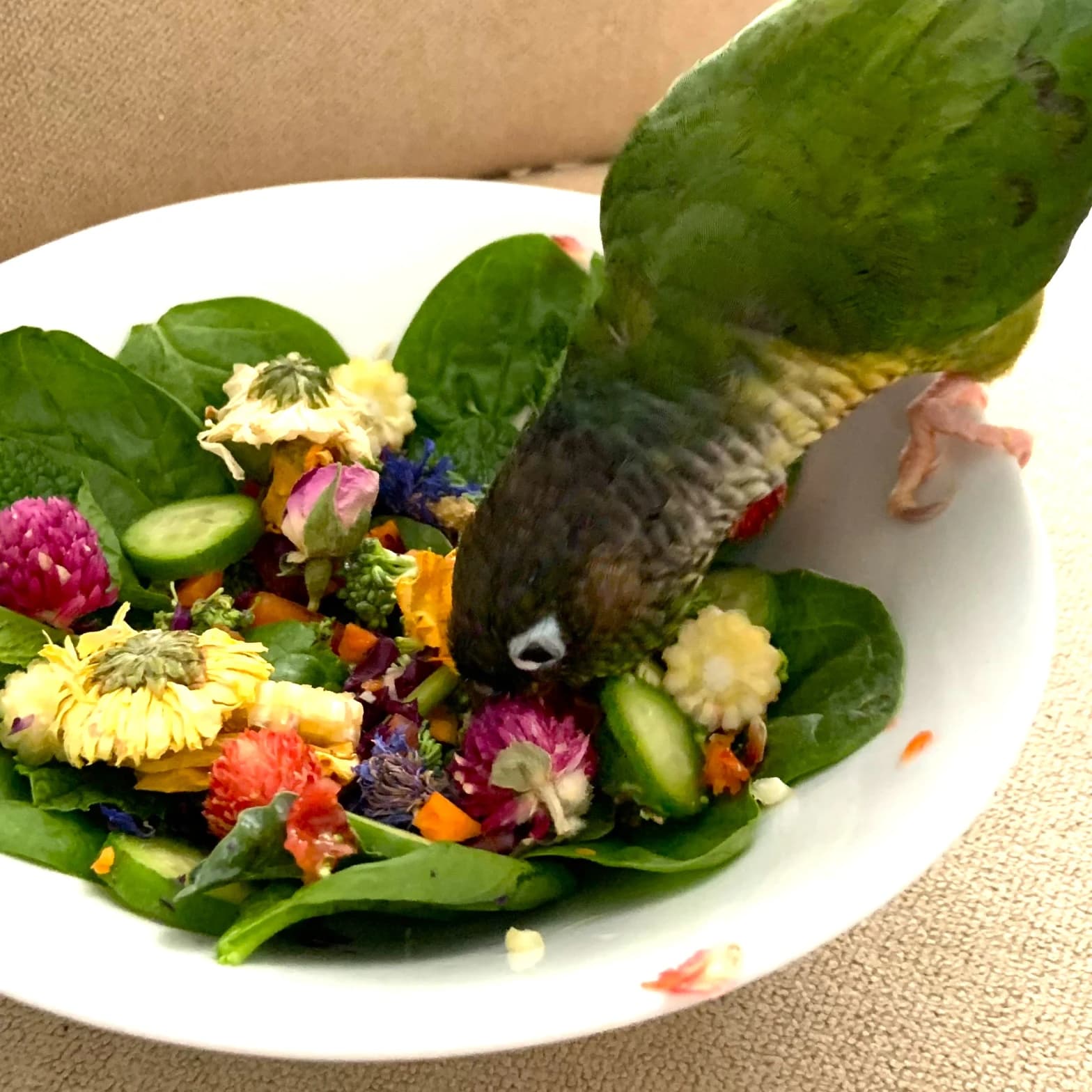
Why one diet does not fit every bird
Birds evolved in wildly different habitats, and their bodies still expect the foods those habitats offered. A scarlet macaw cracking oil-rich palm nuts in the Amazon canopy has different needs than a rainbow lorikeet lapping nectar from Australian blossoms, or a canary picking grass seeds in the Canary Islands. When you bring one of those birds into a Toronto living room, you inherit that evolutionary history—and your job is to honour it, not override it.
That is the whole idea behind "species-specific" nutrition. All birds need the same building blocks—protein, fat, carbohydrate, vitamins, and minerals—but the amounts and sources differ by species, and even within a species they shift with age, sex, breeding status, health, and activity. Much of the older feeding advice was borrowed from poultry research on chickens, which tells us very little about a parrot or a softbill. Modern avian veterinary consensus, echoed by the Association of Avian Veterinarians and the Merck Veterinary Manual, is to feed the bird in front of you.
The pellet-based foundation (for most parrots)
For the great majority of companion parrots, a good day on a plate looks like this:
- ~75–80% high-quality formulated pellets as the nutritional backbone
- ~20–25% fresh, vegetable-forward foods—leafy greens, squash, peppers, sprouts, a little fruit
- ~5% seeds and nuts, offered as treats and training rewards, not as the meal
An all-seed diet is the single most common cause of illness we see discussed in avian medicine: it is high in fat, low in calcium and vitamin A, and lets a clever bird pick out its favourites and skip the rest. Pellets remove the guesswork by putting balanced nutrition in every bite.
Tip: Convert to pellets gradually. Mix a small amount into the familiar food and increase the ratio over days to weeks, always confirming your bird is actually eating and holding weight. A gram scale is your best friend—weigh in the morning before the first meal.
Species quick reference
| Bird | Dietary foundation | Watch for |
|---|---|---|
| Most parrots (conures, greys, Amazons, cockatoos) | ~75–80% pellets + veg-forward fresh | Obesity from too many seeds/nuts |
| Macaws | Pellets + veg, with a higher share of nuts/healthy fat | Still overdoable—keep them lean |
| African greys | Pellets + veg, extra calcium/vitamin D3 attention | Hypocalcemia (low blood calcium) |
| Eclectus | Veg- and fruit-forward, additive-sensitive | Reactions to dyes/synthetic supplements |
| Lorikeets & lories | Specialized nectar diet, low iron | Iron storage disease; not pellet-based |
| Budgies & cockatiels | Mostly pellets, convert slowly | Seed addiction—push veg and sprouts |
| Finches & canaries | Quality seed mix + pellets, greens, egg food | Hands-off birds; monitor from outside the cage |
| Softbills (toucans, mynahs) | Low-iron commercial softbill diet + fruit | Iron storage disease |
The important exceptions
Lorikeets and lories: nectar, not pellets
Lories have brush-tipped tongues built for nectar and pollen, not for cracking seeds or grinding hard pellets. Feed a proper commercial lorikeet nectar (wet and/or dry) plus soft fruit. Keep their iron intake low—these birds are prone to iron storage disease, so avoid high-iron and heavily vitamin-C-fortified foods that increase iron absorption.
Eclectus: veg-forward and additive-sensitive
Eclectus have an unusually long digestive tract and a reputation for reacting to artificial colours, flavours, and some synthetic supplements—so they do best on a fresh, vegetable- and fruit-forward diet with natural sources of vitamin A (dark leafy greens, orange squash, red peppers) rather than heavy fortification. If you use pellets, choose a plain, dye-free formula.
Budgies and cockatiels: mostly pellets, but slowly
These little Australians should still land on a mostly-pellet diet, but they are famously stubborn seed addicts. Convert patiently, lean hard on fresh veg and sprouted seed, and never starve a small bird into a new food—their reserves are tiny.
Finches and canaries: keep the seed staple
Passerines are the exception to the pellet rule. A quality seed mix stays a legitimate staple, supplemented with pellets, fresh greens, and egg food (especially during moult or breeding). These are largely hands-off, watch-don't-handle birds; you manage their nutrition by what goes in the cage, not by taming them onto your hand.
Macaws and African greys
Macaws are the classic higher-fat exception—nuts and oil-rich foods have a bigger place on their plate—but "more fat" is not "unlimited," so keep them trim. African greys are prone to low blood calcium, so pay extra attention to calcium and vitamin D3 (safe sun or a proper avian UVB source) alongside their pellet-and-veg base.
Foods that are toxic to every bird
Some things are dangerous regardless of species. Never offer:
- Avocado (persin) and chocolate (theobromine)
- Caffeine and alcohol
- Onion and garlic
- Fruit pits and apple seeds (cyanogenic compounds)
- Salt, uncooked/dried beans, and mushrooms
Warning: Hookbill parrots do not need grit. Unlike some seed-eating birds that swallow whole seeds, parrots shell their food, and offering grit can lead to dangerous crop or gut impaction. Skip it unless your avian vet specifically prescribes it.
Work with an avian vet—and let us help you keep it going
No commercial food perfectly recreates a wild diet, so the goal is a diverse, balanced plate that closely mirrors your species' natural eating pattern. Research your bird's wild counterpart, and build the menu around it: pellets and veg for most parrots, nectar for lories, low-iron fare for softbills, a seed staple for finches.
Partner with an avian veterinarian for a baseline weight and a diet plan, then re-check when anything changes. At Bird Sitting Toronto, where we board hundreds of birds every year, we keep each guest on its own diet down to the species and the individual—because the fastest way to stress a bird is to serve it the wrong breakfast.
Explore related topics
Related Articles
Can Parrots Eat Human Food? A Complete Guide to Sharing Meals
Your parrot wants to eat off your plate. Which human foods are safe to share and which are dangerous?
The Complete Guide to Parrot Pellets: Brands, Conversion, and Myths
Pellets should be 50-70% of your parrot's diet, but not all pellets are equal. Here's everything you need to know.
Cooking for Your Parrot: 15 Recipes and Meal Ideas They'll Love
Variety is the spice of your parrot's diet. These easy recipes make feeding time exciting and nutritious.